
Hotel Restaurant Marketing Consulting

In today’s fiercely competitive hospitality industry, hotel restaurant marketing consulting has become a luxury and a necessity for establishments striving to stand out and thrive. So, how can this consulting unlock the potential for success in this dynamic environment?
Hotel Restaurant Marketing Consulting
Hotel restaurant marketing consulting involves strategic planning, implementation, and analysis of marketing initiatives tailored to hotel dining establishments. Through market research, data analysis, and creative marketing strategies, hotel restaurant marketing consultants help clients navigate the industry’s complexities and achieve their business objectives efficiently and effectively.
Why Do Businesses Need Hotel Restaurant Marketing Consulting?
Hotel restaurant marketing consulting brings specialized knowledge and expertise in the hospitality and food and beverage sectors. Therefore, with the help of consultants, hotel restaurants can develop comprehensive marketing plans that align with their business goals and target audience.
Additionally, this consulting focuses on delivering measurable results. Analyzing data, tracking key performance indicators, and optimizing marketing efforts ensure that every marketing dollar spent generates maximum ROI for the business.
However, hotel restaurant marketing consulting offers additional benefits to businesses looking to elevate their dining establishments, including:
- Strategic Brand Positioning: Consultants assist hotel restaurants in developing a unique brand identity and positioning strategy that resonates with their target audience.
- Integrated Marketing Campaigns: Hotel restaurant marketing consulting can help guide hotel restaurants in creating cohesive marketing campaigns across various channels, including digital, social media, email, and traditional advertising.
- Enhanced Customer Experience: This consulting focuses on improving the overall dining experience for guests from when they enter the restaurant to when they leave.
- Data-Driven Decision Making: Hotel restaurant marketing consultants utilize data analytics tools to track the performance of marketing campaigns, measure customer satisfaction, and identify areas for improvement.
- Increased Revenue and Profitability: Consulting aims to drive revenue growth and increase business profitability. By implementing effective marketing strategies, attracting more diners, and maximizing customer spending, restaurants can achieve sustainable financial success.
Questions to Ask Before Conducting Hotel Restaurant Marketing Consulting
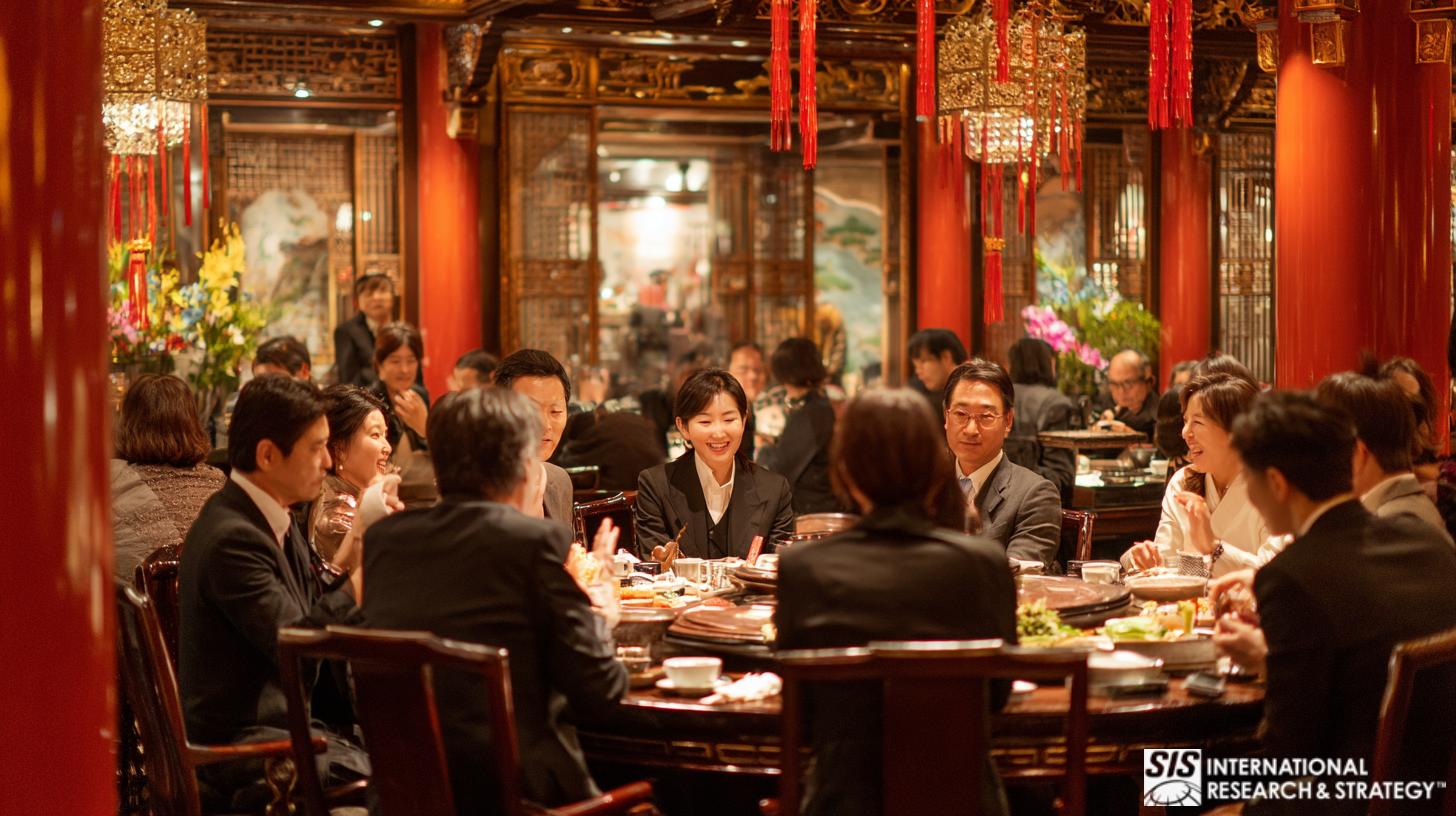
Before embarking on hotel restaurant marketing consulting, it’s essential to ask the right questions to ensure a successful partnership:
- What Are Our Business Objectives? Clarifying the hotel restaurant’s overarching goals and objectives is crucial. Are you aiming to increase revenue, attract guests, improve customer satisfaction, or enhance brand visibility? Understanding these objectives will guide the consulting process and help align strategies with business priorities.
- Who Is Our Target Audience? What are the demographics, psychographics, and preferences of your ideal customers? Understanding the target audience enables consultants to tailor marketing strategies that resonate with potential guests and drive engagement.
- What sets us apart from Competitors? What makes your dining establishment stand out from competitors? Consultants can help articulate these unique selling propositions and develop strategies for effectively leveraging them in marketing campaigns.
- What Are Our Current Marketing Efforts? What marketing channels are currently being utilized (e.g., social media, email, print)? How successful are these efforts in reaching and engaging the target audience? Consultants can conduct a comprehensive audit to identify areas for improvement and optimization.
- What Are Our Budget and Resources? What financial resources and human capital can be allocated to marketing efforts? Consultants can develop strategies that maximize ROI while staying within budgetary constraints.
Expected Results from SIS’s Hotel Restaurant Marketing Consulting
When partnering with SIS International for hotel restaurant marketing consulting, businesses can expect to achieve several key outcomes:
- Increased Brand Awareness: SIS helps hotel restaurants enhance their brand visibility and recognition among target audiences. Through strategic marketing initiatives, including digital advertising, social media campaigns, and targeted promotions, restaurants can expand their reach and attract more guests.
- Improved Customer Engagement: SIS consultants focus on optimizing customer engagement strategies to foster meaningful interactions with guests. Hotel restaurants can build stronger customer relationships and enhance overall satisfaction by implementing personalized marketing campaigns, loyalty programs, and guest feedback mechanisms.
- Higher Revenue Generation: One of the primary objectives of hotel restaurant marketing consulting is to drive revenue growth. SIS International develops data-driven marketing strategies to increase foot traffic, boost table reservations, and maximize customer spending. As a result, restaurants can experience tangible improvements in revenue and profitability.
- Enhanced Online Presence: In today’s digital age, a robust online presence is essential for hotel restaurants to succeed. SIS helps restaurants establish and maintain an impactful online presence through website optimization, search engine marketing, and social media management. This ensures that restaurants are easily discoverable and accessible to potential guests.
- Optimized Operational Efficiency: SIS International evaluates hotel restaurants’ operational processes and efficiency to identify areas for improvement. By streamlining workflows, optimizing menu offerings, and implementing cost-effective strategies, restaurants can enhance operational efficiency and resource utilization.
Opportunities
- Specialization in Niche Markets: Consulting firms can capitalize on opportunities by specializing in niche markets within the hotel restaurant industry. This could include focusing on specific cuisine types, target demographics, or geographic regions, allowing firms to develop expertise and attract clients seeking specialized services.
- Integration of Technology: With the increasing reliance on technology in the hospitality industry, consulting firms have a growing opportunity to offer technology-driven solutions. This could include services such as implementing customer relationship management (CRM) systems, developing mobile apps for restaurant bookings, or leveraging data analytics for personalized marketing campaigns.
- Expansion into Emerging Markets: As the hospitality industry continues to expand globally, there are opportunities for consulting firms to expand into emerging markets. This could involve offering consulting services to hotel restaurants in developing countries or regions experiencing rapid tourism growth with a growing demand for marketing expertise.
- Partnerships and Collaborations: Collaborating with other businesses in the hospitality ecosystem, such as hotel management companies, food and beverage suppliers, or technology providers, can create new opportunities for consulting firms. Consulting firms can offer comprehensive solutions and access new client networks by forming strategic partnerships.
- Focus on Sustainable Practices: With increasing consumer awareness and concern for environmental sustainability, there is a growing demand for consulting services that help hotel restaurants adopt sustainable practices. Consulting firms can capitalize on this trend by offering expertise in sustainable sourcing, waste reduction, and green marketing strategies.
Challenges
- Seasonal Demand Fluctuations: Hotel restaurants often experience fluctuations in demand based on seasonal travel patterns. Peak seasons see higher occupancy rates and dining demand, while off-peak seasons may result in lower foot traffic and revenue.
- Competition from External Dining Options: Hotel restaurants face competition from standalone restaurants, cafes, food delivery services, and other dining options in the surrounding area. This competition can impact customer loyalty and revenue generation, especially if the hotel restaurant needs to differentiate itself effectively.
- High Operating Costs: Running a hotel restaurant entails significant operating costs, including labor, food and beverage procurement, utilities, and maintenance. Managing these costs while maintaining profitability can be challenging, particularly during periods of low occupancy or economic downturns.
- Adapting to Changing Consumer Preferences: Hotel restaurants must continuously evolve to meet changing consumer preferences, including dietary trends, culinary preferences, and preferences for experiential dining. Failure to adapt to these preferences can result in decreased customer satisfaction and lost business.
- Managing Online Reputation: Online reviews and social media play a significant role in shaping the reputation of hotel restaurants. Negative reviews or social media backlash can damage the restaurant’s reputation and deter potential customers, highlighting the importance of proactive reputation management strategies.
How SIS International’s Hotel Restaurant Marketing Consulting Helps Businesses
SIS International’s hotel restaurant marketing consulting services are designed to provide comprehensive support for hospitality businesses. Through market research and consulting, our experts aid businesses in reducing risk, boosting revenue, saving money and time, accelerating growth and innovation, and ultimately increasing ROI.
- Risk Reduction: SIS International conducts thorough market research to identify potential risks and challenges, allowing businesses to effectively implement strategies that mitigate these risks.
- Revenue Boost: By analyzing market trends and consumer preferences, SIS International helps businesses develop targeted marketing strategies that attract more customers and drive revenue growth.
- Cost Savings: We enable businesses to minimize unnecessary expenses and maximize profitability through efficient resource allocation and strategic decision-making based on market insights.
- Time Savings: Leveraging their expertise and industry knowledge, SIS streamlines processes and decision-making, allowing businesses to achieve their objectives more efficiently.
- Growth and Innovation: SIS International identifies emerging trends and opportunities within the market, empowering businesses to innovate and stay ahead of competitors.
- ROI Enhancement: By aligning marketing efforts with business objectives and consumer needs, SIS International helps businesses optimize their return on investment.
About SIS International Hotel Restaurant Marketing Consulting
SIS International hotel restaurant marketing consulting specializes in providing tailored strategic solutions to businesses worldwide. Our expert consultants offer comprehensive advisory services in market entry, business expansion, strategic planning, and organizational development. We partner with clients, from market analysis to implementation support, to drive sustainable growth and competitive advantage. Contact us to explore how our consulting expertise can empower your business.