
Raw Materials Automation and Artificial Intelligence Consulting
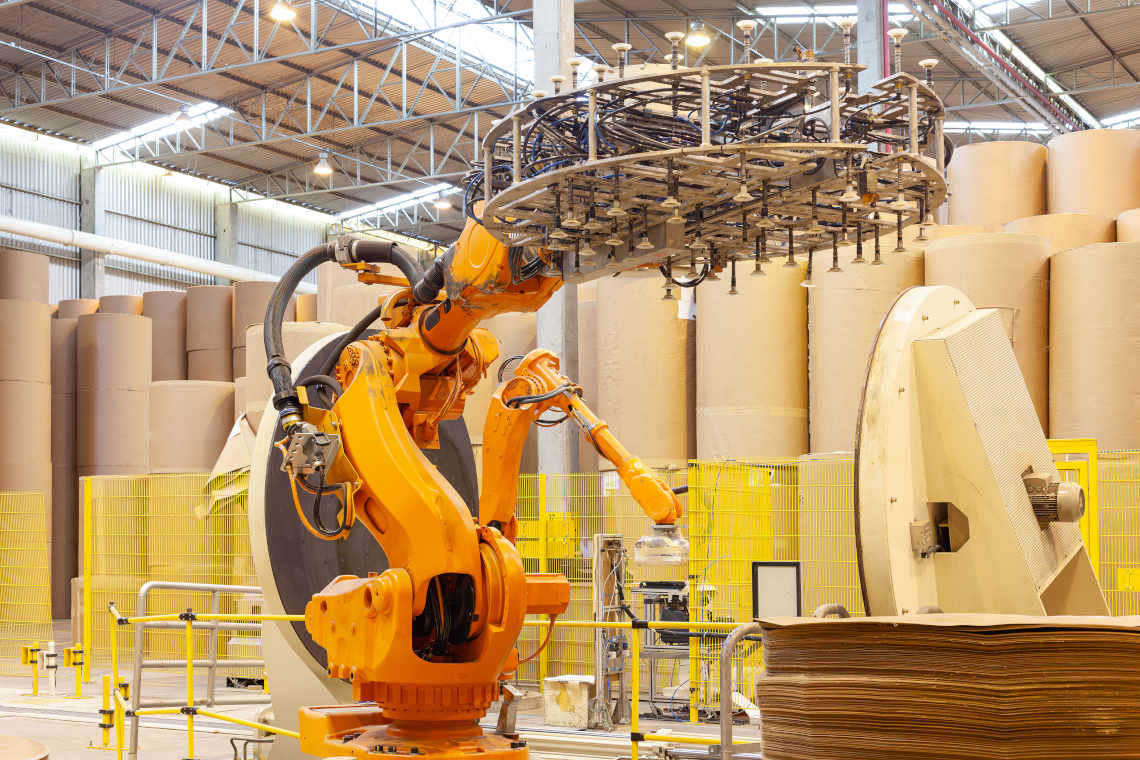
Raw materials automation and artificial intelligence consulting are leading a wave of change, offering innovative solutions that promise to redefine the extraction, processing, and distribution of raw materials. This shift towards technology-driven operations is reshaping the entire landscape of the raw materials industry into a smarter, more sustainable, and more efficient system.
Understanding Raw Materials Automation and Artificial Intelligence Consulting
Understanding raw materials automation and artificial intelligence consulting leverages the latest advancements in AI and automation to address the unique challenges faced by the raw materials sector, offering tailored solutions that enhance efficiency, sustainability, and safety.
Raw materials automation and artificial intelligence consulting streamline operations, reducing the reliance on manual labor, and minimizing human error, serving as a bridge between traditional industry practices and the future of digital transformation.
Importance of Raw Materials Automation and Artificial Intelligence Consulting
Raw materials automation and artificial intelligence consulting provide unparalleled insights into the logistics and supply chain operations of raw materials, enabling companies to optimize routes, reduce transportation costs, and minimize environmental impact.
Moreover, through the integration of AI and automation technologies, raw materials companies can significantly improve their operational efficiency. Automated machinery and AI-driven systems can perform tasks more quickly and accurately than human workers, from mining and extraction to processing and packaging
This consulting also plays a key role in promoting sustainable practices within the raw materials industry. By analyzing data on resource use, environmental impact, and waste generation, AI can help companies identify opportunities to reduce waste, recycle materials, and use resources more efficiently, contributing to the global effort to combat climate change.
What Are the Benefits of Raw Materials Automation and Artificial Intelligence Consulting?
The integration of automation and artificial intelligence into the raw materials sector through consulting services brings a host of benefits that can significantly transform operations, enhance decision-making, and promote sustainability. Here are some of the key advantages:
- Improved Safety and Risk Management: The implementation of AI and automation reduces the need for human presence in hazardous working conditions, thereby enhancing safety. Predictive analytics also play a crucial role in foreseeing potential equipment failures or operational risks, allowing for preemptive action to mitigate hazards.
- Enhanced Quality Control: Raw materials automation and artificial intelligence consulting ensure consistency and precision in the processing of raw materials, improving overall product quality. AI systems can also detect quality deviations in real-time, allowing for immediate corrections and reducing waste.
- Sustainability and Environmental Compliance: AI-driven analytics help identify opportunities to reduce energy consumption, minimize waste, and optimize resource use. This aids in achieving environmental compliance and also promotes sustainable practices that are increasingly demanded by consumers and regulators.
- Personalized Customer and Supplier Interactions: AI enables more personalized interactions with customers and suppliers by analyzing historical data to understand preferences and predict needs. This leads to improved customer satisfaction and more efficient supply chain management.
- Competitive Advantage: By leveraging raw materials automation and AI consulting, businesses can gain a significant competitive edge. The efficiencies, insights, and innovations enabled by these technologies set companies apart in a crowded and competitive market.
Who Uses Raw Materials Automation and Artificial Intelligence Consulting
Mining Companies are one of the largest consumers of raw materials automation and artificial intelligence consulting services. They utilize these technologies for mineral exploration, extraction optimization, and safety enhancements.
Agricultural Producers also leverage this consulting to optimize crop yields, manage resources more efficiently, and predict market demands. Similarly, Manufacturing Entities, ranging from metals to chemicals, rely on raw materials automation and AI consulting to streamline production processes, enhance quality control, and reduce waste. AI algorithms can forecast production needs, while automation ensures consistency and safety in manufacturing operations.
Moreover, Energy Sector Companies leverage raw materials automation and AI consulting for exploration activities, operational efficiency, and environmental monitoring, ensuring compliance with regulatory standards and promoting sustainability.
Lastly, Government and Regulatory Bodies utilize this consulting to monitor compliance, forecast industry trends, and develop policies that promote sustainable and efficient practices.
How Does Raw Materials Automation and Artificial Intelligence Consulting Differ from Traditional Market Research?
Unlike traditional market research, which often relies on historical data and periodic reports, raw materials automation and artificial intelligence consulting leverage real-time data collection and analysis. This enables businesses to make informed decisions quickly, responding to market changes, supply chain disruptions, or operational issues as they happen.
While traditional market research focuses primarily on market trends and consumer behavior, raw materials automation and artificial intelligence consulting target operational processes. By automating routine tasks and optimizing production workflows, businesses can achieve significant efficiency gains, reduce costs, and minimize human error.
Through the use of AI and automation, businesses gain a comprehensive view of their supply chain, enabling more effective management of logistics, inventory, and supplier relationships. Traditional market research may offer insights into supply chain dynamics but cannot automate and optimize these processes in real-time.
Current Trends in Raw Materials Automation and Artificial Intelligence Consulting
The landscape of raw materials automation and AI consulting is continuously evolving, driven by technological advancements and changing industry needs. Here are some current trends that are shaping the future of this field:
- Increased Focus on Sustainability: As global emphasis on environmental sustainability intensifies, there’s a growing trend towards using AI and automation to achieve greener operations. Businesses are leveraging these technologies to optimize resource use, reduce emissions, and comply with environmental regulations, integrating sustainability into their core operations.
- Integration of Internet of Things (IoT) Devices: The use of IoT devices in the raw materials sector is becoming increasingly prevalent. These devices collect vast amounts of data from various points in the supply chain, which, when analyzed by AI, can offer insights into operational efficiencies, predictive maintenance, and real-time monitoring of assets.
- Adoption of Autonomous Vehicles and Drones: In mining and agriculture, the use of autonomous vehicles and drones is on the rise. These technologies, combined with AI, improve the efficiency and safety of operations, from aerial surveys of mining sites to automated harvesting in agriculture.
- Custom AI Solutions for Specific Raw Materials: Tailored AI solutions are being developed to address the unique challenges of different raw materials. Whether it’s optimizing water usage in agriculture or enhancing ore extraction in mining, custom AI applications are providing targeted improvements in operations.
- Machine Learning for Quality Control: Machine learning algorithms are increasingly being used for quality control purposes. By analyzing images and sensor data, AI can identify defects or contaminants in raw materials, ensuring that only high-quality products move through the supply chain.
- Collaborative Robots (Cobots) in Manufacturing: The deployment of cobots in the processing of raw materials is enhancing productivity and safety. These robots work alongside humans, automating repetitive tasks and reducing the risk of injuries in hazardous environments.
Opportunities in Raw Materials Automation and Artificial Intelligence Consulting
Raw materials automation and AI consulting are paving the way for new business models and strategies – and here are some of the key opportunities that raw materials automation and AI consulting present:
- Predictive Maintenance: Utilizing AI to predict equipment failures before they occur can save significant resources and prevent downtime. This predictive maintenance ensures that operations run smoothly, extends the lifespan of machinery, and reduces repair costs.
- Quality Control: Advanced imaging and sensor technologies, combined with machine learning algorithms, can automate quality control processes. This ensures that raw materials and products meet stringent standards, reducing waste and enhancing customer satisfaction.
- Customized Product Offerings: AI enables the customization of products to meet specific customer requirements. By analyzing customer data and preferences, companies can offer personalized products and services, enhancing customer loyalty and opening new market segments.
- Workforce Development and Augmentation: Automation and AI are transforming the workforce by augmenting human capabilities and freeing workers from repetitive tasks. This shift allows employees to focus on higher-value activities, fostering innovation and skill development.