
About SIS International
SIS International offers Quantitative, Qualitative, and Strategy Research. We provide data, tools, strategies, reports, and insights for decision-making. We also conduct interviews, surveys, focus groups, and other Market Research methods and approaches. Contact us for your next Market Research project.
Marketing Consulting in Saudi Arabia
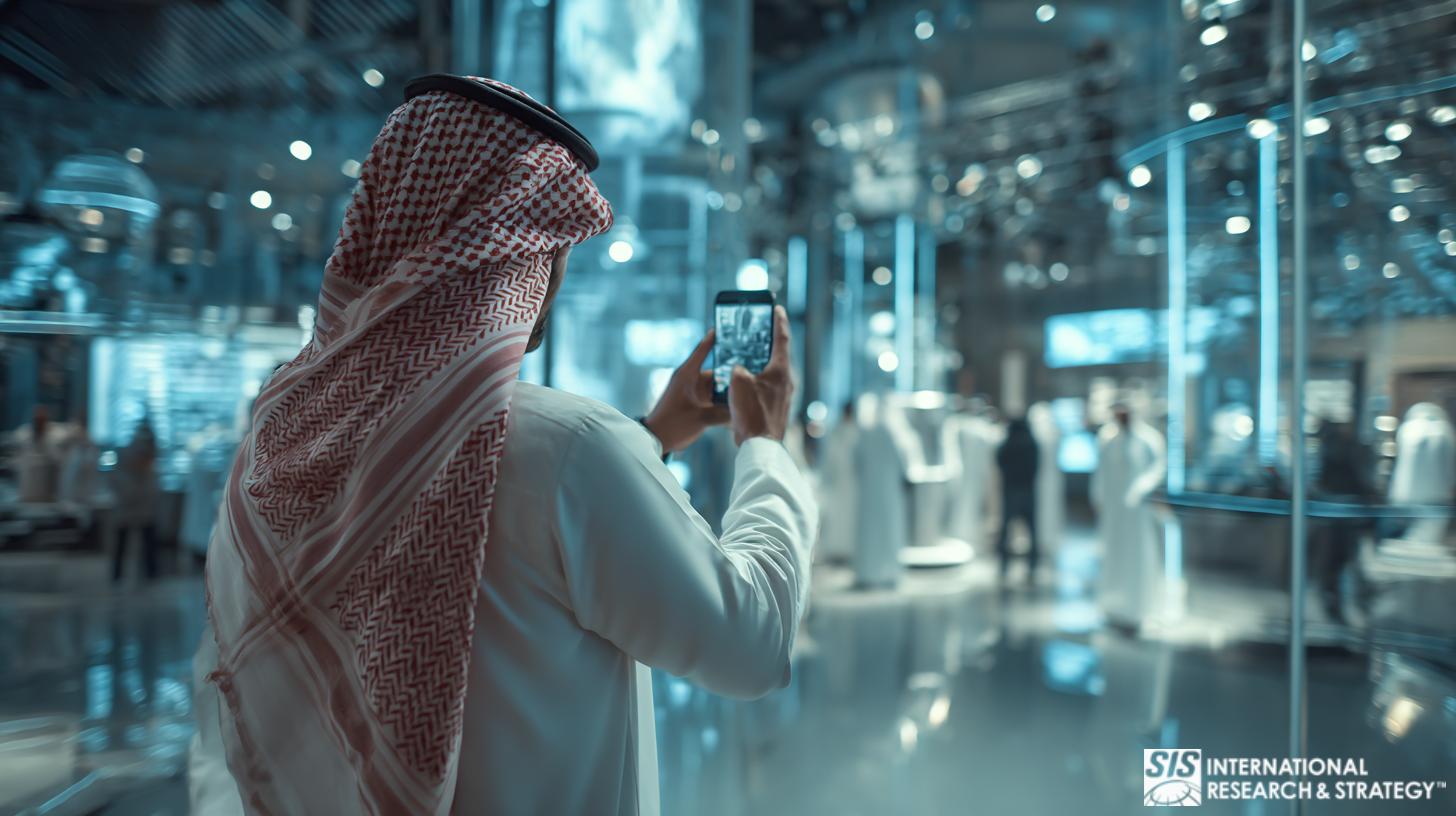
Marketing consulting in Saudi Arabia provides a roadmap for businesses to engage effectively with their audience, leveraging deep insights into the Saudi market. This approach is crucial in a kingdom rapidly embracing modernization and technological advancement under its Vision 2030 program.
The Kingdom presents a fertile ground for those versed in the art and science of marketing. However, navigating the nuances of this unique market requires a deep understanding of cultural sensitivities, regulatory frameworks, and consumer behavior. This is where marketing consulting in Saudi Arabia assumes pivotal significance.
Table of Contents
What Is Market Consulting in Saudi Arabia?
Marketing consulting in Saudi Arabia combines deep market insight with innovative strategies to help businesses achieve their goals. The role of a marketing consultant here goes beyond traditional marketing tactics: it involves understanding the cultural nuances, economic dynamics, and regulatory environment of Saudi Arabia.
Another critical aspect of marketing consulting in this region is the adaptation to Saudi Arabia’s rapid economic diversification under its Vision 2030. Therefore, consultants help businesses align with this vision, identifying new opportunities in emerging sectors, and advising on pivoting existing strategies to stay ahead in a transforming market.
Why Businesses Need Marketing Consulting in Saudi Arabia
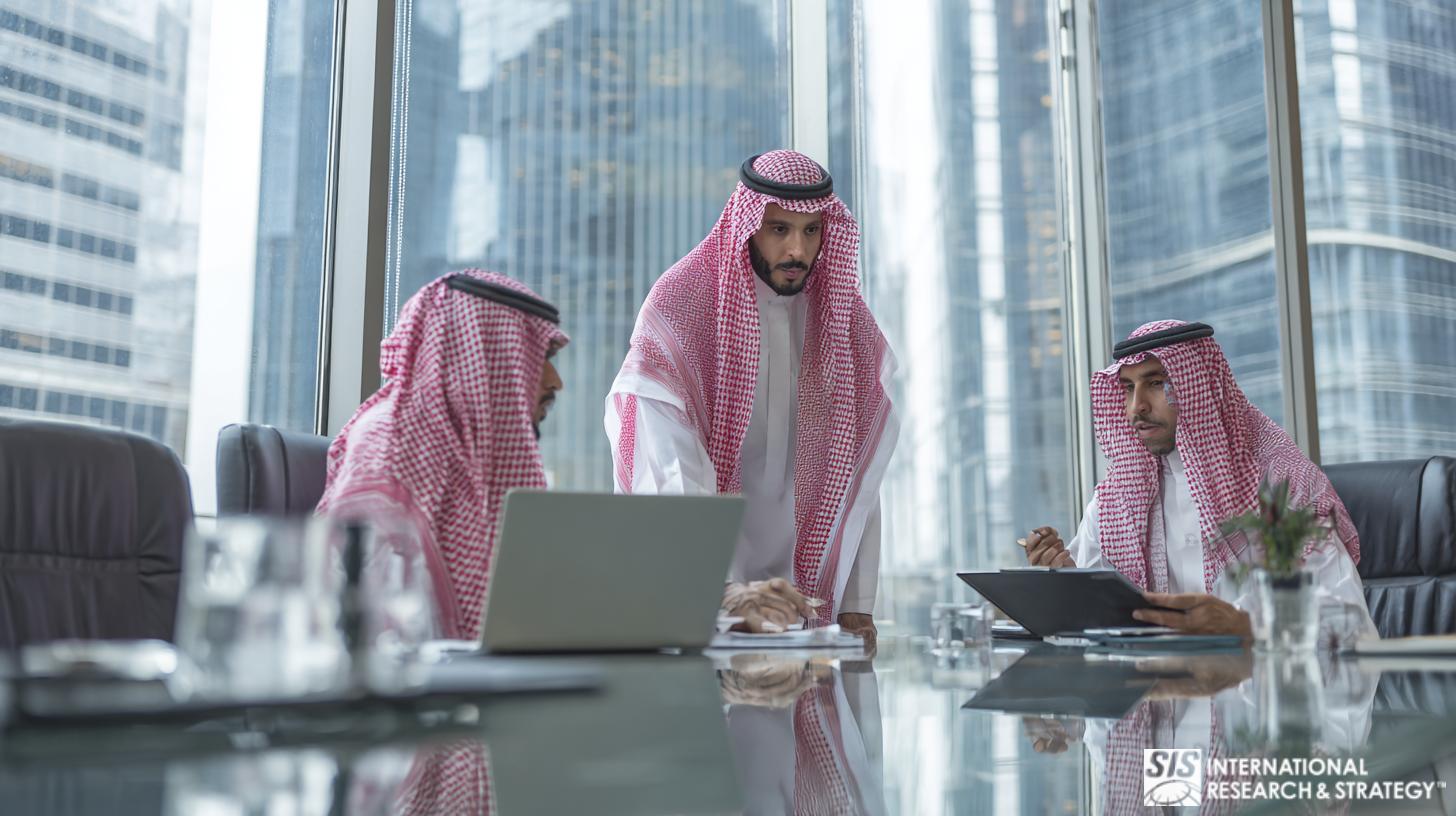
Marketing consulting in Saudi Arabia is vital for businesses to identify and capitalize on these emerging opportunities – and consultants offer expertise in market analysis, helping businesses understand where they can fit into this new economic landscape and how they can differentiate themselves from competitors.
Another crucial aspect is the regulatory environment in Saudi Arabia, which is complex for businesses, especially those new to the region. Marketing consultants help businesses navigate these regulations, ensuring compliance while effectively reaching out to the target audience. This is particularly important for international businesses that may not be familiar with local laws and cultural norms. However, this consulting service has many other potential benefits, including:
- In-depth Market Understanding: Marketing consulting in Saudi Arabia offers businesses a profound understanding of the local market dynamics.
- Strategic Planning and Positioning: Consultants assist businesses in strategic planning and positioning, ensuring that their marketing efforts align with the company’s goals and the market’s characteristics. This includes identifying the right channels, messaging, and approaches that will effectively reach and engage the target audience in Saudi Arabia.
- Digital Marketing Expertise: Marketing consultants offer expertise in digital strategies, helping businesses leverage online platforms to build brand awareness, engage with customers, and drive sales.
- Adaptation to Economic Diversification: As Saudi Arabia diversifies its economy, marketing consultants identify emerging opportunities in new sectors and advise on pivoting strategies to stay relevant and competitive in an evolving market.
- Competitive Analysis and Market Entry: Consultants provide competitive analysis and market entry strategies for businesses entering the Saudi market – or looking to expand their presence. They help businesses understand the competitive landscape and devise strategies to differentiate themselves and gain a competitive edge.
Who Uses Marketing Consulting in Saudi Arabia
Businesses of all sizes, from small and medium enterprises (SMEs) to multinational corporations, seek marketing consulting to refine their market positioning, develop targeted campaigns, and capitalize on evolving consumer trends. Entrepreneurs embarking on new ventures rely on marketing consultants to craft compelling brand narratives, identify target markets, and devise launch strategies that resonate with Saudi Arabian consumers.
Moreover, Government Agencies also utilize marketing consulting services to promote economic development, attract foreign investment, and drive tourism initiatives. By leveraging strategic marketing insights and communication strategies, government agencies aim to showcase Saudi Arabia’s diverse opportunities and cultural richness globally, fostering international partnerships and enhancing the nation’s reputation as a hub of innovation and growth.
When to Conduct Marketing Consulting in Saudi Arabia
Timing is everything, especially when engaging in marketing consulting. Therefore, understanding the right moment to seek expert guidance is crucial in unlocking a business’s potential in this unique market.
- Entering New Market Segments: When a business plans to enter new market segments within Saudi Arabia, consulting can provide critical insights into consumer preferences and market dynamics specific to those segments.
- Post-Merger or Acquisition: Businesses often need to reassess their marketing strategies following a merger or acquisition. Marketing consulting can provide insights into how best to position the new entity in the Saudi market, ensuring a smooth transition and maintaining customer loyalty.
- When Expanding Geographically: Marketing consulting is vital to understand different regions’ specific needs and preferences if a business expands its operations geographically within Saudi Arabia. This localized approach ensures more effective and resonant marketing efforts.
- In Response to Competitive Pressure: Businesses should engage in marketing consulting to refine their strategies when facing increased competitive pressure. This can provide a competitive edge by identifying unique value propositions and differentiating factors in the Saudi market.
- Before Launching New Products or Services: Before introducing new products or services in the Saudi market, consulting helps understand market readiness and consumer expectations.
Saudi Arabia: Economic and Digital Landscape for Marketing Consultants
| Indicator | Implications for Marketing Consulting |
|---|---|
| High Median Household Income | Suggests a large base of **affluent consumers** with high disposable income, driving demand for premium and luxury brands. |
| Digital Ad Expenditure | Significant investment and rapid shift of budget from traditional to **digital platforms (Social, Video, Search)**, requiring specialized digital consulting expertise. |
| Social Commerce Adoption | High rates of purchases made directly through social media channels, necessitating **integrated social commerce strategies** and influencer marketing consulting. |
| Focus on Economic Diversification (Vision 2030) | New, emerging sectors (Tourism, Entertainment, Non-Oil Manufacturing) require consulting on **market entry, brand localization, and targeted B2B/B2C strategies**. |
| Youthful Demographics | A large population under 30 drives demand for **mobile-first, trend-aware, and culturally sensitive** marketing campaigns. |
Source: Data compiled from World Bank, Statista (for digital consumption metrics), and official Saudi government reports.
How Does Marketing Consulting in Saudi Arabia Differ from Traditional Market Research in Other Regions?
Traditional market research provides a comprehensive understanding of market trends, consumer behavior, and competitive landscapes. However, marketing consulting in Saudi Arabia leverages these insights to formulate specific strategies that align with a business’s objectives and the nuances of the Saudi market.
Another difference lies in the level of customization and ongoing support. Marketing consulting offers tailored advice and strategies based on a deep understanding of a business’s unique challenges and goals. Consultants work closely with businesses to implement these strategies, providing ongoing support and adjustments as needed.
Moreover, marketing consulting in Saudi Arabia is more dynamic and adaptable to changing market conditions. Consultants keep abreast of the latest trends, regulatory changes, and economic shifts, particularly relevant in the rapidly evolving Saudi market. They help businesses pivot their strategies in response to these changes, ensuring sustained relevance and effectiveness.
Tourism in Saudi Arabia

Saudi Arabia, a land of rich history and diverse landscapes, offers a plethora of breathtaking and culturally significant tourist attractions, including:
- Riyadh: The capital city, Riyadh, blends modernity and tradition. Key attractions include the Al Masmak Fortress, the National Museum, bustling traditional markets, modern shopping malls, and skyscrapers.
- Jeddah: Known as the gateway to Mecca, Jeddah is famous for its Red Sea coastline, historic Al-Balad district with its traditional homes, and the Jeddah Corniche, a coastal resort area with beaches and waterfront cafes.
- Mecca and Medina: These holy cities are the heart of Islam, attracting millions of pilgrims annually. While access is limited to Muslims, the cities are significant for their religious and cultural importance.
- The Red Sea: Renowned for its beautiful coral reefs and marine life, the Red Sea offers excellent diving and snorkeling opportunities, particularly around the cities of Jeddah and Yanbu.
- Asir National Park: Located in the southwest of Saudi Arabia, this park is famous for its scenic beauty, mountainous landscapes, and rich biodiversity, which contrast with the country’s desert terrain.
Industries
In Saudi Arabia’s diverse economy, specific industry segments stand out as leaders, driving economic growth, innovation, and employment opportunities. Understanding these leading segments is essential for businesses and investors seeking to capitalize on the Kingdom’s market potential and identify strategic opportunities for growth and investment.
- Oil and Gas: The oil and gas industry remains a cornerstone of Saudi Arabia’s economy, accounting for a significant share of GDP, government revenues, and export earnings. As the world’s largest oil exporter, Saudi Arabia possesses vast reserves of crude oil and natural gas, making it a key player in the global energy market.
- Petrochemicals: Building on its abundant hydrocarbon resources, Saudi Arabia has emerged as a leading producer and exporter of petrochemical products, including plastics, fertilizers, and industrial chemicals. With integrated petrochemical complexes and advanced manufacturing capabilities, the Kingdom’s petrochemical industry contributes significantly to economic diversification, job creation, and value-added exports.
- Finance and Banking: The finance and banking sector is pivotal in Saudi Arabia’s economic development, providing essential financial services, capital allocation, and investment opportunities to businesses and individuals. With a well-established banking infrastructure, regulatory framework, and growing Islamic finance industry, Saudi Arabia offers a conducive environment for domestic and international banks to operate and expand their presence.
- Construction and Infrastructure: The construction and infrastructure sector is a key driver of economic growth and development in Saudi Arabia, fueled by government-led investments in mega-projects, urban development, and transportation infrastructure. With ambitious initiatives such as NEOM, the Red Sea Project, and Riyadh Metro, the Kingdom is undertaking large-scale infrastructure projects to diversify the economy, create job opportunities, and improve the quality of life for its citizens.
- Healthcare and Pharmaceuticals: With a growing population, rising healthcare spending, and increasing demand for quality healthcare services, the Kingdom’s healthcare sector is undergoing significant expansion and modernization. Saudi Arabia’s Vision 2030 prioritizes healthcare sector development, including investments in healthcare infrastructure, technology adoption, and talent development, to meet the evolving needs of its population and enhance healthcare outcomes.
Key Target Audience

Identifying the key target audience is essential for effective marketing strategies and campaigns in Saudi Arabia. Understanding the target audience’s demographics, preferences, and behaviors enables businesses to tailor their messaging, products, and services to resonate effectively with Saudi Arabian consumers.
- Young Population: Saudi Arabia is predominantly young, with a significant percentage under 30. Targeting millennials and Generation Z consumers who are tech-savvy, digitally connected, and open to new experiences is crucial for businesses operating in technology, fashion, entertainment, and consumer goods.
- Urban Professionals: Saudi Arabia’s urban centers, including Riyadh, Jeddah, and Dammam, are home to a diverse population of urban professionals, expatriates, and affluent residents. Targeting urban professionals with disposable incomes and sophisticated tastes presents opportunities for businesses in luxury retail, gourmet dining, lifestyle services, and premium experiences.
- Female Consumers: With recent social and economic reforms aimed at empowering women and increasing their participation in the workforce, Saudi Arabia’s female population represents a growing and influential consumer segment. Targeting female consumers with products, services, and marketing initiatives that cater to their needs, preferences, and aspirations can unlock significant growth opportunities for businesses in the beauty, fashion, healthcare, and education sectors.
- Digital Natives: Saudi Arabia has one of the highest internet penetration rates in the Middle East, with a large percentage of the population accessing the internet and social media platforms daily. Targeting digital natives who are active users of social media, e-commerce platforms, and mobile apps presents opportunities for businesses to reach and engage with Saudi Arabian consumers effectively.
- Family-Oriented Consumers: Targeting family-oriented consumers with products, services, and experiences that cater to family needs, values, and aspirations can resonate strongly with Saudi Arabian households. Businesses in retail, leisure, education, and healthcare sectors can appeal to family-oriented consumers by offering family-friendly amenities, discounts, and promotions that foster bonding and create memorable family experiences.
Expected Results from SIS International’s Marketing Consulting in Saudi Arabia
In engaging SIS International’s marketing consulting services in Saudi Arabia, clients can anticipate various outcomes tailored to their business objectives and market challenges. Here are some expected results that clients can derive from partnering with SIS International:
- Strategic Market Insights: SIS delivers comprehensive market insights and intelligence to clients, enabling them to better understand the Saudi Arabian market landscape, consumer behavior trends, and competitive dynamics.
- Customized Marketing Strategies: SIS International collaborates closely with clients to develop customized marketing strategies and plans aligned with their business goals, target audience preferences, and market opportunities in Saudi Arabia.
- Effective Market Entry and Expansion: SIS offers strategic guidance and support throughout the market entry process for businesses seeking to enter or expand in the Saudi Arabian market.
- Brand Localization and Cultural Adaptation: SIS International assists clients in localizing their brands and marketing initiatives to effectively resonate with Saudi Arabian consumers’ cultural nuances, preferences, and sensitivities.
- Measurable Results and Performance Tracking: Our experts employ robust measurement and tracking methodologies to evaluate the effectiveness and impact of clients’ marketing initiatives in Saudi Arabia.
Opportunities in Marketing Consulting in Saudi Arabia for Businesses
- Digital Transformation: With a high rate of digital adoption among the population, there is a significant opportunity for businesses to leverage digital marketing. Consultants can guide in exploiting online platforms, social media, and e-commerce, tapping into the tech-savvy Saudi audience.
- Growing Consumer Market: The kingdom’s growing consumer market presents business opportunities in retail, luxury goods, and consumer services. Marketing consulting in Saudi Arabia can help tap into these consumer segments effectively.
- Government Initiatives and Investments: Saudi Arabia’s government initiatives and investments in infrastructure, tourism, and technology create a favorable business environment. Marketing consultants can help in aligning business strategies with these government-led developments.
- Cultural Adaptation: As the Saudi market is deeply rooted in its culture and traditions, there’s an opportunity for businesses to tailor their marketing strategies to resonate culturally. Consultants can aid in developing culturally sensitive and appealing marketing campaigns.
- Brand Localization: International businesses have a significant opportunity to localize brands to fit the Saudi market. Marketing consulting in Saudi Arabia can provide insights into consumer preferences and help adapt branding and messaging to the local context.
Challenges in Marketing Consulting in Saudi Arabia for Businesses
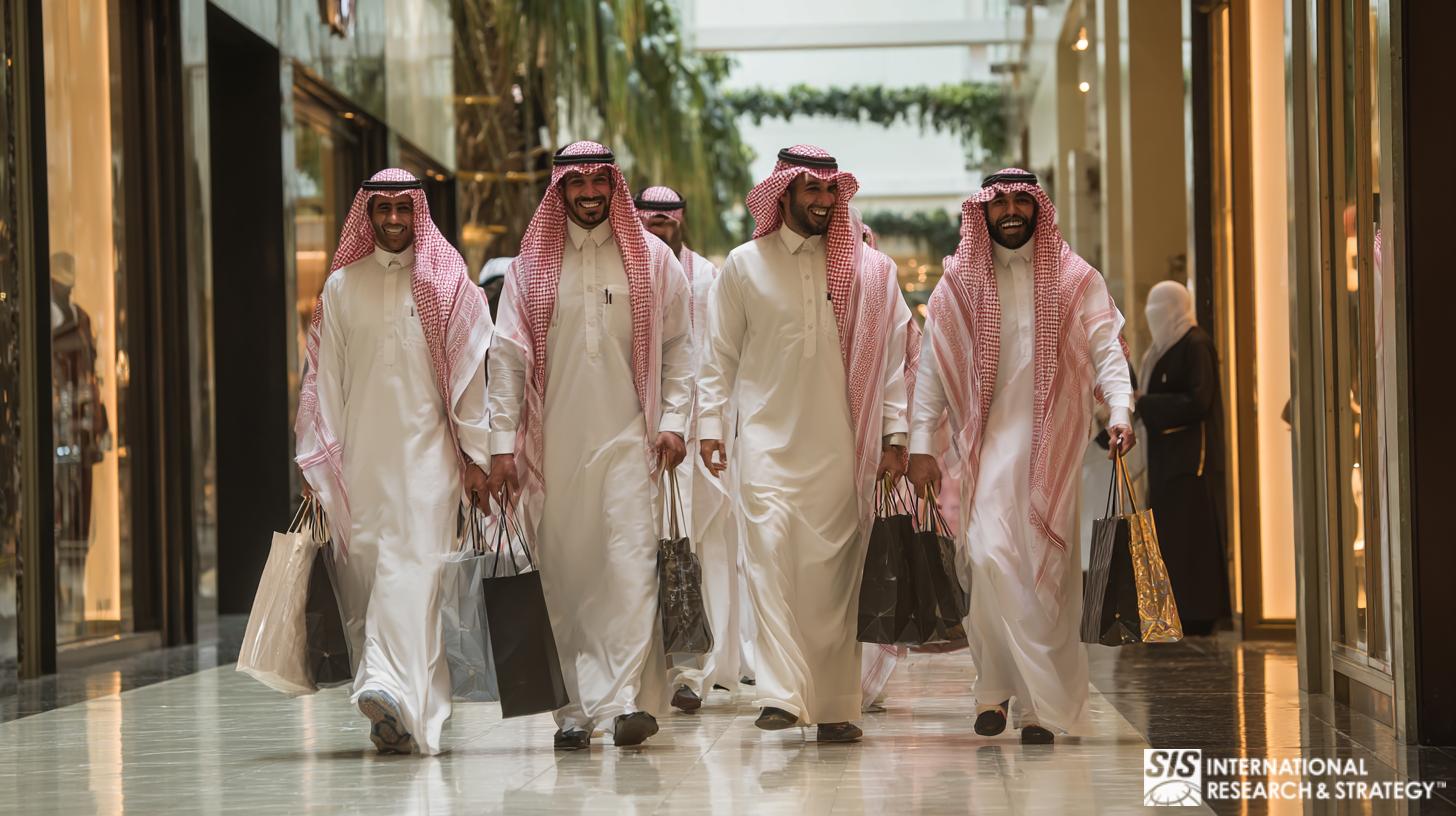
- Cultural and Regulatory Compliance: Navigating the complex cultural norms and regulatory environment in Saudi Arabia can be challenging. Ensuring that marketing strategies are culturally appropriate and comply with local laws is crucial, which requires specific regional knowledge and expertise.
- Rapidly Changing Market Dynamics: The Saudi market is evolving rapidly — and keeping up with these fast-paced changes and adapting marketing strategies accordingly can be a significant challenge for businesses.
- High-Competition Environment: While digital marketing offers vast opportunities, the highly competitive landscape makes it challenging to stand out.
- Understanding Diverse Consumer Segments: The Saudi market comprises diverse demographic and psychographic consumer segments. So, it is complex to develop marketing strategies that effectively appeal to these varied segments (each with its preferences and behaviors).
- Balancing Global Trends with Local Preferences: Balancing global marketing trends with local preferences and nuances is a key challenge for international businesses. Striking the right balance between global brand identity and local adaptation is essential for success.
Industry Attractiveness: Porter’s Five Forces Analysis
Analyzing the industry attractiveness using Porter’s Five Forces framework provides valuable insights into the competitive dynamics, market structure, and profitability potential of different sectors in Saudi Arabia.
- Threat of New Entrants: In many sectors of the Saudi Arabian economy, the threat of new entrants is moderated by barriers to entry, such as regulatory requirements, capital intensity, and economies of scale. Industries such as oil and gas, petrochemicals, and banking require significant upfront investment and technical expertise, making it challenging for new players to enter and compete. However, the technology, e-commerce, and entrepreneurship sectors are witnessing increased interest from startups and innovative ventures, driven by government support for innovation and entrepreneurship initiatives.
- Bargaining Power of Suppliers: The bargaining power of suppliers varies across industries in Saudi Arabia, depending on factors such as supplier concentration, product differentiation, and switching costs. In sectors with a limited number of suppliers or high dependency on specific inputs, suppliers may wield significant bargaining power, influencing prices and terms of trade. Industries such as construction, manufacturing, and logistics may experience pressure from suppliers due to raw material availability. In contrast, sectors with diverse and competitive supplier bases, such as retail and consumer goods, may have more balanced supplier relationships.
- Bargaining Power of Buyers: Saudi Arabia’s consumer market is characterized by diverse consumer preferences, brand loyalty, and price sensitivity, influencing the bargaining power of buyers across different industries. In the retail, consumer goods, and hospitality sectors, buyers have significant power due to their ability to switch brands, compare prices, and demand value-added services. However, buyers may have less bargaining power in industries with high switching costs or limited alternatives such as healthcare and utilities, leading to more stable pricing and customer relationships.
- Threat of Substitutes: The threat of substitutes poses challenges for businesses in Saudi Arabia, particularly in sectors where alternative products or services offer comparable value or performance. In telecommunications, transportation, and entertainment industries, technological advancements and changing consumer preferences drive the proliferation of substitutes, leading to increased competition and price pressure. Businesses must innovate continuously and differentiate their offerings to mitigate the threat of substitutes and maintain market relevance.
- Competitive Rivalry: Competitive rivalry is intense in many sectors of the Saudi Arabian economy, driven by market concentration, product differentiation, and aggressive marketing strategies. Industries such as retail, telecommunications, and consumer electronics are characterized by fierce competition among established players vying for market share and consumer attention. Businesses must differentiate their offerings, invest in branding and customer experience, and leverage strategic partnerships to gain a competitive edge and sustain profitability in highly competitive markets.
How SIS International’s Marketing Consulting Services Help Businesses

SIS International offers comprehensive marketing consulting services tailored to the specific needs and objectives of businesses operating in Saudi Arabia. By leveraging industry expertise, market insights, and strategic methodologies, SIS empowers clients to navigate the complexities of the Saudi Arabian market, capitalize on growth opportunities, and achieve sustainable business success.
- Strategic Market Entry Planning: We assist businesses in developing strategic market entry plans tailored to the unique characteristics of the Saudi Arabian market. Through market research, competitive analysis, and feasibility studies, SIS helps clients assess market potential, identify entry barriers, and formulate entry strategies that align with their business goals and objectives.
- Market Research and Insights: SIS International conducts in-depth market research and analysis to provide clients with valuable insights into consumer preferences, market trends, and competitive dynamics in Saudi Arabia. Our experts help clients understand market demand, assess customer needs, and identify growth opportunities in key sectors through quantitative surveys, qualitative interviews, and data analytics.
- Strategic Partnerships and Business Development: SIS facilitates strategic partnerships and business development opportunities for clients seeking to expand their presence in Saudi Arabia. We connect clients with potential collaborators, distributors, and stakeholders in the Saudi Arabian market by leveraging its extensive network of industry contacts, government agencies, and local partners.
- Regulatory Compliance and Risk Management: SIS assists businesses in navigating regulatory requirements, compliance procedures, and risk management challenges in the Saudi Arabian market. Through regulatory analysis, legal counsel, and risk assessments, we help clients understand and comply with local regulations, licensing requirements, and business practices.
- Customized Marketing Strategies: SIS develops customized marketing strategies and campaigns tailored to Saudi Arabian consumers’ unique needs and preferences. By conducting market segmentation, brand positioning, and messaging analysis, SIS helps clients identify target audiences, craft compelling marketing messages, and optimize media channels for maximum reach and impact.
Our Facility Location in New York
11 E 22nd Street, Floor 2, New York, NY 10010 T: +1(212) 505-6805
About SIS International
SIS International offers Quantitative, Qualitative, and Strategy Research. We provide data, tools, strategies, reports, and insights for decision-making. We also conduct interviews, surveys, focus groups, and other Market Research methods and approaches. Contact us for your next Market Research project.
Marketing Consulting in Saudi Arabia
Marketing consulting in Saudi Arabia provides a roadmap for businesses to engage effectively with their audience, leveraging deep insights into the Saudi market. This approach is crucial in a kingdom rapidly embracing modernization and technological advancement under its Vision 2030 program.
The Kingdom presents a fertile ground for those versed in the art and science of marketing. However, navigating the nuances of this unique market requires a deep understanding of cultural sensitivities, regulatory frameworks, and consumer behavior. This is where marketing consulting in Saudi Arabia assumes pivotal significance.
Table of Contents
What Is Market Consulting in Saudi Arabia?
Marketing consulting in Saudi Arabia combines deep market insight with innovative strategies to help businesses achieve their goals. The role of a marketing consultant here goes beyond traditional marketing tactics: it involves understanding the cultural nuances, economic dynamics, and regulatory environment of Saudi Arabia.
Another critical aspect of marketing consulting in this region is the adaptation to Saudi Arabia’s rapid economic diversification under its Vision 2030. Therefore, consultants help businesses align with this vision, identifying new opportunities in emerging sectors, and advising on pivoting existing strategies to stay ahead in a transforming market.
Why Businesses Need Marketing Consulting in Saudi Arabia
Marketing consulting in Saudi Arabia is vital for businesses to identify and capitalize on these emerging opportunities – and consultants offer expertise in market analysis, helping businesses understand where they can fit into this new economic landscape and how they can differentiate themselves from competitors.
Another crucial aspect is the regulatory environment in Saudi Arabia, which is complex for businesses, especially those new to the region. Marketing consultants help businesses navigate these regulations, ensuring compliance while effectively reaching out to the target audience. This is particularly important for international businesses that may not be familiar with local laws and cultural norms. However, this consulting service has many other potential benefits, including:
- In-depth Market Understanding: Marketing consulting in Saudi Arabia offers businesses a profound understanding of the local market dynamics.
- Strategic Planning and Positioning: Consultants assist businesses in strategic planning and positioning, ensuring that their marketing efforts align with the company’s goals and the market’s characteristics. This includes identifying the right channels, messaging, and approaches that will effectively reach and engage the target audience in Saudi Arabia.
- Digital Marketing Expertise: Marketing consultants offer expertise in digital strategies, helping businesses leverage online platforms to build brand awareness, engage with customers, and drive sales.
- Adaptation to Economic Diversification: As Saudi Arabia diversifies its economy, marketing consultants identify emerging opportunities in new sectors and advise on pivoting strategies to stay relevant and competitive in an evolving market.
- Competitive Analysis and Market Entry: Consultants provide competitive analysis and market entry strategies for businesses entering the Saudi market – or looking to expand their presence. They help businesses understand the competitive landscape and devise strategies to differentiate themselves and gain a competitive edge.
Who Uses Marketing Consulting in Saudi Arabia
Businesses of all sizes, from small and medium enterprises (SMEs) to multinational corporations, seek marketing consulting to refine their market positioning, develop targeted campaigns, and capitalize on evolving consumer trends. Entrepreneurs embarking on new ventures rely on marketing consultants to craft compelling brand narratives, identify target markets, and devise launch strategies that resonate with Saudi Arabian consumers.
Moreover, Government Agencies also utilize marketing consulting services to promote economic development, attract foreign investment, and drive tourism initiatives. By leveraging strategic marketing insights and communication strategies, government agencies aim to showcase Saudi Arabia’s diverse opportunities and cultural richness globally, fostering international partnerships and enhancing the nation’s reputation as a hub of innovation and growth.
When to Conduct Marketing Consulting in Saudi Arabia
Timing is everything, especially when engaging in marketing consulting. Therefore, understanding the right moment to seek expert guidance is crucial in unlocking a business’s potential in this unique market.
- Entering New Market Segments: When a business plans to enter new market segments within Saudi Arabia, consulting can provide critical insights into consumer preferences and market dynamics specific to those segments.
- Post-Merger or Acquisition: Businesses often need to reassess their marketing strategies following a merger or acquisition. Marketing consulting can provide insights into how best to position the new entity in the Saudi market, ensuring a smooth transition and maintaining customer loyalty.
- When Expanding Geographically: Marketing consulting is vital to understand different regions’ specific needs and preferences if a business expands its operations geographically within Saudi Arabia. This localized approach ensures more effective and resonant marketing efforts.
- In Response to Competitive Pressure: Businesses should engage in marketing consulting to refine their strategies when facing increased competitive pressure. This can provide a competitive edge by identifying unique value propositions and differentiating factors in the Saudi market.
- Before Launching New Products or Services: Before introducing new products or services in the Saudi market, consulting helps understand market readiness and consumer expectations.
Saudi Arabia: Economic and Digital Landscape for Marketing Consultants
| Indicator | Implications for Marketing Consulting |
|---|---|
| High Median Household Income | Suggests a large base of **affluent consumers** with high disposable income, driving demand for premium and luxury brands. |
| Digital Ad Expenditure | Significant investment and rapid shift of budget from traditional to **digital platforms (Social, Video, Search)**, requiring specialized digital consulting expertise. |
| Social Commerce Adoption | High rates of purchases made directly through social media channels, necessitating **integrated social commerce strategies** and influencer marketing consulting. |
| Focus on Economic Diversification (Vision 2030) | New, emerging sectors (Tourism, Entertainment, Non-Oil Manufacturing) require consulting on **market entry, brand localization, and targeted B2B/B2C strategies**. |
| Youthful Demographics | A large population under 30 drives demand for **mobile-first, trend-aware, and culturally sensitive** marketing campaigns. |
Source: Data compiled from World Bank, Statista (for digital consumption metrics), and official Saudi government reports.
How Does Marketing Consulting in Saudi Arabia Differ from Traditional Market Research in Other Regions?
Traditional market research provides a comprehensive understanding of market trends, consumer behavior, and competitive landscapes. However, marketing consulting in Saudi Arabia leverages these insights to formulate specific strategies that align with a business’s objectives and the nuances of the Saudi market.
Another difference lies in the level of customization and ongoing support. Marketing consulting offers tailored advice and strategies based on a deep understanding of a business’s unique challenges and goals. Consultants work closely with businesses to implement these strategies, providing ongoing support and adjustments as needed.
Moreover, marketing consulting in Saudi Arabia is more dynamic and adaptable to changing market conditions. Consultants keep abreast of the latest trends, regulatory changes, and economic shifts, particularly relevant in the rapidly evolving Saudi market. They help businesses pivot their strategies in response to these changes, ensuring sustained relevance and effectiveness.
Tourism in Saudi Arabia
Saudi Arabia, a land of rich history and diverse landscapes, offers a plethora of breathtaking and culturally significant tourist attractions, including:
- Riyadh: The capital city, Riyadh, blends modernity and tradition. Key attractions include the Al Masmak Fortress, the National Museum, bustling traditional markets, modern shopping malls, and skyscrapers.
- Jeddah: Known as the gateway to Mecca, Jeddah is famous for its Red Sea coastline, historic Al-Balad district with its traditional homes, and the Jeddah Corniche, a coastal resort area with beaches and waterfront cafes.
- Mecca and Medina: These holy cities are the heart of Islam, attracting millions of pilgrims annually. While access is limited to Muslims, the cities are significant for their religious and cultural importance.
- The Red Sea: Renowned for its beautiful coral reefs and marine life, the Red Sea offers excellent diving and snorkeling opportunities, particularly around the cities of Jeddah and Yanbu.
- Asir National Park: Located in the southwest of Saudi Arabia, this park is famous for its scenic beauty, mountainous landscapes, and rich biodiversity, which contrast with the country’s desert terrain.
Industries
In Saudi Arabia’s diverse economy, specific industry segments stand out as leaders, driving economic growth, innovation, and employment opportunities. Understanding these leading segments is essential for businesses and investors seeking to capitalize on the Kingdom’s market potential and identify strategic opportunities for growth and investment.
- Oil and Gas: The oil and gas industry remains a cornerstone of Saudi Arabia’s economy, accounting for a significant share of GDP, government revenues, and export earnings. As the world’s largest oil exporter, Saudi Arabia possesses vast reserves of crude oil and natural gas, making it a key player in the global energy market.
- Petrochemicals: Building on its abundant hydrocarbon resources, Saudi Arabia has emerged as a leading producer and exporter of petrochemical products, including plastics, fertilizers, and industrial chemicals. With integrated petrochemical complexes and advanced manufacturing capabilities, the Kingdom’s petrochemical industry contributes significantly to economic diversification, job creation, and value-added exports.
- Finance and Banking: The finance and banking sector is pivotal in Saudi Arabia’s economic development, providing essential financial services, capital allocation, and investment opportunities to businesses and individuals. With a well-established banking infrastructure, regulatory framework, and growing Islamic finance industry, Saudi Arabia offers a conducive environment for domestic and international banks to operate and expand their presence.
- Construction and Infrastructure: The construction and infrastructure sector is a key driver of economic growth and development in Saudi Arabia, fueled by government-led investments in mega-projects, urban development, and transportation infrastructure. With ambitious initiatives such as NEOM, the Red Sea Project, and Riyadh Metro, the Kingdom is undertaking large-scale infrastructure projects to diversify the economy, create job opportunities, and improve the quality of life for its citizens.
- Healthcare and Pharmaceuticals: With a growing population, rising healthcare spending, and increasing demand for quality healthcare services, the Kingdom’s healthcare sector is undergoing significant expansion and modernization. Saudi Arabia’s Vision 2030 prioritizes healthcare sector development, including investments in healthcare infrastructure, technology adoption, and talent development, to meet the evolving needs of its population and enhance healthcare outcomes.
Key Target Audience
Identifying the key target audience is essential for effective marketing strategies and campaigns in Saudi Arabia. Understanding the target audience’s demographics, preferences, and behaviors enables businesses to tailor their messaging, products, and services to resonate effectively with Saudi Arabian consumers.
- Young Population: Saudi Arabia is predominantly young, with a significant percentage under 30. Targeting millennials and Generation Z consumers who are tech-savvy, digitally connected, and open to new experiences is crucial for businesses operating in technology, fashion, entertainment, and consumer goods.
- Urban Professionals: Saudi Arabia’s urban centers, including Riyadh, Jeddah, and Dammam, are home to a diverse population of urban professionals, expatriates, and affluent residents. Targeting urban professionals with disposable incomes and sophisticated tastes presents opportunities for businesses in luxury retail, gourmet dining, lifestyle services, and premium experiences.
- Female Consumers: With recent social and economic reforms aimed at empowering women and increasing their participation in the workforce, Saudi Arabia’s female population represents a growing and influential consumer segment. Targeting female consumers with products, services, and marketing initiatives that cater to their needs, preferences, and aspirations can unlock significant growth opportunities for businesses in the beauty, fashion, healthcare, and education sectors.
- Digital Natives: Saudi Arabia has one of the highest internet penetration rates in the Middle East, with a large percentage of the population accessing the internet and social media platforms daily. Targeting digital natives who are active users of social media, e-commerce platforms, and mobile apps presents opportunities for businesses to reach and engage with Saudi Arabian consumers effectively.
- Family-Oriented Consumers: Targeting family-oriented consumers with products, services, and experiences that cater to family needs, values, and aspirations can resonate strongly with Saudi Arabian households. Businesses in retail, leisure, education, and healthcare sectors can appeal to family-oriented consumers by offering family-friendly amenities, discounts, and promotions that foster bonding and create memorable family experiences.
Expected Results from SIS International’s Marketing Consulting in Saudi Arabia
In engaging SIS International’s marketing consulting services in Saudi Arabia, clients can anticipate various outcomes tailored to their business objectives and market challenges. Here are some expected results that clients can derive from partnering with SIS International:
- Strategic Market Insights: SIS delivers comprehensive market insights and intelligence to clients, enabling them to better understand the Saudi Arabian market landscape, consumer behavior trends, and competitive dynamics.
- Customized Marketing Strategies: SIS International collaborates closely with clients to develop customized marketing strategies and plans aligned with their business goals, target audience preferences, and market opportunities in Saudi Arabia.
- Effective Market Entry and Expansion: SIS offers strategic guidance and support throughout the market entry process for businesses seeking to enter or expand in the Saudi Arabian market.
- Brand Localization and Cultural Adaptation: SIS International assists clients in localizing their brands and marketing initiatives to effectively resonate with Saudi Arabian consumers’ cultural nuances, preferences, and sensitivities.
- Measurable Results and Performance Tracking: Our experts employ robust measurement and tracking methodologies to evaluate the effectiveness and impact of clients’ marketing initiatives in Saudi Arabia.
Opportunities in Marketing Consulting in Saudi Arabia for Businesses
- Digital Transformation: With a high rate of digital adoption among the population, there is a significant opportunity for businesses to leverage digital marketing. Consultants can guide in exploiting online platforms, social media, and e-commerce, tapping into the tech-savvy Saudi audience.
- Growing Consumer Market: The kingdom’s growing consumer market presents business opportunities in retail, luxury goods, and consumer services. Marketing consulting in Saudi Arabia can help tap into these consumer segments effectively.
- Government Initiatives and Investments: Saudi Arabia’s government initiatives and investments in infrastructure, tourism, and technology create a favorable business environment. Marketing consultants can help in aligning business strategies with these government-led developments.
- Cultural Adaptation: As the Saudi market is deeply rooted in its culture and traditions, there’s an opportunity for businesses to tailor their marketing strategies to resonate culturally. Consultants can aid in developing culturally sensitive and appealing marketing campaigns.
- Brand Localization: International businesses have a significant opportunity to localize brands to fit the Saudi market. Marketing consulting in Saudi Arabia can provide insights into consumer preferences and help adapt branding and messaging to the local context.
Challenges in Marketing Consulting in Saudi Arabia for Businesses
- Cultural and Regulatory Compliance: Navigating the complex cultural norms and regulatory environment in Saudi Arabia can be challenging. Ensuring that marketing strategies are culturally appropriate and comply with local laws is crucial, which requires specific regional knowledge and expertise.
- Rapidly Changing Market Dynamics: The Saudi market is evolving rapidly — and keeping up with these fast-paced changes and adapting marketing strategies accordingly can be a significant challenge for businesses.
- High-Competition Environment: While digital marketing offers vast opportunities, the highly competitive landscape makes it challenging to stand out.
- Understanding Diverse Consumer Segments: The Saudi market comprises diverse demographic and psychographic consumer segments. So, it is complex to develop marketing strategies that effectively appeal to these varied segments (each with its preferences and behaviors).
- Balancing Global Trends with Local Preferences: Balancing global marketing trends with local preferences and nuances is a key challenge for international businesses. Striking the right balance between global brand identity and local adaptation is essential for success.
Industry Attractiveness: Porter’s Five Forces Analysis
Analyzing the industry attractiveness using Porter’s Five Forces framework provides valuable insights into the competitive dynamics, market structure, and profitability potential of different sectors in Saudi Arabia.
- Threat of New Entrants: In many sectors of the Saudi Arabian economy, the threat of new entrants is moderated by barriers to entry, such as regulatory requirements, capital intensity, and economies of scale. Industries such as oil and gas, petrochemicals, and banking require significant upfront investment and technical expertise, making it challenging for new players to enter and compete. However, the technology, e-commerce, and entrepreneurship sectors are witnessing increased interest from startups and innovative ventures, driven by government support for innovation and entrepreneurship initiatives.
- Bargaining Power of Suppliers: The bargaining power of suppliers varies across industries in Saudi Arabia, depending on factors such as supplier concentration, product differentiation, and switching costs. In sectors with a limited number of suppliers or high dependency on specific inputs, suppliers may wield significant bargaining power, influencing prices and terms of trade. Industries such as construction, manufacturing, and logistics may experience pressure from suppliers due to raw material availability. In contrast, sectors with diverse and competitive supplier bases, such as retail and consumer goods, may have more balanced supplier relationships.
- Bargaining Power of Buyers: Saudi Arabia’s consumer market is characterized by diverse consumer preferences, brand loyalty, and price sensitivity, influencing the bargaining power of buyers across different industries. In the retail, consumer goods, and hospitality sectors, buyers have significant power due to their ability to switch brands, compare prices, and demand value-added services. However, buyers may have less bargaining power in industries with high switching costs or limited alternatives such as healthcare and utilities, leading to more stable pricing and customer relationships.
- Threat of Substitutes: The threat of substitutes poses challenges for businesses in Saudi Arabia, particularly in sectors where alternative products or services offer comparable value or performance. In telecommunications, transportation, and entertainment industries, technological advancements and changing consumer preferences drive the proliferation of substitutes, leading to increased competition and price pressure. Businesses must innovate continuously and differentiate their offerings to mitigate the threat of substitutes and maintain market relevance.
- Competitive Rivalry: Competitive rivalry is intense in many sectors of the Saudi Arabian economy, driven by market concentration, product differentiation, and aggressive marketing strategies. Industries such as retail, telecommunications, and consumer electronics are characterized by fierce competition among established players vying for market share and consumer attention. Businesses must differentiate their offerings, invest in branding and customer experience, and leverage strategic partnerships to gain a competitive edge and sustain profitability in highly competitive markets.
How SIS International’s Marketing Consulting Services Help Businesses
SIS International offers comprehensive marketing consulting services tailored to the specific needs and objectives of businesses operating in Saudi Arabia. By leveraging industry expertise, market insights, and strategic methodologies, SIS empowers clients to navigate the complexities of the Saudi Arabian market, capitalize on growth opportunities, and achieve sustainable business success.
- Strategic Market Entry Planning: We assist businesses in developing strategic market entry plans tailored to the unique characteristics of the Saudi Arabian market. Through market research, competitive analysis, and feasibility studies, SIS helps clients assess market potential, identify entry barriers, and formulate entry strategies that align with their business goals and objectives.
- Market Research and Insights: SIS International conducts in-depth market research and analysis to provide clients with valuable insights into consumer preferences, market trends, and competitive dynamics in Saudi Arabia. Our experts help clients understand market demand, assess customer needs, and identify growth opportunities in key sectors through quantitative surveys, qualitative interviews, and data analytics.
- Strategic Partnerships and Business Development: SIS facilitates strategic partnerships and business development opportunities for clients seeking to expand their presence in Saudi Arabia. We connect clients with potential collaborators, distributors, and stakeholders in the Saudi Arabian market by leveraging its extensive network of industry contacts, government agencies, and local partners.
- Regulatory Compliance and Risk Management: SIS assists businesses in navigating regulatory requirements, compliance procedures, and risk management challenges in the Saudi Arabian market. Through regulatory analysis, legal counsel, and risk assessments, we help clients understand and comply with local regulations, licensing requirements, and business practices.
- Customized Marketing Strategies: SIS develops customized marketing strategies and campaigns tailored to Saudi Arabian consumers’ unique needs and preferences. By conducting market segmentation, brand positioning, and messaging analysis, SIS helps clients identify target audiences, craft compelling marketing messages, and optimize media channels for maximum reach and impact.
Our Facility Location in New York
11 E 22nd Street, Floor 2, New York, NY 10010 T: +1(212) 505-6805
About SIS International
SIS International offers Quantitative, Qualitative, and Strategy Research. We provide data, tools, strategies, reports, and insights for decision-making. We also conduct interviews, surveys, focus groups, and other Market Research methods and approaches. Contact us for your next Market Research project.