
Brand Consulting in Saudi Arabia
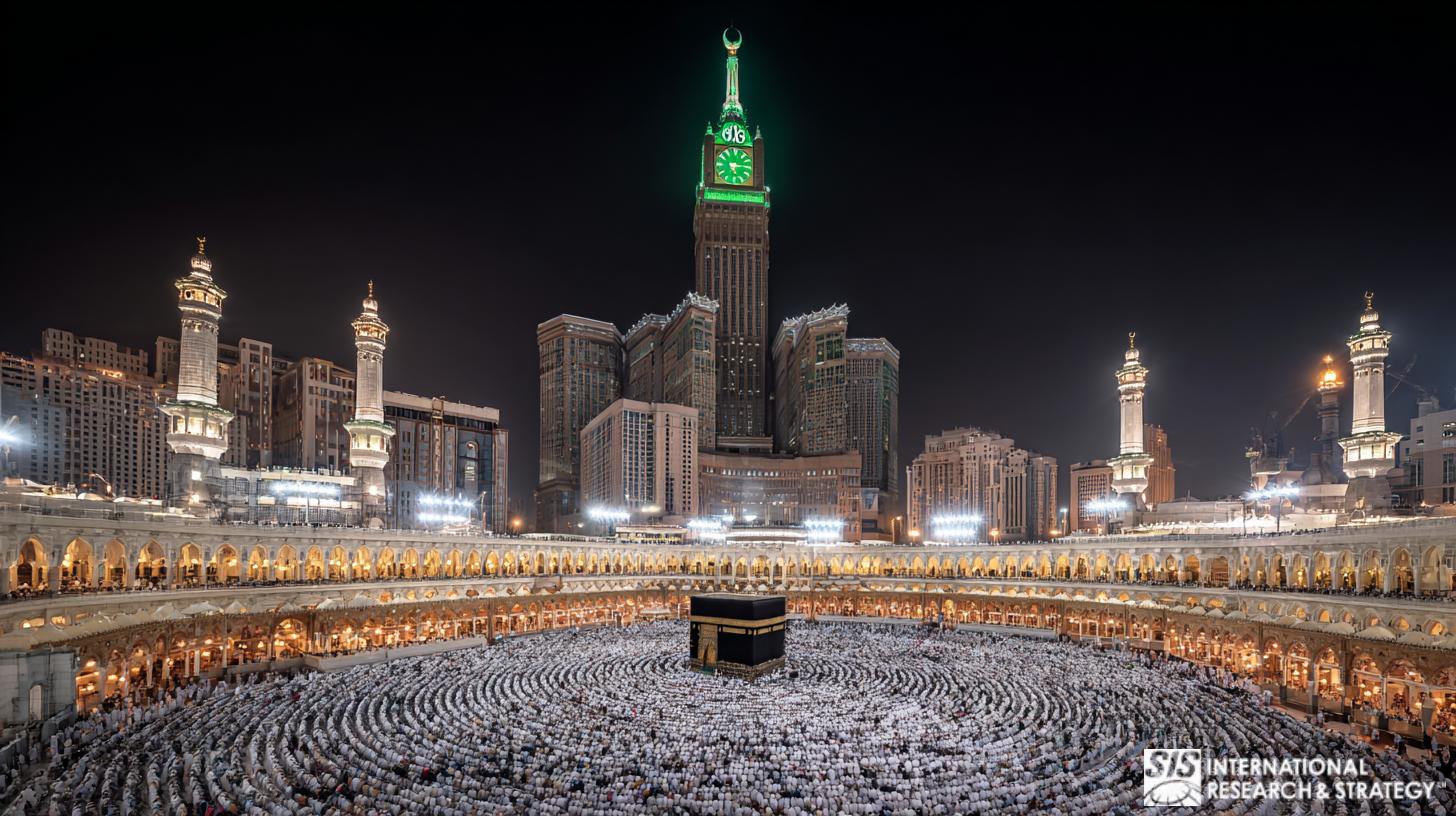
How does a brand stand out in the competitive business landscape of Saudi Arabia? The answer lies in the power of brand consulting. As Saudi Arabia forges ahead with its ambitious Vision 2030, the role of brand consulting in Saudi Arabia becomes ever more critical. It guides businesses to navigate the complex interplay of cultural richness and rapid economic transformation.
Table of Contents
What Is Brand Consulting in Saudi Arabia?
Brand consulting in Saudi Arabia is not just about creating a memorable logo or catchy tagline; it’s about weaving a narrative that resonates deeply with the Saudi audience while aligning with global branding standards.
It encompasses a comprehensive approach to brand positioning, messaging, and differentiation. Moreover, brand consulting in Saudi Arabia closely aligns with the nation’s Vision 2030 objectives.
Why Is It So Important?

Brand consulting provides insights into consumer behavior and preferences, which are essential for developing branding strategies that are culturally relevant and appealing. This is particularly important in a market characterized by a young, tech-savvy population that values tradition and modernity.
Furthermore, brand consulting in Saudi Arabia helps businesses differentiate themselves in a competitive market. In addition to market differentiation, brand consulting assists businesses in aligning their brand with international standards while maintaining local relevance.
What Additional Benefits Does Brand Consulting in Saudi Arabia Offer?
Brand consulting offers many benefits that can significantly impact the success and growth of a business such as:
- Cultural Resonance and Relevance: Brand consultants craft brand identities and strategies that resonate with the local Saudi culture. This cultural alignment is crucial for building trust and connection with the Saudi audience, a key factor in brand loyalty and customer engagement.
- Differentiation in a Competitive Market: With the Saudi market becoming increasingly crowded, brand consulting in Saudi Arabia helps businesses stand out. Consultants provide expertise in developing unique brand propositions and narratives that differentiate a company from its competitors.
- Alignment with Vision 2030 Goals: As Saudi Arabia progresses toward its Vision 2030 objectives, brand consultants assist businesses in aligning their branding strategies with these national goals. This alignment is critical for companies seeking to capitalize on new opportunities and contribute positively to the country’s economic transformation.
- Increased Brand Value and Equity: Effective brand consulting leads to the creation of strong brand equity, enhancing the perceived value of a company in the eyes of consumers.
- Adaptability to Market Changes: In a rapidly changing market, brand consultants help businesses stay agile and adaptable. They provide insights on emerging trends and shifts in consumer preferences, ensuring that the brand remains relevant and appealing.
Traditional Market Research vs Brand Consulting in Saudi Arabia
Traditional market research provides businesses with data-driven insights and an understanding of the market, which is crucial for informed decision-making. However, brand consulting goes a step further by using these insights to create and nurture a brand’s identity, positioning, and strategy. This develops a deep comprehension of the business’s values, vision, and objectives.
In brand consulting, the emphasis is on crafting a compelling brand narrative that resonates with the target audience, building brand loyalty, and establishing a strong emotional connection with consumers. This involves aspects like brand aesthetics, messaging, voice, and overall brand experience, which are beyond the scope of traditional market research.
Furthermore, brand consulting in Saudi Arabia considers the nuances of Saudi culture, consumer expectations, and the rapidly evolving economic landscape under Vision 2030.
Saudi Arabia: Key Metrics for Brand and Consumer Engagement
| Indicator | Value (Prospective Estimate) |
|---|---|
| Population Size (Consumer Base) | Over **36 Million**, with a significant proportion of expatriates. |
| Median Age of Population | Approximately **31 years**, indicating a young, digitally-native consumer base. |
| Social Media Penetration | Approaching **100%** among the active internet population; social platforms are primary channels for brand interaction. |
| Growth Sector Driving New Brands | Entertainment, Tourism (including mega-projects like NEOM and Red Sea), and local Content Creation. |
| Consumer Shift Focus | A strong and growing preference for **localizing global brands** and promoting authentic national brands in line with cultural identity. |
| Key Government Branding Initiative | **Vision 2030** drives brand messaging toward Quality of Life, Sustainability, and Economic Diversification. |
Source: Data compiled from the World Bank, Statista (for digital/social data), and official Saudi Government sources.
Key Success Factors
In the world of brand consulting in Saudi Arabia, success depends on several key factors, including:
- Strong Digital Presence: A robust online presence is critical. For brand consulting in Saudi Arabia, this means not only having an attractive website and social media profiles but also engaging effectively with the audience through these platforms.
- Adaptability to Change: The Saudi market is dynamic and subject to rapid changes. Brands must be adaptable, ready to embrace new trends and technologies and adjust their strategies accordingly.
- Customer-Centric Approach: Understanding and meeting the needs and expectations of the Saudi audience can significantly enhance brand loyalty and customer retention.
- Innovation and Creativity: Brand strategy innovation and creativity set a brand apart in the Saudi market. Unique and creative approaches to branding can capture the audience’s attention and create a lasting impression.
Tourism
- Al-Ula: An ancient oasis in the desert, Al-Ula is renowned for its breathtaking natural rock formations and archaeological heritage, including the UNESCO World Heritage Site of Hegra.
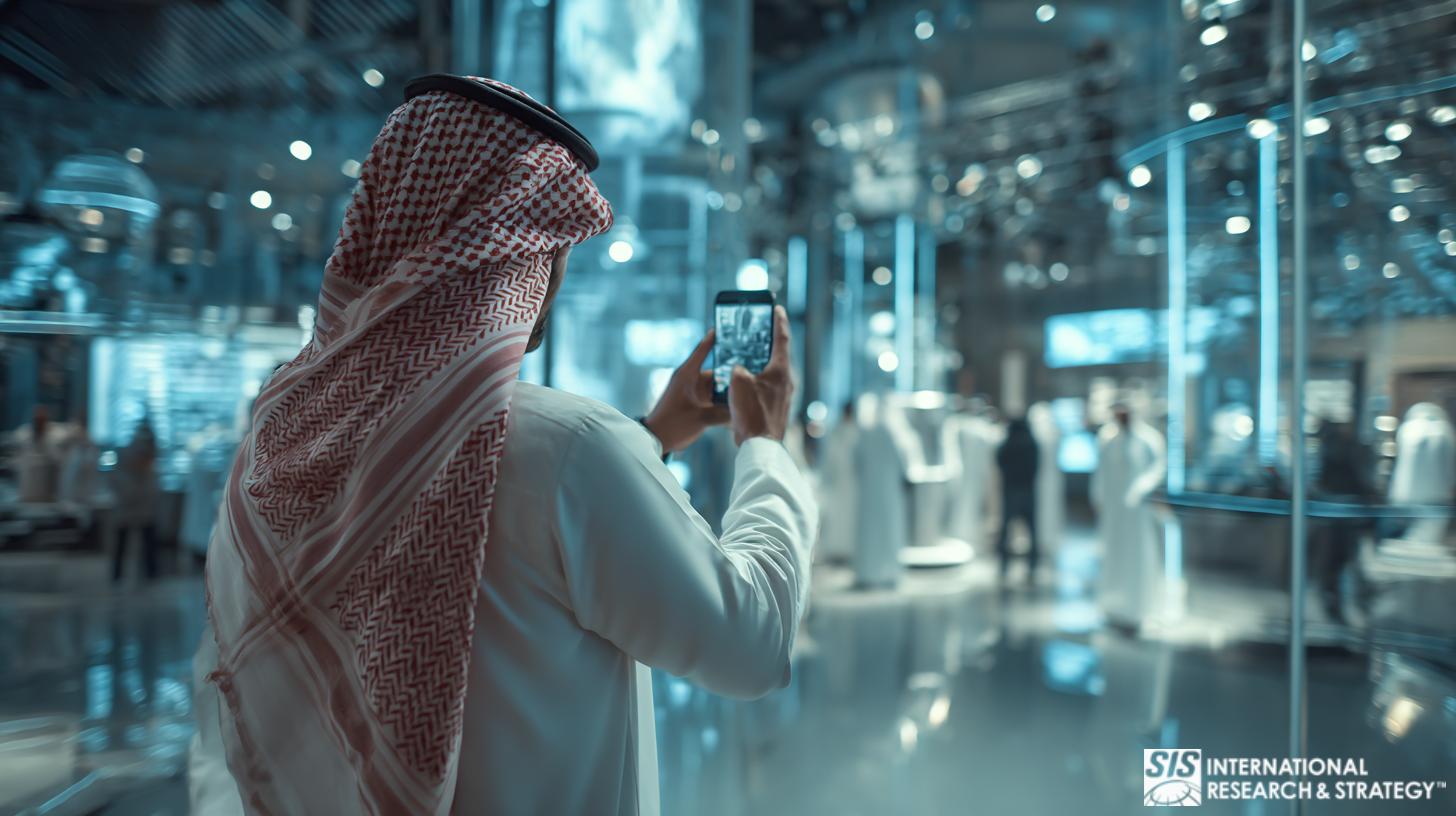
- Mecca and Medina: The holy cities of Islam, these destinations draw millions of pilgrims annually. While access is limited to Muslims, their spiritual and historical significance is immense.
- The Red Sea Coast: Renowned for its beautiful coral reefs and marine life, the Red Sea coast offers world-class diving, beach resorts, and luxury tourism experiences.
- Asir National Park: This park offers a cooler climate, mountainous landscapes, and lush vegetation – a stark contrast to the desert terrain commonly associated with Saudi Arabia.
- The Empty Quarter (Rub’ al Khali): The largest sand desert in the world, offering unique adventures like dune bashing, camel trekking, and star-gazing, showcasing the desert’s stark, natural beauty.
Opportunities
The dynamic Saudi Arabian market brings excellent opportunities for brand consulting – and it can serve as the key to unlocking a new growth potential and steering businesses toward new horizons of growth and recognition.
- Strategic Partnerships: Consultants can facilitate partnerships with local entities, enhancing market presence and credibility. These partnerships can open doors to new market segments and distribution channels.
- Sustainable Practices: With growing awareness of sustainability in Saudi Arabia, consultants advise on integrating sustainable practices into business operations and branding, which can enhance brand image and appeal to environmentally conscious consumers.
- Brand Differentiation: Consultants help businesses to stand out by developing distinctive branding elements and positioning strategies that highlight their unique selling propositions.
Challenges
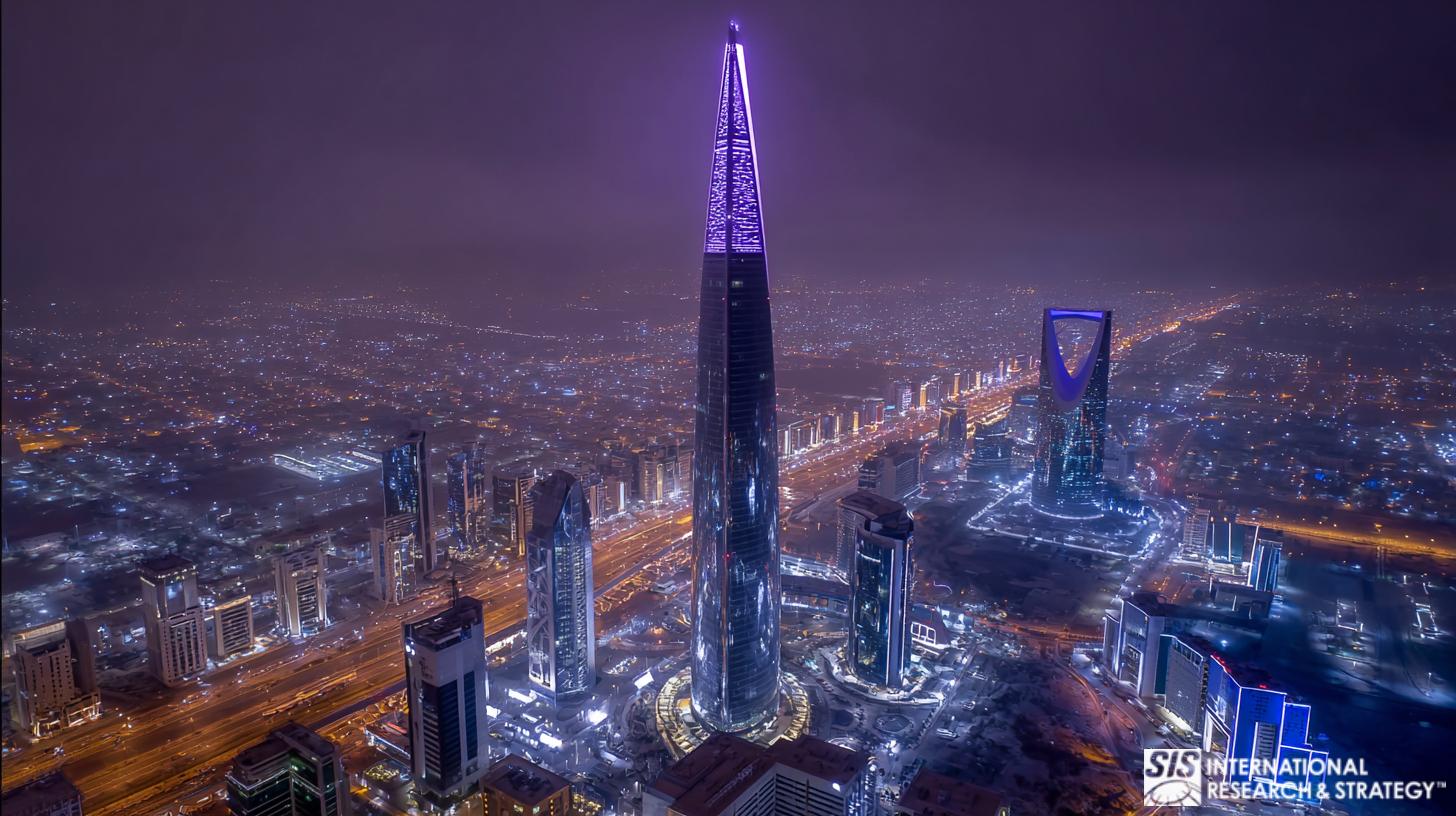
Brand consulting in Saudi Arabia is full of opportunities but is also filled with unique challenges. Tackling these challenges head-on is essential for businesses to leave a lasting mark in the Saudi market.
- Navigating Cultural Sensitivities: One of the primary challenges in brand consulting in Saudi Arabia is understanding and respecting cultural and religious sensibilities. Consultants must navigate these nuances carefully to ensure brand messaging and strategies are culturally appropriate and well-received.
- Differentiating in a Competitive Market: With an increasing number of brands vying for attention in the Saudi market, creating a unique and memorable brand identity that stands out is increasingly challenging.
- Regulatory Compliance: Adhering to the local laws and regulations related to advertising, marketing, and branding can be complex, particularly for foreign businesses unfamiliar with the Saudi legal landscape.
Our Facility Location in New York
About SIS International
SIS International offers Quantitative, Qualitative, and Strategy Research. We provide data, tools, strategies, reports, and insights for decision-making. We also conduct interviews, surveys, focus groups, and other Market Research methods and approaches. Contact us for your next Market Research project.
11 E 22nd Street, Floor 2, New York, NY 10010 T: +1(212) 505-6805
About SIS International
SIS International offers Quantitative, Qualitative, and Strategy Research. We provide data, tools, strategies, reports, and insights for decision-making. We also conduct interviews, surveys, focus groups, and other Market Research methods and approaches. Contact us for your next Market Research project.