
Younger populations can mean increased interest in Apps, Media, and Education.
Social unrest often leads to sectarianism, which can disrupt nations and their economies. In the case of the Middle East, it is the cause of much oil price volatility. Continued political reforms and regional initiatives that unite the countries of the Middle East with shared trade investments will assist in easing societal tensions in the region. In addition, developing private sector revenue streams not dependent on oil will also be imperative in the future.
Economic Hot Spots
Economic Hot Spots in the region currently include Dubai, Abu Dhabi, Cairo, Istanbul, Doha and Manama. Gulf markets are working to build vibrant cities and are creating specially-zoned urban areas that are targeted to strategic growth industries, such as Education, Healthcare and Financial Services. Already, some universities from the United States and Europe have built university campuses in the region, seeking to educate talented students. Tourism is also growing in markets such as Dubai and Abu Dhabi.
Gulf States have also launched programs to attract sporting events. Global sporting events like the FIFA World Cup, WWE Wrestling, F1 Grand Prix, Golf championships, and World Rugby Sevens Series have hosted or plan to host major events in the region.
Middle East Market Comparison: Sectoral Growth and Investment Trends
| Indicator | Saudi Arabia (KSA) | United Arab Emirates (UAE) | Egypt |
|---|---|---|---|
| Foreign Direct Investment (FDI) Inflows | Driven by **Vision 2030** mega-projects and large-scale privatization initiatives. | Consistently high and stable; focused on strategic sectors (FinTech, Logistics, Green Energy). | Largest recipient in the MENA region; channeled into **energy, telecom, and infrastructure**. |
| Non-Oil Sector Contribution (Prospective Target) | Aggressive targets to elevate the non-oil share of GDP well **above 50%**. | Already dominant, with non-oil sectors (Trade, Finance, Tourism) comprising **over 70%** of GDP. | Non-oil sectors (Services, Manufacturing) are the primary engine, comprising **over 90%** of GDP. |
| Key Growth Sector Focus | **Tourism** (Red Sea Project), Entertainment, and **Advanced Manufacturing**. | **FinTech**, Artificial Intelligence, and **Trade Logistics** (Dubai and Abu Dhabi). | **Natural Gas**, IT Outsourcing, and **Renewable Energy** (Benban Solar Park). |
| Digital Economy Maturity (FinTech/E-commerce) | Massive market size driving rapid FinTech adoption; major focus on **digital government services**. | Regional leader in digital payment infrastructure and cross-border e-commerce. | Fast-growing mobile and **e-commerce market** fueled by a large, young population. |
Source: Data compiled from the World Bank, International Monetary Fund (IMF), and official national development plans (e.g., Vision 2030, D33).
Opportunities
Opportunities for investment and profitable business ventures are still plentiful in the Middle East. Major drivers of international investment reside in the Hospitality, Construction, and Real Estate industries. Egypt is thought to be stabilizing while Morocco has improved export and tourism revenues. Kuwait and Qatar have weathered the oil price drop with little or no visible downturn. With petroleum prices expected to rise in the next couple of years, there is little reason to believe the Middle East won’t continue to present excellent business opportunities.
Market Research in the Middle East
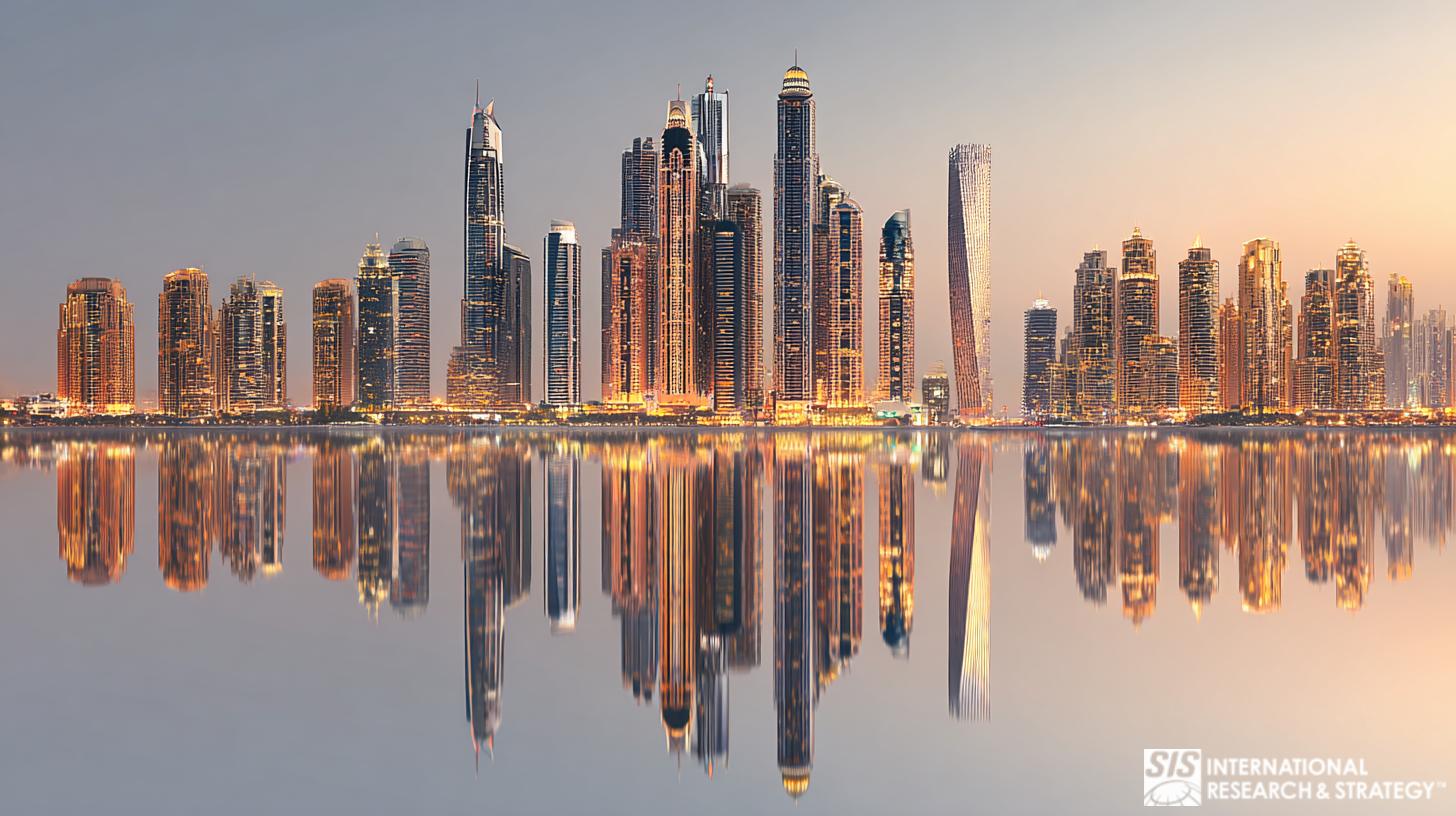
SIS International Research conducts Market Research in the Middle East. With over 40+ years research experience in the region, we provide cutting-edge insight. We conduct:
- Focus Groups
- In-Depth Interviews
- Online Communities
- Surveys
- Competitive Analysis
- Market Opportunity & Entry Research.
Our Facility Location in New York
11 E 22nd Street, Floor 2, New York, NY 10010 T: +1(212) 505-6805
About SIS International
SIS International offers Quantitative, Qualitative, and Strategy Research. We provide data, tools, strategies, reports, and insights for decision-making. We also conduct interviews, surveys, focus groups, and other Market Research methods and approaches. Contact us for your next Market Research project.
Despite fluctuating oil prices, Middle Eastern countries as a whole still show strong growth rates. High population growth rates, economic liberalization programs and increasingly favorable investment landscapes make the Middle East a rising destination for Foreign Investment.
Economies in the Middle East are diversifying and making strides in the Global Economy. Companies in the region have recently expanded globally, such as Dubai Ports World, Emirates Airlin,e and Saudi Aramco.
Middle Eastern markets are characterized by high population growth rates, leading to growing consumer markets.
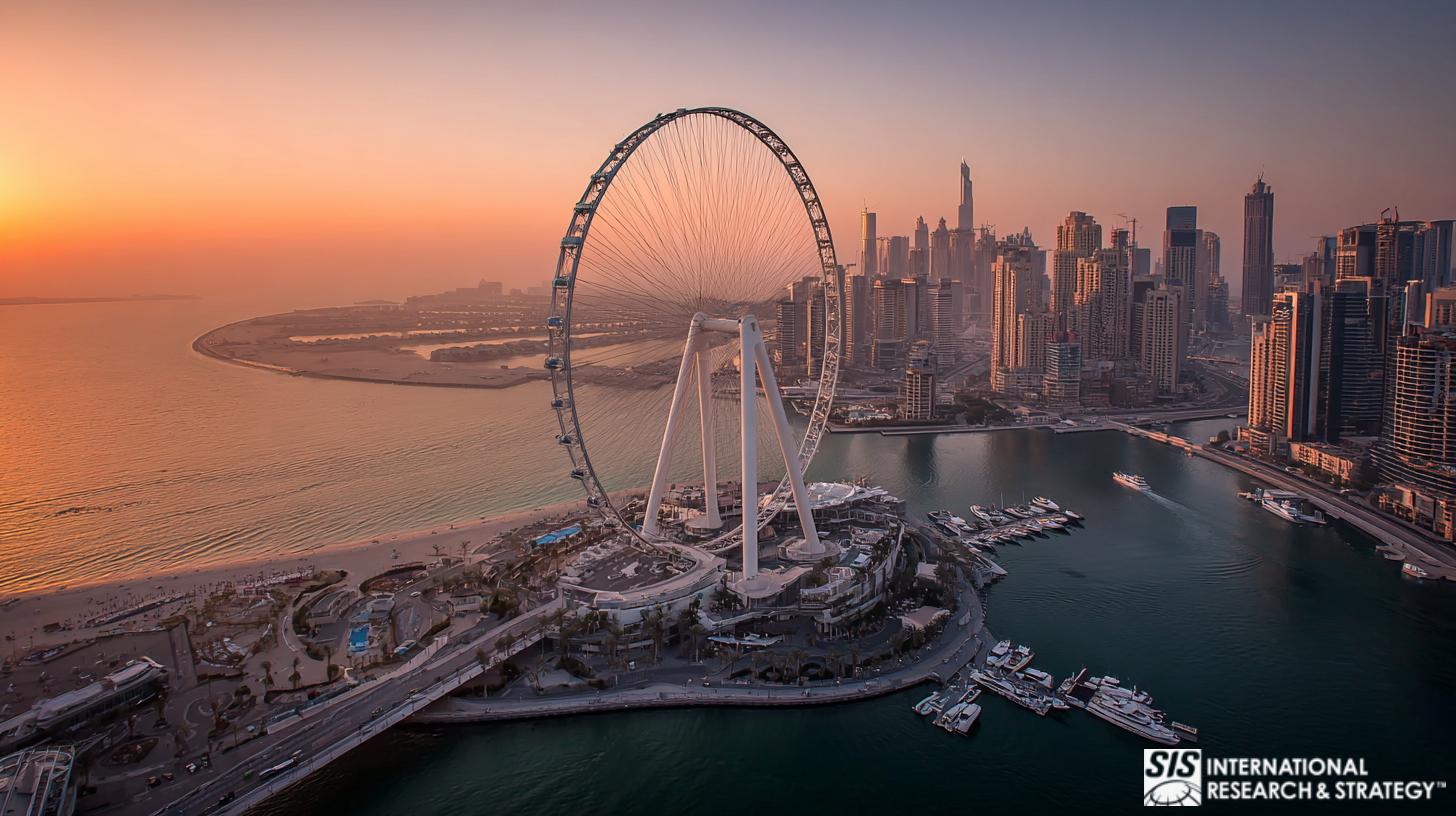
Younger populations can mean increased interest in Apps, Media, and Education.
Social unrest often leads to sectarianism, which can disrupt nations and their economies. In the case of the Middle East, it is the cause of much oil price volatility. Continued political reforms and regional initiatives that unite the countries of the Middle East with shared trade investments will assist in easing societal tensions in the region. In addition, developing private sector revenue streams not dependent on oil will also be imperative in the future.
Economic Hot Spots
Economic Hot Spots in the region currently include Dubai, Abu Dhabi, Cairo, Istanbul, Doha and Manama. Gulf markets are working to build vibrant cities and are creating specially-zoned urban areas that are targeted to strategic growth industries, such as Education, Healthcare and Financial Services. Already, some universities from the United States and Europe have built university campuses in the region, seeking to educate talented students. Tourism is also growing in markets such as Dubai and Abu Dhabi.
Gulf States have also launched programs to attract sporting events. Global sporting events like the FIFA World Cup, WWE Wrestling, F1 Grand Prix, Golf championships, and World Rugby Sevens Series have hosted or plan to host major events in the region.
Middle East Market Comparison: Sectoral Growth and Investment Trends
| Indicator | Saudi Arabia (KSA) | United Arab Emirates (UAE) | Egypt |
|---|---|---|---|
| Foreign Direct Investment (FDI) Inflows | Driven by **Vision 2030** mega-projects and large-scale privatization initiatives. | Consistently high and stable; focused on strategic sectors (FinTech, Logistics, Green Energy). | Largest recipient in the MENA region; channeled into **energy, telecom, and infrastructure**. |
| Non-Oil Sector Contribution (Prospective Target) | Aggressive targets to elevate the non-oil share of GDP well **above 50%**. | Already dominant, with non-oil sectors (Trade, Finance, Tourism) comprising **over 70%** of GDP. | Non-oil sectors (Services, Manufacturing) are the primary engine, comprising **over 90%** of GDP. |
| Key Growth Sector Focus | **Tourism** (Red Sea Project), Entertainment, and **Advanced Manufacturing**. | **FinTech**, Artificial Intelligence, and **Trade Logistics** (Dubai and Abu Dhabi). | **Natural Gas**, IT Outsourcing, and **Renewable Energy** (Benban Solar Park). |
| Digital Economy Maturity (FinTech/E-commerce) | Massive market size driving rapid FinTech adoption; major focus on **digital government services**. | Regional leader in digital payment infrastructure and cross-border e-commerce. | Fast-growing mobile and **e-commerce market** fueled by a large, young population. |
Source: Data compiled from the World Bank, International Monetary Fund (IMF), and official national development plans (e.g., Vision 2030, D33).
Opportunities
Opportunities for investment and profitable business ventures are still plentiful in the Middle East. Major drivers of international investment reside in the Hospitality, Construction, and Real Estate industries. Egypt is thought to be stabilizing while Morocco has improved export and tourism revenues. Kuwait and Qatar have weathered the oil price drop with little or no visible downturn. With petroleum prices expected to rise in the next couple of years, there is little reason to believe the Middle East won’t continue to present excellent business opportunities.
Market Research in the Middle East
SIS International Research conducts Market Research in the Middle East. With over 40+ years research experience in the region, we provide cutting-edge insight. We conduct:
- Focus Groups
- In-Depth Interviews
- Online Communities
- Surveys
- Competitive Analysis
- Market Opportunity & Entry Research.
Our Facility Location in New York
11 E 22nd Street, Floor 2, New York, NY 10010 T: +1(212) 505-6805
About SIS International
SIS International offers Quantitative, Qualitative, and Strategy Research. We provide data, tools, strategies, reports, and insights for decision-making. We also conduct interviews, surveys, focus groups, and other Market Research methods and approaches. Contact us for your next Market Research project.
The region is a major oil-producing area, helping to fuel growth in the region. Though Global oil prices plummeted in 2015, many economies were spared a sharp economic downturn due to prudent reserves set aside for just such an eventuality.
Despite fluctuating oil prices, Middle Eastern countries as a whole still show strong growth rates. High population growth rates, economic liberalization programs and increasingly favorable investment landscapes make the Middle East a rising destination for Foreign Investment.
Economies in the Middle East are diversifying and making strides in the Global Economy. Companies in the region have recently expanded globally, such as Dubai Ports World, Emirates Airlin,e and Saudi Aramco.
Middle Eastern markets are characterized by high population growth rates, leading to growing consumer markets.
Younger populations can mean increased interest in Apps, Media, and Education.
Social unrest often leads to sectarianism, which can disrupt nations and their economies. In the case of the Middle East, it is the cause of much oil price volatility. Continued political reforms and regional initiatives that unite the countries of the Middle East with shared trade investments will assist in easing societal tensions in the region. In addition, developing private sector revenue streams not dependent on oil will also be imperative in the future.
Economic Hot Spots
Economic Hot Spots in the region currently include Dubai, Abu Dhabi, Cairo, Istanbul, Doha and Manama. Gulf markets are working to build vibrant cities and are creating specially-zoned urban areas that are targeted to strategic growth industries, such as Education, Healthcare and Financial Services. Already, some universities from the United States and Europe have built university campuses in the region, seeking to educate talented students. Tourism is also growing in markets such as Dubai and Abu Dhabi.
Gulf States have also launched programs to attract sporting events. Global sporting events like the FIFA World Cup, WWE Wrestling, F1 Grand Prix, Golf championships, and World Rugby Sevens Series have hosted or plan to host major events in the region.
Middle East Market Comparison: Sectoral Growth and Investment Trends
| Indicator | Saudi Arabia (KSA) | United Arab Emirates (UAE) | Egypt |
|---|---|---|---|
| Foreign Direct Investment (FDI) Inflows | Driven by **Vision 2030** mega-projects and large-scale privatization initiatives. | Consistently high and stable; focused on strategic sectors (FinTech, Logistics, Green Energy). | Largest recipient in the MENA region; channeled into **energy, telecom, and infrastructure**. |
| Non-Oil Sector Contribution (Prospective Target) | Aggressive targets to elevate the non-oil share of GDP well **above 50%**. | Already dominant, with non-oil sectors (Trade, Finance, Tourism) comprising **over 70%** of GDP. | Non-oil sectors (Services, Manufacturing) are the primary engine, comprising **over 90%** of GDP. |
| Key Growth Sector Focus | **Tourism** (Red Sea Project), Entertainment, and **Advanced Manufacturing**. | **FinTech**, Artificial Intelligence, and **Trade Logistics** (Dubai and Abu Dhabi). | **Natural Gas**, IT Outsourcing, and **Renewable Energy** (Benban Solar Park). |
| Digital Economy Maturity (FinTech/E-commerce) | Massive market size driving rapid FinTech adoption; major focus on **digital government services**. | Regional leader in digital payment infrastructure and cross-border e-commerce. | Fast-growing mobile and **e-commerce market** fueled by a large, young population. |
Source: Data compiled from the World Bank, International Monetary Fund (IMF), and official national development plans (e.g., Vision 2030, D33).
Opportunities
Opportunities for investment and profitable business ventures are still plentiful in the Middle East. Major drivers of international investment reside in the Hospitality, Construction, and Real Estate industries. Egypt is thought to be stabilizing while Morocco has improved export and tourism revenues. Kuwait and Qatar have weathered the oil price drop with little or no visible downturn. With petroleum prices expected to rise in the next couple of years, there is little reason to believe the Middle East won’t continue to present excellent business opportunities.
Market Research in the Middle East
SIS International Research conducts Market Research in the Middle East. With over 40+ years research experience in the region, we provide cutting-edge insight. We conduct:
- Focus Groups
- In-Depth Interviews
- Online Communities
- Surveys
- Competitive Analysis
- Market Opportunity & Entry Research.
Our Facility Location in New York
11 E 22nd Street, Floor 2, New York, NY 10010 T: +1(212) 505-6805
About SIS International
SIS International offers Quantitative, Qualitative, and Strategy Research. We provide data, tools, strategies, reports, and insights for decision-making. We also conduct interviews, surveys, focus groups, and other Market Research methods and approaches. Contact us for your next Market Research project.
The Middle East presents new opportunities with growing populations, improving infrastructure, and numerous growing industries.
The region is a major oil-producing area, helping to fuel growth in the region. Though Global oil prices plummeted in 2015, many economies were spared a sharp economic downturn due to prudent reserves set aside for just such an eventuality.
Despite fluctuating oil prices, Middle Eastern countries as a whole still show strong growth rates. High population growth rates, economic liberalization programs and increasingly favorable investment landscapes make the Middle East a rising destination for Foreign Investment.
Economies in the Middle East are diversifying and making strides in the Global Economy. Companies in the region have recently expanded globally, such as Dubai Ports World, Emirates Airlin,e and Saudi Aramco.
Middle Eastern markets are characterized by high population growth rates, leading to growing consumer markets.
Younger populations can mean increased interest in Apps, Media, and Education.
Social unrest often leads to sectarianism, which can disrupt nations and their economies. In the case of the Middle East, it is the cause of much oil price volatility. Continued political reforms and regional initiatives that unite the countries of the Middle East with shared trade investments will assist in easing societal tensions in the region. In addition, developing private sector revenue streams not dependent on oil will also be imperative in the future.
Economic Hot Spots
Economic Hot Spots in the region currently include Dubai, Abu Dhabi, Cairo, Istanbul, Doha and Manama. Gulf markets are working to build vibrant cities and are creating specially-zoned urban areas that are targeted to strategic growth industries, such as Education, Healthcare and Financial Services. Already, some universities from the United States and Europe have built university campuses in the region, seeking to educate talented students. Tourism is also growing in markets such as Dubai and Abu Dhabi.
Gulf States have also launched programs to attract sporting events. Global sporting events like the FIFA World Cup, WWE Wrestling, F1 Grand Prix, Golf championships, and World Rugby Sevens Series have hosted or plan to host major events in the region.
Middle East Market Comparison: Sectoral Growth and Investment Trends
| Indicator | Saudi Arabia (KSA) | United Arab Emirates (UAE) | Egypt |
|---|---|---|---|
| Foreign Direct Investment (FDI) Inflows | Driven by **Vision 2030** mega-projects and large-scale privatization initiatives. | Consistently high and stable; focused on strategic sectors (FinTech, Logistics, Green Energy). | Largest recipient in the MENA region; channeled into **energy, telecom, and infrastructure**. |
| Non-Oil Sector Contribution (Prospective Target) | Aggressive targets to elevate the non-oil share of GDP well **above 50%**. | Already dominant, with non-oil sectors (Trade, Finance, Tourism) comprising **over 70%** of GDP. | Non-oil sectors (Services, Manufacturing) are the primary engine, comprising **over 90%** of GDP. |
| Key Growth Sector Focus | **Tourism** (Red Sea Project), Entertainment, and **Advanced Manufacturing**. | **FinTech**, Artificial Intelligence, and **Trade Logistics** (Dubai and Abu Dhabi). | **Natural Gas**, IT Outsourcing, and **Renewable Energy** (Benban Solar Park). |
| Digital Economy Maturity (FinTech/E-commerce) | Massive market size driving rapid FinTech adoption; major focus on **digital government services**. | Regional leader in digital payment infrastructure and cross-border e-commerce. | Fast-growing mobile and **e-commerce market** fueled by a large, young population. |
Source: Data compiled from the World Bank, International Monetary Fund (IMF), and official national development plans (e.g., Vision 2030, D33).
Opportunities
Opportunities for investment and profitable business ventures are still plentiful in the Middle East. Major drivers of international investment reside in the Hospitality, Construction, and Real Estate industries. Egypt is thought to be stabilizing while Morocco has improved export and tourism revenues. Kuwait and Qatar have weathered the oil price drop with little or no visible downturn. With petroleum prices expected to rise in the next couple of years, there is little reason to believe the Middle East won’t continue to present excellent business opportunities.
Market Research in the Middle East
SIS International Research conducts Market Research in the Middle East. With over 40+ years research experience in the region, we provide cutting-edge insight. We conduct:
- Focus Groups
- In-Depth Interviews
- Online Communities
- Surveys
- Competitive Analysis
- Market Opportunity & Entry Research.
Our Facility Location in New York
11 E 22nd Street, Floor 2, New York, NY 10010 T: +1(212) 505-6805
About SIS International
SIS International offers Quantitative, Qualitative, and Strategy Research. We provide data, tools, strategies, reports, and insights for decision-making. We also conduct interviews, surveys, focus groups, and other Market Research methods and approaches. Contact us for your next Market Research project.
Middle East Market Research
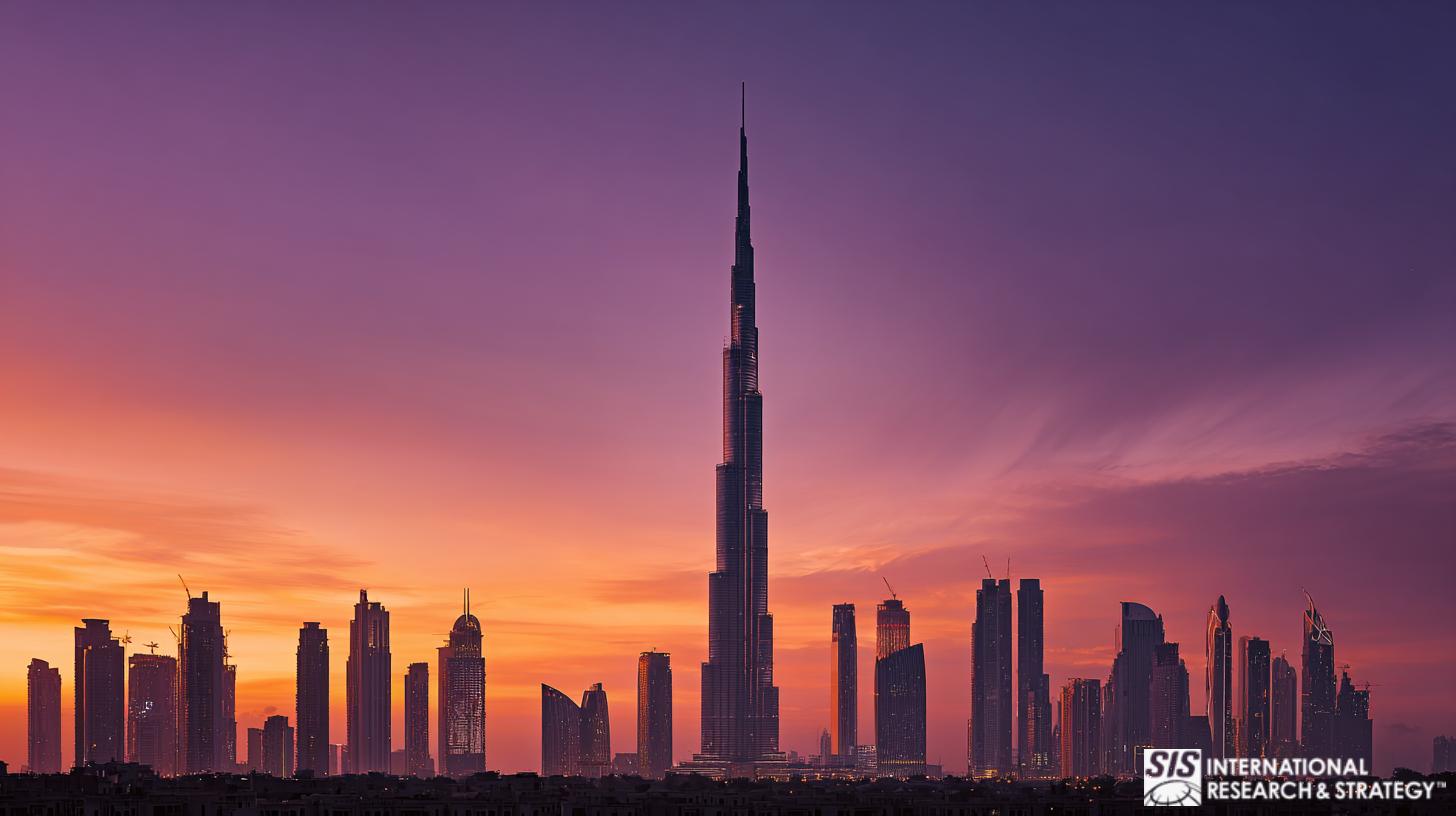
Table of Contents
The Middle East presents new opportunities with growing populations, improving infrastructure, and numerous growing industries.
The region is a major oil-producing area, helping to fuel growth in the region. Though Global oil prices plummeted in 2015, many economies were spared a sharp economic downturn due to prudent reserves set aside for just such an eventuality.
Despite fluctuating oil prices, Middle Eastern countries as a whole still show strong growth rates. High population growth rates, economic liberalization programs and increasingly favorable investment landscapes make the Middle East a rising destination for Foreign Investment.
Economies in the Middle East are diversifying and making strides in the Global Economy. Companies in the region have recently expanded globally, such as Dubai Ports World, Emirates Airlin,e and Saudi Aramco.
Middle Eastern markets are characterized by high population growth rates, leading to growing consumer markets.
Younger populations can mean increased interest in Apps, Media, and Education.
Social unrest often leads to sectarianism, which can disrupt nations and their economies. In the case of the Middle East, it is the cause of much oil price volatility. Continued political reforms and regional initiatives that unite the countries of the Middle East with shared trade investments will assist in easing societal tensions in the region. In addition, developing private sector revenue streams not dependent on oil will also be imperative in the future.
Economic Hot Spots
Economic Hot Spots in the region currently include Dubai, Abu Dhabi, Cairo, Istanbul, Doha and Manama. Gulf markets are working to build vibrant cities and are creating specially-zoned urban areas that are targeted to strategic growth industries, such as Education, Healthcare and Financial Services. Already, some universities from the United States and Europe have built university campuses in the region, seeking to educate talented students. Tourism is also growing in markets such as Dubai and Abu Dhabi.
Gulf States have also launched programs to attract sporting events. Global sporting events like the FIFA World Cup, WWE Wrestling, F1 Grand Prix, Golf championships, and World Rugby Sevens Series have hosted or plan to host major events in the region.
Middle East Market Comparison: Sectoral Growth and Investment Trends
| Indicator | Saudi Arabia (KSA) | United Arab Emirates (UAE) | Egypt |
|---|---|---|---|
| Foreign Direct Investment (FDI) Inflows | Driven by **Vision 2030** mega-projects and large-scale privatization initiatives. | Consistently high and stable; focused on strategic sectors (FinTech, Logistics, Green Energy). | Largest recipient in the MENA region; channeled into **energy, telecom, and infrastructure**. |
| Non-Oil Sector Contribution (Prospective Target) | Aggressive targets to elevate the non-oil share of GDP well **above 50%**. | Already dominant, with non-oil sectors (Trade, Finance, Tourism) comprising **over 70%** of GDP. | Non-oil sectors (Services, Manufacturing) are the primary engine, comprising **over 90%** of GDP. |
| Key Growth Sector Focus | **Tourism** (Red Sea Project), Entertainment, and **Advanced Manufacturing**. | **FinTech**, Artificial Intelligence, and **Trade Logistics** (Dubai and Abu Dhabi). | **Natural Gas**, IT Outsourcing, and **Renewable Energy** (Benban Solar Park). |
| Digital Economy Maturity (FinTech/E-commerce) | Massive market size driving rapid FinTech adoption; major focus on **digital government services**. | Regional leader in digital payment infrastructure and cross-border e-commerce. | Fast-growing mobile and **e-commerce market** fueled by a large, young population. |
Source: Data compiled from the World Bank, International Monetary Fund (IMF), and official national development plans (e.g., Vision 2030, D33).
Opportunities
Opportunities for investment and profitable business ventures are still plentiful in the Middle East. Major drivers of international investment reside in the Hospitality, Construction, and Real Estate industries. Egypt is thought to be stabilizing while Morocco has improved export and tourism revenues. Kuwait and Qatar have weathered the oil price drop with little or no visible downturn. With petroleum prices expected to rise in the next couple of years, there is little reason to believe the Middle East won’t continue to present excellent business opportunities.
Market Research in the Middle East
SIS International Research conducts Market Research in the Middle East. With over 40+ years research experience in the region, we provide cutting-edge insight. We conduct:
- Focus Groups
- In-Depth Interviews
- Online Communities
- Surveys
- Competitive Analysis
- Market Opportunity & Entry Research.
Our Facility Location in New York
11 E 22nd Street, Floor 2, New York, NY 10010 T: +1(212) 505-6805
About SIS International
SIS International offers Quantitative, Qualitative, and Strategy Research. We provide data, tools, strategies, reports, and insights for decision-making. We also conduct interviews, surveys, focus groups, and other Market Research methods and approaches. Contact us for your next Market Research project.