Market Research in The Gambia, Africa
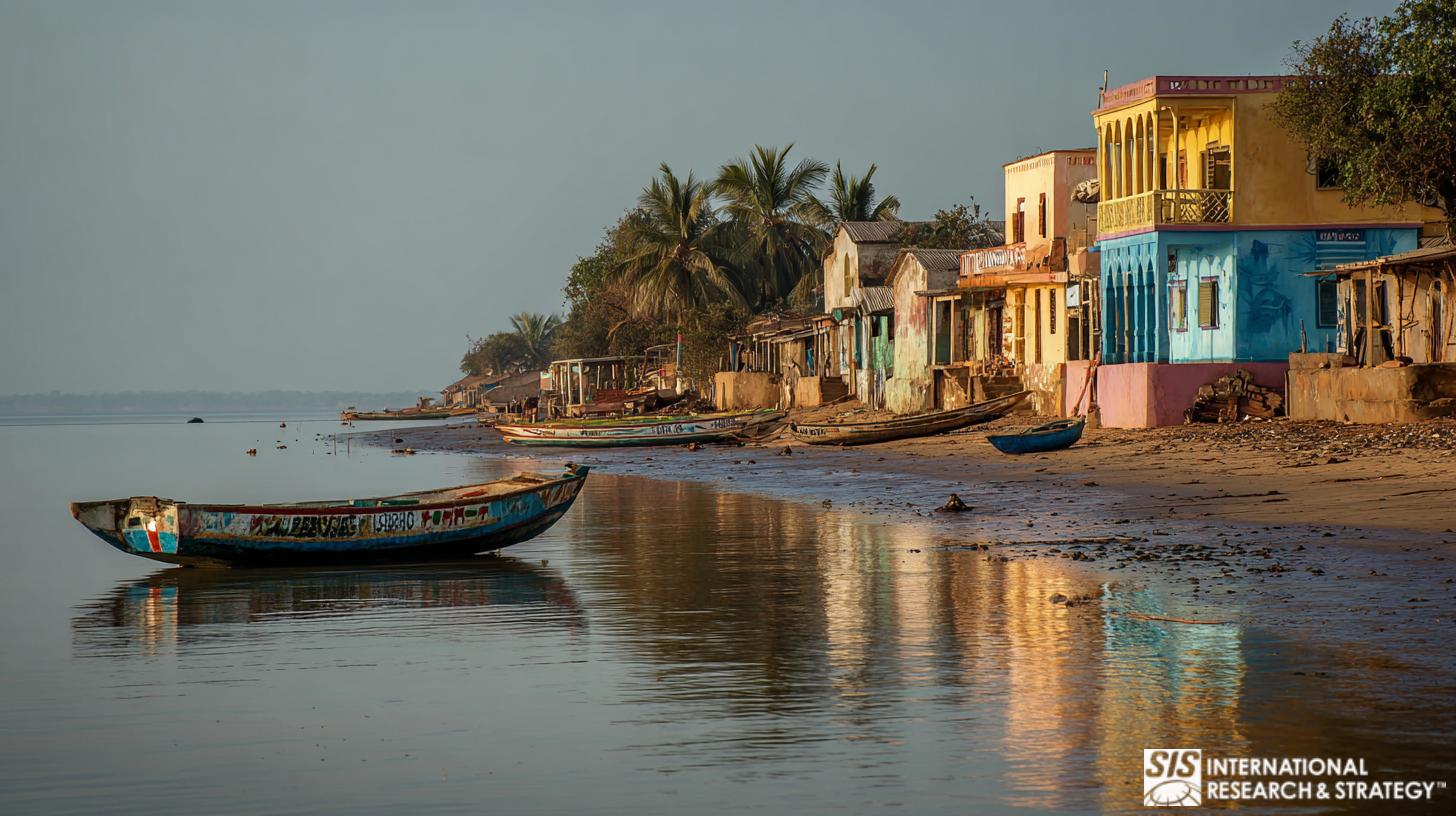
The Gambia is located on the West Coast of Africa, entirely surrounded by Senegal except for its Atlantic coastline. It is the smallest country on the African mainland. The Gambia River flows right through the center of the country and empties into the Atlantic Ocean. While English is the official language, over 20 regional languages are spoken across roughly ten ethnic groups, including Mandinka, Wolof, Fula, Jola, and French.
Key Industries
Agriculture—especially the cultivation and processing of groundnuts (peanuts) for local consumption and export—remains a major employer and economic pillar. Tourism is another vital sector in The Gambia. The country’s Atlantic coastline features stunning beaches, while its rich river ecosystems and diverse wildlife attract eco-tourists, birdwatchers, and adventurers worldwide.
Key Urban Centers and Regions
Serekunda, formed by the expansion and merging of nine historic villages, is the largest urban agglomeration and commercial hub in The Gambia. Brikama is another major city located in the West Coast Region, famous for its vibrant arts, woodcarving industry, and deep musical traditions. Bakau, located on the Atlantic coast west of Banjul, is known for its tourism infrastructure, botanical gardens, and local fishing industry. Banjul is the nation’s capital and seat of government; situated on Saint Mary’s Island, it houses major administrative facilities, port infrastructure, and historical sites like Albert Market.
Cultural Trends and Demographics
While The Gambia is a secular state with no official state religion, over 90% of the population practices Islam. Muslim traditions, customs, and religious rites are deeply woven into daily life and culture, and Arabic is widely spoken and taught alongside local languages by religious scholars and Imams. Religious holidays such as Eid are widely celebrated. A vibrant Christian minority, predominantly Roman Catholic, also plays a key role in the national identity, with Christmas and Easter respected and celebrated across communities.
Consumer Base
With a total population of approximately 2.5 million, The Gambia has a relatively compact consumer market. While its market size limits large-scale domestic entry for some international franchises, consumer demand for Western and U.S. brand names remains high. Gambian consumers strongly associate imported U.S. and European products with high quality and reliability.
Market Strengths and Economic Drivers
Tourism and agriculture serve as the main drivers of internal economic growth. In addition, personal financial support from the Gambian diaspora through international remittances represents a critical source of foreign exchange and consumer purchasing power, playing a major role in driving domestic retail demand and supporting local households.
Why Do Business in The Gambia?
The Gambia holds substantial growth potential across emerging sectors including renewable energy, agribusiness, logistics, creative arts, and sports infrastructure. With a young population and expanding urban centers in the Greater Banjul area, there is a rising demand for technical skills, formal employment avenues, and modern consumer services—offering fertile ground for new commercial investors and international partnerships.
About Market Research in The Gambia
If you are planning to enter or expand within the West African market, informed data is essential. We organize specialized Focus Groups across regional markets and deliver comprehensive Quantitative, Qualitative, and Strategy Research. At SIS International, we synthesize actionable consumer insights and market data to help guide your strategic business decisions in The Gambia.