
11 E 22nd Street, Floor 2, New York, NY 10010 T: +1(212) 505-6805
About SIS International
SIS International offers Quantitative, Qualitative, and Strategy Research. We provide data, tools, strategies, reports, and insights for decision-making. We also conduct interviews, surveys, focus groups, and other Market Research methods and approaches. Contact us for your next Market Research project.
Pension Fund Automation and Artificial Intelligence Consulting

Pension fund automation and artificial intelligence consulting provide the roadmap to unlock new insights into investment strategies, risk management, and operational efficiencies, offering a path to more responsive, transparent, and effective fund management in an ever-evolving financial environment.
What Is Pension Fund Automation and Artificial Intelligence Consulting?
Pension fund automation and artificial intelligence consulting assist companies in leveraging the latest technologies to streamline operations, enhance investment strategies, and improve member services for pension funds. This consulting focuses on implementing advanced AI algorithms and automation tools to analyze vast amounts of financial data, predict market trends, and optimize asset allocation, ensuring that pension funds can meet their long-term liabilities while maximizing returns.
Importance of Pension Fund Automation and Artificial Intelligence Consulting
Pension fund automation and artificial intelligence consulting provide sophisticated tools for market analysis, risk assessment, and scenario planning, enabling funds to make more informed investment decisions.
Moreover, the regulatory environment for pension funds is becoming increasingly stringent, emphasizing transparency, compliance, and member protection. Pension fund automation and artificial intelligence consulting assist in navigating these regulations more efficiently and ensuring compliance through automated reporting, real-time monitoring of investment guidelines, and AI-driven fraud detection systems.
Additionally, this consulting enables funds to meet ever-evolving customer expectations through personalized communication platforms, automated member services, and AI-enhanced financial advice. This level of service enhances member engagement and satisfaction, crucial factors in maintaining a fund’s reputation and member loyalty. However, it has many other benefits, including:
- Improved Investment Decision-Making: AI-driven analytics allow pension funds to analyze vast datasets, predict market trends, and assess investment risks with high accuracy.
- Operational Efficiency: Automation technologies significantly reduce the time and resources required for administrative tasks such as member enrollment, contributions processing, and benefit disbursements.
- Enhanced Risk Management: AI models can simulate various economic and market scenarios, providing pension funds with a clearer understanding of potential risks to their portfolios.
- Personalized Member Services: Pension fund automation and artificial intelligence consulting enable the delivery of personalized communication and services to fund members, from tailored investment advice to automated updates on fund performance.
- Fraud Detection and Security: AI algorithms effectively detect unusual patterns that may indicate fraudulent activities, enhancing the security of member assets and sensitive data.
Who Uses Pension Fund Automation and Artificial Intelligence Consulting
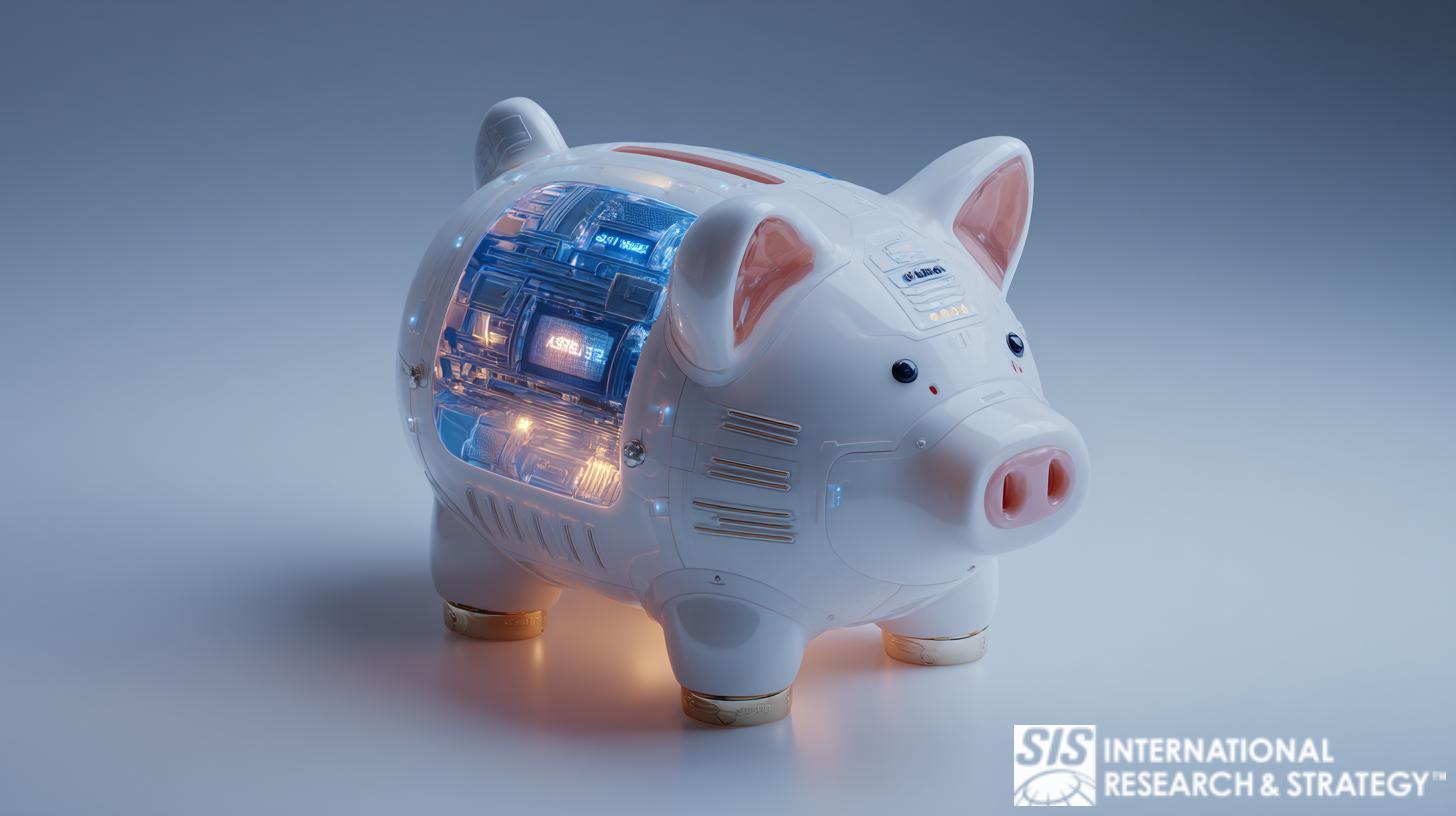
Pension Fund Managers and Administrators utilize this consulting to enhance investment decision-making, optimize asset allocation, and manage risks more effectively. Automation tools streamline administrative tasks such as member enrollment, contributions tracking, and benefit disbursement, improving operational efficiency and reducing costs.
Furthermore, Investment Analysts and Advisors rely on AI-driven tools for in-depth market analysis, trend forecasting, and portfolio optimization. AI consulting helps them to identify investment opportunities and risks, enabling more informed advice and strategic planning for fund assets.
Likewise, Regulatory Compliance Officers use automation and AI consulting to ensure adherence to legal and regulatory requirements. Automated reporting, real-time monitoring of compliance parameters, and AI-driven anomaly detection systems support these efforts, reducing the risk of non-compliance and associated penalties.
Pension Fund Trustees and Governance Boards also use insights from pension fund automation and artificial intelligence consulting to make informed decisions about fund policies, investment strategies, and member services. The data-driven approach enabled by these technologies supports their fiduciary duties, ensuring the fund’s long-term viability and the financial well-being of its members.
When to Conduct Pension Fund Automation and Artificial Intelligence Consulting
Determining the right time to engage in pension fund automation and artificial intelligence consulting is crucial for ensuring that these technologies are integrated effectively and aligned with the fund’s strategic goals. Several indicators suggest it might be time for a pension fund to consider leveraging these advanced technologies:
- Growing Complexity in Investment Strategies: As pension funds diversify their investment portfolios to include a wider range of asset classes and geographic markets, managing these investments increases. Pension fund automation and artificial intelligence consulting can provide the sophisticated analysis and risk assessment tools to navigate this complexity efficiently.
- Operational Inefficiencies: If administrative processes such as member enrollment, contributions processing, and benefit calculations are becoming increasingly cumbersome and time-consuming, it’s an indication that automation could significantly improve operational efficiency.
- Increased Regulatory and Compliance Pressures: The pension fund industry is subject to strict regulatory requirements continually evolving. If keeping up with these changes and ensuring compliance is becoming a challenge, AI-driven compliance and reporting tools can automate and enhance the accuracy of these processes.
- Data Management Challenges: As pension funds collect and store vast amounts of data, managing this information effectively can become challenging. AI and data analytics can help pension funds extract valuable insights from their data, informing investment decisions and operational improvements.
- Need for Enhanced Risk Management: If a pension fund’s current risk management processes are inadequate, AI can offer advanced predictive analytics and scenario modeling capabilities to anticipate better and mitigate risks.
What to Expect from Pension Fund Automation and Artificial Intelligence Consulting

Engaging in pension fund automation and artificial intelligence consulting sets the stage for transformative changes within pension fund operations, investment strategies, and member services – and here’s what pension funds can expect when embarking on this journey:
- Strategic Insights and Enhanced Decision-Making: AI-driven analytics will facilitate pension funds’ access to deeper insights into their investment portfolios and market trends. These insights enable more informed decision-making, allowing funds to optimize asset allocation, manage risks more effectively, and identify investment opportunities more swiftly.
- Proactive Risk Management: Advanced predictive analytics and risk assessment tools allow pension funds to proactively anticipate and mitigate potential risks.
- Compliance and Reporting Simplification: Automating compliance and reporting processes makes it easier for pension funds to adhere to regulatory requirements. Pension fund automation and artificial intelligence consulting ensure accuracy and timeliness in reporting, reducing the risk of compliance breaches and the associated penalties.
- Data-Driven Strategic Planning: With access to comprehensive data analytics, pension funds can undertake strategic planning with a clear understanding of current performance metrics, member behaviors, and market conditions.
- Continuous Improvement and Innovation: Pension funds can expect a culture of continuous improvement and innovation. As AI and automation technologies evolve, pension funds will have the opportunity to continually refine their operations, investment strategies, and member services to stay ahead of industry trends and member expectations.
Opportunities in Pension Fund Automation and Artificial Intelligence Consulting
Consulting can help funds harness these technologies to meet the challenges of today’s financial landscape and anticipate future trends and member needs. Here are some of the key opportunities:
- Dynamic Investment Strategies: AI enables the development of more sophisticated, dynamic investment strategies by analyzing vast amounts of market data in real-time.
- Fraud Detection and Cybersecurity: AI-driven systems can significantly improve the detection of fraudulent activities and enhance cybersecurity measures.
- Sustainability and ESG Investing: AI can also crucially enhance the sustainability of pension fund investments.
Our Facility Location in New York
11 E 22nd Street, Floor 2, New York, NY 10010 T: +1(212) 505-6805
About SIS International
SIS International offers Quantitative, Qualitative, and Strategy Research. We provide data, tools, strategies, reports, and insights for decision-making. We also conduct interviews, surveys, focus groups, and other Market Research methods and approaches. Contact us for your next Market Research project.