
Internationale Marktforschung zum Unternehmenswachstum

Die internationale Marktforschung für Unternehmenswachstum umfasst die Analyse des Verbraucherverhaltens und der Verbraucherpräferenzen in Zielmärkten. Dabei werden Daten zur Verbraucherdemografie, zu Kaufgewohnheiten und zu Präferenzen für Produkte und Dienstleistungen gesammelt, um Angebote an die lokalen Bedürfnisse anzupassen.
Internationales Unternehmenswachstum ist für Unternehmen, die neue Märkte erschließen möchten, ein anspruchsvolles, aber lohnendes Unterfangen. Aus diesem Grund bietet die Marktforschung zum Thema internationales Unternehmenswachstum eine umfassende Analyse globaler Markttrends, Wettbewerbslandschaften und kultureller Nuancen und liefert Unternehmen die strategischen Erkenntnisse, die sie benötigen, um auf vielfältigen internationalen Märkten erfolgreich zu sein.
Was ist internationale Unternehmenswachstumsmarktforschung?
Die internationale Marktforschung zum Unternehmenswachstum hilft Unternehmen, Expansions- und Wachstumschancen auf internationalen Märkten zu verstehen und zu bewerten. Sie beginnt mit der Analyse von Markttrends, Wettbewerbslandschaften, regulatorischen Rahmenbedingungen und Verbraucherpräferenzen in verschiedenen Ländern, um tragfähige Wachstumsstrategien zu identifizieren. Diese Informationen helfen Unternehmen dabei, Märkte zu priorisieren, die das größte Wachstums- und Rentabilitätspotenzial bieten.
Warum benötigen Unternehmen internationale Marktforschung zum Unternehmenswachstum?
Internationale Marktforschung zum Unternehmenswachstum ist für Unternehmen, die ihre Geschäftstätigkeit über die Landesgrenzen hinaus ausweiten, von entscheidender Bedeutung. Durch die Analyse globaler Markttrends und die Identifizierung neuer Möglichkeiten können Unternehmen strategische Wachstumspläne entwickeln, die das Potenzial internationaler Märkte nutzen.
Darüber hinaus hilft diese Marktforschung Unternehmen, die kulturellen, wirtschaftlichen und regulatorischen Unterschiede auf internationalen Märkten zu verstehen. Dieses Wissen ist entscheidend für die Entwicklung maßgeschneiderter Strategien, die Risiken mindern und einen erfolgreichen Markteintritt und eine erfolgreiche Markterweiterung gewährleisten.
Darüber hinaus müssen Unternehmen bei ihrer internationalen Expansion der Konkurrenz einen Schritt voraus sein und sich an die sich ändernde Marktdynamik anpassen. Die internationale Marktforschung zum Unternehmenswachstum bietet Einblicke in die Strategien der Konkurrenz, Markttrends und Kundenpräferenzen und hilft Unternehmen, auf den globalen Märkten flexibel und reaktionsfähig zu bleiben.
Wer nutzt internationale Marktforschung zum Unternehmenswachstum?
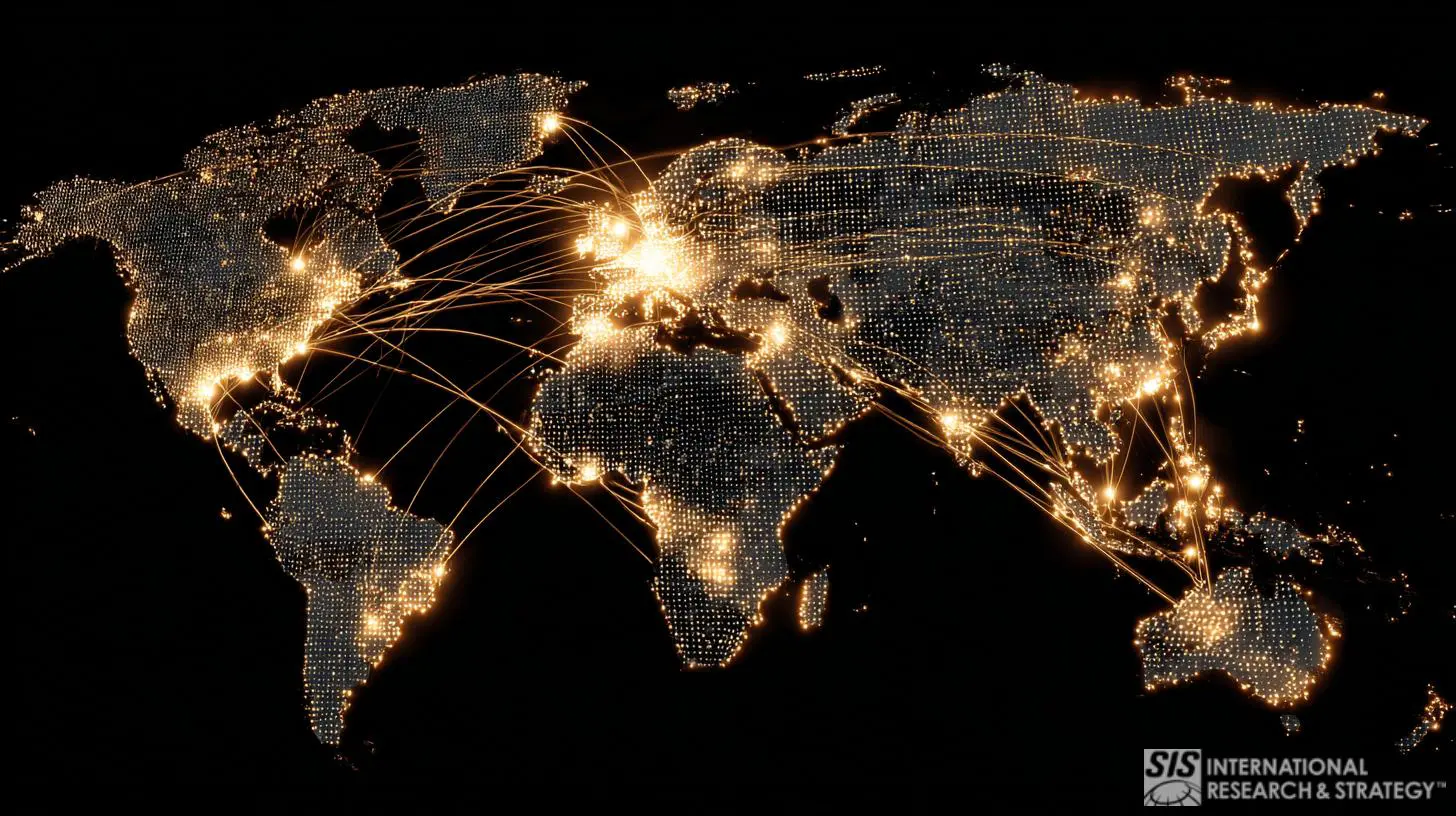
Unternehmensleiter und Entscheidungsträger verlassen sich auf Marktforschung, um neue Märkte zu identifizieren, Marktpotenziale einzuschätzen und fundierte Entscheidungen über die internationale Expansion zu treffen. Durch die Analyse von Marktdaten können Führungskräfte Wachstumschancen erkennen und Strategien entwickeln, um erfolgreich in neue Märkte einzutreten.
Geschäftsentwicklungsteams nutzen internationale Marktforschung zum Unternehmenswachstum, um potenzielle Partner zu identifizieren, Wettbewerbslandschaften zu bewerten und Markteintrittsstrategien zu entwickeln. Durch das Verständnis der Marktdynamik können sie die besten Wachstumschancen erkennen und Partnerschaften eingehen, die ihre internationalen Expansionsbemühungen unterstützen.
Investoren und Finanzinstitute nutzen internationale Marktforschung zum Unternehmenswachstum, um den potenziellen Return on Investment (ROI) internationaler Expansionsmöglichkeiten zu bewerten. Investoren können die mit internationalem Wachstum verbundenen Risiken und Chancen bewerten und fundierte Entscheidungen darüber treffen, wo Kapital eingesetzt werden soll.
Chancen im internationalen Unternehmenswachstumsmarkt
Der internationale Wachstumsmarkt für Unternehmen bietet zahlreiche Möglichkeiten für die Ausweitung ihrer globalen Präsenz, die Erschließung neuer Märkte und die Förderung eines nachhaltigen Wachstums.
- Zugang zu Schwellenmärkten: Durch die internationale Expansion erhalten Unternehmen Zugang zu Schwellenmärkten mit ungenutztem Wachstums- und Rentabilitätspotenzial. Märkte in Asien, Lateinamerika und Afrika bieten riesige Verbraucherpopulationen und wachsende Mittelschichtsegmente und bieten Unternehmen lukrative Möglichkeiten, ihre Produkte und Dienstleistungen einzuführen.
- Diversifizierung der Einnahmequellen: Durch die internationale Expansion können Unternehmen ihre Einnahmequellen diversifizieren und die Abhängigkeit von einem einzelnen Markt oder einer geografischen Region verringern. Durch die Tätigkeit auf mehreren Märkten können Unternehmen die mit Konjunkturschwankungen, regulatorischen Änderungen und Wettbewerbsdruck verbundenen Risiken mindern und gleichzeitig von unterschiedlichen Verbraucherpräferenzen und Nachfragetrends profitieren.
- Strategische Partnerschaften und Kooperationen: Die internationale Expansion öffnet Türen für strategische Partnerschaften und Kooperationen mit lokalen Unternehmen, Händlern und Lieferanten. Kooperationen erleichtern den Markteintritt, verbessern die Marktdurchdringung und nutzen lokales Fachwissen und Netzwerke, sodass Unternehmen ihr Wachstum beschleunigen und sich einen Wettbewerbsvorteil auf neuen Märkten verschaffen können.
- Zugang zu Talent- und Innovationszentren: Durch die internationale Expansion können Unternehmen auf globale Talentpools und Innovationszentren zurückgreifen und so Kreativität, Vielfalt und interkulturelle Zusammenarbeit fördern. Durch die Präsenz in wichtigen Technologieclustern und talentreichen Regionen können Unternehmen Innovationen vorantreiben, Top-Talente anziehen und in sich schnell entwickelnden Branchen der Konkurrenz einen Schritt voraus sein.
Challenges of the International Corporate Growth Market
Trotz der vielversprechenden Möglichkeiten stehen Unternehmen bei der internationalen Expansion vor mehreren Herausforderungen, deren Bewältigung sorgfältige Planung, strategische Weitsicht und operative Agilität erfordert.
- Kulturelle und sprachliche Barrieren: Kulturelle Unterschiede und Sprachbarrieren stellen für Unternehmen, die auf unterschiedlichen internationalen Märkten tätig sind, eine Herausforderung dar. Das Verständnis der lokalen Bräuche, Traditionen und Kommunikationsnormen ist unerlässlich, um Vertrauen aufzubauen, sinnvolle Beziehungen zu pflegen und bei den Zielgruppen wirksam Anklang zu finden.
- Einhaltung gesetzlicher Vorschriften und rechtliche Risiken: Um die Einhaltung gesetzlicher Vorschriften und rechtlicher Risiken auf internationalen Märkten zu gewährleisten, müssen Unternehmen über lokale Gesetze, Vorschriften und Geschäftspraktiken auf dem Laufenden bleiben. Die Einhaltung von Handelsvorschriften, Steuergesetzen und Rechten des geistigen Eigentums ist von größter Bedeutung, um Rechtsstreitigkeiten, Geldbußen und Reputationsschäden in ausländischen Rechtsräumen zu vermeiden.
- Logistik- und Lieferkettenkomplexität: Die Verwaltung komplexer Logistik- und Lieferkettenvorgänge über Grenzen hinweg bringt logistische Herausforderungen mit sich, darunter Transport, Zollabfertigung und Bestandsverwaltung. Unternehmen müssen Lieferkettenprozesse optimieren, Störungen minimieren und eine pünktliche Lieferung von Waren und Dienstleistungen sicherstellen, um die Kundennachfrage zu erfüllen und ihren Wettbewerbsvorteil zu wahren.
- Markteintritts- und Expansionskosten: Die internationale Expansion bringt erhebliche Anfangsinvestitionen und laufende Betriebskosten mit sich, darunter Marktforschung, Markteintrittsstrategien, Infrastrukturentwicklung und Talentakquise. Um die Kosten effektiv zu verwalten und gleichzeitig die Kapitalrendite zu maximieren, müssen Unternehmen robuste Finanzmodelle, Risikominderungsstrategien und Notfallpläne entwickeln.
Wie die Dienstleistungen von SIS International Unternehmen helfen

In der komplexen Landschaft des internationalen Unternehmenswachstums bietet SIS International eine umfassende Palette von Dienstleistungen an, die Unternehmen dabei unterstützen, ihre Expansionsziele zu erreichen und nachhaltiges Wachstum auf den globalen Märkten voranzutreiben.
- Strategische Marktforschung und -analyse: SIS führt internationale Marktforschung zum Unternehmenswachstum durch, um Unternehmen umsetzbare Einblicke in internationale Märkte zu geben, darunter Markttrends, Wettbewerbslandschaften und Verbraucherpräferenzen. Durch den Einsatz robuster Datenanalyse- und Forschungsmethoden ermöglichen wir unseren Kunden, fundierte Entscheidungen zu treffen und gezielte Strategien zu entwickeln, die bei einem vielfältigen internationalen Publikum Anklang finden.
- Maßgeschneiderte Markteintrittsstrategien: SIS International liefert maßgeschneiderte Markteintrittsstrategien, die auf die individuellen Bedürfnisse und Ziele von Kunden zugeschnitten sind, die eine internationale Expansion anstreben. Ob es um die Identifizierung von Zielmärkten, die Bewertung des Marktpotenzials oder die Bewertung von Markteintrittsbarrieren geht: SIS arbeitet eng mit Kunden zusammen, um maßgeschneiderte Ansätze zu entwickeln, die Markteintrittsprozesse optimieren und den Erfolg maximieren.
- Globales Netzwerk und Fachwissen: Mit einem globalen Netzwerk aus Fachleuten und Branchenexperten bietet SIS seinen Kunden Zugang zu beispiellosem Fachwissen und lokalen Marktkenntnissen in verschiedenen internationalen Märkten. Durch strategische Partnerschaften und gemeinsame Engagements helfen wir unseren Kunden, kulturelle Nuancen, regulatorische Rahmenbedingungen und Geschäftspraktiken zu meistern, um den Erfolg internationaler Unternehmenswachstumsinitiativen voranzutreiben.
- Risikominimierung und Compliance-Unterstützung: SIS unterstützt Kunden bei der Bewältigung der regulatorischen Compliance, rechtlicher Risiken und geopolitischer Herausforderungen, die mit der internationalen Expansion verbunden sind. Durch die Durchführung gründlicher Due-Diligence- und Risikobewertungen mindern wir potenzielle Risiken und stellen die Einhaltung lokaler Gesetze und Vorschriften sicher, wodurch die Interessen und der Ruf unserer Kunden in ausländischen Rechtsräumen geschützt werden.
- Kontinuierlicher Support und Leistungsüberwachung: SIS International bietet über den gesamten Lebenszyklus der Kundenaufträge hinweg ständige Unterstützung und Leistungsüberwachung und stellt sicher, dass Unternehmen fortlaufend Anleitung, Feedback und Optimierungsmöglichkeiten erhalten.
Unser Standort in New York
11 E 22nd Street, Floor 2, New York, NY 10010 T: +1(212) 505-6805
Über SIS International
SIS International bietet quantitative, qualitative und strategische Forschung an. Wir liefern Daten, Tools, Strategien, Berichte und Erkenntnisse zur Entscheidungsfindung. Wir führen auch Interviews, Umfragen, Fokusgruppen und andere Methoden und Ansätze der Marktforschung durch. Kontakt für Ihr nächstes Marktforschungsprojekt.

 DE
DE  EN
EN  AR
AR  ZH
ZH  ZH_HK
ZH_HK  NL
NL  FR
FR  IT
IT  JA
JA  KO
KO  PL
PL  PT
PT  ES
ES