
When rebranding, CPG brands must use research to listen to the customer to identify opportunities and avoid costly mistakes to build enduring value.
Rebranding can pay off for consumer packaged goods (CPG) brands. Done right, rebranding attracts new consumers, increases market share, drives sales volume, and protects profit margins. Yet there is always a risk. CPG rebranding failures make headlines and destroy brand and business value.
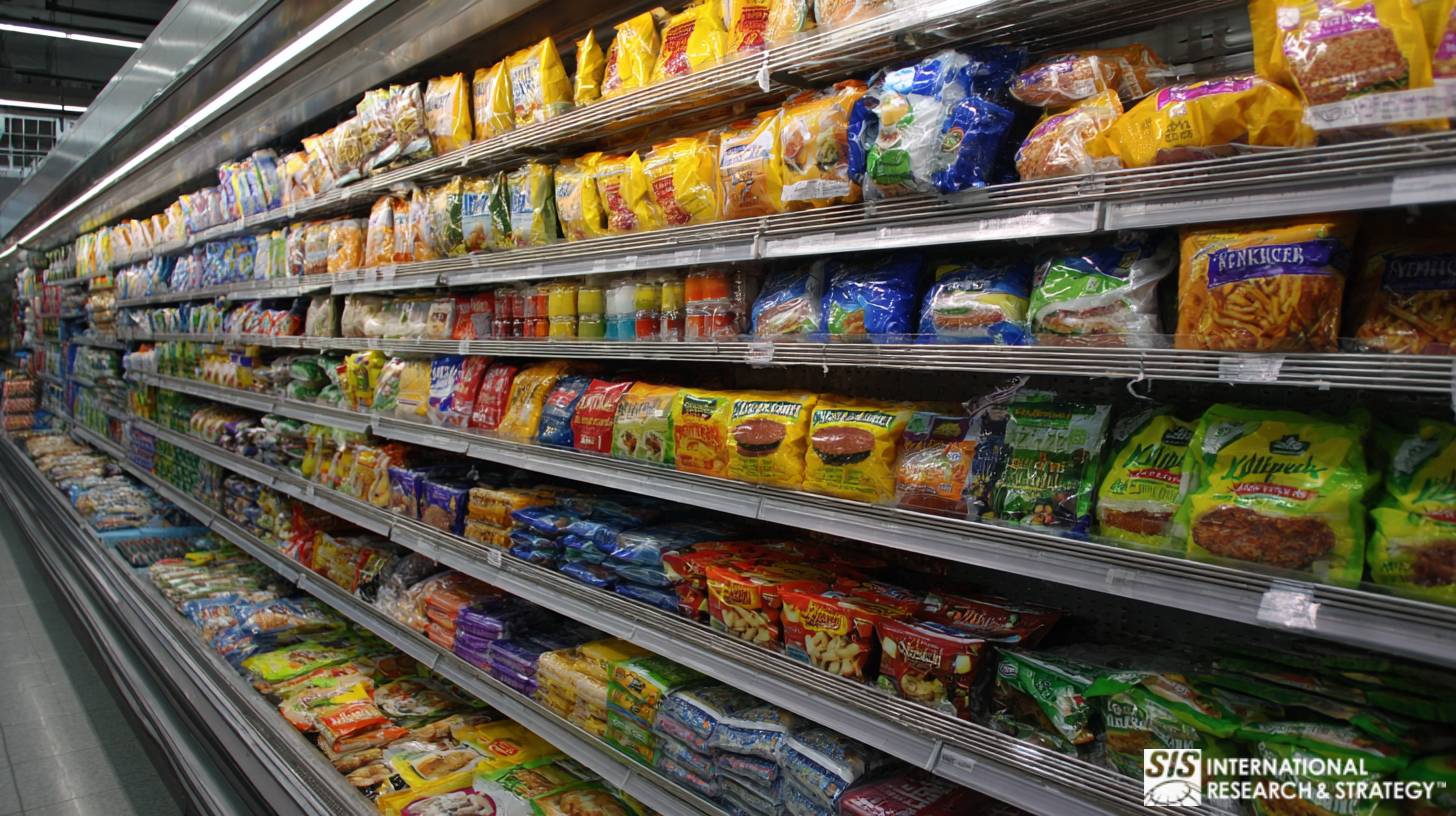
CPG brands, brands you find in grocery, drug, and mass retailers, that have successfully rebranded start with a clear business goal and move forward with a detailed understanding of what consumers want and how they think. Here we will explore a successful rebrand and a rebranding failure, diving deep into why one worked and one did not.
Why do CPG brands rebrand?
Adopting a new name, repositioning, going through a redesign—or doing all three—shouldn’t be change for the sake of change. Here are some solid business reasons behind successful consumer packaged goods rebrands:
- Attract new consumers. Making more people aware of the brand and making it more relevant can expand the potential market for a product.
- Appeal to changing tastes and attitudes. What worked before may no longer fit how people live, shop or think about a category.
- Create new usage occasions. A brand is strongly associated with one usage scenario can expand applications to grow sales—think of the many uses of baking soda beyond baking.
- Stand out from competitors. Winning the war in the store means attracting attention on the shelf and conveying how a product is both different and better.
- Signal product improvements. New ingredients, better performance, new formats, or added benefits create reasons to rethink the brand and convey the changes to consumers.
- Create a more strategic brand portfolio. A company may have too many brands, a confusing array of brands, overlapping and competing brands, or brands that no longer fit its long-term strategy. Rebranding can help clarify where a brand fits and what it stands for.
Why is research so important in rebranding consumer packaged goods brands?
Understanding what consumers think about your brand, your category, your competition, and what the future holds is the most critical component of rebranding. With detailed insights, you will know what to change, how to change, and what mistakes to avoid in a rebrand. Indeed, the key to rebrand success is research. It’s important to know:
- What do consumers think about the brand today? Think in terms of name, package, personality, heritage, and usage.
- What is working and what isn’t?
- What needs aren’t being addressed now?
- Are expectations in the category changing?
- What are important trends?
- What
- How do consumers view the competition?
- What would consumers miss if the brand changed?
CPG brands have equity you don’t want to destroy when rebranding. Research gives you the insight to make the right choices. Here are two cases: One where research helped and one where research was ignored.
Case study: Dunkin’ at Home coffee
The coffee rebrand challenge
Dunkin’ Donuts coffee, licensed to J.M. Smucker, has been sold through grocery, mass, club, drug and e-commerce channels since 2007. When Dunkin’ Donuts shops rebranded as simply Dunkin’ the CPG brand needed to change as well. The Dunkin’ Donuts name tied to brand to one product, doughnuts, and one usage scenario, coffee at breakfast. The brand could play a larger role in the changing coffee category with its 2020 coffee rebrand.
Research uncovered insights and opportunities in coffee
Coffee consumption was evolving. Research showed several potentially profitable category and consumer behavior changes:
- Consumers were drinking cold brew, nitro, frozen and blended coffee drinks, in a trend that has played out with consumption up 42% between 2020 and 2025.
- No longer just a breakfast brew, coffee and coffee-based beverages are products consumers are drinking around the clock.
- People wanted a coffee house experience for home brewed beverages.
Dunkin’ saw the chance for the brand to extend to more types of coffee drinks, more coffee drinking occasions, and the chance to bring the fun of Dunkin’ shops into kitchens, in-store refrigerator cases, and office break rooms across the country.
Dunkin’ rebranding in three parts
- The first change was to drop “Donuts” from the name. It removed a word that was holding back the product’s potential.
- The rebranding also involved repositioning. Dunkin’ wasn’t just the taste you knew from Dunkin’ shops. It emphasized the “taste you love” at home and on the go in a variety of flavors and formats. A consumer could be their own “personal barista.”
- Finally, the updated packaging kept the brand associations with the Dunkin’ shops, while supporting the new name and expanded brand portfolio of products to clearly stand out on every shelf.
Results that percolate through every level
- Retail sales grew by 24% retail sales for Dunkin’ in the first year of the rebrand
- Another year of double-digit gains followed in 2021 with sales up 16%
- Even after the COVID home coffee boom subsided, Dunkin’ continued to perform strongly as total U.S. Retail Coffee sales fell 1%.
- Sales are still holding up well in the face of rapidly rising prices
Case study: Aunt Jemima becomes Pearl Milling Company
The challenge of a questionable change:
Aunt Jemima pancake mixes and syrups were beloved for over 130 years. During the the 2020 George Floyd riots, executives and brand managers worried the brand would be seen as racist. In a bid to head off criticism and controversy, Pepsico’s Quaker subsidiary replaced the Aunt Jemima brand with a new name and identity: Pearl Milling Company.
Research suggested consumers had a nuanced view of the brand
- Consumers didn’t view Aunt Jemima as a racist stereotype. Neither black nor white consumers found Aunt Jemima to be objectionable in 2007.
- Even earlier research in 1989 powered a repositioning away from a racist stereotype to express qualities such as: Warmth, quality, good taste, heritage, and reliability.
- Research specifically with African American consumers in 1992 revealed they had positive emotions with the character, associating Aunt Jemima with an emotional appeal to family.
- The Aunt Jemima character had its start with what today’s consumers might consider a racist “Mammy” association, but newer thinking re-imagined and empowered the character as a successful female entrepreneur and restaurant owner.
PepsiCo moved ahead with the rebrand anyway
- Rather than modernize Aunt Jemima and tell a new story about the brand specifically, and celebrating African American women in general, PepsiCo renamed the company “Pearl Milling Company.”
- They redesigned the packaging to remove a warm, human figure and replaced it with a cold and generic illustration of an old-time water wheel mill with no emotional connections.
- Instead of family togetherness, the brand repositioned around being inclusive: “Joyful breakfast moments for everyone.”
Results show a pancaked brand:
- Sales collapsed when consumers lost a familiar brand with high recognition and positive associations. While a milling company may be a good association for pancake mix, it doesn’t make sense for pancake syrup.
- Willingness to pay for the new brand fell 38.5% when the Aunt Jemima image was removed and the name was changed.
- A Harris poll found 28% of people who were less likely to buy Pearl Milling vs Aunt Jemima
- Black households were less likely to purchase the brand after the rebranding announcement.
- Sales declined an average of 24.4% after the rebrand, according to an analysis of NielsenIQ retail-panel data.
- The decline is more noteworthy because the brand had done well during the pandemic, with syrup sales +18% and pancake mix sales +23% prior to the rebrand.
Rebranding: Kow what you are changing and why
The two cases above show two different approaches to rebranding CPG brands. Knowing what consumers think is vital, but so is listening to their answers. When you pay attention to what consumers are saying, you have an opportunity to preserve a brand’s strength while adding value through a rebrand.
Frequently asked questions
Why do CPG brands rebrand?
CPG brands rebrand to attract new consumers, respond to changing tastes, create new usage occasions, stand out from competitors, signa product improvements, or create a more strategic brand portfolio.
How important is consumer research to a CPG rebrand?
Understanding the customer is critical to a successful CPG rebrand. Research can reveal what consumers value about a brand, what isn’t working, unmet needs, changing category expectations, perceptions of competitors, and which elements of the existing brand have equity worth preserving.
How can consumer packaged goods brands reduce the risk of a failed rebrand?
Start by defining a clear business goal, then invest in research to identify existing brand equity, test potential changes, and determine what brand elements to preserve. The goal should be to add to brand equity without destroying what consumers already value.
When rebranding, CPG brands must use research to listen to the customer to identify opportunities and avoid costly mistakes to build enduring value.
Rebranding can pay off for consumer packaged goods (CPG) brands. Done right, rebranding attracts new consumers, increases market share, drives sales volume, and protects profit margins. Yet there is always a risk. CPG rebranding failures make headlines and destroy brand and business value.
CPG brands, brands you find in grocery, drug, and mass retailers, that have successfully rebranded start with a clear business goal and move forward with a detailed understanding of what consumers want and how they think. Here we will explore a successful rebrand and a rebranding failure, diving deep into why one worked and one did not.
Why do CPG brands rebrand?
Adopting a new name, repositioning, going through a redesign—or doing all three—shouldn’t be change for the sake of change. Here are some solid business reasons behind successful consumer packaged goods rebrands:
- Attract new consumers. Making more people aware of the brand and making it more relevant can expand the potential market for a product.
- Appeal to changing tastes and attitudes. What worked before may no longer fit how people live, shop or think about a category.
- Create new usage occasions. A brand is strongly associated with one usage scenario can expand applications to grow sales—think of the many uses of baking soda beyond baking.
- Stand out from competitors. Winning the war in the store means attracting attention on the shelf and conveying how a product is both different and better.
- Signal product improvements. New ingredients, better performance, new formats, or added benefits create reasons to rethink the brand and convey the changes to consumers.
- Create a more strategic brand portfolio. A company may have too many brands, a confusing array of brands, overlapping and competing brands, or brands that no longer fit its long-term strategy. Rebranding can help clarify where a brand fits and what it stands for.
Why is research so important in rebranding consumer packaged goods brands?
Understanding what consumers think about your brand, your category, your competition, and what the future holds is the most critical component of rebranding. With detailed insights, you will know what to change, how to change, and what mistakes to avoid in a rebrand. Indeed, the key to rebrand success is research. It’s important to know:
- What do consumers think about the brand today? Think in terms of name, package, personality, heritage, and usage.
- What is working and what isn’t?
- What needs aren’t being addressed now?
- Are expectations in the category changing?
- What are important trends?
- What
- How do consumers view the competition?
- What would consumers miss if the brand changed?
CPG brands have equity you don’t want to destroy when rebranding. Research gives you the insight to make the right choices. Here are two cases: One where research helped and one where research was ignored.
Case study: Dunkin’ at Home coffee
The coffee rebrand challenge
Dunkin’ Donuts coffee, licensed to J.M. Smucker, has been sold through grocery, mass, club, drug and e-commerce channels since 2007. When Dunkin’ Donuts shops rebranded as simply Dunkin’ the CPG brand needed to change as well. The Dunkin’ Donuts name tied to brand to one product, doughnuts, and one usage scenario, coffee at breakfast. The brand could play a larger role in the changing coffee category with its 2020 coffee rebrand.
Research uncovered insights and opportunities in coffee
Coffee consumption was evolving. Research showed several potentially profitable category and consumer behavior changes:
- Consumers were drinking cold brew, nitro, frozen and blended coffee drinks, in a trend that has played out with consumption up 42% between 2020 and 2025.
- No longer just a breakfast brew, coffee and coffee-based beverages are products consumers are drinking around the clock.
- People wanted a coffee house experience for home brewed beverages.
Dunkin’ saw the chance for the brand to extend to more types of coffee drinks, more coffee drinking occasions, and the chance to bring the fun of Dunkin’ shops into kitchens, in-store refrigerator cases, and office break rooms across the country.
Dunkin’ rebranding in three parts
- The first change was to drop “Donuts” from the name. It removed a word that was holding back the product’s potential.
- The rebranding also involved repositioning. Dunkin’ wasn’t just the taste you knew from Dunkin’ shops. It emphasized the “taste you love” at home and on the go in a variety of flavors and formats. A consumer could be their own “personal barista.”
- Finally, the updated packaging kept the brand associations with the Dunkin’ shops, while supporting the new name and expanded brand portfolio of products to clearly stand out on every shelf.
Results that percolate through every level
- Retail sales grew by 24% retail sales for Dunkin’ in the first year of the rebrand
- Another year of double-digit gains followed in 2021 with sales up 16%
- Even after the COVID home coffee boom subsided, Dunkin’ continued to perform strongly as total U.S. Retail Coffee sales fell 1%.
- Sales are still holding up well in the face of rapidly rising prices
Case study: Aunt Jemima becomes Pearl Milling Company
The challenge of a questionable change:
Aunt Jemima pancake mixes and syrups were beloved for over 130 years. During the the 2020 George Floyd riots, executives and brand managers worried the brand would be seen as racist. In a bid to head off criticism and controversy, Pepsico’s Quaker subsidiary replaced the Aunt Jemima brand with a new name and identity: Pearl Milling Company.
Research suggested consumers had a nuanced view of the brand
- Consumers didn’t view Aunt Jemima as a racist stereotype. Neither black nor white consumers found Aunt Jemima to be objectionable in 2007.
- Even earlier research in 1989 powered a repositioning away from a racist stereotype to express qualities such as: Warmth, quality, good taste, heritage, and reliability.
- Research specifically with African American consumers in 1992 revealed they had positive emotions with the character, associating Aunt Jemima with an emotional appeal to family.
- The Aunt Jemima character had its start with what today’s consumers might consider a racist “Mammy” association, but newer thinking re-imagined and empowered the character as a successful female entrepreneur and restaurant owner.
PepsiCo moved ahead with the rebrand anyway
- Rather than modernize Aunt Jemima and tell a new story about the brand specifically, and celebrating African American women in general, PepsiCo renamed the company “Pearl Milling Company.”
- They redesigned the packaging to remove a warm, human figure and replaced it with a cold and generic illustration of an old-time water wheel mill with no emotional connections.
- Instead of family togetherness, the brand repositioned around being inclusive: “Joyful breakfast moments for everyone.”
Results show a pancaked brand:
- Sales collapsed when consumers lost a familiar brand with high recognition and positive associations. While a milling company may be a good association for pancake mix, it doesn’t make sense for pancake syrup.
- Willingness to pay for the new brand fell 38.5% when the Aunt Jemima image was removed and the name was changed.
- A Harris poll found 28% of people who were less likely to buy Pearl Milling vs Aunt Jemima
- Black households were less likely to purchase the brand after the rebranding announcement.
- Sales declined an average of 24.4% after the rebrand, according to an analysis of NielsenIQ retail-panel data.
- The decline is more noteworthy because the brand had done well during the pandemic, with syrup sales +18% and pancake mix sales +23% prior to the rebrand.
Rebranding: Kow what you are changing and why
The two cases above show two different approaches to rebranding CPG brands. Knowing what consumers think is vital, but so is listening to their answers. When you pay attention to what consumers are saying, you have an opportunity to preserve a brand’s strength while adding value through a rebrand.
Frequently asked questions
Why do CPG brands rebrand?
CPG brands rebrand to attract new consumers, respond to changing tastes, create new usage occasions, stand out from competitors, signa product improvements, or create a more strategic brand portfolio.
How important is consumer research to a CPG rebrand?
Understanding the customer is critical to a successful CPG rebrand. Research can reveal what consumers value about a brand, what isn’t working, unmet needs, changing category expectations, perceptions of competitors, and which elements of the existing brand have equity worth preserving.
How can consumer packaged goods brands reduce the risk of a failed rebrand?
Start by defining a clear business goal, then invest in research to identify existing brand equity, test potential changes, and determine what brand elements to preserve. The goal should be to add to brand equity without destroying what consumers already value.