
Cosmetic Surgery Market Research
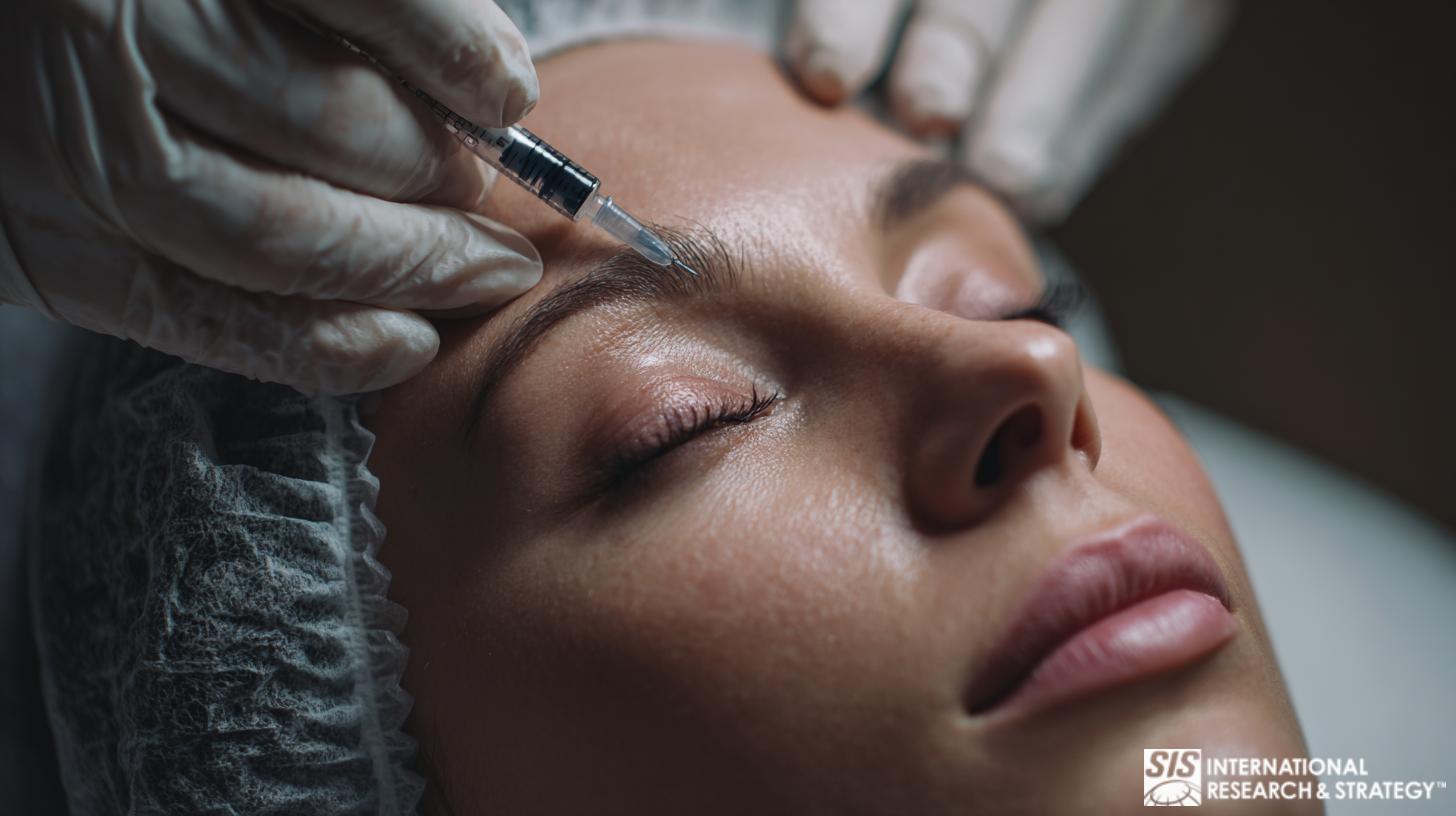
Cosmetic surgery market research aims to understand the motivations, behaviors, and preferences of consumers considering cosmetic procedures. It explores the latest innovations in surgical techniques, non-invasive treatments, and skincare products, helping businesses tailor their offerings to meet evolving consumer demands.
Worldwide demand for cosmetic surgery has markedly increased in recent decades, driven by the media, popular culture, increased job opportunities, and personal aspirations, among other factors. This makes medical science and technology advances safer, more accessible, and affordable, leading to increased cosmetic surgery market research to investigate innovations in this sector.
What is Cosmetic Surgery Market Research?
Cosmetic surgery market research analyzes the dynamics of the cosmetic surgery industry. It mixes data, insights, and trends related to procedures, technologies, and patient demographics to provide an all-encompassing understanding of the industry’s landscape.
From facelifts, rhinoplasties, and breast augmentations to non-invasive treatments like botox or fillers, the research covers a vast range of surgical and non-surgical procedures, which are also on the rise. For this reason, cosmetic surgery market research employs various methodologies such as surveys, interviews with practitioners and patients, observational studies, and data analytics to provide the most relevant information possible to participants in this industry.
Why Is Cosmetic Surgery Market Research Important Today?
Cosmetic surgery market research offers insights into the industry, uncovering which procedures are rising or declining. Therefore, market research sheds light on potential patients’ motivations, apprehensions, and preferences.
Additionally, cosmetic surgery is at the forefront of medical technology, and research helps in understanding the adoption rates of new technologies, their efficacy, and areas where innovations can be particularly beneficial. Cosmetic surgery market research provides insights into societal views, concerns, and growth opportunities.
In any case, it brings many other benefits such as:
- Identifying Market Trends: Through market research, businesses can stay informed about emerging trends, technological advancements, and shifting consumer preferences within the cosmetic surgery industry.
- Assessing Competitive Landscape: Market research allows businesses to conduct competitive analysis, evaluating the strengths, weaknesses, and strategies of competitors in the cosmetic surgery market.
- Optimizing Marketing Strategies: Insights from market research inform the development of targeted marketing campaigns and promotional activities.
- Informing Product Development: Market research provides valuable feedback on new product concepts, treatment modalities, and service offerings.
- Mitigating Risk: By conducting thorough market research, businesses can assess the potential risks and challenges associated with new initiatives, market expansions, or investment decisions.
When to Conduct Cosmetic Surgery Market Research
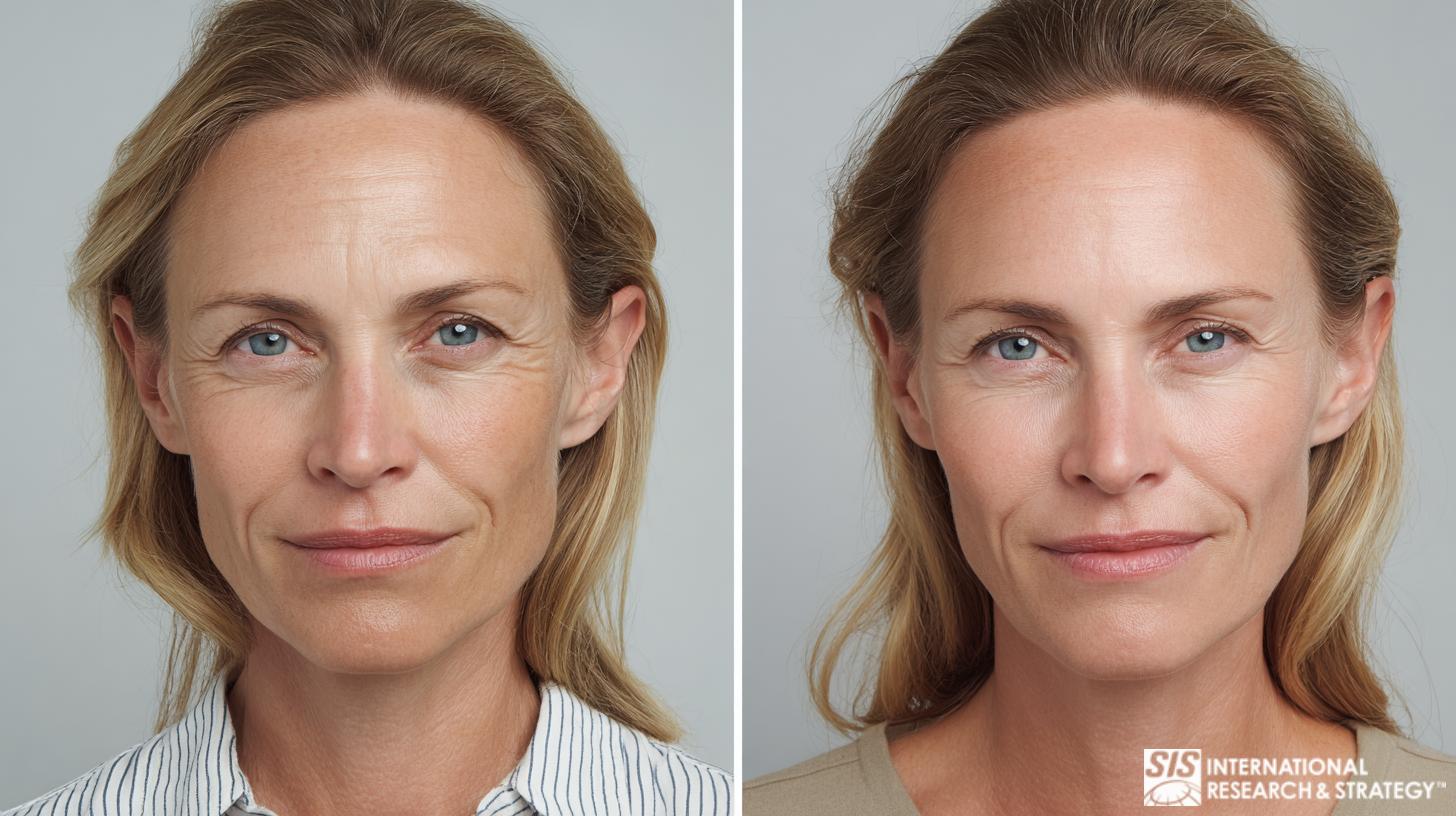
Determining the optimal timing for conducting cosmetic surgery market research is essential for maximizing its effectiveness and impact. Here are vital considerations for timing market research initiatives in the cosmetic surgery industry:
- Pre-Launch Phase: Conducting cosmetic surgery market research during the pre-launch phase of a new product or service allows businesses to gather insights into consumer preferences, market demand, and competitive landscape before investing significant resources.
- Regular Monitoring: Market research should be an ongoing process rather than a one-time endeavor. Regular monitoring of market trends, consumer preferences, and competitive dynamics allows businesses to stay informed about changes in the cosmetic surgery industry and adapt their strategies accordingly.
- Product Lifecycle Management: Throughout the product lifecycle, from development to maturity, cosmetic surgery market research is critical in guiding product evolution, marketing strategies, and pricing decisions.
- Post-Implementation Evaluation: After implementing strategic initiatives or launching new products or services, businesses should conduct post-implementation evaluations to assess the effectiveness of their strategies and initiatives.
Emerging Trends
The landscape of the cosmetic surgery sector is constantly evolving, responding to the rapid pace of technological advancements, shifting societal norms, and consumer demands. In the latest cosmetic surgery market research, several prominent trends have emerged, underlining this industry’s dynamic and responsive nature. Here’s a closer look at these developments:
- Rise of Minimally Invasive Procedures: Recent cosmetic surgery market research indicates a growing preference for procedures with minimal downtime and lower risk factors. Treatments such as thread lifts, dermal fillers, and laser therapies are becoming increasingly popular, offering effective results with less recovery time.
- Cosmetic Surgery and Technology: Advanced imaging systems, like 3D simulations, now allow patients to visualize potential results before undergoing surgery, leading to more informed decisions. AI-driven platforms are assisting surgeons in planning and executing surgeries with higher precision.
- Increase in Male Cosmetic Surgeries: Men are becoming a significant demographic in cosmetic surgery. From hair transplants to body contouring, there is a rising trend of men seeking enhancements to boost confidence and achieve desired aesthetics.
- Preventative Treatments: Younger age groups are now approaching cosmetic surgery not just for enhancement but for prevention. Treatments like Botox, traditionally sought by older demographics to treat wrinkles, are now used preventatively by younger individuals.
- Medical Tourism for Cosmetic Surgery: Certain countries are emerging as hotspots for cosmetic procedures, driven by the combination of expert surgeons, state-of-the-art facilities, and cost-effective rates. This has led to a surge in medical tourism, with individuals traveling abroad specifically for surgeries.
Expected Results from SIS’s Cosmetic Surgery Market Research
SIS International’s cosmetic surgery market research provides businesses with valuable insights and actionable recommendations to enhance their competitiveness and drive growth in the cosmetic surgery industry. Here are some expected results from SIS’s market research initiatives:
Consumer Insights:
SIS uncovers deep insights into consumer preferences, motivations, and decision-making processes related to cosmetic surgery. By understanding consumer needs, desires, and concerns, businesses can tailor their services and marketing strategies to better resonate with their target audience.
Market Trends and Opportunities:
SIS’s cosmetic surgery market research identifies emerging trends, technological advancements, and growth opportunities within the cosmetic surgery market. Our research helps businesses stay ahead of the curve and capitalize on lucrative opportunities.
Competitive Intelligence:
Our team provides businesses with valuable competitive intelligence, allowing them to assess competitors’ strengths and weaknesses, benchmark their performance, and identify areas for differentiation. By understanding competitor strategies, market positioning, and customer perceptions, businesses can refine their offerings and gain a competitive edge.
Strategic Recommendations:
Based on comprehensive analysis and insights, SIS delivers strategic recommendations to help businesses optimize their operations, marketing strategies, and growth initiatives. Our recommendations are tailored to each client’s unique needs and objectives.
Risk Mitigation:
SIS’s market research helps businesses identify and mitigate potential risks and challenges associated with market dynamics, regulatory changes, and competitive pressures. By anticipating risks and developing contingency plans, businesses can navigate uncertainties more effectively and safeguard their long-term success.
Regional Insights
The cosmetic surgery market exhibits variations in demand, trends, and regulatory environments across regions globally. Here are some regional insights into the cosmetic surgery market:
North America: North America, particularly the United States, dominates the global cosmetic surgery market in revenue and procedure volume. Factors contributing to this dominance include high awareness about aesthetic procedures, favorable reimbursement policies, advanced healthcare infrastructure, and a culture that values physical appearance. Major cities like Los Angeles, New York, and Miami are hubs for cosmetic surgery, attracting patients worldwide seeking quality treatment options.
Europe: Europe is another significant market for cosmetic surgery, with countries like Germany, France, and the United Kingdom leading in terms of procedure volume and market share. The European market benefits from a well-established healthcare system, stringent regulatory standards, and a growing acceptance of aesthetic procedures. Cosmetic tourism is also prevalent in Europe, with patients traveling to countries like Turkey and Poland for cost-effective treatments and high-quality care.
Asia Pacific: The Asia Pacific region is experiencing rapid growth in the cosmetic surgery market, driven by rising disposable incomes, changing beauty standards, and increasing awareness about aesthetic procedures. Countries like South Korea, Japan, and China are key contributors to market growth, with a strong demand for procedures such as double eyelid surgery, rhinoplasty, and skin whitening treatments. Cosmetic surgery tourism also thrives in destinations like Thailand and South Korea, attracting patients from neighboring countries seeking affordable, high-quality treatments.
Latin America: Latin America has emerged as a prominent market for cosmetic surgery, fueled by a growing middle class, cultural emphasis on beauty, and availability of skilled plastic surgeons. Countries like Brazil, Mexico, and Colombia are popular destinations for cosmetic procedures focusing on body contouring, breast augmentation, and facial rejuvenation. Cosmetic surgery is often integrated with medical tourism in Latin America, with clinics offering comprehensive packages that include surgery, accommodation, and post-operative care.
Key Target Audience
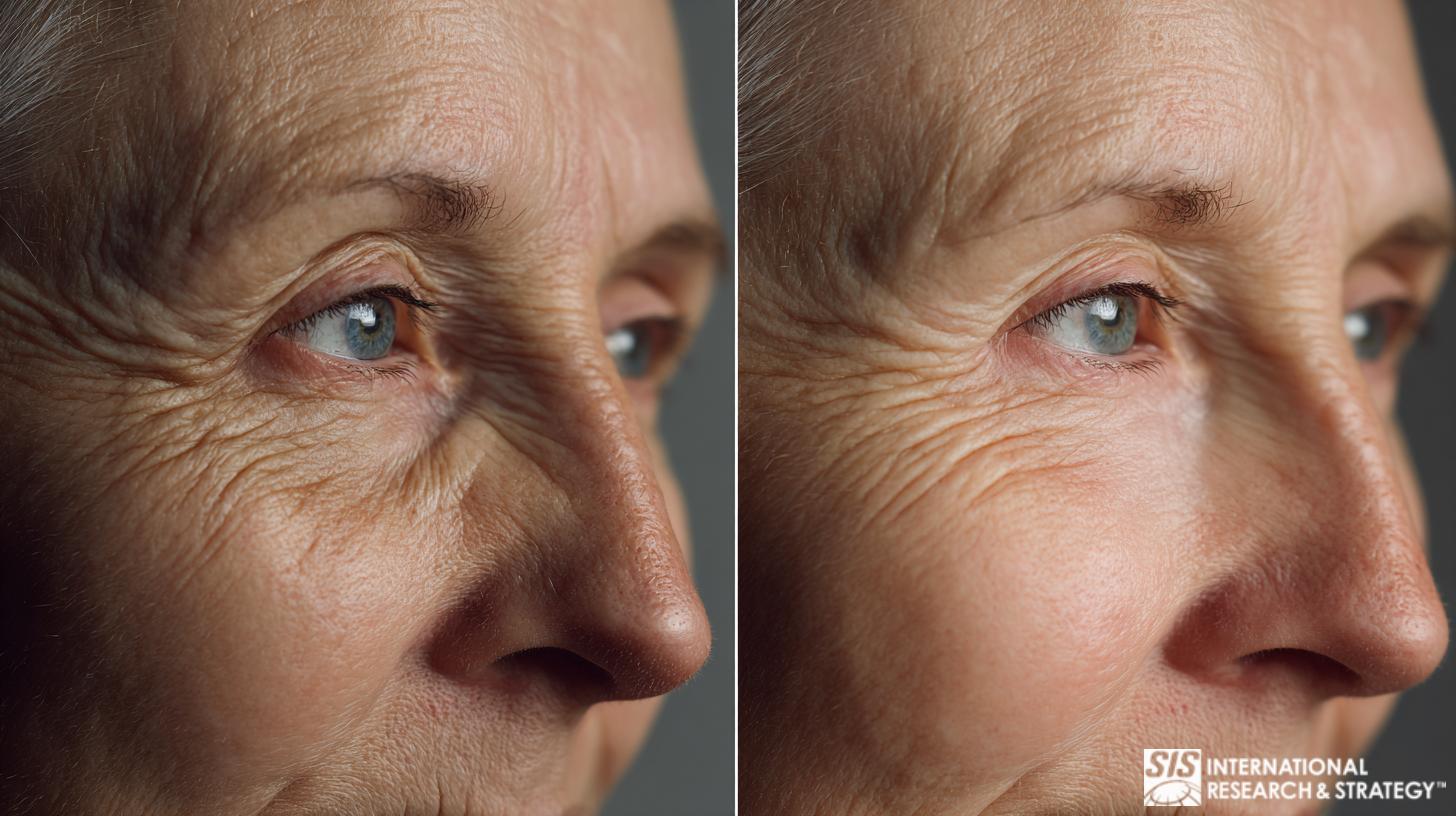
Several key target audiences in the cosmetic surgery market influence demand for aesthetic procedures and treatments. Understanding these audiences is crucial for developing effective marketing strategies and tailored services. Here are some key target audiences in the cosmetic surgery market:
- Women: Women constitute a significant portion of the cosmetic surgery market, accounting for most patients undergoing aesthetic procedures. Women of all ages seek cosmetic enhancements to improve their physical appearance, boost self-confidence, and address specific concerns such as aging signs, body contouring, and facial symmetry.
- Men: While historically less prevalent, the demand for cosmetic surgery has steadily increased in recent years. Men seek liposuction, gynecomastia surgery, rhinoplasty, and hair transplant to enhance their appearance, reverse aging signs, and maintain a competitive edge in the workplace and social spheres.
- Young Adults: Young adults, particularly millennials and Generation Z are increasingly interested in cosmetic procedures to achieve aesthetic goals and maintain a youthful appearance. Standard procedures among this demographic include non-invasive treatments like Botox, dermal fillers, chemical peels, and laser therapy to address early signs of aging, acne scars, and uneven skin tone.
- High-Income Individuals: High-income individuals with disposable income are critical targets for cosmetic surgery clinics and medical aesthetics practices. These individuals are willing to invest in premium procedures and personalized treatments to achieve optimal results and address specific aesthetic concerns. They may seek exclusive services, advanced technologies, and luxury amenities to enhance their cosmetic experience.
- Medical Tourists: Medical tourists, both domestic and international, represent a growing segment of the cosmetic surgery market. They travel to destinations known for their expertise in cosmetic procedures, affordable pricing, and high-quality care. Medical tourists often seek a wide range of treatments, from routine procedures to complex surgeries, and contribute significantly to the global cosmetic surgery industry.
What are the Largest-Growing Segments?
In the dynamic landscape of cosmetic surgery, specific segments are experiencing notable growth driven by evolving trends, technological advancements, and changing consumer preferences. Here are some of the largest-growing segments within the cosmetic surgery market:
- Non-Invasive Procedures: Non-invasive cosmetic procedures are significantly growing due to minimal downtime, reduced risks, and natural-looking results. Treatments such as Botox injections, dermal fillers, laser skin resurfacing, and chemical peels are popular among individuals seeking quick fixes for wrinkles, fine lines, and skin imperfections without surgery.
- Minimally Invasive Body Contouring: Minimally invasive body contouring procedures, such as liposuction alternatives and skin tightening treatments, are gaining popularity as patients seek less invasive options for sculpting their bodies and achieving desired aesthetic outcomes. Technologies like radiofrequency, ultrasound, and cryolipolysis offer practical fat reduction, cellulite reduction, and skin tightening solutions with minimal discomfort and downtime.
- Injectables and Fillers: Injectable treatments, including neurotoxins and dermal fillers, continue to be among the fastest-growing segments in the cosmetic surgery market. These products restore volume, soften wrinkles, and enhance facial contours, catering to a broad range of aesthetic concerns. With product formulations and injection technique advancements, injectables have become indispensable tools for facial rejuvenation and enhancement.
- Cosmetic Dentistry: The field of cosmetic dentistry is experiencing steady growth as individuals prioritize the appearance of their smiles and seek treatments to improve dental aesthetics. Procedures such as teeth whitening, dental veneers, orthodontics, and dental implants are in high demand, driven by the desire for a brighter, straighter, and more attractive smile.
Market Drivers
Several factors drive the growth and demand for cosmetic surgery, shaping the market landscape. Understanding these market drivers is essential for stakeholders to identify opportunities, develop strategies, and capitalize on emerging trends. Here are some key market drivers in the cosmetic surgery industry:
Changing Societal Norms and Beauty Standards: Evolving societal norms and beauty standards influence consumer perceptions of beauty and drive the demand for cosmetic procedures. The normalization of cosmetic procedures and celebrity endorsements further contribute to the growing acceptance of cosmetic surgery.
Aging Population: The aging population, particularly the baby boomer demographic, represents a significant market driver for cosmetic surgery. The desire to look and feel younger drives demand for procedures such as facelifts, eyelid surgery, and injectables.
Rise in Disposable Income: Increasing disposable income levels, especially among the middle and upper-middle-class populations, enable more individuals to afford cosmetic surgery. Rising affluence also fuels demand for luxury cosmetic procedures and premium services.
Medical Tourism: The globalization of healthcare and the rise of medical tourism contribute to expanding the cosmetic surgery market. Popular medical tourism destinations, such as Thailand, South Korea, and Brazil, attract international patients seeking high-quality care, skilled surgeons, and cost savings.
Market Restraints
Despite the growth and opportunities in the cosmetic surgery market, several factors act as restraints, presenting challenges for industry stakeholders. Understanding these market restraints is crucial for mitigating risks, addressing barriers, and sustaining growth in the industry. Here are some key market restraints in the cosmetic surgery sector:
Regulatory Challenges: Stringent regulatory requirements and varying licensing standards across jurisdictions pose challenges for cosmetic surgery providers. Compliance with regulations related to patient safety, medical device approval, advertising standards, and professional licensing adds complexity to the operation of cosmetic surgery practices and increases administrative burdens.
High Treatment Costs: Cosmetic surgery procedures can be a significant barrier for many individuals, particularly those without adequate insurance coverage or disposable income. Expensive surgical interventions, combined with additional fees for anesthesia, facility charges, and post-operative care, may deter potential patients from pursuing desired treatments, leading to decreased demand and revenue.
Risk of Complications: Like any surgical procedure, cosmetic surgery carries inherent risks of complications, including infection, bleeding, scarring, and adverse reactions to anesthesia. The possibility of unsatisfactory outcomes or unforeseen complications may deter patients from undergoing surgery or cause dissatisfaction post-procedure, leading to reputational damage and legal liabilities for surgeons and clinics.
Stigma and Social Perception: Despite increasing acceptance of cosmetic procedures, stigma and negative social perceptions surrounding cosmetic surgery persist in some communities and cultural contexts. Fear of judgment, criticism, or societal backlash may discourage individuals from openly seeking cosmetic enhancements or discussing their treatment experiences, leading to reduced patient engagement and reluctance to undergo procedures.
Ethical Concerns: Ethical considerations related to body image ideals, patient autonomy, and societal pressures to conform to beauty standards can impact the ethical practice of cosmetic surgery. Providers must navigate ethical dilemmas such as informed consent, patient expectations, and the promotion of realistic treatment outcomes while upholding professional integrity and ethical standards.
Lack of Insurance Coverage: Most cosmetic surgery procedures are considered elective and are not covered by health insurance plans, leaving patients responsible for covering the total cost of treatment out-of-pocket. The absence of insurance coverage limits accessibility to cosmetic procedures for individuals who cannot afford to pay for treatment upfront, resulting in disparities in access to care based on socioeconomic status.
Opportunities
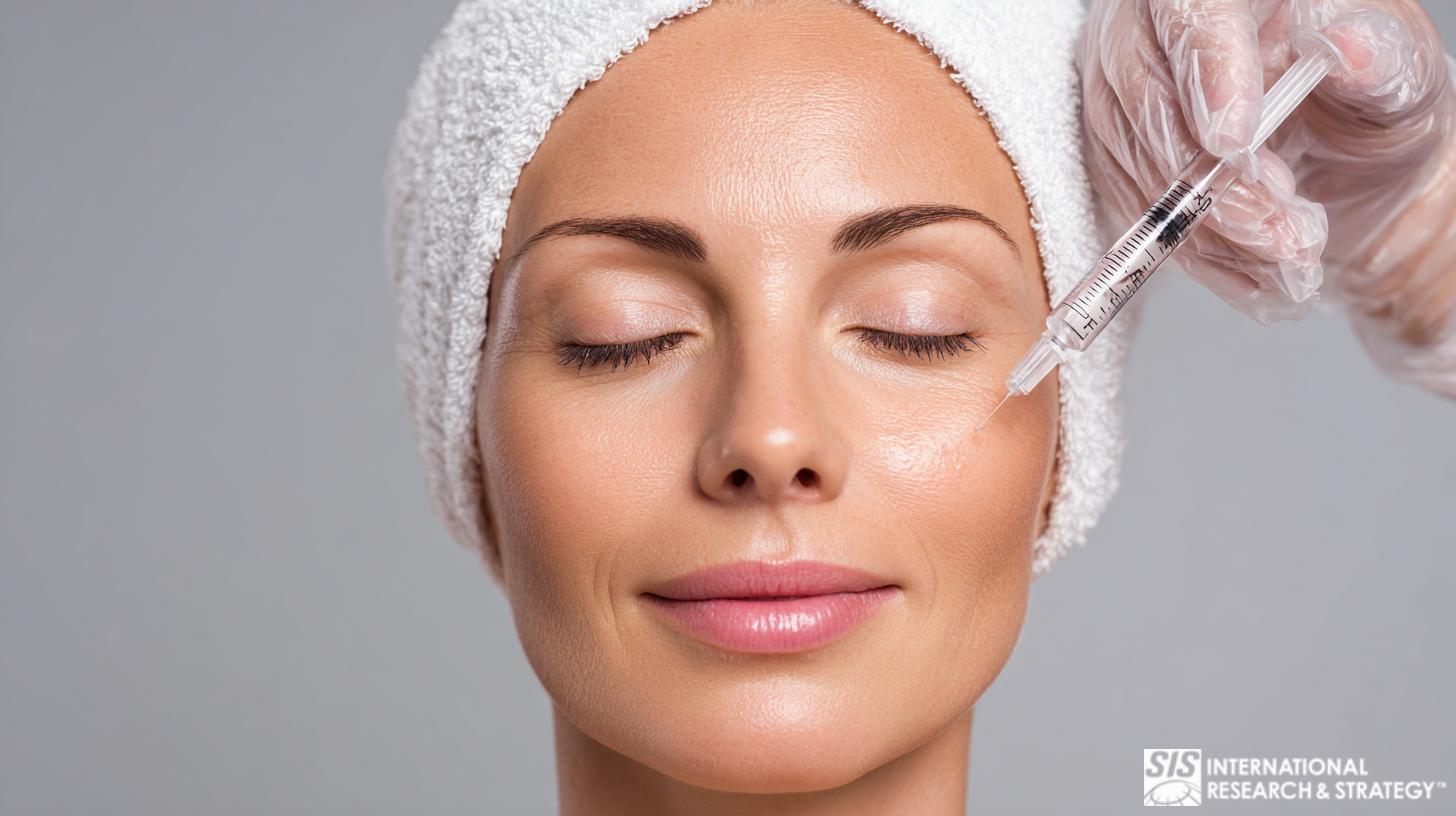
Despite the challenges and restraints, several opportunities exist within the cosmetic surgery market for businesses to innovate, expand their services, and capitalize on emerging trends. Identifying and leveraging these opportunities can help cosmetic surgery providers thrive in a competitive landscape.
- Diversification of Services: Expanding service offerings beyond traditional surgical procedures to include non-surgical treatments, medical aesthetics, wellness services, and complementary therapies can broaden the customer base and cater to diverse patient needs. Integrating holistic approaches, such as nutrition counseling, lifestyle coaching, and mindfulness practices, can create comprehensive treatment plans and foster long-term patient relationships.
- Targeted Marketing and Branding: Implementing targeted marketing strategies and branding initiatives that resonate with specific demographics, such as millennials, men, or ethnic minorities, can effectively reach niche markets and drive patient engagement. Social media platforms, influencer partnerships, and educational content marketing can enhance brand visibility, build trust, and attract new clientele.
- Customization and Personalization: Offering customized treatment plans and personalized experiences tailored to each patient’s unique preferences, goals, and anatomy can differentiate businesses and enhance patient satisfaction. Implementing patient-centric care models, incorporating patient feedback mechanisms, and fostering a culture of empathy and compassion can create memorable experiences that foster loyalty and word-of-mouth referrals.
- Expansion into Emerging Markets: Exploring opportunities in emerging markets and underserved regions with growing disposable incomes, increasing beauty consciousness, and evolving healthcare infrastructure can unlock new revenue streams and diversify market presence. Strategic partnerships, joint ventures, and alliances with local stakeholders can facilitate market entry and mitigate risks associated with international expansion.
Future Projections in Cosmetic Surgery Market Research
Possible future trends in cosmetic surgery market research include the following:
- Surging Demand for Non-invasive Procedures: Cosmetic surgery market research suggests that the demand for non-invasive or minimally invasive procedures will continue to rise. Technologies enabling faster recovery and lesser downtime, like cryolipolysis and ultrasonic skin tightening, are expected to dominate the market.
- Innovations in Biotechnology: The intersection of biotech and cosmetic surgery is set to witness groundbreaking innovations. For example, laboratory-grown skin for grafting or genetically tailored treatments are expected to become the standard in the market and achieve the desired results with minimal external intervention.
- Expanding Demographics: Beyond the rising trend in male surgeries, there will be a broader representation of age groups. The senior population, driven by a desire to look as young as they feel, will contribute significantly to the market.
- Growth in Emerging Markets: Countries in the Asia-Pacific region, particularly South Korea, China, and India, will see robust growth fueled by changing beauty standards, increasing disposable incomes, and advancements in medical infrastructure.
- Integration of AI and Robotics: Cosmetic surgery market research anticipates the increased integration of AI in diagnostic processes and robotic assistance in surgeries, ensuring precision and consistency.
Industry Attractiveness: Porter’s Five Forces Analysis of the Cosmetic Surgery Market
Porter’s Five Forces framework analyzes the competitive forces shaping an industry’s attractiveness and profitability. Applying this framework to the cosmetic surgery market can help businesses assess the intensity of competition, the bargaining power of suppliers and buyers, the threat of new entrants, and the threat of substitutes. Here’s a breakdown of Porter’s Five Forces analysis for the cosmetic surgery industry:
1. Threat of New Entrants: The threat of new entrants into the cosmetic surgery market is relatively moderate. While the industry has low barriers to entry in terms of regulatory requirements and capital investment compared to other healthcare sectors, establishing credibility, building a reputation, and acquiring skilled medical personnel pose significant challenges for new entrants.
2. Bargaining Power of Suppliers: Suppliers’ bargaining power is moderate, as cosmetic surgery practices typically rely on a range of suppliers for medical equipment, supplies, and support services. However, the availability of alternative suppliers, competitive pricing, and the ability to negotiate favorable terms can mitigate supplier power and influence cost structures.
3. Bargaining Power of Buyers: The bargaining power of buyers, including patients seeking cosmetic procedures, varies depending on treatment demand, pricing transparency, and patient preferences. While patients have some degree of bargaining power in negotiating treatment costs and selecting providers, the emotional nature of cosmetic surgery decisions and the desire for quality outcomes often outweigh price considerations. Providers that offer value-added services, financing options, and exceptional patient experiences can maintain a competitive edge and mitigate buyer bargaining power.
4. Threat of Substitutes: The threat of substitutes for cosmetic surgery procedures is low, as alternative treatments or interventions may not offer comparable results or meet patient expectations. Non-surgical aesthetic treatments, skincare products, and lifestyle modifications may complement or delay the need for surgical interventions but cannot replicate the transformative effects of cosmetic surgery. However, advancements in non-invasive procedures and beauty technologies could increase the attractiveness of non-surgical alternatives as viable substitutes over time.
5. Intensity of Competitive Rivalry: Competitive rivalry within the cosmetic surgery industry is high, driven by numerous providers competing for market share, differentiation, and patient loyalty. Brand reputation, clinical expertise, service quality, pricing strategies, and marketing effectiveness influence competitive dynamics. Market consolidation, mergers and acquisitions, and provider strategic alliances may intensify competition and reshape industry dynamics.
How SIS International’s Market Research and Consulting Services Help Businesses
SIS International’s market research and consulting services offer comprehensive solutions tailored to businesses’ specific needs and objectives across various industries. By leveraging cutting-edge methodologies, industry expertise, and strategic insights, SIS empowers businesses to achieve their goals, optimize performance, and drive sustainable growth. Here’s how our services deliver tangible benefits to businesses:
Risk Reduction:
SIS International‘s rigorous market research and analysis help businesses identify and mitigate potential risks and uncertainties in their operating environment. By conducting thorough market assessments, competitive analyses, and regulatory compliance evaluations, SIS enables businesses to make informed decisions, anticipate challenges, and proactively manage risk factors that could impact their success.
Revenue Boost:
Through in-depth market intelligence, trend analysis, and consumer insights, our team enables businesses to identify untapped opportunities, optimize product/service offerings, and refine marketing strategies to drive revenue growth. By understanding customer needs, preferences, and purchasing behaviors, businesses can develop targeted marketing campaigns, product innovations, and pricing strategies that resonate with their target audience and drive sales.
Cost Savings:
SIS International’s research-driven approach helps businesses optimize resource allocation, streamline operations, and identify areas for cost savings and efficiency improvements. By analyzing market trends, competitive benchmarks, and industry best practices, we assist businesses in optimizing their supply chain management, marketing expenditures, and operational processes to achieve cost savings and improve profitability.
Time Savings:
With efficient research methodologies, advanced analytics tools, and industry expertise, SIS International enables businesses to accelerate decision-making processes and go-to-market timelines. By providing timely insights, actionable recommendations, and strategic guidance, SIS International helps businesses minimize time-to-market, capitalize on emerging opportunities, and stay ahead of competitors in dynamic market environments.
Growth and Innovation Acceleration:
SIS International fosters a culture of innovation and continuous improvement by facilitating ideation, market validation, and product development initiatives. Through collaborative workshops, customer co-creation sessions, and innovation labs, SIS helps businesses generate new ideas, validate concepts, and accelerate innovation cycles to drive growth and maintain competitive relevance.
ROI Enhancement:
SIS helps businesses maximize their ROI in market research and consulting initiatives by delivering actionable insights, strategic recommendations, and measurable outcomes. Whether optimizing marketing spend, launching new products, or entering new markets, SIS International’s services are designed to deliver tangible results and measurable impact on business performance and profitability.