What Makes SIS International Research the TOP Market Research Firm for Food Taste Testing in New York City

New York City is an ideal choice for food taste testing. With its cultural diversity, ever-evolving culinary landscape, and engaged consumers, NYC provides unparalleled opportunities for companies to gather insights that can make or break their culinary products… and SIS International’s food taste testing is a top choice for testing new products an ever-expanding market.
The Cultural Diversity of New York City
One of the primary reasons why New York City is an excellent city for food taste testing is its incredible cultural diversity. This diversity is vital for food taste testing, as it allows companies to gather feedback from a broad cross-section of consumers with varying flavor preferences and dietary habits.
SIS International’s food taste testing facilities and expertise allow companies to test their products with consumers from different ethnic backgrounds. This is crucial when developing foods that appeal to a broad market. Whether it’s testing a new spicy sauce, a vegan product, or a fusion dish, NYC’s diverse population ensures that companies can gather various opinions and insights, helping them create products that are more likely to succeed in the marketplace.
What makes New York so Unique?
Conducting food taste testing in New York City gives companies access to a diverse population highly engaged with food culture. From trendy pop-up food events to established fine dining experiences, New Yorkers are always looking for new tastes and flavors. This makes their feedback particularly valuable for companies looking to introduce new and innovative products.
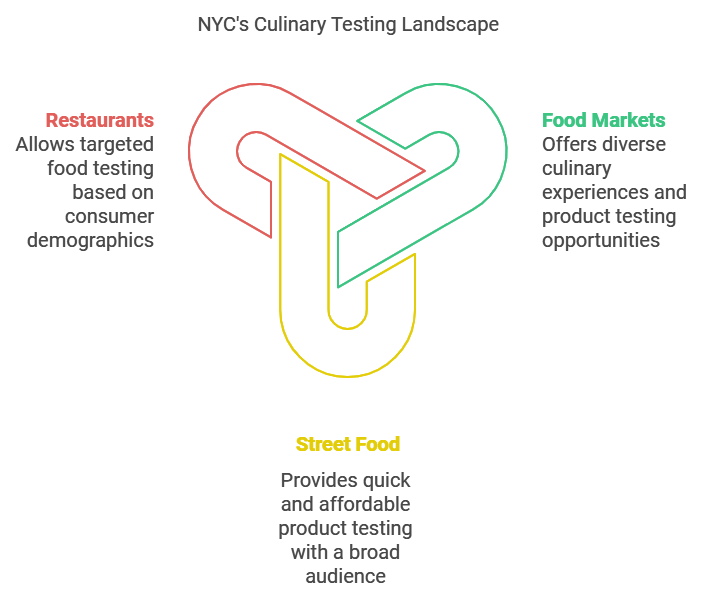
- Food Markets and Events: The city is filled with food markets, like Chelsea Market and Union Square Greenmarket, which provide various culinary experiences and opportunities to test new products.
- Street Food and Food Trucks: NYC’s bustling streets are lined with food trucks and carts that offer diverse, affordable, and quick bites, making it easy for companies to test products with a broad audience.
- Restaurants and Cafes: From upscale dining to casual cafes, NYC’s various restaurants allow targeted food testing based on consumer demographics.
High Population Density and Consumer Accessibility

New York City’s high population density and accessibility make it an excellent location for food taste testing. Companies can conduct large-scale tests that yield statistically significant results. Additionally, the city’s extensive public transportation system makes it easy for participants to travel to taste-testing events, ensuring diverse attendees.
The availability of centralized test sites, such as food markets, community centers, and culinary schools, further enhances the efficiency of food taste testing in New York City. Companies can conduct tests in various locations, ensuring that their product reaches different consumer segments and provides a comprehensive understanding of consumer preferences.
Partnership Opportunities with Culinary Institutions
Another advantage of SIS International’s food taste testing is collaborating with some of the country’s leading culinary institutions. New York City is home to renowned culinary schools, such as the Culinary Institute of America and the Institute of Culinary Education, which offer companies opportunities to partner with culinary experts and gather professional feedback.
Working with these culinary institutions allows companies to gain insights from everyday consumers and receive expert opinions on flavor profiles, presentation, and overall product quality. These partnerships can add an extra layer of value to food taste testing, helping companies refine their products to meet the highest standards of quality and taste.
Leveraging Food Festivals for Maximum Exposure
Events like the New York City Wine & Food Festival and the NYC Food & Drink Festival present prime opportunities for companies to showcase their products to a broad and enthusiastic audience. By leveraging these food festivals, companies can conduct real-time food taste testing while gaining exposure and creating excitement around their products.
These festivals draw foodies, culinary professionals, and media coverage, providing valuable visibility for new food products. During these festivals, food taste testing in New York City allows companies to gauge public reactions, gather immediate feedback, and make necessary adjustments to better align with consumer expectations.
SIS International’s Proven Approach to Food Taste Testing
When it comes to food taste testing, SIS International is at the forefront of delivering valuable, actionable insights that help brands thrive in New York City’s competitive food and beverage market. SIS International’s food taste testing approach is uniquely designed to capture the nuanced preferences of consumers in a region as diverse and dynamic as NYC. Here’s how their process stands out:
Tailored Demographic Segmentation
SIS International’s food taste testing incorporates tailored demographic segmentation to target key consumer groups. By focusing on factors like age, cultural background, dietary preferences, and lifestyle, we ensure that each taste test reflects the true diversity of NYC’s population. This segmentation approach allows brands to see how specific demographics perceive their products. It provides the granularity needed to refine recipes, adjust flavors, or even develop new products that cater directly to their target audience.
Sensory Analysis Expertise
At the core of SIS International’s food taste testing is its expertise in sensory analysis. This scientific approach evaluates how consumers perceive a product’s flavor, texture, appearance, and aroma. SIS International’s sensory analysis process is meticulous, providing clients with a detailed breakdown of how each product element is received. By isolating and analyzing these sensory aspects, SIS helps brands understand which qualities resonate with consumers and which may need adjustments. This attention to detail ensures that brands can confidently make decisions that enhance the overall consumer experience.
Advanced-Data Analytics and Real-Time Insights
SIS International combines traditional sensory analysis with advanced data analytics to provide a modernized, comprehensive view of consumer preferences. Using data visualization tools and predictive analytics, SIS International’s food taste testing offers real-time insights that allow brands to quickly understand emerging trends, consumer sentiment, and areas for improvement. By leveraging these data-driven insights, brands can make rapid, evidence-based product adjustments, giving them a competitive edge in NYC’s fast-paced market.
Customized Reporting for Strategic Decision-Making
One of the standout features of SIS International’s approach is its customized reporting, which translates complex taste-testing data into actionable insights. Each report is tailored to the brand’s goals, providing clear, concise information that guides strategic decision-making. Whether brands are looking to fine-tune a recipe, assess market readiness, or launch a new product, SIS International’s food taste testing reports give them the confidence to make informed choices backed by data specific to the NYC market.
Proven Success with Top Brands in NYC
With a track record of success, SIS International’s food taste testing services have been trusted by top brands across New York City. Their ability to deliver reliable, localized insights has cemented their reputation as the go-to firm for brands that want to understand and captivate NYC consumers. Case studies and client testimonials further underscore SIS International’s expertise in this area, showcasing their role in helping brands successfully launch, reposition, and optimize products.
Why Top Brands Choose SIS International for Food Taste Testing in NYC
Top brands in NYC’s competitive food and beverage industry turn to SIS International for food taste testing because they need insights that go beyond basic flavor preferences—they need a strategic partner with proven expertise in navigating complex consumer landscapes. Here’s why SIS International is the preferred choice for brands seeking to thrive in NYC’s bustling market.
Deep Market Expertise and Local Knowledge
SIS International’s food taste testing team intimately understands New York City’s distinct neighborhoods, demographics, and cultural dynamics. Unlike generic market research firms, SIS International taps into the unique characteristics of the NYC market, accounting for everything from local taste trends to the preferences of niche consumer groups.
A Data-Driven, Customized Approach
SIS International’s food taste testing leverages data-driven methodologies to provide a tailored approach, ensuring that each test is specifically designed to meet a brand’s goals. Using advanced analytics and statistical techniques, SIS identifies patterns and insights that traditional taste tests might miss, from detailed preference breakdowns to predictive trends. This level of customization ensures that brands aren’t just getting feedback; they’re receiving a roadmap for success.
High-Level Consumer Insight and Actionable Reporting
SIS International goes beyond basic taste metrics, offering high-level consumer insights that fuel strategic decision-making. Each taste testing project results in comprehensive, actionable reports that break down findings in a digestible and strategically valuable way. Brands can pinpoint exactly which flavor profiles, textures, or product formats resonate with different demographics in NYC.
Proven Results for High-Profile Clients
SIS International’s reputation as a trusted partner for top brands is backed by a portfolio of successful taste testing projects with high-profile clients. From helping international brands introduce new flavors to guiding local startups in gaining traction, SIS International’s food taste testing has consistently delivered impactful results. Brands seeking to solidify their place in NYC’s food market rely on SIS’s proven ability to translate complex data into strategies that resonate with New York’s discerning consumers.
A Partner for Brand Growth and Innovation
Beyond delivering consumer insights, SIS International fosters long-term partnerships that support brand growth and innovation. SIS International is an invaluable ally for brands that want to evolve with changing consumer tastes or expand into new product lines. Their continuous support and expertise help brands adapt, innovate, and succeed in a market where trends shift rapidly. SIS’s forward-thinking approach empowers brands to meet current expectations and anticipate and shape future demand.
Expertise in Sensory and Behavioral Analysis
SIS International combines traditional sensory analysis with cutting-edge behavioral insights, making their food taste testing uniquely comprehensive. This dual focus helps brands understand not just what consumers prefer, but why. By uncovering the underlying motivations behind taste preferences, SIS International equips brands with a deeper, more holistic view of consumer behavior, allowing them to create products that are truly aligned with market demand.
SIS International’s Food Taste Testing: Innovative Food Concepts in Pop-Up Kitchens
Pop-up kitchens and restaurants have become a popular trend in New York City. They allow chefs and food companies to experiment with new concepts and gather direct consumer feedback. Pop-up kitchens provide a temporary yet intimate setting for food taste testing, making them an excellent choice for companies looking to test innovative food ideas before a full-scale launch.
Food taste testing in New York City’s pop-up kitchens allows companies to create a unique and interactive experience for consumers, who can try new dishes and provide detailed feedback. This type of testing is beneficial for novel or niche products that require a focused audience. The feedback gathered from pop-up kitchens helps companies refine their recipes, gauge market readiness, and build a loyal customer base before expanding production.
What Makes SIS International Research the TOP Market Research Firm for Food Taste Testing in New York City
SIS International is a leader in providing market insights for the food industry in New York City. Our comprehensive research capabilities, industry expertise, and forward-looking approach ensure our clients have the knowledge they need to succeed in the competitive food market. Here’s how we help:
- Expert Knowledge of the NYC Food Market:
SIS has extensive expertise in the New York City food landscape, covering everything from consumer preferences to emerging food trends. We offer accurate, data-driven insights into food taste testing in New York City, making us uniquely qualified to guide our clients through product development and market introduction. - Customized Research Solutions:
We tailor our research solutions to meet our clients’ specific needs. Whether understanding the impact of new food trends, analyzing consumer taste preferences, or evaluating product innovations, our customized research helps clients stay ahead of the competition. - Comprehensive Analysis:
At SIS International Research, we provide a holistic market analysis by leveraging our extensive industry network and connections. Our research covers key market drivers, including culinary trends, consumer behavior, and competitive dynamics, giving clients a full picture of food taste testing in New York City. - Partnership with Culinary Institutions:
We collaborate closely with New York City culinary institutions, food industry leaders, and trendsetters. These partnerships allow us to provide our clients with firsthand insights into the latest developments in the food market, ensuring they receive the most up-to-date and relevant information. - Data-Driven Insights for Informed Decision-Making:
We utilize cutting-edge data analytics tools to provide our clients with actionable insights, allowing them to make informed decisions about product development, marketing, and strategic investments. - Commitment to Quality and Innovation:
Our commitment to quality and innovation sets us apart. We focus on helping clients develop food products that resonate with consumers and align with the latest culinary trends and taste preferences in New York City. - Trend Forecasting and Strategic Planning:
Our expertise in trend forecasting helps clients anticipate changes in consumer preferences, ensuring they are well-prepared for the future. - Proven Track Record: SIS International Research has a track record of success, having helped shape the strategies of leading players in the food industry. Our research has been instrumental in driving successful product launches and informing strategic decisions, making us the go-to partner for market insights on food taste testing in New York City.
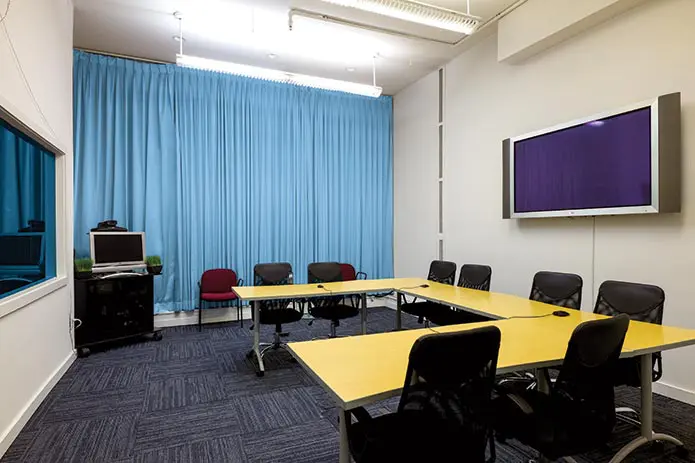
Our Facility Location in New York
11 E 22nd Street, Floor 2, New York, NY 10010 T: +1(212) 505-6805
About SIS International
SIS International offers Quantitative, Qualitative, and Strategy Research. We provide data, tools, strategies, reports, and insights for decision-making. We also conduct interviews, surveys, focus groups, and other Market Research methods and approaches. Contact us for your next Market Research project.