
Conseil en automatisation du camionnage et intelligence artificielle
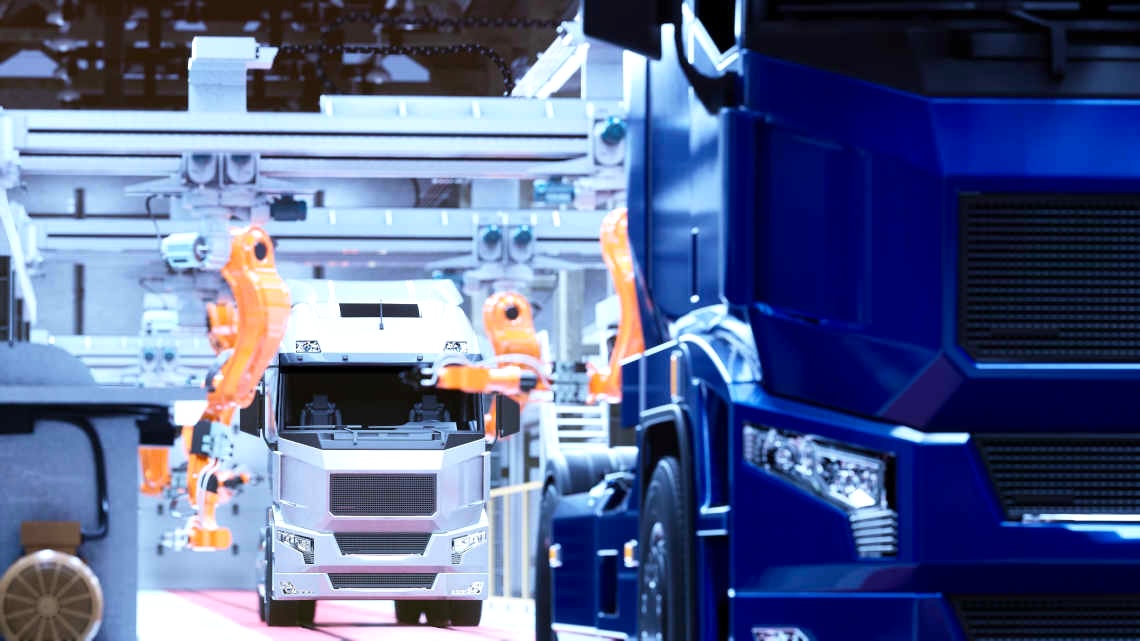
En tant qu’épine dorsale des chaînes d’approvisionnement mondiales, l’industrie du camionnage est confrontée à d’immenses pressions pour accroître son efficacité, réduire ses coûts et répondre aux préoccupations environnementales croissantes. C'est pourquoi l'automatisation du camionnage et le conseil en intelligence artificielle sont des outils essentiels pour transformer les opérations de camionnage traditionnelles en un système plus rentable et plus efficace qui offre de plus grands avantages au marché.
Qu’est-ce que le conseil en automatisation du camionnage et en intelligence artificielle et pourquoi est-ce important ?
Le conseil en automatisation du camionnage et en intelligence artificielle consiste à conseiller les entreprises de camionnage sur l'intégration de l'IA et des technologies automatisées pour améliorer l'efficacité, la sécurité et la gestion logistique dans les opérations de leur flotte. Il exploite la puissance des technologies de pointe pour relever les défis uniques auxquels est confronté le secteur du camionnage, en transformant la manière dont les marchandises sont transportées sur de vastes distances.
L'automatisation et l'IA offrent également des solutions révolutionnaires pour optimiser les itinéraires, réduire les délais de livraison et améliorer l'efficacité globale de la chaîne d'approvisionnement. Ils permettent une planification et une exécution plus stratégiques des tâches de transport. En automatisant les tâches répétitives et chronophages, l'IA et les technologies d'automatisation permettent aux entreprises de camionnage de se concentrer sur des aspects plus stratégiques de leurs opérations, augmentant ainsi leur efficacité.
De plus, l'automatisation du camionnage et le conseil en intelligence artificielle aident à tracer les itinéraires les plus économes en carburant et à entretenir les camions pour des performances optimales, contribuant ainsi à la réduction des émissions et à la promotion de la durabilité environnementale. Mais l’automatisation du camionnage et le conseil en intelligence artificielle offrent de nombreux autres avantages aux entreprises de ce secteur, notamment :
- Sécurité améliorée : La mise en œuvre de l’IA peut réduire considérablement les accidents en surveillant le comportement du conducteur et les performances du véhicule, et en fournissant des systèmes avancés d’évitement des collisions.
- Efficacité opérationnelle : L'automatisation du routage et de la planification optimise la gestion de la flotte, conduisant à une meilleure utilisation des ressources et à une réduction des temps d'inactivité.
- Réduction des coûts: L'automatisation du camionnage et le conseil en intelligence artificielle peuvent réduire les coûts de carburant, réduire le besoin de travail manuel et minimiser les dépenses d'entretien des véhicules grâce à la maintenance prédictive.
- Informations basées sur les données : Les conseils en automatisation du camionnage et en intelligence artificielle fournissent également des informations précieuses sur les opérations de la flotte, aidant ainsi à identifier les domaines à améliorer et à prendre des décisions commerciales éclairées.
- Évolutivité : Ce conseil peut facilement évoluer avec l'entreprise, soutenant la croissance sans nécessiter une augmentation proportionnelle de la main-d'œuvre ou des ressources.
En quoi le conseil en automatisation du camionnage et en intelligence artificielle diffère-t-il des études de marché traditionnelles ?
Les études de marché utilisent généralement des enquêtes, des entretiens et des études démographiques pour recueillir des informations. L'automatisation du camionnage et le conseil en IA impliquent l'utilisation de technologies avancées telles que des algorithmes d'apprentissage automatique, des analyses de données et des logiciels d'automatisation pour optimiser les opérations de camionnage.
Tandis que les études de marché analysent les données sur les consommateurs et le marché, les services de conseil en IA en matière de camionnage se penchent sur les données opérationnelles, telles que les modèles logistiques, les performances de la flotte et la consommation de carburant, pour améliorer les processus de transport. De plus, les informations issues des études de marché éclairent généralement les stratégies de marketing et le développement commercial. D’un autre côté, l’automatisation du camionnage et le conseil en IA ont un impact direct sur les processus opérationnels, conduisant à des améliorations tangibles en termes d’efficacité, de réduction des coûts et de sécurité.
Enfin, l’automatisation du camionnage et le conseil en IA nécessitent une expertise en technologie, en logistique et en science des données, tandis que les études de marché se concentrent davantage sur la business intelligence, le comportement des consommateurs et l’analyse de marché.
Facteurs clés de succès dans le conseil en automatisation du camionnage et en intelligence artificielle
Pour que l’automatisation du camionnage et le conseil en intelligence artificielle soient efficaces et génèrent des avantages tangibles, plusieurs facteurs clés de succès doivent être soigneusement examinés et mis en œuvre de manière stratégique. Certains de ces facteurs comprennent :
- Qualité et disponibilité des données : Le succès en matière d’automatisation du camionnage et de conseil en intelligence artificielle dépend fortement de la qualité, de l’exactitude et de la disponibilité des données. Garantir l’accès à des données complètes et fiables sur les opérations de camionnage est crucial.
- Expertise en IA et opérations de camionnage : Une compréhension approfondie de la technologie de l’IA et des subtilités des opérations de camionnage est essentielle pour développer des solutions efficaces.
- Formation et gestion du changement : Une formation adéquate du personnel et des stratégies efficaces de gestion du changement sont essentielles à l’adoption harmonieuse des nouvelles technologies.
À quoi s'attendre du conseil en automatisation du camionnage et en intelligence artificielle
En entreprenant des conseils en matière d’automatisation du camionnage et d’intelligence artificielle, les entreprises peuvent anticiper une variété d’effets positifs. Ces effets vont au-delà de l’amélioration des aspects opérationnels du camionnage et contribuent également à atteindre des objectifs commerciaux plus larges. Voici à quoi les entreprises peuvent généralement s’attendre :
- Mesures de sécurité renforcées : Grâce aux technologies d’analyse et d’automatisation basées sur l’IA, les entreprises peuvent s’attendre à des améliorations en matière de sécurité, tant en termes de fonctionnement des véhicules que de manutention des marchandises.
- Service client amélioré : L'automatisation et l'IA permettent un suivi en temps réel et une meilleure gestion des livraisons, améliorant ainsi le service client avec des informations plus précises et plus opportunes.
- Innovation dans les services : L'automatisation du camionnage et le conseil en intelligence artificielle peuvent conduire à des offres de services nouvelles et innovantes dans le secteur du camionnage, améliorant ainsi l'avantage concurrentiel.
- Maintenance prédictive: Les systèmes d'IA peuvent prédire les besoins de maintenance, réduisant ainsi les temps d'arrêt des véhicules et prolongeant la durée de vie des équipements de camionnage.
- Autonomisation de la main-d’œuvre : L'automatisation peut soulager le personnel des tâches répétitives, lui permettant de se concentrer sur des activités plus stratégiques, augmentant ainsi la productivité globale.
Technologies et outils
Le conseil en automatisation du camionnage et en intelligence artificielle exploite une suite de technologies et d’outils avancés pour transformer et moderniser les opérations de camionnage. Ces outils sont essentiels pour améliorer l’efficacité, la sécurité et les informations stratégiques.
- Systèmes de conduite autonome : Les technologies d'entreprises comme Tesla et Waymo sont à l'avant-garde du développement de camions autonomes, révolutionnant le transport routier longue distance avec une sécurité et une efficacité accrues.
- Logiciel d'optimisation d'itinéraire basé sur l'IA : Des outils tels que Trimble MAPS et Omnitracs utilisent l'IA pour optimiser les itinéraires, en tenant compte de facteurs tels que les conditions de circulation, la météo et les horaires de livraison.
- Capteurs et appareils IoT : La technologie IoT est largement utilisée pour la collecte de données en temps réel sur les performances des véhicules, l'état du chargement et les facteurs environnementaux.
- Plateformes d'analyse de données : Des outils tels que Tableau et Power BI analysent de grands volumes de données opérationnelles, fournissant des informations exploitables pour la planification stratégique et la prise de décision.
- Blockchain pour la transparence de la chaîne d'approvisionnement : La technologie blockchain est étudiée pour son potentiel à améliorer la transparence et la sécurité dans la logistique et la gestion de la chaîne d'approvisionnement.
Opportunités et défis
Le domaine de l’automatisation du camionnage et du conseil en intelligence artificielle offre de nombreuses opportunités. Cependant, cela comporte également certains défis que les entreprises doivent surmonter pour libérer tout le potentiel de ces technologies dans l’industrie du camionnage.
Opportunités
- Économies de coûts: En optimisant la consommation de carburant, en améliorant la planification des itinéraires et en réduisant le travail manuel, l'IA et l'automatisation peuvent réduire considérablement les coûts opérationnels.
- Sécurité améliorée : Les fonctions de sécurité basées sur l’IA et les technologies de conduite autonome ont le potentiel de réduire considérablement les accidents et d’améliorer la sécurité routière.
- Avantage compétitif: Les premiers à adopter l’automatisation du camionnage et l’IA peuvent acquérir un avantage concurrentiel sur le marché de la logistique, en proposant des services plus efficaces et plus rentables.
Défis
- Investissement initial élevé : Le coût de mise en œuvre de technologies avancées d’IA et d’automatisation peut être considérable, ce qui constitue un défi, en particulier pour les petits opérateurs.
- Perturbation de la main-d'œuvre : L'automatisation peut entraîner des changements dans les besoins en main-d'œuvre, nécessitant des stratégies de recyclage et de réaffectation des emplois.
- Obstacles réglementaires : Le paysage réglementaire des véhicules autonomes et de l’IA dans le camionnage continue d’évoluer, présentant des défis en matière de conformité et d’adoption.
Perspectives d'avenir
L’avenir de l’automatisation du camionnage et du conseil en intelligence artificielle est sur le point de connaître une croissance et une évolution significatives – et voici quelques tendances qui devraient façonner la trajectoire de ce service de conseil :
- Adoption généralisée des camions autonomes : La progression vers des camions entièrement autonomes est susceptible de s’accélérer, avec des implications majeures pour l’efficacité et la sécurité du transport routier sur de longues distances.
- Accent accru sur la durabilité : Alors que les préoccupations environnementales continuent de croître, l’automatisation du camionnage et le conseil en intelligence artificielle joueront un rôle crucial dans le développement de solutions de camionnage durables, telles que l’optimisation du rendement énergétique et la réduction des émissions.
- Analyse améliorée des données en temps réel : L'utilisation de l'analyse des données en temps réel deviendra plus répandue dans les opérations de camionnage, permettant une prise de décision plus dynamique et plus réactive.
- Expansion de l’électrification dans le camionnage : L’évolution vers les camions électriques sera complétée par des technologies d’IA et d’automatisation, optimisant les performances et la logistique des véhicules électriques (VE).
Solutions SIS : Conseil en automatisation du camionnage et intelligence artificielle
Chez SIS, nous reconnaissons le rôle central que jouent l’automatisation du camionnage et le conseil en intelligence artificielle dans la révolution de l’industrie du camionnage. Nos solutions complètes associent des technologies avancées à des informations stratégiques pour améliorer l'efficacité, la sécurité et la durabilité des opérations de camionnage. Voici comment nous pouvons vous aider :
- Services de conseil personnalisés : Nous proposons des services de conseil sur mesure pour aider les entreprises de camionnage à intégrer les technologies d’IA et d’automatisation dans leurs opérations. De l’optimisation des itinéraires à la maintenance prédictive, nos solutions sont conçues pour répondre aux défis et opportunités uniques rencontrés par chaque client.
- Solutions de sécurité avancées : La sécurité est primordiale dans l’industrie du camionnage. Nos solutions de sécurité basées sur l'IA exploitent l'analyse de données en temps réel et les technologies de conduite autonome pour améliorer la sécurité des conducteurs et réduire le risque d'accidents sur la route.
- Gestion Logistique Optimisée : Nous aidons à optimiser les processus de gestion logistique grâce à la planification des itinéraires, à la planification et à l’optimisation des charges basées sur l’IA. Nos solutions permettent aux entreprises de camionnage de maximiser leur efficacité, de réduire leurs coûts et d'améliorer la satisfaction de leurs clients.
- La durabilité environnementale: La durabilité environnementale est une préoccupation croissante dans l’industrie du camionnage. Nos services de conseil comprennent des solutions pour optimiser la consommation de carburant, réduire les émissions et promouvoir des pratiques respectueuses de l'environnement afin de minimiser l'impact environnemental des opérations de camionnage.
- Analyse de données et informations : Les données sont un atout précieux dans les opérations de camionnage. Nous fournissons des analyses de données et des informations avancées pour aider les entreprises de camionnage à prendre des décisions éclairées, à identifier les domaines à améliorer et à optimiser continuellement leurs opérations.
- Conformité réglementaire : Naviguer dans le paysage réglementaire complexe est essentiel pour les entreprises de camionnage. Nos services de conseil comprennent des conseils sur la conformité réglementaire, garantissant que nos clients adhèrent aux normes et réglementations du secteur.
- Formation et gestion du changement : L’adoption des technologies d’IA et d’automatisation nécessite un changement de mentalité et de compétences. Nous proposons des services de formation et de gestion du changement pour aider les entreprises de camionnage à mettre en œuvre et à adopter avec succès de nouvelles technologies, donnant ainsi à leur main-d'œuvre les moyens de préparer l'avenir.
Associez-vous à SIS pour libérer tout le potentiel de l’automatisation du camionnage et de l’intelligence artificielle. Grâce à notre expertise et à nos solutions innovantes, vous pouvez améliorer l'efficacité, la sécurité et la durabilité de vos opérations de camionnage, positionnant ainsi votre entreprise pour un succès à long terme dans un secteur en évolution rapide.

 FR
FR  EN
EN  AR
AR  ZH
ZH  ZH_HK
ZH_HK  NL
NL  DE
DE  IT
IT  JA
JA  KO
KO  PL
PL  PT
PT  ES
ES