
Consulenza sull'automazione degli autotrasporti e sull'intelligenza artificiale
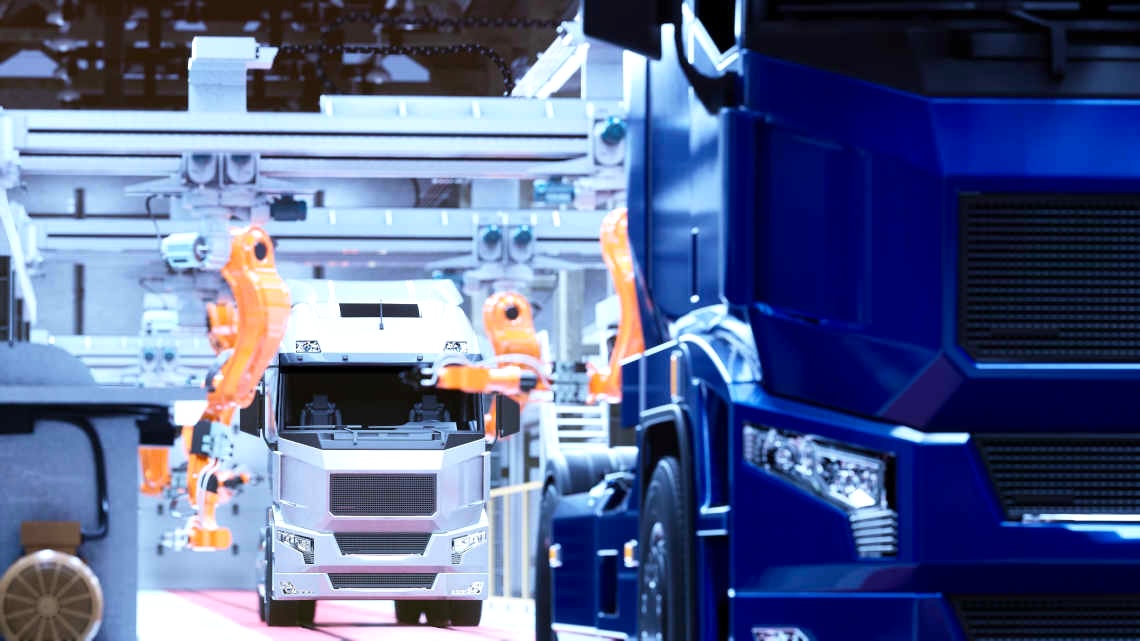
Essendo la spina dorsale delle catene di fornitura globali, l’industria dei trasporti si trova ad affrontare enormi pressioni per aumentare l’efficienza, ridurre i costi e soddisfare le crescenti preoccupazioni ambientali. Ecco perché l'automazione dei trasporti e la consulenza sull'intelligenza artificiale sono strumenti fondamentali per trasformare le tradizionali operazioni di trasporto in un sistema più conveniente ed efficiente in grado di offrire maggiori vantaggi al mercato.
Che cos'è la consulenza sull'automazione degli autotrasporti e sull'intelligenza artificiale e perché è importante?
La consulenza sull'automazione degli autotrasporti e sull'intelligenza artificiale prevede la consulenza alle aziende di autotrasporto sull'integrazione dell'intelligenza artificiale e delle tecnologie automatizzate per migliorare l'efficienza, la sicurezza e la gestione logistica nelle operazioni della flotta. Sfrutta la potenza delle tecnologie avanzate per affrontare le sfide uniche affrontate dal settore degli autotrasporti, trasformando il modo in cui le merci vengono trasportate su grandi distanze.
L’automazione e l’intelligenza artificiale offrono inoltre soluzioni rivoluzionarie per ottimizzare i percorsi, ridurre i tempi di consegna e migliorare l’efficienza complessiva della catena di approvvigionamento. Consentono una pianificazione ed esecuzione più strategica delle attività di trasporto. Automatizzando attività ripetitive e dispendiose in termini di tempo, l'intelligenza artificiale e le tecnologie di automazione consentono alle aziende di autotrasporto di concentrarsi su aspetti più strategici delle loro operazioni, aumentando così l'efficienza.
Inoltre, l’automazione degli autotrasporti e la consulenza sull’intelligenza artificiale aiutano a tracciare i percorsi più efficienti in termini di consumo di carburante e a mantenere i camion per prestazioni ottimali, contribuendo a ridurre le emissioni e promuovendo la sostenibilità ambientale. Ma l’automazione dei trasporti e la consulenza sull’intelligenza artificiale offrono molti altri vantaggi per le aziende di questo settore, tra cui:
- Sicurezza migliorata: L’implementazione dell’intelligenza artificiale può ridurre significativamente gli incidenti monitorando il comportamento del conducente e le prestazioni del veicolo e fornendo sistemi avanzati di prevenzione delle collisioni.
- Efficienza operativa: L'automazione nel routing e nella pianificazione ottimizza la gestione della flotta, portando a un migliore utilizzo delle risorse e a una riduzione dei tempi di inattività.
- Riduzione dei costi: L'automazione degli autotrasporti e la consulenza sull'intelligenza artificiale possono abbassare i costi del carburante, ridurre la necessità di lavoro manuale e minimizzare le spese di manutenzione dei veicoli attraverso la manutenzione predittiva.
- Approfondimenti basati sui dati: Anche l’automazione dei trasporti e la consulenza sull’intelligenza artificiale forniscono preziose informazioni sulle operazioni della flotta, aiutando a identificare le aree di miglioramento e a prendere decisioni aziendali informate.
- Scalabilità: Questa consulenza può facilmente adattarsi al business, supportando la crescita senza la necessità di aumenti proporzionali di manodopera o risorse.
In che modo la consulenza sull'automazione degli autotrasporti e sull'intelligenza artificiale differisce dalla ricerca di mercato tradizionale?
La ricerca di mercato utilizza in genere sondaggi, interviste e studi demografici per raccogliere approfondimenti. L'automazione dei trasporti su strada e la consulenza sull'intelligenza artificiale implicano l'uso di tecnologie avanzate come algoritmi di apprendimento automatico, analisi dei dati e software di automazione per ottimizzare le operazioni di trasporto su strada.
Mentre le ricerche di mercato analizzano i dati sui consumatori e sul mercato, la consulenza sull’intelligenza artificiale per autotrasporti approfondisce i dati operativi, come i modelli logistici, le prestazioni della flotta e il consumo di carburante, per migliorare i processi di trasporto. Inoltre, gli approfondimenti derivanti dalle ricerche di mercato di solito informano le strategie di marketing e lo sviluppo del business. D’altro canto, l’automazione dei trasporti e la consulenza basata sull’intelligenza artificiale influiscono direttamente sui processi operativi, portando a miglioramenti tangibili in termini di efficienza, riduzione dei costi e sicurezza.
Infine, condurre servizi di automazione dei trasporti e consulenza sull’intelligenza artificiale richiede competenze in tecnologia, logistica e scienza dei dati, mentre le ricerche di mercato si concentrano maggiormente sulla business intelligence, sul comportamento dei consumatori e sull’analisi di mercato.
Fattori chiave di successo nell'automazione degli autotrasporti e nella consulenza sull'intelligenza artificiale
Affinché la consulenza sull’automazione dei trasporti e sull’intelligenza artificiale sia efficace e produca vantaggi tangibili, è necessario considerare attentamente e implementare strategicamente diversi fattori chiave di successo. Alcuni di questi fattori includono:
- Qualità e disponibilità dei dati: Il successo nell’automazione dei trasporti e nella consulenza sull’intelligenza artificiale dipende fortemente dalla qualità, dall’accuratezza e dalla disponibilità dei dati. Garantire l’accesso a dati completi e affidabili sulle operazioni di autotrasporto è fondamentale.
- Competenza in operazioni di intelligenza artificiale e di autotrasporto: Una profonda comprensione sia della tecnologia AI che delle complessità delle operazioni di trasporto su strada è essenziale per sviluppare soluzioni efficaci.
- Formazione e gestione del cambiamento: Una formazione adeguata per il personale e strategie efficaci di gestione del cambiamento sono fondamentali per la corretta adozione delle nuove tecnologie.
Cosa aspettarsi dalla consulenza sull'automazione degli autotrasporti e sull'intelligenza artificiale
Intraprendendo consulenze sull’automazione degli autotrasporti e sull’intelligenza artificiale, le aziende possono anticipare una serie di effetti positivi. Questi effetti vanno oltre il miglioramento degli aspetti operativi dell’autotrasporto, aiutando anche a raggiungere obiettivi aziendali più ampi. Ecco cosa possono aspettarsi in genere le aziende:
- Misure di sicurezza migliorate: Con le tecnologie di analisi e automazione basate sull’intelligenza artificiale, le aziende possono aspettarsi miglioramenti in termini di sicurezza, sia in termini di funzionamento dei veicoli che di movimentazione delle merci.
- Servizio clienti migliorato: L'automazione e l'intelligenza artificiale consentono il monitoraggio in tempo reale e una migliore gestione delle consegne, migliorando il servizio clienti con informazioni più accurate e tempestive.
- Innovazione nei servizi: L’automazione degli autotrasporti e la consulenza sull’intelligenza artificiale possono portare a offerte di servizi nuovi e innovativi nel settore degli autotrasporti, migliorando il vantaggio competitivo.
- Manutenzione predittiva: I sistemi di intelligenza artificiale possono prevedere le esigenze di manutenzione, riducendo i tempi di fermo dei veicoli e prolungando la durata delle attrezzature per autotrasporto.
- Responsabilizzazione della forza lavoro: L’automazione può sollevare la forza lavoro da compiti ripetitivi, consentendo loro di concentrarsi su attività più strategiche, aumentando così la produttività complessiva.
Tecnologie e Strumenti
La consulenza sull'automazione dei trasporti e sull'intelligenza artificiale sfrutta una suite di tecnologie e strumenti avanzati per trasformare e modernizzare le operazioni di trasporto. Questi strumenti sono fondamentali per promuovere l’efficienza, la sicurezza e le informazioni strategiche.
- Sistemi di guida autonomi: Le tecnologie di aziende come Tesla e Waymo sono in prima linea nello sviluppo di camion a guida autonoma, rivoluzionando gli autotrasporti a lungo raggio con maggiore sicurezza ed efficienza.
- Software di ottimizzazione del percorso basato sull'intelligenza artificiale: Strumenti come Trimble MAPS e Omnitracs utilizzano l'intelligenza artificiale per ottimizzare i percorsi, considerando fattori come le condizioni del traffico, il tempo e i programmi di consegna.
- Sensori e dispositivi IoT: La tecnologia IoT è ampiamente utilizzata per la raccolta di dati in tempo reale sulle prestazioni dei veicoli, sulle condizioni del carico e sui fattori ambientali.
- Piattaforme di analisi dei dati: Strumenti come Tableau e Power BI analizzano grandi volumi di dati operativi, fornendo informazioni utili per la pianificazione strategica e il processo decisionale.
- Blockchain per la trasparenza della catena di fornitura: La tecnologia Blockchain viene esplorata per il suo potenziale nel migliorare la trasparenza e la sicurezza nella logistica e nella gestione della catena di fornitura.
Opportunità e sfide
Il campo dell’automazione degli autotrasporti e della consulenza sull’intelligenza artificiale offre molte opportunità. Tuttavia, comporta anche alcune sfide che le aziende devono superare per sfruttare appieno il potenziale di queste tecnologie nel settore degli autotrasporti.
Opportunità
- Risparmi: Ottimizzando l’utilizzo del carburante, migliorando la pianificazione dei percorsi e riducendo il lavoro manuale, l’intelligenza artificiale e l’automazione possono ridurre significativamente i costi operativi.
- Sicurezza migliorata: Le funzionalità di sicurezza basate sull’intelligenza artificiale e le tecnologie di guida autonoma hanno il potenziale per ridurre significativamente gli incidenti e migliorare la sicurezza stradale.
- Vantaggio competitivo: I primi ad adottare l’automazione degli autotrasporti e l’intelligenza artificiale possono ottenere un vantaggio competitivo nel mercato della logistica, offrendo servizi più efficienti ed economici.
Sfide
- Elevato investimento iniziale: Il costo dell’implementazione di tecnologie avanzate di intelligenza artificiale e automazione può essere notevole e rappresentare una sfida, soprattutto per gli operatori più piccoli.
- Interruzione della forza lavoro: L’automazione può portare a cambiamenti nei requisiti della forza lavoro, rendendo necessarie strategie di riqualificazione e riallocazione del lavoro.
- Ostacoli normativi: Il panorama normativo per i veicoli autonomi e l’intelligenza artificiale nel settore dei trasporti è ancora in evoluzione, presentando sfide in termini di conformità e adozione.
Prospettive future
Il futuro dell’automazione degli autotrasporti e della consulenza sull’intelligenza artificiale è pronto per una crescita ed un’evoluzione significative – ed ecco alcune tendenze che si prevede modelleranno la traiettoria di questo servizio di consulenza:
- Adozione diffusa di camion autonomi: È probabile che il progresso verso camion completamente autonomi subisca un’accelerazione, con importanti implicazioni per l’efficienza e la sicurezza dei trasporti a lungo raggio.
- Maggiore attenzione alla sostenibilità: Poiché le preoccupazioni ambientali continuano ad aumentare, l’automazione degli autotrasporti e la consulenza sull’intelligenza artificiale svolgeranno un ruolo cruciale nello sviluppo di soluzioni di autotrasporto sostenibili, come l’ottimizzazione dell’efficienza del carburante e la riduzione delle emissioni.
- Analisi dei dati in tempo reale migliorata: L’uso dell’analisi dei dati in tempo reale diventerà più diffuso nelle operazioni di autotrasporto, consentendo un processo decisionale più dinamico e reattivo.
- Espansione dell’elettrificazione nel settore dei trasporti su strada: Il passaggio ai camion elettrici sarà integrato da tecnologie di intelligenza artificiale e automazione, ottimizzando le prestazioni e la logistica dei veicoli elettrici (EV).
Soluzioni SIS: automazione degli autotrasporti e consulenza sull'intelligenza artificiale
Noi di SIS riconosciamo il ruolo fondamentale che l'automazione dei trasporti e la consulenza sull'intelligenza artificiale svolgono nel rivoluzionare il settore dei trasporti. Le nostre soluzioni complete fondono tecnologie avanzate con approfondimenti strategici per promuovere efficienza, sicurezza e sostenibilità nelle operazioni di autotrasporto. Ecco come possiamo aiutarti:
- Servizi di consulenza personalizzati: Offriamo servizi di consulenza su misura per aiutare le aziende di autotrasporto a integrare le tecnologie di intelligenza artificiale e automazione nelle loro operazioni. Dall'ottimizzazione del percorso alla manutenzione predittiva, le nostre soluzioni sono progettate per affrontare le sfide e le opportunità uniche affrontate da ciascun cliente.
- Soluzioni di sicurezza avanzate: La sicurezza è fondamentale nel settore degli autotrasporti. Le nostre soluzioni di sicurezza basate sull'intelligenza artificiale sfruttano l'analisi dei dati in tempo reale e le tecnologie di guida autonoma per migliorare la sicurezza del conducente e ridurre il rischio di incidenti sulla strada.
- Gestione logistica ottimizzata: Aiutiamo a ottimizzare i processi di gestione logistica attraverso la pianificazione dei percorsi, la programmazione e l'ottimizzazione del carico basate sull'intelligenza artificiale. Le nostre soluzioni consentono alle aziende di autotrasporto di massimizzare l'efficienza, ridurre i costi e migliorare la soddisfazione del cliente.
- Sostenibilità ambientale: La sostenibilità ambientale è una preoccupazione crescente nel settore degli autotrasporti. I nostri servizi di consulenza includono soluzioni per ottimizzare l'utilizzo del carburante, ridurre le emissioni e promuovere pratiche ecocompatibili per ridurre al minimo l'impatto ambientale delle operazioni di autotrasporto.
- Analisi dei dati e approfondimenti: I dati sono una risorsa preziosa nelle operazioni di autotrasporto. Forniamo analisi avanzate dei dati e approfondimenti per aiutare le aziende di autotrasporto a prendere decisioni informate, identificare aree di miglioramento e promuovere l'ottimizzazione continua delle loro operazioni.
- Conformità normativa: Destreggiarsi nel complesso panorama normativo è essenziale per le aziende di autotrasporto. I nostri servizi di consulenza includono indicazioni sulla conformità normativa, garantendo che i nostri clienti rispettino gli standard e le normative del settore.
- Formazione e gestione del cambiamento: L’adozione delle tecnologie di intelligenza artificiale e automazione richiede un cambiamento di mentalità e competenze. Offriamo servizi di formazione e gestione del cambiamento per aiutare le aziende di autotrasporto a implementare e adottare con successo nuove tecnologie, potenziando la propria forza lavoro per il futuro.
Collabora con SIS per sfruttare tutto il potenziale dell'automazione dei trasporti pesanti e dell'intelligenza artificiale. Con la nostra esperienza e le nostre soluzioni innovative, puoi promuovere efficienza, sicurezza e sostenibilità nelle tue operazioni di autotrasporto, posizionando la tua azienda per un successo a lungo termine in un settore in rapida evoluzione.

 IT
IT  EN
EN  AR
AR  ZH
ZH  ZH_HK
ZH_HK  NL
NL  FR
FR  DE
DE  JA
JA  KO
KO  PL
PL  PT
PT  ES
ES