
트럭 운송 자동화 및 인공 지능 컨설팅
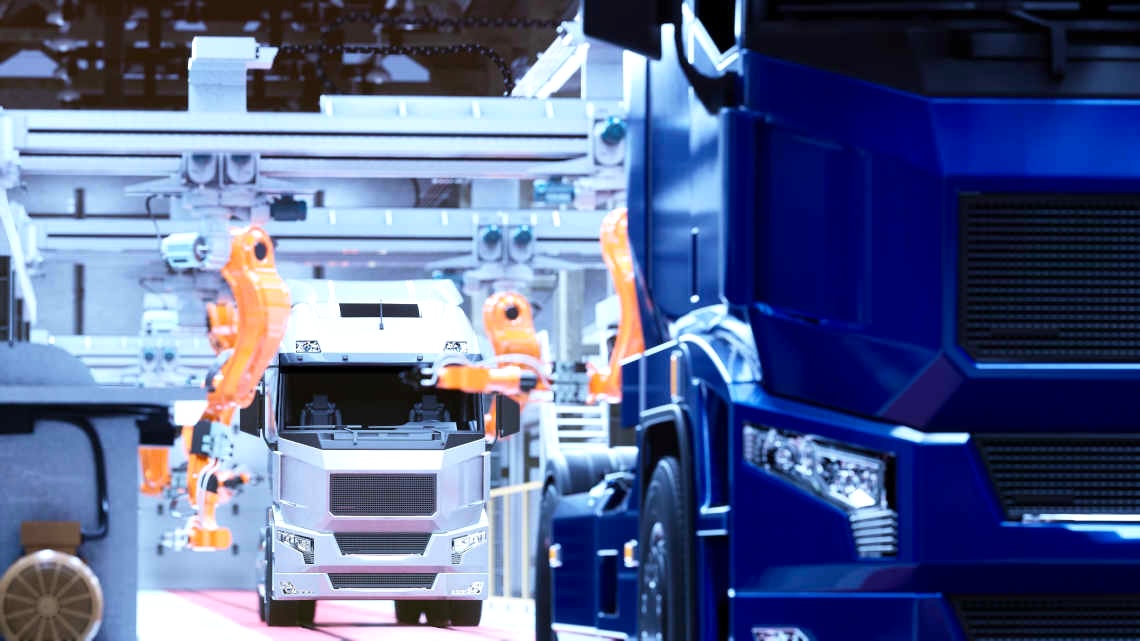
글로벌 공급망의 중추로서 트럭 운송 산업은 효율성을 높이고 비용을 절감하며 점점 커지는 환경 문제를 충족해야 한다는 엄청난 압력에 직면해 있습니다. 그렇기 때문에 트럭 운송 자동화와 인공 지능 컨설팅은 기존 트럭 운송 운영을 시장에 더 큰 혜택을 제공하는 보다 비용 효율적이고 효율적인 시스템으로 전환하는 데 필수적인 도구입니다.
트럭 운송 자동화 및 인공 지능 컨설팅이란 무엇이며 왜 중요한가요?
트럭 운송 자동화 및 인공 지능 컨설팅에는 운송 회사에 AI와 자동화 기술을 통합하여 차량 운영의 효율성, 안전 및 물류 관리를 향상시키는 방법에 대한 조언이 포함됩니다. 첨단 기술의 힘을 활용하여 트럭 운송 산업이 직면한 고유한 과제를 해결하고 상품이 먼 거리에 걸쳐 운송되는 방식을 변화시킵니다.
자동화와 AI는 또한 경로 최적화, 배송 시간 단축, 전반적인 공급망 효율성 개선을 위한 획기적인 솔루션을 제공합니다. 이를 통해 운송 작업을 더욱 전략적으로 계획하고 실행할 수 있습니다. 반복적이고 시간이 많이 걸리는 작업을 자동화함으로써 AI 및 자동화 기술을 통해 트럭 회사는 운영의 보다 전략적인 측면에 집중할 수 있어 효율성이 향상됩니다.
또한, 트럭 운송 자동화 및 인공 지능 컨설팅은 가장 연료 효율적인 경로를 계획하고 최적의 성능을 위해 트럭을 유지 관리하여 배출 감소에 기여하고 환경 지속 가능성을 촉진하는 데 도움이 됩니다. 그러나 트럭 운송 자동화 및 인공 지능 컨설팅은 이 업계의 기업에 다음을 포함하여 많은 다른 이점을 제공합니다.
- 향상된 안전성: AI 구현은 운전자 행동과 차량 성능을 모니터링하고 고급 충돌 방지 시스템을 제공함으로써 사고를 크게 줄일 수 있습니다.
- 운영 효율성: 라우팅 및 예약 자동화는 차량 관리를 최적화하여 리소스 활용도를 높이고 유휴 시간을 줄입니다.
- 비용 절감: 트럭 운송 자동화와 인공지능 컨설팅을 통해 연료비를 절감하고, 수작업의 필요성을 줄이며, 예측 정비를 통해 차량 유지 비용을 최소화할 수 있습니다.
- 데이터 기반 통찰력: 트럭 운송 자동화 및 인공 지능 컨설팅은 또한 차량 운영에 대한 귀중한 통찰력을 제공하여 개선 영역을 식별하고 정보에 입각한 비즈니스 결정을 내리는 데 도움이 됩니다.
- 확장성: 이 컨설팅은 비즈니스에 맞춰 쉽게 확장할 수 있어 인력이나 자원을 비례적으로 늘릴 필요 없이 성장을 지원할 수 있습니다.
트럭 운송 자동화 및 인공 지능 컨설팅은 기존 시장 조사와 어떻게 다릅니까?
시장 조사에서는 일반적으로 통찰력을 수집하기 위해 설문조사, 인터뷰, 인구통계학적 조사를 사용합니다. 트럭 운송 자동화 및 AI 컨설팅에는 기계 학습 알고리즘, 데이터 분석, 자동화 소프트웨어와 같은 고급 기술을 사용하여 트럭 운송 작업을 최적화하는 작업이 포함됩니다.
시장 조사가 소비자 및 시장 데이터를 분석하는 동안, 트럭킹 AI 컨설팅은 물류 패턴, 차량 성능, 연료 소비 등 운영 데이터를 심층 분석하여 운송 프로세스를 개선합니다. 또한 시장 조사를 통해 얻은 통찰력은 일반적으로 마케팅 전략과 비즈니스 개발에 영향을 미칩니다. 반면, 트럭 운송 자동화와 AI 컨설팅은 운영 프로세스에 직접적인 영향을 미쳐 효율성, 비용 절감, 안전성이 실질적으로 향상됩니다.
마지막으로 트럭 운송 자동화 및 AI 컨설팅을 수행하려면 기술, 물류 및 데이터 과학에 대한 전문 지식이 필요하지만 시장 조사는 비즈니스 인텔리전스, 소비자 행동 및 시장 분석에 더 중점을 둡니다.
트럭 운송 자동화 및 인공 지능 컨설팅의 주요 성공 요인
트럭 운송 자동화와 인공 지능 컨설팅이 효과적이고 실질적인 이점을 얻으려면 몇 가지 주요 성공 요인을 신중하게 고려하고 전략적으로 구현해야 합니다. 이러한 요소 중 일부는 다음과 같습니다.
- 데이터의 품질 및 가용성: 트럭 운송 자동화 및 인공 지능 컨설팅의 성공 여부는 데이터의 품질, 정확성 및 가용성에 크게 좌우됩니다. 포괄적이고 신뢰할 수 있는 트럭 운송 운영 데이터에 대한 액세스를 보장하는 것이 중요합니다.
- AI 및 트럭 운송 운영에 대한 전문 지식: 효과적인 솔루션을 개발하려면 AI 기술과 복잡한 트럭 운송 작업에 대한 깊은 이해가 필수적입니다.
- 교육 및 변경 관리: 새로운 기술을 원활하게 채택하려면 직원을 위한 적절한 교육과 효과적인 변화 관리 전략이 중요합니다.
트럭 운송 자동화 및 인공 지능 컨설팅에서 기대할 수 있는 것
기업은 트럭운송 자동화와 인공지능 컨설팅을 진행함으로써 다양한 긍정적 효과를 기대할 수 있습니다. 이러한 효과는 트럭 운송의 운영 측면을 향상시키는 것 이상으로 확장되어 더 넓은 비즈니스 목표를 달성하는 데에도 도움이 됩니다. 기업이 일반적으로 기대할 수 있는 사항은 다음과 같습니다.
- 강화된 안전 조치: AI 기반 분석 및 자동화 기술을 통해 기업은 차량 운영 및 화물 취급 측면에서 안전성 향상을 기대할 수 있습니다.
- 향상된 고객 서비스: 자동화와 AI를 통해 실시간 배송 추적과 더 나은 배송 관리가 가능해 더욱 정확하고 시기적절한 정보로 고객 서비스가 향상됩니다.
- 서비스 혁신: 트럭 운송 자동화 및 인공 지능 컨설팅은 트럭 운송 산업에서 새롭고 혁신적인 서비스 제공으로 이어져 경쟁 우위를 강화할 수 있습니다.
- 예측 유지 관리: AI 시스템은 유지 관리 요구 사항을 예측하여 차량 가동 중지 시간을 줄이고 트럭 운송 장비의 수명을 연장할 수 있습니다.
- 인력 역량 강화: 자동화는 인력을 반복적인 작업에서 해방시켜 보다 전략적인 활동에 집중할 수 있도록 하여 전반적인 생산성을 높일 수 있습니다.
기술 및 도구
트럭 운송 자동화 및 인공 지능 컨설팅은 일련의 고급 기술과 도구를 활용하여 트럭 운송 운영을 혁신하고 현대화합니다. 이러한 도구는 효율성, 안전 및 전략적 통찰력을 높이는 데 핵심입니다.
- 자율주행 시스템: Tesla 및 Waymo와 같은 회사의 기술은 자율 주행 트럭 개발의 선두에 있으며 향상된 안전성과 효율성으로 장거리 트럭 운송에 혁명을 일으키고 있습니다.
- AI 기반 경로 최적화 소프트웨어: Trimble MAPS 및 Omnitracs와 같은 도구는 AI를 사용하여 교통 상황, 날씨, 배송 일정과 같은 요소를 고려하여 경로를 최적화합니다.
- IoT 센서 및 장치: IoT 기술은 차량 성능, 화물 상태, 환경 요인에 대한 실시간 데이터 수집에 광범위하게 사용됩니다.
- 데이터 분석 플랫폼: Tableau 및 Power BI와 같은 도구는 대량의 운영 데이터를 분석하여 전략 계획 및 의사 결정을 위한 실행 가능한 통찰력을 제공합니다.
- 공급망 투명성을 위한 블록체인: 블록체인 기술은 물류 및 공급망 관리의 투명성과 보안을 향상시킬 수 있는 잠재력을 모색하고 있습니다.
기회와 과제
트럭운송 자동화와 인공지능 컨설팅 분야는 많은 기회를 제공합니다. 그러나 트럭 산업에서 이러한 기술의 잠재력을 최대한 활용하기 위해 기업이 극복해야 할 몇 가지 과제도 있습니다.
기회
- 비용 절감: AI와 자동화는 연료 사용 최적화, 경로 계획 강화, 수작업 감소를 통해 운영 비용을 크게 절감할 수 있습니다.
- 향상된 안전성: AI 기반 안전 기능과 자율주행 기술은 사고를 획기적으로 줄이고 도로 안전을 향상시킬 수 있는 잠재력을 가지고 있습니다.
- 경쟁 우위: 트럭 운송 자동화 및 AI의 얼리 어답터는 물류 시장에서 경쟁 우위를 확보하여 보다 효율적이고 비용 효율적인 서비스를 제공할 수 있습니다.
도전 과제
- 높은 초기 투자: 고급 AI 및 자동화 기술을 구현하는 데 드는 비용은 상당할 수 있으며, 특히 소규모 운영자에게는 어려운 일입니다.
- 인력 중단: 자동화로 인해 인력 요구 사항이 변경될 수 있으므로 재교육 및 작업 재배치를 위한 전략이 필요할 수 있습니다.
- 규제 장애물: 트럭 운송 분야의 자율주행차와 AI에 대한 규제 환경은 여전히 진화하고 있으며 규정 준수 및 채택에 어려움을 겪고 있습니다.
미래 전망
트럭 운송 자동화 및 인공 지능 컨설팅의 미래는 상당한 성장과 발전을 이룰 준비가 되어 있으며, 이 컨설팅 서비스의 궤적을 형성할 것으로 예상되는 몇 가지 추세는 다음과 같습니다.
- 자율주행 트럭의 광범위한 채택: 장거리 트럭 운송 효율성과 안전에 큰 영향을 미치면서 완전 자율 트럭을 향한 진행이 가속화될 가능성이 높습니다.
- 지속 가능성에 대한 관심 증가: 환경 문제가 계속해서 증가함에 따라 트럭 운송 자동화 및 인공 지능 컨설팅은 연료 효율성 최적화 및 배출 감소와 같은 지속 가능한 트럭 운송 솔루션을 개발하는 데 중요한 역할을 할 것입니다.
- 향상된 실시간 데이터 분석: 실시간 데이터 분석의 사용은 트럭 운송 작업에서 더욱 보편화되어 보다 역동적이고 즉각 대응하는 의사 결정을 가능하게 할 것입니다.
- 트럭 운송의 전기화 확장: 전기 트럭으로의 전환은 AI와 자동화 기술로 보완되어 전기 자동차(EV) 성능과 물류를 최적화할 것입니다.
SIS 솔루션: 트럭 운송 자동화 및 인공 지능 컨설팅
SIS에서는 트럭 운송 자동화와 인공 지능 컨설팅이 트럭 운송 산업을 혁신하는 데 중추적인 역할을 한다는 것을 인식하고 있습니다. 당사의 포괄적인 솔루션은 첨단 기술과 전략적 통찰력을 결합하여 트럭 운송 작업의 효율성, 안전 및 지속 가능성을 촉진합니다. 우리가 도울 수 있는 방법은 다음과 같습니다:
- 맞춤형 컨설팅 서비스: 우리는 트럭 운송 회사가 AI 및 자동화 기술을 운영에 통합할 수 있도록 맞춤형 컨설팅 서비스를 제공합니다. 경로 최적화부터 예측 유지 관리까지 당사의 솔루션은 각 고객이 직면한 고유한 과제와 기회를 해결하도록 설계되었습니다.
- 고급 안전 솔루션: 화물 운송 산업에서는 안전이 가장 중요합니다. 당사의 AI 기반 안전 솔루션은 실시간 데이터 분석과 자율주행 기술을 활용하여 운전자 안전을 강화하고 도로 사고 위험을 줄입니다.
- 최적화된 물류 관리: AI 기반 경로 계획, 스케줄링, 로드 최적화를 통해 물류 관리 프로세스를 최적화하도록 돕습니다. 당사의 솔루션을 통해 트럭 회사는 효율성을 극대화하고 비용을 절감하며 고객 만족도를 높일 수 있습니다.
- 환경 지속 가능성: 환경 지속 가능성은 트럭 운송 산업에서 점점 더 큰 관심을 받고 있습니다. 당사의 컨설팅 서비스에는 연료 사용 최적화, 배출 감소, 친환경 관행 촉진을 위한 솔루션이 포함되어 있어 트럭 운송 작업이 환경에 미치는 영향을 최소화합니다.
- 데이터 분석 및 통찰력: 데이터는 트럭 운송 작업에서 귀중한 자산입니다. 우리는 트럭 운송 회사가 정보에 근거한 결정을 내리고, 개선 영역을 식별하고, 운영의 지속적인 최적화를 추진할 수 있도록 고급 데이터 분석 및 통찰력을 제공합니다.
- 규정 준수: 복잡한 규제 환경을 탐색하는 것은 트럭 운송 회사에 필수적입니다. 당사의 컨설팅 서비스에는 규정 준수에 대한 지침이 포함되어 고객이 업계 표준 및 규정을 준수하도록 보장합니다.
- 교육 및 변경 관리: AI와 자동화 기술을 채택하려면 사고방식과 기술의 변화가 필요합니다. 우리는 트럭 운송 회사가 새로운 기술을 성공적으로 구현 및 채택하여 미래를 위한 인력 역량을 강화할 수 있도록 교육 및 변경 관리 서비스를 제공합니다.
SIS와 협력하여 트럭 운송 자동화 및 인공 지능의 잠재력을 최대한 활용하세요. 당사의 전문 지식과 혁신적인 솔루션을 통해 귀하는 트럭 운송 운영의 효율성, 안전 및 지속 가능성을 촉진하여 빠르게 발전하는 산업에서 장기적인 성공을 거둘 수 있는 위치를 마련할 수 있습니다.

 KO
KO  EN
EN  AR
AR  ZH
ZH  ZH_HK
ZH_HK  NL
NL  FR
FR  DE
DE  IT
IT  JA
JA  PL
PL  PT
PT  ES
ES