
Consultoria em Automação de Transporte Rodoviário e Inteligência Artificial
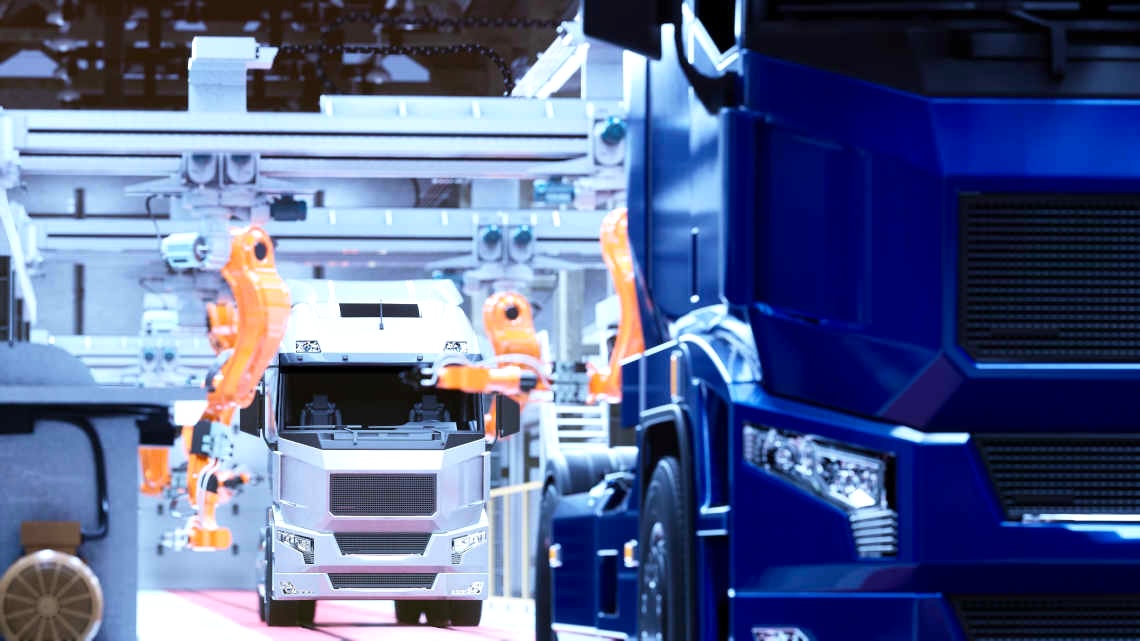
Sendo a espinha dorsal das cadeias de abastecimento globais, a indústria dos transportes rodoviários enfrenta imensas pressões para aumentar a eficiência, reduzir custos e responder às crescentes preocupações ambientais. É por isso que a automação de transporte rodoviário e a consultoria em inteligência artificial são ferramentas vitais para transformar as operações tradicionais de transporte rodoviário em um sistema mais econômico e eficiente que oferece maiores benefícios ao mercado.
O que é consultoria em automação de caminhões e inteligência artificial e por que ela é importante?
A consultoria em automação de caminhões e inteligência artificial envolve aconselhar empresas de transporte rodoviário na integração de IA e tecnologias automatizadas para aumentar a eficiência, segurança e gerenciamento logístico em suas operações de frota. Aproveita o poder das tecnologias avançadas para enfrentar os desafios únicos enfrentados pela indústria de transporte rodoviário, transformando a forma como as mercadorias são transportadas através de grandes distâncias.
A automação e a IA também oferecem soluções inovadoras para otimizar rotas, reduzir prazos de entrega e melhorar a eficiência geral da cadeia de abastecimento. Eles permitem um planejamento mais estratégico e execução de tarefas de transporte. Ao automatizar tarefas repetitivas e demoradas, a IA e as tecnologias de automação permitem que as empresas de transporte rodoviário se concentrem em aspectos mais estratégicos das suas operações, aumentando assim a eficiência.
Além disso, a automação de camiões e a consultoria em inteligência artificial ajudam a mapear as rotas mais eficientes em termos de combustível e a manter os camiões para um desempenho ideal, contribuindo para a redução de emissões e promovendo a sustentabilidade ambiental. Porém, a automação de caminhões e a consultoria em inteligência artificial oferecem muitos outros benefícios para as empresas deste setor, incluindo:
- Segurança aprimorada: A implementação da IA pode reduzir significativamente os acidentes, monitorizando o comportamento do condutor e o desempenho do veículo, e fornecendo sistemas avançados para evitar colisões.
- Eficiência operacional: A automação na roteirização e na programação otimiza o gerenciamento da frota, levando ao melhor aproveitamento dos recursos e à redução do tempo ocioso.
- Redução de custos: A automação de caminhões e a consultoria de inteligência artificial podem reduzir os custos de combustível, reduzir a necessidade de trabalho manual e minimizar as despesas de manutenção de veículos por meio de manutenção preditiva.
- Insights baseados em dados: A automação de transporte rodoviário e a consultoria em inteligência artificial também fornecem informações valiosas sobre as operações da frota, ajudando a identificar áreas de melhoria e a tomar decisões de negócios informadas.
- Escalabilidade: Esta consultoria pode facilmente escalar com o negócio, apoiando o crescimento sem a necessidade de aumentos proporcionais em mão de obra ou recursos.
Como a consultoria em automação de caminhões e inteligência artificial difere da pesquisa de mercado tradicional?
A pesquisa de mercado normalmente emprega pesquisas, entrevistas e estudos demográficos para coletar insights. A automação de caminhões e a consultoria de IA envolvem o uso de tecnologias avançadas, como algoritmos de aprendizado de máquina, análise de dados e software de automação para otimizar as operações de transporte rodoviário.
Enquanto a pesquisa de mercado analisa dados de consumo e de mercado, a consultoria de IA em caminhões se aprofunda em dados operacionais, como padrões logísticos, desempenho da frota e consumo de combustível, para melhorar os processos de transporte. Além disso, os insights da pesquisa de mercado geralmente informam as estratégias de marketing e o desenvolvimento de negócios. Por outro lado, a automação de transporte rodoviário e a consultoria de IA impactam diretamente os processos operacionais, levando a melhorias tangíveis em eficiência, redução de custos e segurança.
Por último, conduzir automação de transporte rodoviário e consultoria de IA requer experiência em tecnologia, logística e ciência de dados, enquanto a pesquisa de mercado se concentra mais em inteligência de negócios, comportamento do consumidor e análise de mercado.
Principais fatores de sucesso em consultoria de automação de caminhões e inteligência artificial
Para que a automação de transporte rodoviário e a consultoria em inteligência artificial sejam eficazes e produzam benefícios tangíveis, vários fatores-chave de sucesso precisam ser cuidadosamente considerados e implementados estrategicamente. Alguns desses fatores incluem:
- Qualidade e disponibilidade de dados: O sucesso na automação de caminhões e na consultoria de inteligência artificial depende fortemente da qualidade, precisão e disponibilidade dos dados. Garantir o acesso a dados abrangentes e confiáveis sobre operações de transporte rodoviário é crucial.
- Experiência em IA e operações de transporte rodoviário: Uma compreensão profunda da tecnologia de IA e das complexidades das operações de transporte rodoviário é essencial para o desenvolvimento de soluções eficazes.
- Treinamento e gerenciamento de mudanças: A formação adequada do pessoal e estratégias eficazes de gestão da mudança são cruciais para a adoção harmoniosa de novas tecnologias.
O que esperar da consultoria em automação de caminhões e inteligência artificial
Ao realizar consultoria em automação de transporte rodoviário e inteligência artificial, as empresas podem antecipar uma variedade de efeitos positivos. Esses efeitos vão além do aprimoramento das facetas operacionais do transporte rodoviário, ajudando também a alcançar objetivos comerciais mais amplos. Aqui está o que as empresas normalmente podem esperar:
- Medidas de segurança aprimoradas: Com tecnologias de análise e automação baseadas em IA, as empresas podem esperar melhorias na segurança, tanto em termos de operação de veículos como de movimentação de carga.
- Melhor atendimento ao cliente: A automação e a IA permitem o rastreamento em tempo real e um melhor gerenciamento das entregas, aprimorando o atendimento ao cliente com informações mais precisas e oportunas.
- Inovação em Serviços: A automação de transporte rodoviário e a consultoria em inteligência artificial podem levar a ofertas de serviços novas e inovadoras no setor de transporte rodoviário, aumentando a vantagem competitiva.
- Manutenção preditiva: Os sistemas de IA podem prever as necessidades de manutenção, reduzindo o tempo de inatividade dos veículos e prolongando a vida útil dos equipamentos de transporte rodoviário.
- Capacitação da força de trabalho: A automação pode aliviar a força de trabalho de tarefas repetitivas, permitindo-lhes concentrar-se em atividades mais estratégicas, aumentando assim a produtividade geral.
Tecnologias e Ferramentas
A consultoria em automação de transporte rodoviário e inteligência artificial aproveita um conjunto de tecnologias e ferramentas avançadas para transformar e modernizar as operações de transporte rodoviário. Essas ferramentas são fundamentais para gerar eficiência, segurança e insights estratégicos.
- Sistemas de direção autônoma: Tecnologias de empresas como Tesla e Waymo estão na vanguarda do desenvolvimento de camiões autónomos, revolucionando o transporte rodoviário de longo curso com maior segurança e eficiência.
- Software de otimização de rotas baseado em IA: Ferramentas como Trimble MAPS e Omnitracs usam IA para otimizar rotas, considerando fatores como condições de tráfego, clima e cronogramas de entrega.
- Sensores e dispositivos IoT: A tecnologia IoT é amplamente utilizada para coleta de dados em tempo real sobre desempenho de veículos, condições de carga e fatores ambientais.
- Plataformas de análise de dados: Ferramentas como Tableau e Power BI analisam grandes volumes de dados operacionais, fornecendo insights práticos para planejamento estratégico e tomada de decisões.
- Blockchain para transparência na cadeia de suprimentos: A tecnologia Blockchain está a ser explorada pelo seu potencial para aumentar a transparência e a segurança na logística e na gestão da cadeia de abastecimento.
Oportunidades e Desafios
A área de automação de caminhões e consultoria de inteligência artificial oferece muitas oportunidades. No entanto, também apresenta alguns desafios que as empresas precisam de superar para desbloquear todo o potencial destas tecnologias na indústria de transporte rodoviário.
Oportunidades
- Poupança de custos: Ao otimizar o uso de combustível, melhorar o planejamento de rotas e reduzir o trabalho manual, a IA e a automação podem reduzir significativamente os custos operacionais.
- Segurança aprimorada: Os recursos de segurança baseados em IA e as tecnologias de condução autônoma têm o potencial de reduzir significativamente os acidentes e aumentar a segurança rodoviária.
- Vantagem competitiva: Os primeiros a adotar a automação de transporte rodoviário e a IA podem obter uma vantagem competitiva no mercado de logística, oferecendo serviços mais eficientes e econômicos.
Desafios
- Alto investimento inicial: O custo da implementação de tecnologias avançadas de IA e automação pode ser substancial, representando um desafio, especialmente para os operadores mais pequenos.
- Perturbação da força de trabalho: A automação pode levar a mudanças nos requisitos da força de trabalho, necessitando de estratégias de reciclagem e realocação de empregos.
- Obstáculos regulatórios: O panorama regulamentar para veículos autónomos e IA no transporte rodoviário ainda está em evolução, apresentando desafios em termos de conformidade e adoção.
Perspectiva futura
O futuro da automação de caminhões e da consultoria em inteligência artificial está preparado para um crescimento e evolução significativos – e aqui estão algumas tendências que deverão moldar a trajetória deste serviço de consultoria:
- Adoção generalizada de caminhões autônomos: A progressão para camiões totalmente autónomos deverá acelerar, com implicações importantes para a eficiência e segurança do transporte rodoviário de longo curso.
- Maior foco na sustentabilidade: À medida que as preocupações ambientais continuam a aumentar, a automação do transporte rodoviário e a consultoria em inteligência artificial desempenharão um papel crucial no desenvolvimento de soluções de transporte rodoviário sustentáveis, tais como a otimização da eficiência do combustível e a redução das emissões.
- Análise aprimorada de dados em tempo real: O uso de análise de dados em tempo real se tornará mais predominante nas operações de transporte rodoviário, permitindo tomadas de decisão mais dinâmicas e responsivas.
- Expansão da Eletrificação no Transporte Rodoviário: A mudança para camiões eléctricos será complementada por tecnologias de IA e automação, optimizando o desempenho e a logística dos veículos eléctricos (EV).
Soluções SIS: Consultoria em automação de caminhões e inteligência artificial
Na SIS, reconhecemos o papel fundamental que a automação de transporte rodoviário e a consultoria em inteligência artificial desempenham na revolução da indústria de transporte rodoviário. Nossas soluções abrangentes combinam tecnologias avançadas com insights estratégicos para gerar eficiência, segurança e sustentabilidade nas operações de transporte rodoviário. Veja como podemos ajudar:
- Serviços de Consultoria Personalizados: Oferecemos serviços de consultoria personalizados para ajudar empresas de transporte rodoviário a integrar tecnologias de IA e automação em suas operações. Da otimização de rotas à manutenção preditiva, nossas soluções são projetadas para atender aos desafios e oportunidades únicos enfrentados por cada cliente.
- Soluções avançadas de segurança: A segurança é fundamental no setor de transporte rodoviário. Nossas soluções de segurança baseadas em IA aproveitam a análise de dados em tempo real e tecnologias de direção autônoma para aumentar a segurança do motorista e reduzir o risco de acidentes na estrada.
- Gestão Logística Otimizada: Ajudamos a otimizar os processos de gerenciamento logístico por meio de planejamento de rotas, programação e otimização de carga orientados por IA. Nossas soluções permitem que as empresas de transporte rodoviário maximizem a eficiência, reduzam custos e melhorem a satisfação do cliente.
- Sustentabilidade ambiental: A sustentabilidade ambiental é uma preocupação crescente na indústria de transporte rodoviário. Nossos serviços de consultoria incluem soluções para otimizar o uso de combustível, reduzir emissões e promover práticas ecológicas para minimizar o impacto ambiental das operações de transporte rodoviário.
- Análise de dados e insights: Os dados são um ativo valioso nas operações de transporte rodoviário. Fornecemos análises de dados e insights avançados para ajudar as empresas de transporte rodoviário a tomar decisões informadas, identificar áreas de melhoria e impulsionar a otimização contínua em suas operações.
- Conformidade regulatória: Navegar no complexo cenário regulatório é essencial para as empresas de transporte rodoviário. Nossos serviços de consultoria incluem orientação sobre conformidade regulatória, garantindo que nossos clientes cumpram os padrões e regulamentações do setor.
- Treinamento e gerenciamento de mudanças: A adoção de tecnologias de IA e automação requer uma mudança de mentalidade e de competências. Oferecemos serviços de treinamento e gerenciamento de mudanças para ajudar as empresas de transporte rodoviário a implementar e adotar novas tecnologias com sucesso, capacitando sua força de trabalho para o futuro.
Faça parceria com a SIS para desbloquear todo o potencial da automação de caminhões e da inteligência artificial. Com nossa experiência e soluções inovadoras, você pode promover eficiência, segurança e sustentabilidade em suas operações de transporte rodoviário, posicionando sua empresa para o sucesso de longo prazo em um setor em rápida evolução.

 PT
PT  EN
EN  AR
AR  ZH
ZH  ZH_HK
ZH_HK  NL
NL  FR
FR  DE
DE  IT
IT  JA
JA  KO
KO  PL
PL  ES
ES