
トラック輸送の自動化と人工知能コンサルティング
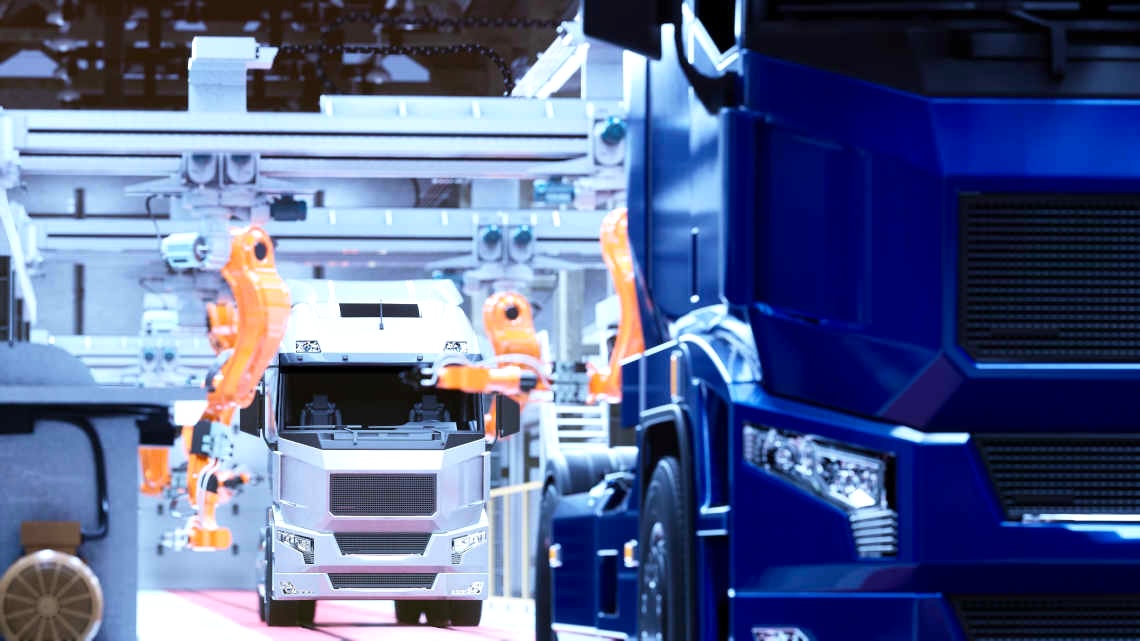
トラック輸送業界は、グローバル サプライ チェーンのバックボーンとして、効率性の向上、コストの削減、高まる環境問題への対応という大きなプレッシャーに直面しています。そのため、従来のトラック輸送業務を、市場に大きな利益をもたらす、よりコスト効率が高く効率的なシステムに変えるには、トラック輸送の自動化と人工知能コンサルティングが不可欠なツールとなります。
トラック輸送の自動化と人工知能コンサルティングとは何ですか? なぜ重要なのですか?
トラック輸送の自動化と人工知能に関するコンサルティングでは、トラック輸送会社に AI と自動化技術を統合して、車両運用の効率、安全性、物流管理を強化するようアドバイスします。高度な技術の力を活用して、トラック輸送業界が直面する固有の課題に対処し、長距離にわたる貨物輸送方法を変革します。
自動化と AI は、ルートの最適化、配送時間の短縮、サプライ チェーン全体の効率向上のための画期的なソリューションも提供します。これにより、輸送タスクのより戦略的な計画と実行が可能になります。反復的で時間のかかるタスクを自動化することで、AI と自動化テクノロジーは、トラック輸送会社が業務のより戦略的な側面に集中できるようにし、効率性を高めます。
さらに、トラック輸送の自動化と人工知能コンサルティングは、最も燃料効率の高いルートを計画し、トラックを最適なパフォーマンスに維持するのに役立ち、排出量の削減と環境の持続可能性の促進に貢献します。しかし、トラック輸送の自動化と人工知能コンサルティングは、この業界の企業に次のような他の多くのメリットをもたらします。
- 安全性の強化: AI を導入すると、ドライバーの行動や車両のパフォーマンスを監視し、高度な衝突回避システムを提供することで、事故を大幅に削減できます。
- 運用効率: ルーティングとスケジュールの自動化により車両管理が最適化され、リソースの有効活用とアイドル時間の短縮につながります。
- コスト削減: トラック輸送の自動化と人工知能コンサルティングにより、燃料コストを削減し、手作業の必要性を減らし、予測メンテナンスを通じて車両のメンテナンス費用を最小限に抑えることができます。
- データに基づく洞察: トラック輸送の自動化と人工知能コンサルティングは、車両運用に関する貴重な洞察も提供し、改善すべき領域を特定し、情報に基づいたビジネス上の意思決定を行うのに役立ちます。
- スケーラビリティ: このコンサルティングはビジネスに合わせて簡単に拡張でき、人材やリソースを比例的に増やすことなく成長をサポートします。
トラック輸送の自動化と人工知能コンサルティングは、従来の市場調査とどう違うのでしょうか?
市場調査では通常、アンケート、インタビュー、人口統計調査などを利用して洞察を集めます。トラック輸送の自動化と AI コンサルティングでは、機械学習アルゴリズム、データ分析、自動化ソフトウェアなどの高度なテクノロジーを使用してトラック輸送業務を最適化します。
市場調査では消費者と市場のデータを分析しますが、トラック輸送の AI コンサルティングでは、物流パターン、車両のパフォーマンス、燃料消費などの運用データを詳しく調べて、輸送プロセスを改善します。さらに、市場調査から得られる洞察は通常、マーケティング戦略とビジネス開発に反映されます。一方、トラック輸送の自動化と AI コンサルティングは運用プロセスに直接影響を及ぼし、効率、コスト削減、安全性の目に見える改善につながります。
最後に、トラック輸送の自動化と AI コンサルティングを実施するには、テクノロジー、ロジスティクス、データ サイエンスの専門知識が必要ですが、市場調査では、ビジネス インテリジェンス、消費者行動、市場分析に重点が置かれます。
トラック輸送の自動化と人工知能コンサルティングにおける重要な成功要因
トラック輸送の自動化と人工知能コンサルティングを効果的にし、目に見える利益を生み出すには、いくつかの重要な成功要因を慎重に検討し、戦略的に実装する必要があります。これらの要因には次のようなものがあります。
- データの品質と可用性: トラック輸送の自動化と人工知能コンサルティングの成功は、データの品質、正確性、可用性に大きく依存します。包括的で信頼性の高いトラック輸送業務データへのアクセスを確保することが重要です。
- AIとトラック輸送業務に関する専門知識: 効果的なソリューションを開発するには、AI テクノロジーとトラック輸送業務の複雑さの両方を深く理解することが不可欠です。
- トレーニングと変更管理: 新しいテクノロジーをスムーズに導入するには、スタッフへの適切なトレーニングと効果的な変更管理戦略が不可欠です。
トラック輸送の自動化と人工知能コンサルティングに期待すること
トラック輸送の自動化と人工知能コンサルティングを実施することで、企業はさまざまなプラスの効果を期待できます。これらの効果は、トラック輸送の運用面の強化にとどまらず、より広範なビジネス目標の達成にも役立ちます。企業が通常期待できることは次のとおりです。
- 強化された安全対策: AI を活用した分析と自動化テクノロジーにより、企業は車両の運行と貨物の取り扱いの両面で安全性の向上が期待できます。
- 顧客サービスの向上: 自動化と AI により、配送のリアルタイム追跡とより適切な管理が可能になり、より正確でタイムリーな情報で顧客サービスが強化されます。
- サービスにおけるイノベーション: トラック輸送の自動化と人工知能コンサルティングは、トラック輸送業界における新しい革新的なサービスの提供につながり、競争上の優位性を高めます。
- 予測メンテナンス: AI システムはメンテナンスの必要性を予測し、車両のダウンタイムを削減し、トラック設備の寿命を延ばすことができます。
- 労働力のエンパワーメント: 自動化により、従業員は反復的な作業から解放され、より戦略的な活動に集中できるようになり、全体的な生産性が向上します。
テクノロジーとツール
トラック輸送の自動化と人工知能コンサルティングは、一連の高度なテクノロジーとツールを活用して、トラック輸送業務を変革し、近代化します。これらのツールは、効率、安全性、戦略的洞察を推進する上で重要です。
- 自動運転システム: テスラやウェイモなどの企業の技術は、自動運転トラックの開発の最前線にあり、安全性と効率性の向上により長距離トラック輸送に革命をもたらしています。
- AI 駆動型ルート最適化ソフトウェア: Trimble MAPS や Omnitracs などのツールは、交通状況、天候、配達スケジュールなどの要素を考慮して AI を活用し、ルートを最適化します。
- IoT センサーとデバイス: IoT テクノロジーは、車両の性能、貨物の状態、環境要因に関するリアルタイムのデータ収集に広く使用されています。
- データ分析プラットフォーム: Tableau や Power BI などのツールは、大量の運用データを分析し、戦略的な計画や意思決定に役立つ実用的な洞察を提供します。
- サプライチェーンの透明性のためのブロックチェーン: ブロックチェーン技術は、物流とサプライチェーン管理の透明性とセキュリティを強化する可能性を秘めていることから研究されています。
機会と課題
トラック輸送の自動化と人工知能コンサルティングの分野には、多くのチャンスがあります。しかし、トラック輸送業界でこれらのテクノロジーの可能性を最大限に引き出すには、企業が克服しなければならない課題もいくつかあります。
チャンス
- コスト削減: AI と自動化により、燃料使用量を最適化し、ルート計画を強化し、手作業を減らすことで、運用コストを大幅に削減できます。
- 安全性の強化: AI を活用した安全機能と自動運転技術は、事故を大幅に削減し、道路の安全性を高める可能性を秘めています。
- 競争上の優位性: トラック輸送の自動化と AI を早期に導入すると、物流市場で競争上の優位性を獲得し、より効率的でコスト効率の高いサービスを提供できるようになります。
課題
- 初期投資額が高い: 高度な AI および自動化テクノロジーの実装には多額のコストがかかる可能性があり、特に小規模な事業者にとっては課題となります。
- 労働力の混乱: 自動化により労働力要件が変化し、再訓練や職務再配置の戦略が必要になる可能性があります。
- 規制上のハードル: トラック輸送における自律走行車と AI に関する規制環境はまだ進化しており、コンプライアンスと導入に課題が生じています。
今後の展望
トラック輸送の自動化と人工知能コンサルティングの将来は、大きな成長と進化を遂げようとしています。このコンサルティング サービスの軌道を形作ると予想されるトレンドをいくつかご紹介します。
- 自動運転トラックの普及: 完全自動運転トラックへの進歩は加速すると予想され、長距離トラック輸送の効率と安全性に大きな影響を与えるでしょう。
- 持続可能性への重点強化: 環境への懸念が高まる中、トラック輸送の自動化と人工知能コンサルティングは、燃料効率の最適化や排出量の削減など、持続可能なトラック輸送ソリューションの開発において重要な役割を果たすことになります。
- 強化されたリアルタイムデータ分析: リアルタイムのデータ分析の使用はトラック輸送業務でより一般的になり、より動的で応答性の高い意思決定が可能になります。
- トラック輸送における電動化の拡大: 電気トラックへの移行は、AI と自動化技術によって補完され、電気自動車 (EV) のパフォーマンスと物流が最適化されます。
SISソリューション: トラック輸送の自動化と人工知能コンサルティング
SIS では、トラック輸送の自動化と人工知能コンサルティングがトラック輸送業界に革命を起こす上で極めて重要な役割を担っていることを認識しています。当社の包括的なソリューションは、高度なテクノロジーと戦略的な洞察を融合し、トラック輸送業務の効率、安全性、持続可能性を推進します。当社がお手伝いできることは次のとおりです。
- カスタマイズされたコンサルティングサービス: 当社は、トラック輸送会社が AI と自動化テクノロジーを業務に統合できるよう、カスタマイズされたコンサルティング サービスを提供しています。ルートの最適化から予知保全まで、当社のソリューションは各クライアントが直面する固有の課題と機会に対応するように設計されています。
- 高度な安全ソリューション: トラック輸送業界では安全性が最も重要です。当社の AI 駆動型安全ソリューションは、リアルタイムのデータ分析と自動運転技術を活用して、ドライバーの安全性を高め、道路上の事故のリスクを軽減します。
- 最適化された物流管理: 当社は、AI を活用したルート計画、スケジュール設定、積荷の最適化を通じて、物流管理プロセスの最適化を支援します。当社のソリューションにより、トラック会社は効率を最大化し、コストを削減し、顧客満足度を向上させることができます。
- 環境の持続可能性: 環境の持続可能性は、トラック輸送業界でますます大きな関心事となっています。当社のコンサルティング サービスには、燃料使用量の最適化、排出量の削減、環境に優しい慣行の促進など、トラック輸送業務による環境への影響を最小限に抑えるためのソリューションが含まれています。
- データ分析と洞察: データはトラック輸送業務において貴重な資産です。当社は、トラック輸送会社が十分な情報に基づいて意思決定を行い、改善すべき領域を特定し、業務の継続的な最適化を推進できるよう、高度なデータ分析と洞察を提供します。
- 企業コンプライアンス: トラック輸送会社にとって、複雑な規制環境を乗り切ることは不可欠です。当社のコンサルティング サービスには、規制遵守に関するガイダンスが含まれており、お客様が業界の標準と規制を遵守していることを保証します。
- トレーニングと変更管理: AI と自動化テクノロジーを導入するには、考え方とスキルセットの転換が必要です。当社は、トラック運送会社が新しいテクノロジーをうまく実装および導入し、従業員の将来に向けた力を高めるためのトレーニングと変更管理サービスを提供しています。
SIS と提携して、トラック輸送の自動化と人工知能の可能性を最大限に引き出しましょう。当社の専門知識と革新的なソリューションを活用すれば、トラック輸送業務の効率、安全性、持続可能性を高め、急速に進化する業界で長期的な成功に向けてビジネスを位置付けることができます。

 JA
JA  EN
EN  AR
AR  ZH
ZH  ZH_HK
ZH_HK  NL
NL  FR
FR  DE
DE  IT
IT  KO
KO  PL
PL  PT
PT  ES
ES