
Investigación de mercado en Albania
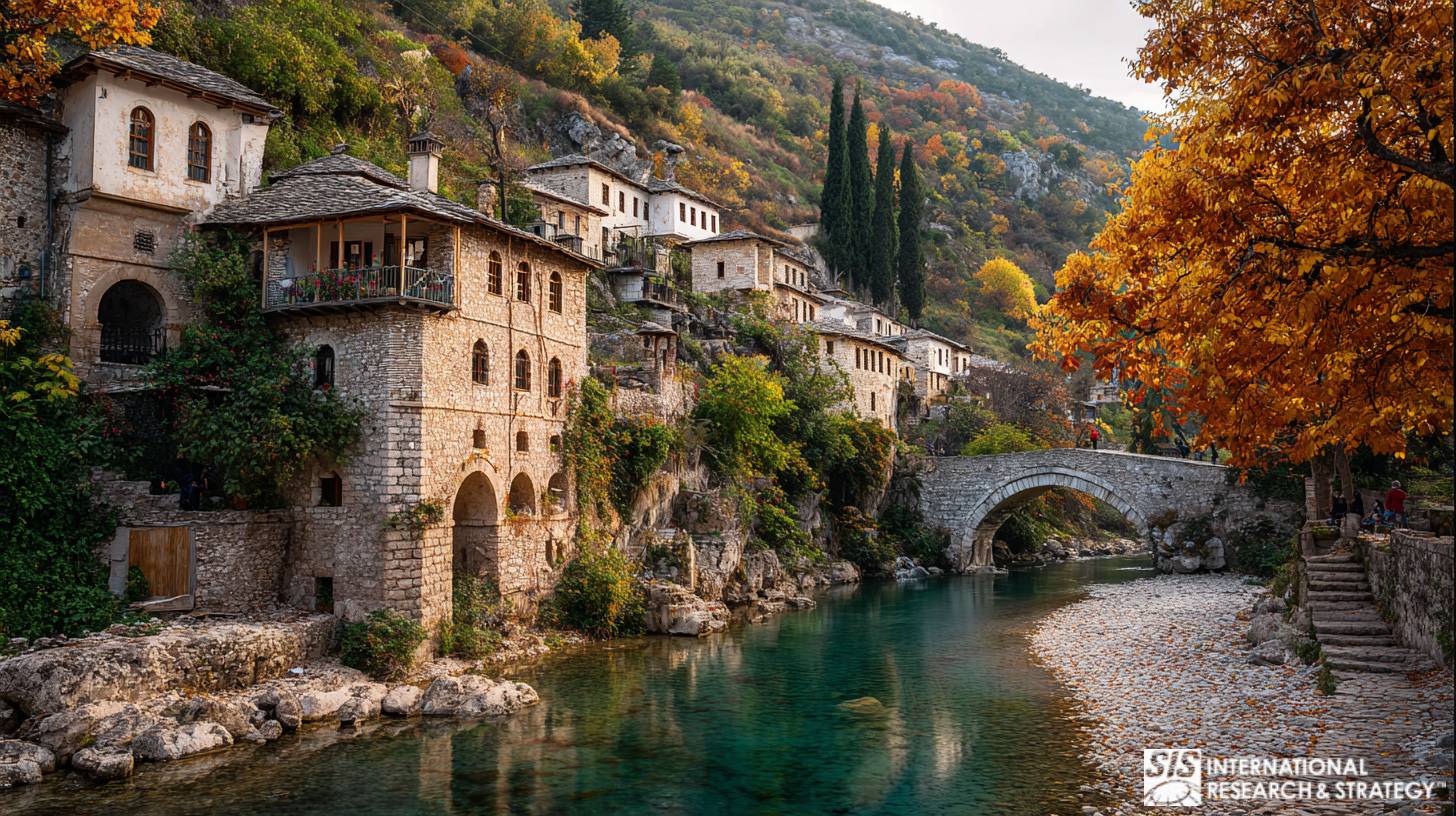
La investigación de mercado en Albania es una estrategia esencial para las empresas que buscan tener éxito en este mercado dinámico y en evolución. Comprender el comportamiento del consumidor, las tendencias de la industria y el panorama competitivo puede diferenciar entre prosperar y sobrevivir en el entorno empresarial de Albania.
¿Qué es la investigación de mercado en Albania?
La investigación de mercado en Albania tiene como objetivo comprender las preferencias de los consumidores, el comportamiento de compra, las tendencias de la industria y la dinámica competitiva en el país. Las empresas realizan investigaciones de mercado para tomar decisiones informadas sobre la entrada al mercado, el desarrollo de productos, las estrategias de precios y las campañas de marketing adaptadas específicamente al mercado albanés.
Explora aspectos clave como la demografía de los consumidores, las preferencias de estilo de vida, los indicadores económicos y los marcos regulatorios. Al aprovechar los conocimientos de la investigación de mercado, las empresas pueden adaptar sus ofertas para alinearse con la demanda local y obtener una ventaja competitiva.
¿Por qué las empresas necesitan estudios de mercado en Albania?
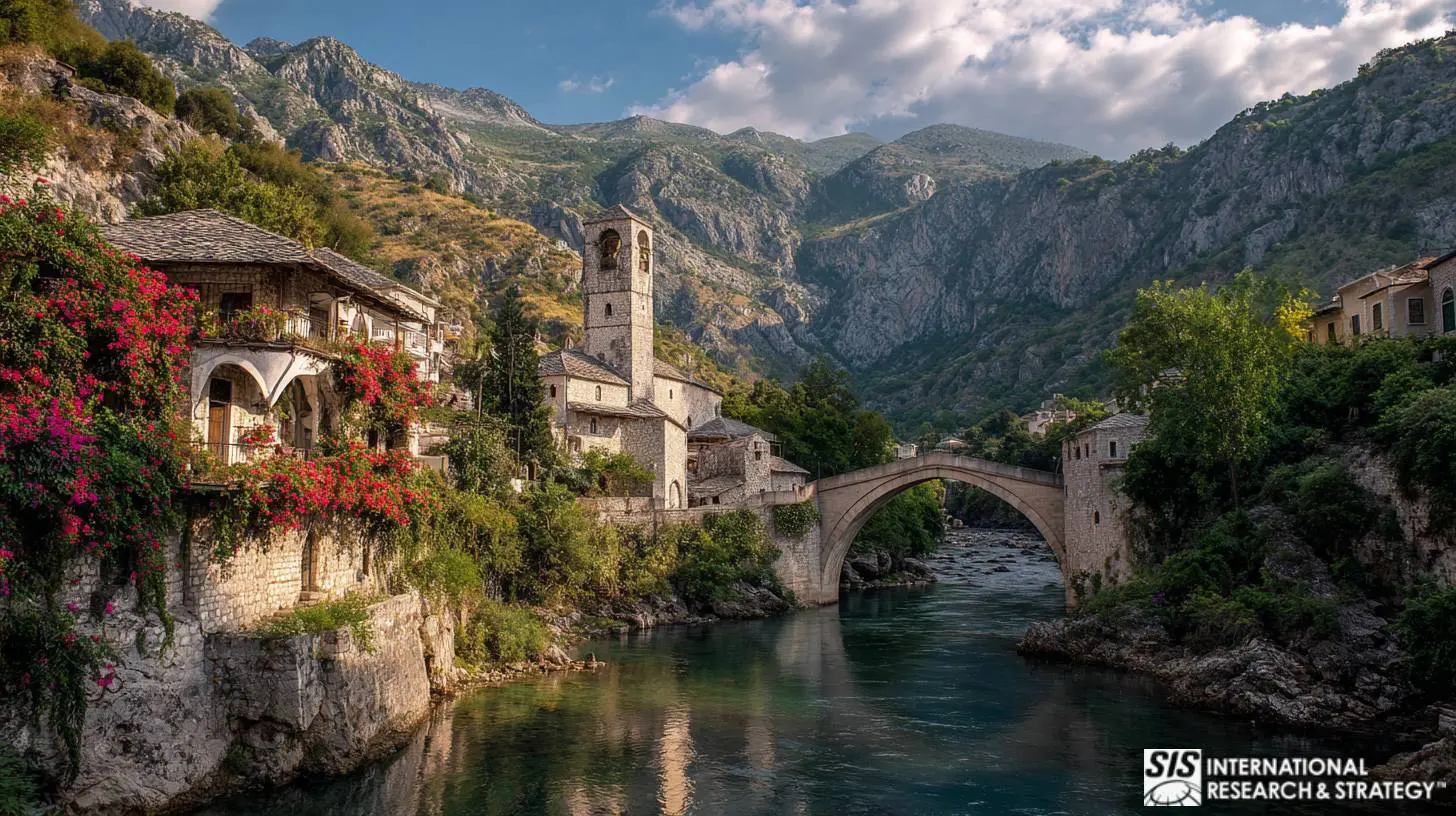
La investigación de mercado proporciona información crucial sobre el comportamiento, las preferencias y los patrones de compra de los consumidores específicos de Albania. Comprender los gustos y tendencias locales permite a las empresas adaptar sus ofertas de manera eficaz. La investigación de mercado en Albania también ayuda a las empresas a evaluar el panorama competitivo, identificando competidores clave, sus estrategias y posicionamiento en el mercado. Este conocimiento ayuda a desarrollar ventajas competitivas y estrategias de diferenciación.
Además, la realización de estudios de mercado minimiza los riesgos asociados con la entrada al mercado o el lanzamiento de productos en Albania. Las empresas pueden optimizar su enfoque de mercado y reducir las incertidumbres identificando posibles desafíos y oportunidades. Además, satisfacer las expectativas de los clientes es crucial para el éxito en Albania. La investigación de mercado ayuda a las empresas a comprender las preferencias de los clientes y ofrecer productos o servicios que resuenan en el mercado local, mejorando la satisfacción general del cliente.
Cuándo realizar una investigación de mercado en Albania
La investigación de mercado en Albania debe planificarse estratégicamente para maximizar su eficacia e impacto. A continuación, se indican algunas consideraciones clave para determinar cuándo realizar una investigación de mercado:
• Entrada o expansión del mercado:Las empresas deben realizar una investigación de mercado exhaustiva antes de ingresar o expandirse al mercado albanés. Esto ayuda a evaluar la viabilidad del mercado, comprender las preferencias de los consumidores e identificar posibles desafíos.
• Desarrollo de productos:La investigación de mercado es fundamental durante el desarrollo de productos para obtener información sobre las preferencias locales de Albania, las necesidades no satisfechas y las ofertas competitivas. Esto garantiza que los productos estén en línea con la demanda del mercado.
• Campañas de marketing: Antes de lanzar campañas de marketing en Albania, las empresas deben realizar investigaciones para comprender los matices culturales, las preferencias de los medios y la eficacia de los mensajes. Esto permite campañas específicas e impactantes.
Nuestra revisión del mercado actual y recomendaciones
En SIS International, creemos que Albania ha sido testigo de un aumento del gasto de los consumidores debido a la mejora de las condiciones económicas y al aumento de los ingresos disponibles. El mercado se está transformando digitalmente, con una mayor adopción del comercio electrónico, los pagos digitales y los servicios en línea. Sectores como el turismo, la tecnología y las energías renovables están experimentando crecimiento y presentando oportunidades de inversión.
Recomendaciones:
Según nuestra revisión del mercado, recomendamos las siguientes estrategias para empresas que buscan capitalizar oportunidades en Albania:
- Campañas de marketing localizadas: Adaptar las estrategias de marketing para que resuenen con las preferencias y los matices culturales de los consumidores albaneses.
- Integración Digital: Invertir en tecnologías digitales para mejorar el alcance del mercado y la participación del cliente.
- Asociaciones y Alianzas: Colaborar con empresas o partes interesadas locales para sortear las complejidades regulatorias y obtener información sobre el mercado.
Tendencias
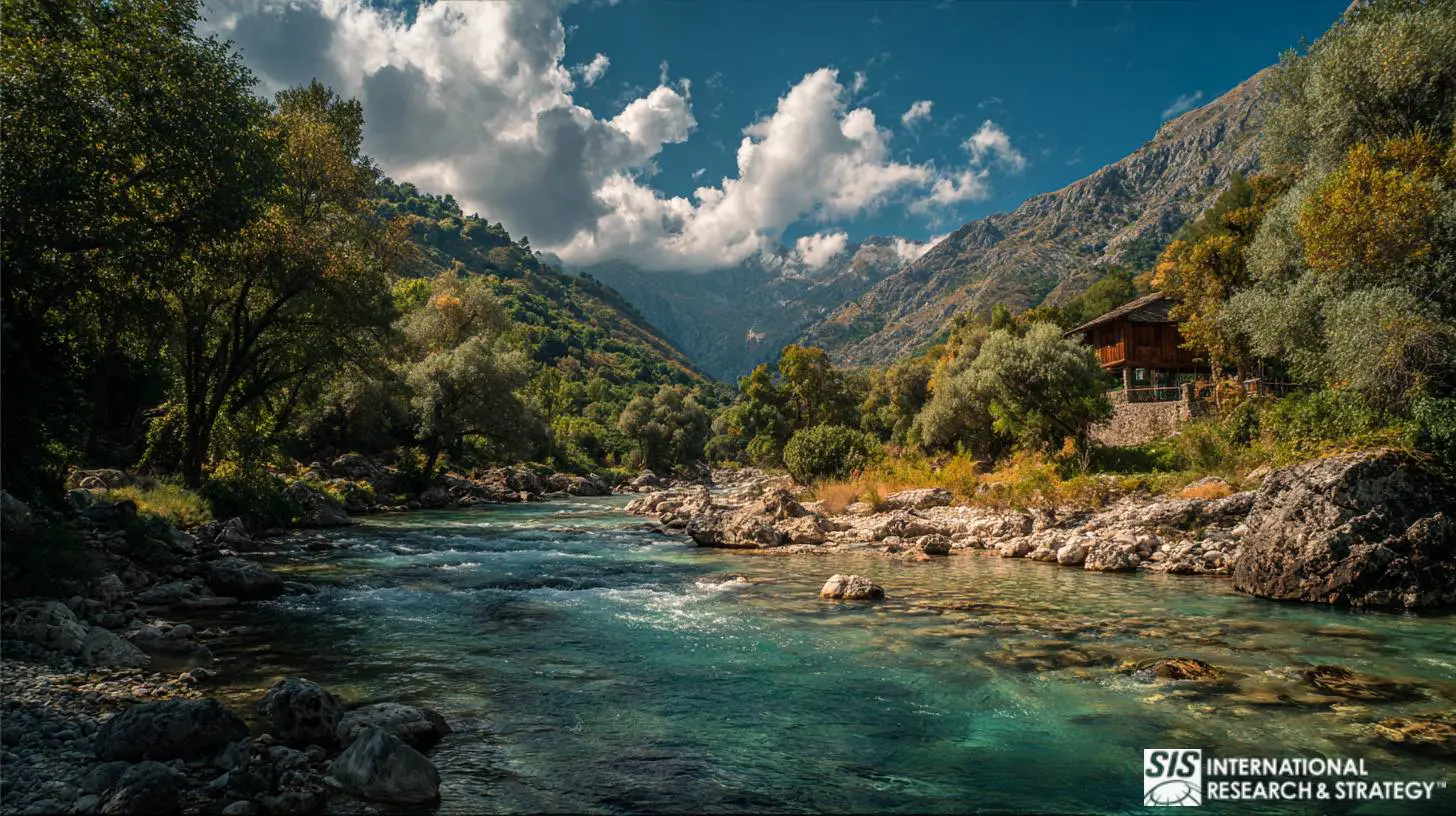
En la actualidad, el crecimiento demográfico del país es positivo, aunque todavía se observa una ligera caída debido al desplazamiento de personas al extranjero.
La mayoría de la gente vive en el campo más que en las ciudades. No es un país religioso, pero hay libertad para practicar las propias creencias. La religión principal es el Islam. Por tanto, queda claro que el gobierno respeta los derechos de los ciudadanos.
Este país también tiene una población joven. Por lo tanto, espera contar con mano de obra calificada en los próximos años.
Industrias clave
Las principales fuentes de ingresos son el petróleo y el gas, la minería, los textiles, la energía hidroeléctrica y el turismo. Este país tiene la segunda reserva de petróleo más grande de los Balcanes. Albania comenzó a explotar estas reservas ya en 1928, pero los yacimientos petrolíferos siempre han permanecido bajo custodia estatal.
La producción textil inicial utilizaba materias primas locales. Sin embargo, esto cambió con la privatización de las fábricas, lo que llevó a la importación de materias primas de otros países. El sector servicios representa la mitad de la economía. El sector industrial y la agricultura también desempeñan un papel importante. Entre los productos agrícolas se incluyen el tabaco, las frutas, las verduras, los cereales, las patatas y la medicina tradicional.
Otras industrias incluyen:
Turismo y Hospitalidad:
-
- Crecimiento del turismo: El sector turístico de Albania está experimentando un crecimiento significativo, impulsado por sus paisajes escénicos, sitios históricos y atracciones costeras.
- Servicios hospitalarios: La industria hotelera, incluidos hoteles, complejos turísticos y restaurantes, desempeña un papel fundamental a la hora de acoger a los turistas e impulsar la actividad económica.
Tecnologías de la Información (TI) y Telecomunicaciones:
-
- Transformación Digital: Los sectores de TI y telecomunicaciones están experimentando un crecimiento, con una creciente adopción de tecnologías digitales y conectividad.
- Nuevas empresas tecnológicas: Albania tiene un ecosistema de startups en ciernes, que fomenta la innovación y el espíritu empresarial en el sector de TI.
Servicios financieros:
-
- Bancos y finanzas: El sector de servicios financieros está evolucionando: los bancos están ampliando sus servicios y nuevas empresas de tecnología financiera ingresan al mercado.
Atención sanitaria y farmacéutica:
-
- Servicios de atención médica: El sector sanitario se está desarrollando, con inversiones en instalaciones y servicios sanitarios modernos.
- Productos farmacéuticos: La fabricación y distribución de productos farmacéuticos atiende a los mercados locales y regionales.
Impulsores del mercado en Albania
Varios factores clave actúan como impulsores del crecimiento y desarrollo del mercado en Albania:
- Auge del turismo: La creciente popularidad de Albania como destino turístico es un importante impulsor del mercado, que atrae inversiones en hotelería, infraestructura y servicios para atender al creciente número de visitantes.
- Perspectivas de adhesión a la UE: Las aspiraciones de Albania de unirse a la Unión Europea (UE) han impulsado reformas económicas, proyectos de infraestructura e inversiones extranjeras, impulsando el crecimiento del mercado y mejoras regulatorias.
- Transformación Digital: La adopción de tecnologías digitales y la expansión de la infraestructura de telecomunicaciones están impulsando el crecimiento del sector de TI, el comercio electrónico y los servicios digitales de Albania.
- Inversión Extranjera Directa (IED): Las inversiones extranjeras en sectores críticos como la energía, la manufactura y los servicios contribuyen a la expansión del mercado, la creación de empleo y el desarrollo económico en Albania.
- Iniciativas gubernamentales: Las políticas favorables a las empresas, las reformas regulatorias y los incentivos a la inversión están estimulando el crecimiento del mercado y el espíritu empresarial en Albania.
- Población jovenAlbania tiene una población relativamente joven con una clase media en crecimiento, lo que ha provocado un mayor gasto de consumo, una demanda de servicios modernos y cambios en el estilo de vida.
Restricciones del mercado en Albania
Si bien Albania presenta oportunidades prometedoras, también existen varias restricciones y desafíos del mercado:
- Deficiencias de infraestructura: A pesar del desarrollo en curso, la infraestructura de Albania, incluidas las carreteras, los servicios públicos y los servicios públicos, aún requiere mejoras para respaldar plenamente el crecimiento económico y la inversión.
- Inestabilidad política: La inestabilidad política periódica y los problemas de gobernanza pueden crear incertidumbres para las empresas y los inversores, afectando la confianza del mercado y la planificación a largo plazo.
- Corrupción y burocracia: Albania enfrenta desafíos relacionados con la corrupción, las ineficiencias burocráticas y las complejidades regulatorias, que pueden obstaculizar las operaciones comerciales y las inversiones extranjeras.
- Brecha de habilidades: La disponibilidad de mano de obra calificada y talento especializado en ciertos sectores como la tecnología y la manufactura puede ser limitada, lo que impacta el crecimiento y la innovación de la industria.
- Acceso a la financiación: Las pequeñas y medianas empresas (PYME) de Albania a menudo enfrentan desafíos para acceder a financiamiento, lo que limita su capacidad para expandir sus operaciones e invertir en iniciativas de crecimiento.
- Tamaño y fragmentación del mercado: El tamaño del mercado de Albania es relativamente pequeño en comparación con el de los países vecinos, y la fragmentación del mercado puede plantear desafíos de escalabilidad y penetración en el mercado.
Resultados esperados de la investigación de mercado de SIS International en Albania
SIS Internacional se especializa en brindar conocimientos prácticos y resultados mensurables para empresas que operan en Albania. Estos son los resultados esperados de nuestros servicios de investigación de mercado:
Toma de decisiones informada:
SIS permite a los clientes tomar decisiones informadas, respaldadas por datos y análisis específicos del mercado albanés, lo que se traduce en una ventaja estratégica.
Penetración de mercado mejorada:
Al comprender el comportamiento y las preferencias de los consumidores en Albania, nuestros clientes pueden mejorar su penetración en el mercado y ampliar su base de clientes.
Desarrollo de productos mejorado:
Nuestra investigación proporciona información que ayuda a optimizar la oferta de productos para alinearse con las necesidades y preferencias de los consumidores albaneses, mejorando el rendimiento y la aceptación del producto.
Ventaja competitiva:
Los clientes obtienen una ventaja competitiva al aprovechar nuestro análisis del panorama competitivo y la dinámica del mercado de Albania para identificar oportunidades y mitigar amenazas.
Mitigación de riesgos:
Nuestros expertos identifican los riesgos y desafíos del mercado, lo que permite a los clientes desarrollar estrategias de mitigación de riesgos y navegar eficazmente las incertidumbres del mercado.
Estrategias de marketing optimizadas:
Nuestros conocimientos permiten a los clientes adaptar sus estrategias de marketing, lo que da como resultado campañas más impactantes y específicas que resuenan entre los consumidores albaneses.
Mayor retorno de la inversión:
Al tomar decisiones basadas en datos e implementar estrategias personalizadas, nuestros clientes experimentan un mejor retorno de la inversión (ROI) en el mercado albanés.
Atractivo de la industria: análisis FODA del mercado albanés
Un análisis FODA (Fortalezas, Debilidades, Oportunidades, Amenazas) del mercado albanés proporciona información sobre su atractivo general para las empresas:
Fortalezas:
- Belleza natural: Los paisajes pintorescos, la costa y los sitios históricos de Albania atraen a turistas e inversores.
- Ubicación estratégica: La ubicación de Albania en el sudeste de Europa ofrece proximidad a los principales mercados y rutas comerciales europeos.
- Turismo en crecimiento: El sector turístico se está expandiendo, impulsado por las inversiones y el aumento de la llegada de visitantes.
- Población joven: Un grupo demográfico joven presenta oportunidades para las industrias impulsadas por el consumo y la innovación.
Debilidades:
- Desafíos de infraestructura: Las deficiencias en infraestructura, incluidos el transporte y los servicios públicos, plantean limitaciones.
- Procesos Burocráticos: Los obstáculos administrativos y las complejidades regulatorias pueden obstaculizar las operaciones comerciales.
- Brecha de habilidades: La disponibilidad de mano de obra calificada en sectores específicos requiere mejoras para apoyar el crecimiento de la industria.
- Tamaño de mercado:El tamaño relativamente pequeño del mercado de Albania puede limitar la escalabilidad de las empresas.
Oportunidades:
- Perspectivas de adhesión a la UE: La aspiración de Albania de unirse a la UE abre oportunidades de comercio, inversión y alineación regulatoria.
- Transformación Digital:La adopción de tecnologías digitales crea oportunidades en TI, comercio electrónico y servicios digitales.
- Desarrollo de energías renovables: Las inversiones en proyectos de energía renovable presentan oportunidades para el crecimiento sostenible.
- Diversificación Económica: Los sectores emergentes como la atención sanitaria, la manufactura y las finanzas ofrecen perspectivas de inversión.
Amenazas:
- Inestabilidad política: Los disturbios políticos periódicos y los desafíos de gobernanza pueden afectar la estabilidad del mercado.
- Factores económicos externos: Vulnerabilidad a los shocks económicos externos y las fluctuaciones en los mercados globales.
- Competencia de los mercados vecinos: La competencia de los países vecinos puede plantear desafíos para la penetración del mercado y la inversión.
- Corrupción y riesgos regulatorios: La corrupción y las incertidumbres regulatorias pueden disuadir las inversiones extranjeras y la confianza empresarial.
Razones para hacer crecer su negocio en Albania
La ubicación del país permite un fácil acceso a los mercados de Europa y también es una puerta de entrada a la cercana región de los Balcanes. El país tiene cuatro puertos principales: Durres, Vlora, Shengjin y Saranda. Shengjin es el más profundo y puede atracar grandes buques de carga.
Los estudiantes aprenden inglés, italiano, francés, alemán y griego en la escuela. Por lo tanto, la fuerza laboral cuenta con muchos jóvenes motivados y bien educados, un grupo ideal del cual elegir trabajadores.
Albania es una zona de libre comercio. Por tanto, hay libre acceso al mercado. Las rutas comerciales son seguras y proporcionan un mercado a la mayoría de los países de la UE.
Nuestra ubicación de instalaciones en Nueva York
11 E 22nd Street, piso 2, Nueva York, NY 10010 T: +1(212) 505-6805
Acerca de la investigación de mercado en Albania
La investigación de mercado es una parte integral a la hora de decidir si invertir en un país en particular. Por lo tanto, sería útil contar con un equipo confiable para investigar y proporcionar resultados precisos. Elegir nuestro equipo le brindará estos resultados y más.
Nuestra compañía, SIS Internacional, Utilizamos investigación cualitativa, cuantitativa y estratégica para analizar el mercado. También organizamos grupos focales y realizamos entrevistas y encuestas. SIS examina los nichos de mercado, las tendencias y los sectores clave para usted. Le ofrecemos resultados basados en el estado del mercado, sus carencias y las posibilidades de éxito. Permítanos impulsar el crecimiento de su negocio hoy mismo.

 ES
ES  EN
EN  AR
AR  ZH
ZH  ZH_HK
ZH_HK  NL
NL  FR
FR  DE
DE  IT
IT  JA
JA  KO
KO  PL
PL  PT
PT