
Badania rynku w Albanii
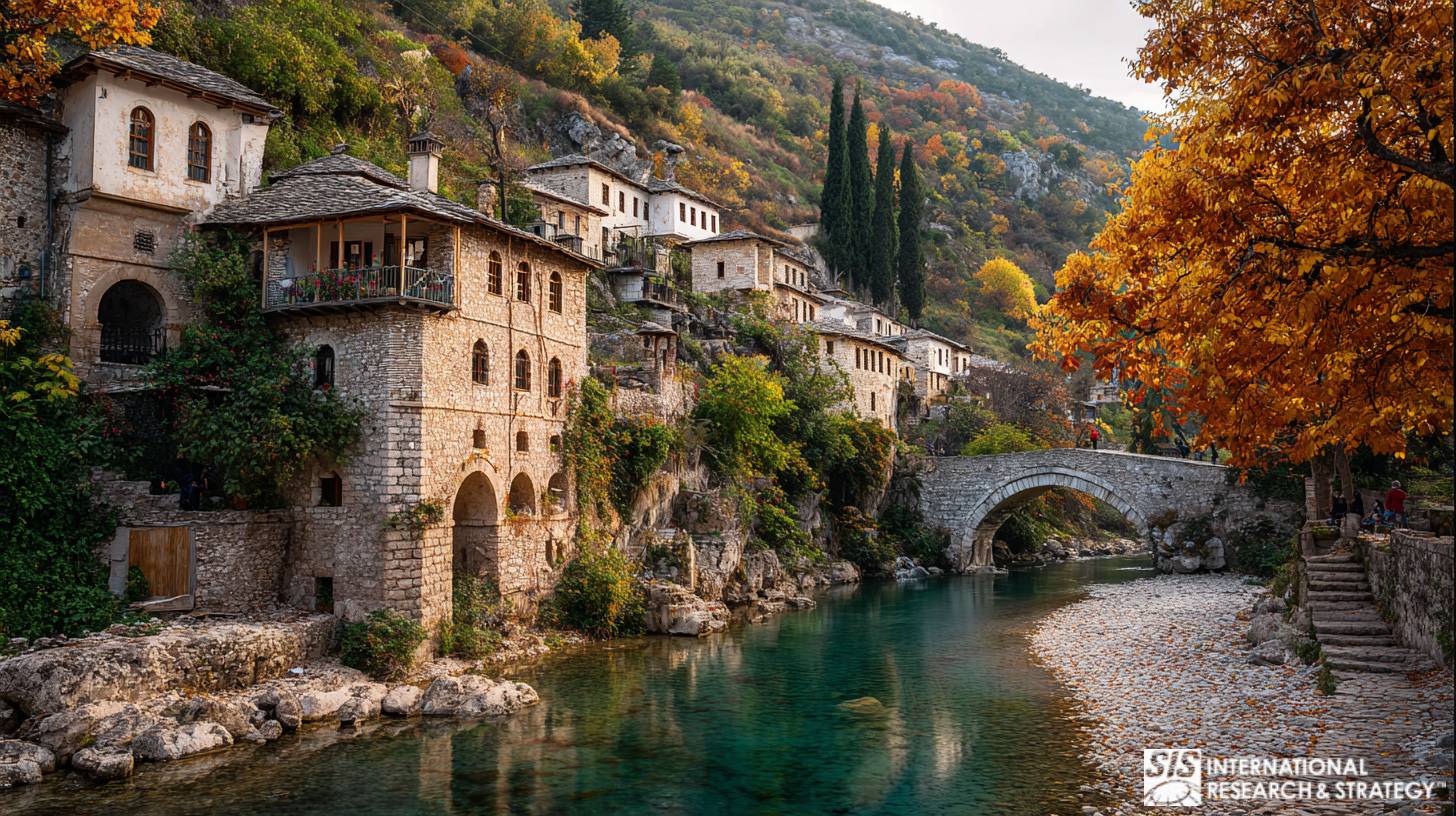
Market research in Albania is an essential strategy for businesses aiming to succeed in this dynamic and evolving market. Understanding consumer behavior, industry trends, and competitive landscape can differentiate between thriving and surviving in Albania’s business environment.
What Is Market Research in Albania?
Market research in Albania aims to understand consumer preferences, purchasing behavior, industry trends, and competitive dynamics in the country. Businesses conduct market research to make informed decisions about market entry, product development, pricing strategies, and marketing campaigns tailored specifically to the Albanian market.
It explores key aspects such as consumer demographics, lifestyle preferences, economic indicators, and regulatory frameworks. By leveraging market research insights, businesses can adapt their offerings to align with local demand and gain a competitive edge.
Why Do Businesses Need Market Research in Albania?
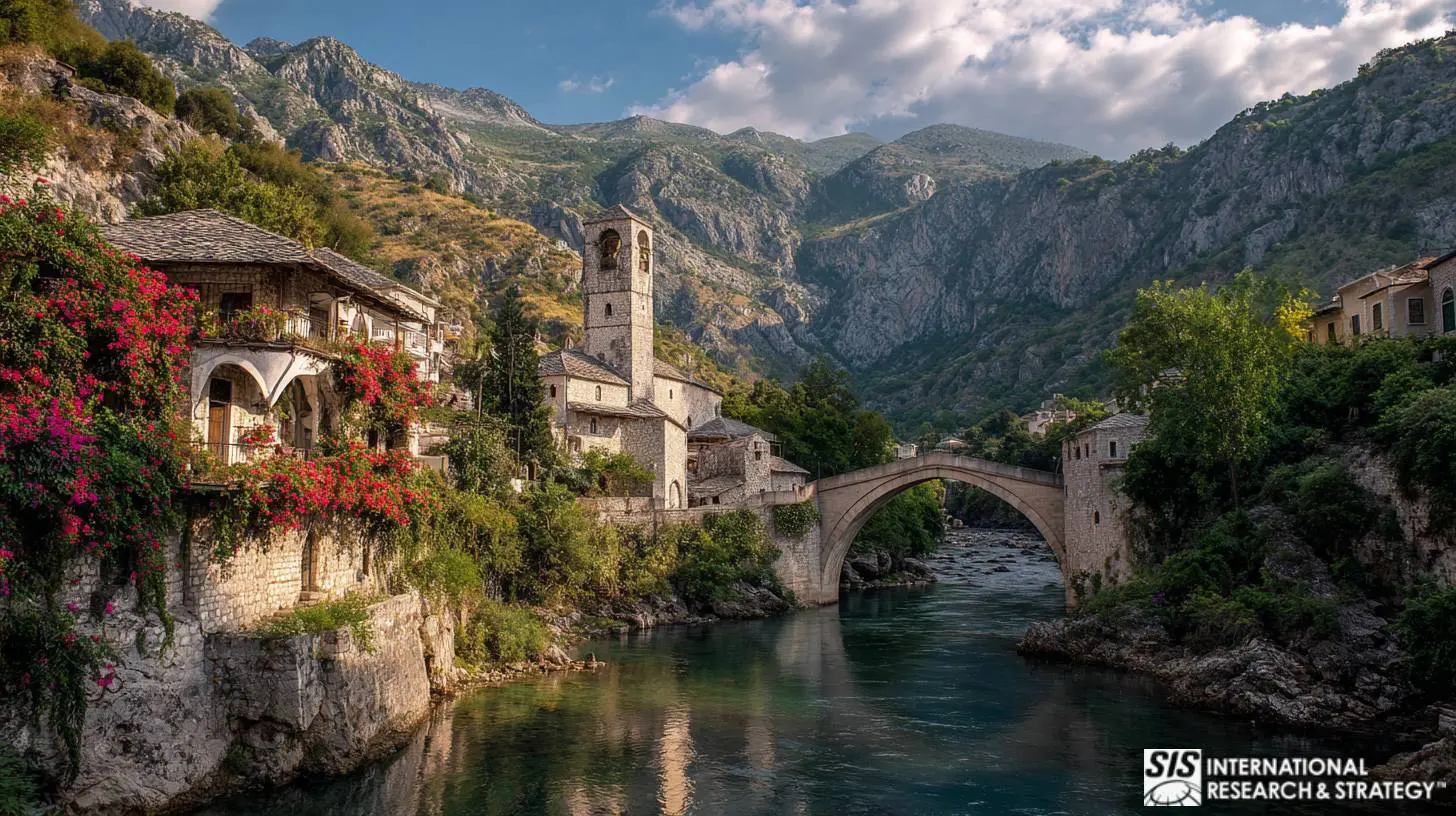
Market research provides crucial insights into consumer behavior, preferences, and buying patterns specific to Albania. Understanding local tastes and trends enables businesses to tailor their offerings effectively. Market research in Albania also helps businesses assess the competitive landscape, identifying key competitors, their strategies, and market positioning. This knowledge aids in developing competitive advantages and differentiation strategies.
Moreover, conducting market research minimizes risks associated with market entry or product launches in Albania. Businesses can optimize their market approach and reduce uncertainties by identifying potential challenges and opportunities. Furthermore, meeting customer expectations is crucial for success in Albania. Market research helps businesses understand customer preferences and deliver products or services that resonate with the local market, enhancing overall customer satisfaction.
When to Conduct Market Research in Albania
Market research in Albania should be strategically timed to maximize its effectiveness and impact. Here are key considerations for determining when to conduct market research:
• Market Entry or Expansion: Businesses should conduct comprehensive market research before entering or expanding into the Albanian market. This helps assess market viability, understand consumer preferences, and identify potential challenges.
• Product Development: Market research is crucial during product development to gather insights into Albania’s local preferences, unmet needs, and competitive offerings. This ensures that products are well-aligned with market demand.
• Marketing Campaigns: Before launching marketing campaigns in Albania, businesses should conduct research to understand cultural nuances, media preferences, and messaging effectiveness. This allows for targeted and impactful campaigns.
Nasz aktualny przegląd rynku i rekomendacje
At SIS International, we believe Albania has witnessed increased consumer spending due to improving economic conditions and rising disposable incomes. The market is transforming digitally, with increased adoption of e-commerce, digital payments, and online services. Sectors such as tourism, technology, and renewable energy are experiencing growth and presenting investment opportunities.
Zalecenia:
Based on our market review, we recommend the following strategies for businesses looking to capitalize on opportunities in Albania:
- Localized Marketing Campaigns: Tailor marketing strategies to resonate with Albanian consumer preferences and cultural nuances.
- Digital Integration: Invest in digital technologies to enhance market reach and customer engagement.
- Partnerships and Alliances: Collaborate with local businesses or stakeholders to navigate regulatory complexities and gain market insights.
Trendy
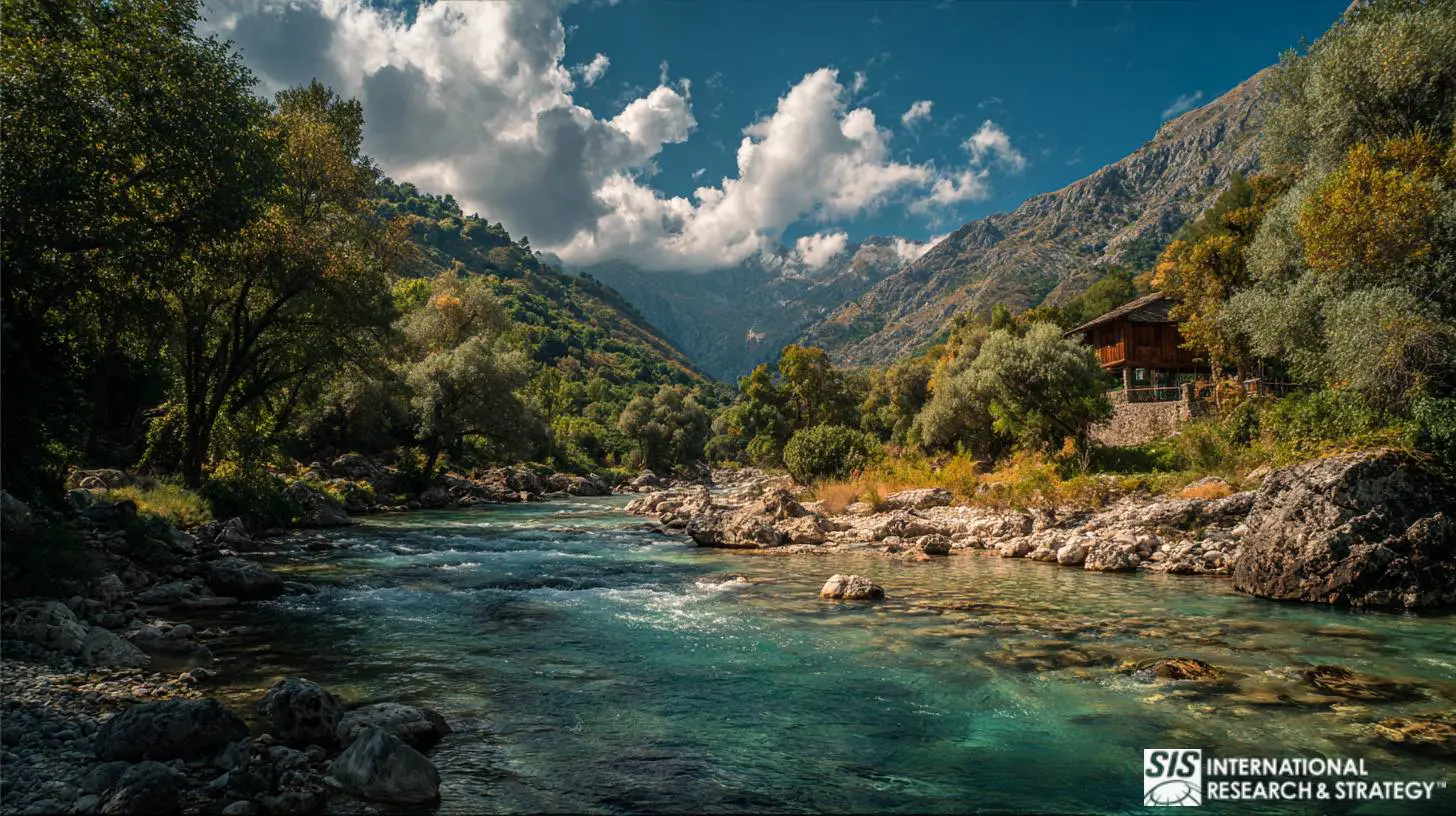
At present, the country’s population growth is positive. However, there is still a slight drop due to people moving to foreign countries.
Most people live in the countryside rather than in cities. It is not a religious country, but there is freedom to practice one’s beliefs. The main religion is Islam. Thus, it is clear that the government respects the rights of citizens.
This country also has a youthful population. Thus, it expects a skilled labor force for years to come.
Kluczowe branże
The primary sources of income are oil and gas, mining, textiles, hydropower, and tourism. This country has the second-largest oil reserve in the Balkans. Albania began to exploit these reserves as early as 1928, but the oilfields have always remained under state custody.
Early textile production used local raw materials. But this changed as factories became privatized. As a result, they began importing raw materials from foreign countries. The service sector makes up half of the economy. The industrial sector and agriculture also play their part. Agricultural products include tobacco, fruits, veggies, grain, potatoes, and traditional medicine.
Other industries include:
Turystyka i hotelarstwo:
-
- Wzrost turystyki: Albania’s tourism sector is experiencing significant growth, driven by its scenic landscapes, historic sites, and coastal attractions.
- Hospitality Services: The hospitality industry, including hotels, resorts, and restaurants, plays a pivotal role in accommodating tourists and driving economic activity.
Information Technology (IT) and Telecommunications:
-
- Transformacja cyfrowa: IT and telecommunications sectors are witnessing growth, with increasing adoption of digital technologies and connectivity.
- Tech Startups: Albania has a budding startup ecosystem, fostering innovation and entrepreneurship in the IT sector.
Usługi finansowe:
-
- Banking and Finance: The financial services sector is evolving, with banks expanding their services and fintech startups entering the market.
Healthcare and Pharmaceuticals:
-
- Usługi opieki zdrowotnej: The healthcare sector is developing, with investments in modern healthcare facilities and services.
- Produkty farmaceutyczne: Pharmaceutical manufacturing and distribution cater to local and regional markets.
Market Drivers in Albania
Several key factors act as drivers of market growth and development in Albania:
- Tourism Boom: Albania’s growing popularity as a tourist destination is a significant market driver, attracting investments in hospitality, infrastructure, and services to cater to the increasing number of visitors.
- EU Accession Prospects: Albania’s aspirations to join the European Union (EU) have spurred economic reforms, infrastructure projects, and foreign investments, driving market growth and regulatory improvements.
- Transformacja cyfrowa: The adoption of digital technologies and expansion of telecommunications infrastructure are driving growth in Albania’s IT sector, e-commerce, and digital services.
- Bezpośrednie inwestycje zagraniczne (BIZ): Foreign investments in critical sectors such as energy, manufacturing, and services contribute to market expansion, job creation, and economic development in Albania.
- Inicjatywy rządowe: Pro-business policies, regulatory reforms, and investment incentives are stimulating market growth and entrepreneurship in Albania.
- Młoda populacja: Albania has a relatively young population with a growing middle class, which has led to increased consumer spending, demand for modern amenities, and lifestyle changes.
Market Restraints in Albania
While Albania presents promising opportunities, several market restraints and challenges also exist:
- Infrastructure Deficiencies: Despite ongoing development, Albania’s infrastructure, including roads, utilities, and public services, still requires improvement to fully support economic growth and investment.
- Niestabilność polityczna: Periodic political instability and governance issues can create uncertainties for businesses and investors, impacting market confidence and long-term planning.
- Corruption and Bureaucracy: Albania faces challenges related to corruption, bureaucratic inefficiencies, and regulatory complexities, which can hinder business operations and foreign investments.
- Skills Gap: The availability of skilled labor and specialized talent in certain sectors like technology and manufacturing may be limited, impacting industry growth and innovation.
- Access to Finance: Albania’s small and medium enterprises (SMEs) often face challenges accessing financing, limiting their ability to expand operations and invest in growth initiatives.
- Market Size and Fragmentation: Albania’s market size is relatively small compared to neighboring countries, and market fragmentation may pose scalability and market penetration challenges.
Expected Results from SIS International’s Market Research in Albania
SIS Międzynarodowy specializes in delivering actionable insights and measurable outcomes for businesses operating in Albania. Here are the expected results from our market research services:
Podejmowanie świadomych decyzji:
SIS enables clients to make informed decisions backed by data and insights specific to the Albanian market, leading to a strategic advantage.
Improved Market Penetration:
By understanding consumer behavior and preferences in Albania, our clients can enhance their market penetration and expand their customer base.
Enhanced Product Development:
Our research provides insights that help optimize product offerings to align with Albanian consumer needs and preferences, improving product performance and acceptance.
Przewaga konkurencyjna:
Clients gain a competitive edge by leveraging our analysis of Albania’s competitive landscape and market dynamics to identify opportunities and mitigate threats.
Łagodzenie ryzyka:
Our experts identify market risks and challenges, enabling clients to develop risk mitigation strategies and effectively navigate market uncertainties.
Zoptymalizowane strategie marketingowe:
Our insights allow clients to tailor their marketing strategies, resulting in more impactful and targeted campaigns that resonate with Albanian consumers.
Zwiększony zwrot z inwestycji (ROI):
By making data-driven decisions and implementing tailored strategies, our clients experience improved return on investment (ROI) in the Albanian market.
Industry Attractiveness: SWOT Analysis of the Albanian Market
A SWOT (Strengths, Weaknesses, Opportunities, Threats) analysis of the Albanian market provides insights into its overall attractiveness for businesses:
Mocne strony:
- Natural Beauty: Albania’s scenic landscapes, coastline, and historical sites attract tourists and investors.
- Strategiczne położenie: Albania’s location in Southeast Europe offers proximity to major European markets and trade routes.
- Growing Tourism: The tourism sector is expanding, driven by investments and increasing visitor arrivals.
- Młoda populacja: A young demographic presents opportunities for consumer-driven industries and innovation.
Słabości:
- Wyzwania infrastrukturalne: Deficiencies in infrastructure, including transportation and utilities, pose limitations.
- Bureaucratic Processes: Administrative hurdles and regulatory complexities may hinder business operations.
- Skills Gap: The availability of skilled labor in specific sectors requires improvement to support industry growth.
- Market Size: Albania’s relatively small market size may limit the scalability of businesses.
Możliwości:
- EU Accession Prospects: Albania’s aspiration to join the EU opens trade, investment, and regulatory alignment opportunities.
- Transformacja cyfrowa: Adopting digital technologies creates opportunities in IT, e-commerce, and digital services.
- Renewable Energy Development: Investments in renewable energy projects present opportunities for sustainable growth.
- Economic Diversification: Emerging sectors such as healthcare, manufacturing, and finance offer investment prospects.
Zagrożenia:
- Niestabilność polityczna: Periodic political unrest and governance challenges may impact market stability.
- External Economic Factors: Vulnerability to external economic shocks and fluctuations in global markets.
- Competition from Neighboring Markets: Competition from neighboring countries may pose market penetration and investment challenges.
- Corruption and Regulatory Risks: Corruption and regulatory uncertainties can deter foreign investments and business confidence.
Reasons to grow your business in Albania
The country’s location gives easy access to markets in Europe, and it is also a gateway to the nearby Balkan region. The country has four major ports: Durres, Vlora, Shengjin, and Saranda. Shengjin is the deepest and can berth large cargo ships.
Students learn English, Italian, French, German, and Greek in school. Thus, the labor force has many young, driven, and well-educated people, an ideal pool from which to choose workers.
Albania is a free trade zone. Thus, there is free market access. The trade routes are secure and provide a market to most EU countries.
Lokalizacja naszego obiektu w Nowym Jorku
11 E 22nd Street, piętro 2, Nowy Jork, NY 10010 T: +1(212) 505-6805
About Market Research in Albania
Market research is an integral part of deciding whether to invest in a particular country. Thus, it would help if you had a reliable team to research and provide accurate results. Choosing our team will deliver these results and more.
Our company, SIS Międzynarodowy, uses Qualitative, Quantitative, and Strategy Research to probe the market. We also organize Focus Groups, and we conduct Interviews and Surveys. SIS examines the market’s neighborhoods, trends, and industries for you. We bring results based on the state of the market, what it lacks, and the chances for success. Give us the chance to make an impact on the growth of your business today.

 PL
PL  EN
EN  AR
AR  ZH
ZH  ZH_HK
ZH_HK  NL
NL  FR
FR  DE
DE  IT
IT  JA
JA  KO
KO  PT
PT  ES
ES