
アルバニアにおける市場調査
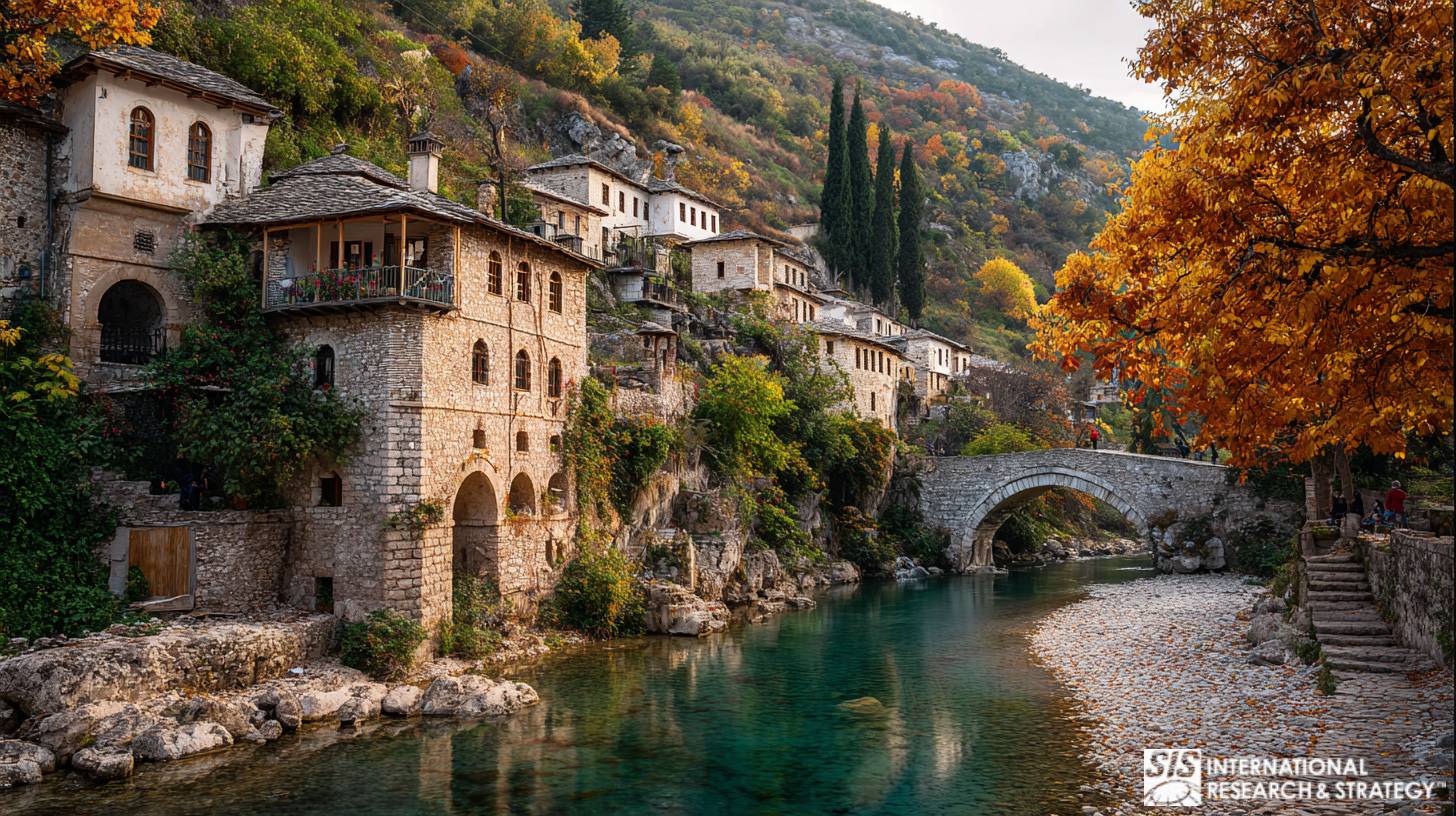
アルバニアでの市場調査は、このダイナミックで進化する市場で成功を目指す企業にとって不可欠な戦略です。消費者行動、業界のトレンド、競争環境を理解することで、アルバニアのビジネス環境で繁栄するか生き残るかの分かれ目が生まれます。
アルバニアにおける市場調査とは何ですか?
アルバニアにおける市場調査は、国内の消費者の嗜好、購買行動、業界動向、競争力の動向を把握することを目的としています。企業は市場調査を実施して、市場参入、製品開発、価格戦略、アルバニア市場に特化したマーケティング キャンペーンについて十分な情報に基づいた決定を下します。
消費者の人口統計、ライフスタイルの好み、経済指標、規制の枠組みなどの重要な側面を調査します。市場調査の洞察を活用することで、企業は地域の需要に合わせて提供内容を調整し、競争上の優位性を獲得できます。
アルバニアの企業が市場調査を必要とする理由とは?
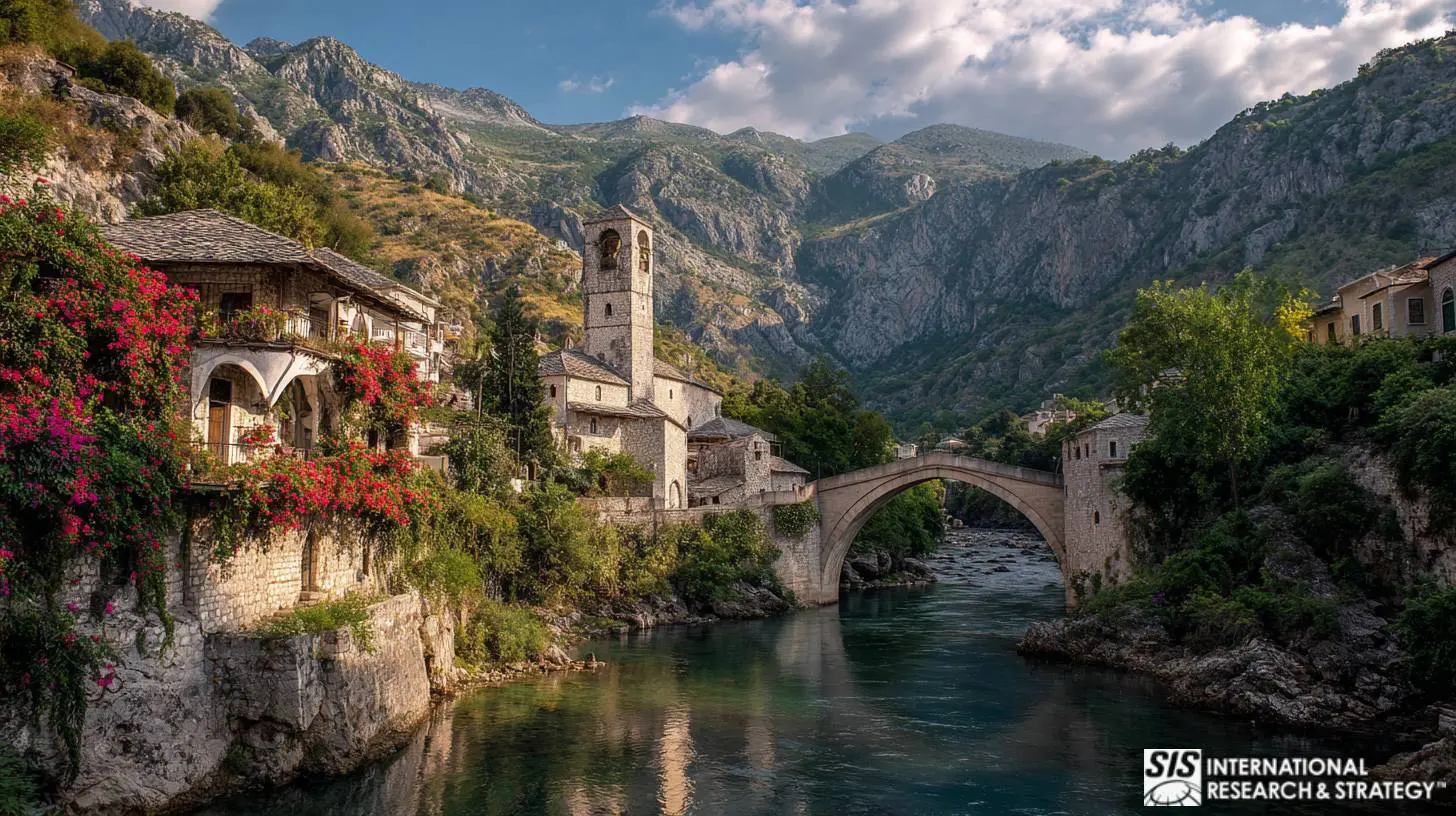
市場調査は、アルバニア特有の消費者行動、嗜好、購買パターンに関する重要な洞察を提供します。地元の嗜好や傾向を理解することで、企業は効果的に自社の製品をカスタマイズできます。アルバニアでの市場調査は、企業が競争環境を評価し、主要な競合他社、その戦略、市場でのポジショニングを特定するためにも役立ちます。この知識は、競争上の優位性と差別化戦略の開発に役立ちます。
さらに、市場調査を実施することで、アルバニアでの市場参入や製品発売に伴うリスクを最小限に抑えることができます。企業は潜在的な課題と機会を特定することで、市場へのアプローチを最適化し、不確実性を軽減できます。さらに、アルバニアで成功するには、顧客の期待に応えることが重要です。市場調査は、企業が顧客の好みを理解し、現地の市場に響く製品やサービスを提供するのに役立ち、全体的な顧客満足度を高めます。
アルバニアで市場調査を実施する時期
アルバニアでの市場調査は、その効果と影響を最大化するために戦略的にタイミングを計る必要があります。市場調査を実施する時期を決定する際に考慮すべき重要な点は次のとおりです。
• 市場参入または拡大: 企業は、アルバニア市場に参入または拡大する前に、包括的な市場調査を実施する必要があります。これにより、市場の実現可能性を評価し、消費者の好みを理解し、潜在的な課題を特定することができます。
• 製品開発: 製品開発においては、アルバニアの現地の嗜好、満たされていないニーズ、競合製品に関する洞察を得るために市場調査が不可欠です。これにより、製品が市場の需要にうまく適合することが保証されます。
• マーケティングキャンペーンアルバニアでマーケティング キャンペーンを開始する前に、企業は文化的なニュアンス、メディアの好み、メッセージの有効性を理解するための調査を実施する必要があります。これにより、ターゲットを絞った効果的なキャンペーンを実施できます。
現在の市場レビューと推奨事項
SIS International では、アルバニアでは経済状況の改善と可処分所得の増加により、消費者支出が増加していると考えています。市場はデジタル化しており、電子商取引、デジタル決済、オンライン サービスの導入が増加しています。観光、テクノロジー、再生可能エネルギーなどの分野は成長を遂げており、投資機会が生まれています。
推奨事項:
当社の市場調査に基づき、アルバニアでの機会を活用したいと考えている企業には、以下の戦略をお勧めします。
- ローカライズされたマーケティングキャンペーンアルバニアの消費者の好みや文化的ニュアンスに合わせてマーケティング戦略をカスタマイズします。
- デジタル統合: 市場へのリーチと顧客エンゲージメントを強化するためにデジタル テクノロジーに投資します。
- パートナーシップと提携: 地元の企業や関係者と協力して、規制の複雑さを乗り越え、市場の洞察を獲得します。
トレンド

現在、この国の人口は増加傾向にあります。しかし、外国への移住により、人口は若干減少しています。
ほとんどの人々は都市よりも田舎に住んでいます。宗教的な国ではありませんが、信仰を実践する自由があります。主な宗教はイスラム教です。したがって、政府が国民の権利を尊重していることは明らかです。
この国は若い人口も多く、今後何年にもわたって熟練した労働力が期待されています。
主要産業
主な収入源は石油とガス、鉱業、繊維、水力発電、観光業です。この国はバルカン半島で 2 番目に大きな石油埋蔵量を誇ります。アルバニアは 1928 年にはすでにこの埋蔵量の開発を始めましたが、油田は常に国の管理下にあります。
Early textile production used local raw materials. But this changed as factories became privatized. As a result, they began importing raw materials from foreign countries. The service sector makes up half of the economy. The industrial sector and agriculture also play their part. Agricultural products include tobacco, fruits, veggies, grain, potatoes, and traditional medicine.
その他の業界には以下が含まれます:
観光とホスピタリティ:
-
- 観光の成長アルバニアの観光部門は、美しい景観、史跡、沿岸の名所に牽引されて著しい成長を遂げています。
- ホスピタリティサービスホテル、リゾート、レストランなどのホスピタリティ業界は、観光客の受け入れや経済活動の促進に重要な役割を果たしています。
情報技術 (IT) と通信:
-
- デジタルトランスフォーメーションIT および通信部門は、デジタル技術と接続性の採用の増加に伴い、成長を遂げています。
- テック系スタートアップアルバニアには新興のスタートアップ エコシステムがあり、IT 分野におけるイノベーションと起業家精神を促進しています。
金融業務:
-
- 銀行・金融金融サービス分野は進化しており、銀行はサービスを拡大し、フィンテックの新興企業が市場に参入しています。
ヘルスケアおよび医薬品:
-
- ヘルスケアサービス: ヘルスケア部門は、近代的なヘルスケア施設やサービスへの投資により発展しています。
- 医薬品: 医薬品の製造と流通は、地方および地域の市場に対応します。
アルバニアの市場推進要因
アルバニアの市場の成長と発展の原動力となる主な要因はいくつかあります。
- 観光ブームアルバニアの観光地としての人気の高まりは市場の大きな推進力となり、増加する訪問者数に対応するためのホスピタリティ、インフラ、サービスへの投資を誘致しています。
- EU加盟の見通しアルバニアの欧州連合(EU)加盟への意欲は、経済改革、インフラプロジェクト、外国投資を促し、市場の成長と規制の改善を推進してきました。
- デジタルトランスフォーメーションデジタル技術の導入と通信インフラの拡大により、アルバニアの IT 部門、電子商取引、デジタル サービスが成長しています。
- 外国直接投資(FDI)エネルギー、製造、サービスなどの重要な分野への外国投資は、アルバニアの市場拡大、雇用創出、経済発展に貢献しています。
- 政府の取り組み: ビジネスに有利な政策、規制改革、投資インセンティブが、アルバニアの市場の成長と起業家精神を刺激しています。
- 若年人口アルバニアは比較的若い人口を抱え、中流階級が増加しており、消費者支出の増加、近代的なアメニティの需要、ライフスタイルの変化につながっています。
アルバニアにおける市場制約
アルバニアには有望な機会がある一方で、いくつかの市場の制約や課題も存在します。
- インフラの欠陥: 継続的な開発にもかかわらず、道路、公共設備、公共サービスを含むアルバニアのインフラは、経済成長と投資を完全にサポートするためにはまだ改善が必要です。
- 政治不安定期的な政治的不安定とガバナンスの問題は、企業や投資家にとって不確実性を生み出し、市場の信頼と長期計画に影響を及ぼす可能性があります。
- 汚職と官僚主義アルバニアは、汚職、官僚機構の非効率性、規制の複雑さに関連した課題に直面しており、それが事業運営や外国投資の妨げとなっている可能性があります。
- スキルギャップテクノロジーや製造業などの特定の分野では、熟練労働者や専門的才能の確保が制限される可能性があり、業界の成長や革新に影響を及ぼす可能性があります。
- 金融へのアクセスアルバニアの中小企業は資金調達に課題を抱えることが多く、事業拡大や成長イニシアチブへの投資能力が制限されています。
- 市場規模と細分化アルバニアの市場規模は近隣諸国に比べて比較的小さく、市場の細分化により拡張性と市場浸透に課題が生じる可能性があります。
SISインターナショナルのアルバニアにおける市場調査から期待される結果
SISインターナショナル アルバニアで事業を展開する企業に実用的な洞察と測定可能な成果を提供することに特化しています。当社の市場調査サービスから期待される結果は次のとおりです。
情報に基づいた意思決定:
SIS enables clients to make informed decisions backed by data and insights specific to the Albanian market, leading to a strategic advantage.
市場浸透の向上:
アルバニアの消費者行動と嗜好を理解することで、当社のクライアントは市場浸透を強化し、顧客基盤を拡大することができます。
強化された製品開発:
当社の調査は、アルバニアの消費者のニーズと嗜好に合わせて製品の提供を最適化し、製品のパフォーマンスと受容性を向上させるのに役立つ洞察を提供します。
競争力:
お客様は、アルバニアの競争環境と市場動向に関する当社の分析を活用して機会を特定し、脅威を軽減することで、競争上の優位性を獲得します。
リスク軽減:
当社の専門家は市場のリスクと課題を特定し、お客様がリスク軽減戦略を策定し、市場の不確実性を効果的に乗り越えられるよう支援します。
最適化されたマーケティング戦略:
当社の洞察力により、クライアントはマーケティング戦略をカスタマイズすることができ、アルバニアの消費者の共感を呼ぶ、よりインパクトのあるターゲットを絞ったキャンペーンを実施できます。
ROIの向上:
データに基づいた意思決定を行い、カスタマイズされた戦略を実行することで、当社のクライアントはアルバニア市場での投資収益率 (ROI) の向上を実現できます。
業界の魅力:アルバニア市場のSWOT分析
アルバニア市場の SWOT (強み、弱み、機会、脅威) 分析により、企業にとっての全体的な魅力についての洞察が得られます。
強み:
- 自然の美アルバニアの美しい景観、海岸線、史跡は観光客や投資家を魅了しています。
- 戦略的な立地アルバニアは南東ヨーロッパに位置しているため、ヨーロッパの主要市場や貿易ルートに近接しています。
- 成長する観光業: 観光部門は投資と訪問者数の増加により拡大しています。
- 若年人口若い世代は、消費者主導の産業とイノベーションの機会をもたらします。
弱点:
- インフラの課題交通機関や公共施設などのインフラの欠陥が制限を引き起こします。
- 官僚的なプロセス: 管理上の障害や規制の複雑さにより、事業運営が妨げられる可能性があります。
- スキルギャップ: 業界の成長を支えるには、特定の分野における熟練労働者の確保の改善が必要です。
- 市場規模アルバニアの市場規模が比較的小さいため、ビジネスの拡張性が制限される可能性があります。
機会:
- EU加盟の見通しアルバニアのEU加盟への意欲は、貿易、投資、規制の整合の機会をもたらします。
- デジタルトランスフォーメーションデジタル技術を採用することで、IT、電子商取引、デジタル サービスにチャンスが生まれます。
- 再生可能エネルギー開発再生可能エネルギープロジェクトへの投資は持続可能な成長の機会をもたらします。
- 経済の多様化ヘルスケア、製造、金融などの新興セクターには投資の見込みがあります。
脅威:
- 政治不安定期的な政治不安やガバナンス上の課題が市場の安定性に影響を及ぼす可能性があります。
- 外部経済要因: 外部の経済ショックや世界市場の変動に対する脆弱性。
- 近隣市場からの競争近隣諸国との競争により、市場浸透や投資に課題が生じる可能性があります。
- 汚職と規制リスク: 汚職や規制の不確実性は外国からの投資や企業の信頼を阻害する可能性があります。
アルバニアでビジネスを成長させる理由
この国はヨーロッパの市場へのアクセスが容易な位置にあり、近隣のバルカン地域への玄関口でもあります。この国にはドゥラス、ヴロラ、シェンジン、サランダの 4 つの主要港があります。シェンジンは最も水深が深く、大型貨物船が停泊できます。
学校では、英語、イタリア語、フランス語、ドイツ語、ギリシャ語を学びます。そのため、労働力には若く、意欲があり、教育水準の高い人材が多く、その中から労働者を選ぶのに理想的な人材プールとなっています。
アルバニアは自由貿易地域です。したがって、市場への自由なアクセスがあります。貿易ルートは安全で、ほとんどの EU 諸国に市場を提供しています。
ニューヨークの施設所在地
11 E 22nd Street、2階、ニューヨーク、NY 10010 電話: +1(212) 505-6805
アルバニアの市場調査について
市場調査は、特定の国に投資するかどうかを決定する上で不可欠な要素です。したがって、調査を行い正確な結果を提供する信頼できるチームがあれば役立ちます。当社のチームを選択すると、これらの結果だけでなく、それ以上の結果が得られます。
当社、 SISインターナショナル, uses Qualitative, Quantitative, and Strategy Research to probe the market. We also organize Focus Groups, and we conduct Interviews and Surveys. SIS examines the market’s neighborhoods, trends, and industries for you. We bring results based on the state of the market, what it lacks, and the chances for success. Give us the chance to make an impact on the growth of your business today.

 JA
JA  EN
EN  AR
AR  ZH
ZH  ZH_HK
ZH_HK  NL
NL  FR
FR  DE
DE  IT
IT  KO
KO  PL
PL  PT
PT  ES
ES