
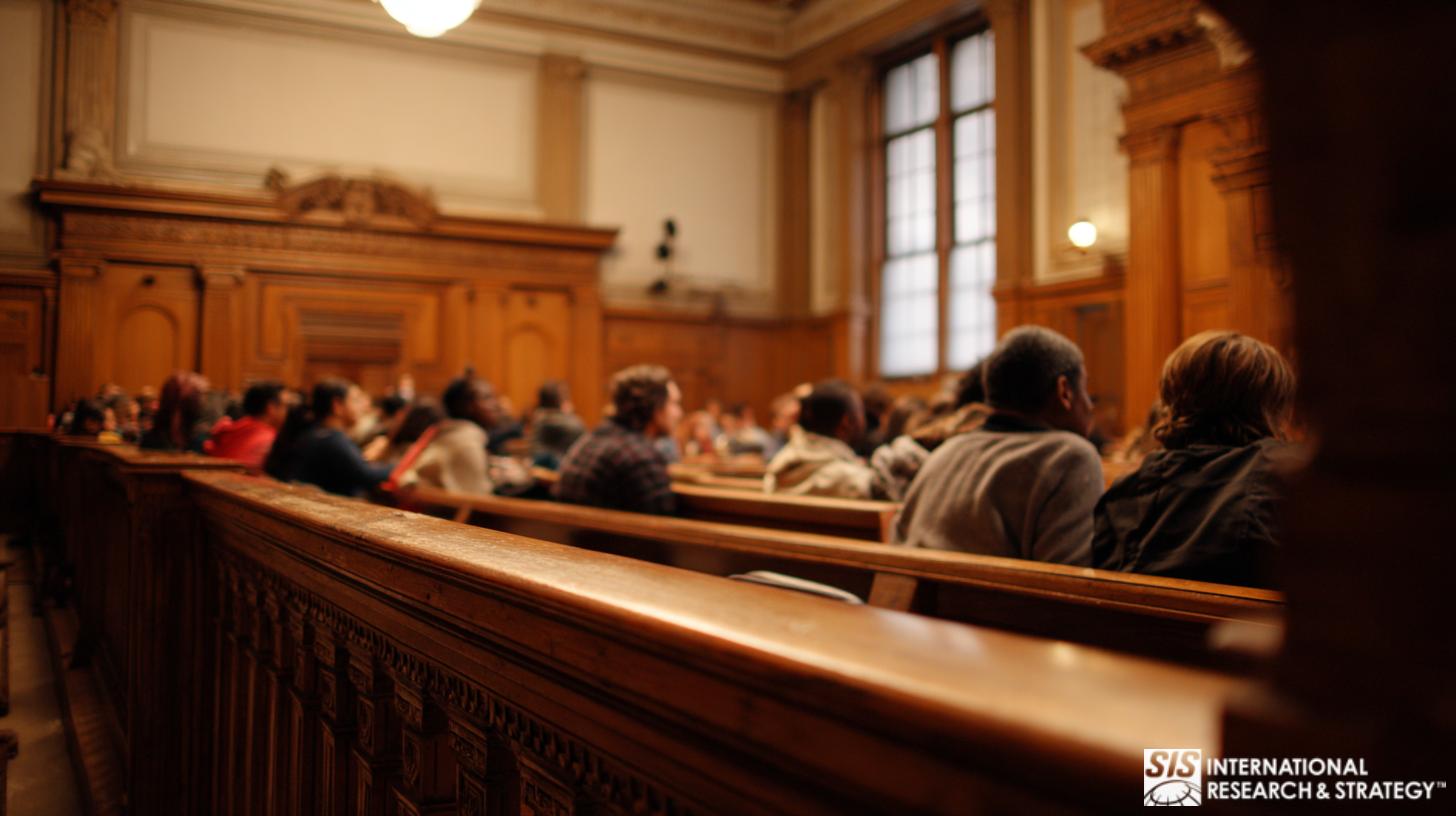
Mock juries are an invaluable tool when you have a high-stakes case and can’t risk leaving your legal arguments and presentation to chance. No matter how strong your case, you face risks and challenges if jurors misunderstand the evidence, question a witness’s credibility, or interpret the facts differently than you expect. Mock juries give you an opportunity to identify these issues before trial, when you still have time to address them. A mock jury is a time-efficient and may also be a cost-effective way to prepare for a trial with much higher confidence.
The value of mock juries in trial preparation
Putting mock trials to use reduces your risks and enhances your trial preparation in these key ways:
- Test your legal strategy and legal arguments: Find weaknesses in your case, or try different arguments to see which ones are most believable and persuasive.
- Anticipate opposing arguments: Test the other side’s arguments and your answers to them.
- Audition witnesses: While avoiding the ethical problems of coaching, witnesses can become familiar with the courtroom process, and attorneys can assess witness credibility.
- Gain insights into juror perceptions: Get feedback on how juries respond to different aspects of the case, interpret the facts, and identify what they find confusing or unconvincing.
- Improve your presentation: Rehearse your presentation so that you’ve worked out the flow, timing, and content for a confident delivery that lands with jurors.
The relevance of mock juries around the world
Mock juries became a popular legal practice in the late 20th century as trial preparation became a professional specialty and focused consultancies emerged to serve the market. Mock jury research is closely tied to legal systems. Here are some international observations:
- The U.S. market is the most extensive market for mock juries, as trial by jury is common
- In Canada, many civil cases are decided by a judge, making mock jury research less relevant
- In the EU, mock jury research is of limited use, as judges decide many types of cases in systems that vary from country to country
- Countries in East Asia have a mixed system of juries, lay judges and assessors, and professional judges, so the mock jury research varies
- The landscape of jury trials is evolving across South America, increasing the value of mock juries
- Middle Eastern countries generally do not use juries, and usage across Africa is limited
Mock jury best practices for reliable insights
Quality results require quality practices in finding mock jurors, effective moderators, and test design. To make sure you have reliable insights, work with a company that follows best practices:
Recruit the right juror
Find the right jurors who reflect the relevant jury pool in terms of age, gender, ethnicity, education, geographic location, and other factors. You might also want to consider biases about industries, practices, politics, ethnic groups, and other aspects that could influence perceptions and opinions.
Use an experienced moderator
Work with someone skilled in encouraging discussion without leading toward a conclusion. The moderator should have an understanding group dynamics, and have the ability to bring out what each mock juror actually thinks.
Prevent participant fatigue
Pace and schedule is important to prevent long sessions that tire out jurors. They may lose concentration, overlook important details, or rush to a decision. Break the research into manageable segments, schedule regular breaks, and allow sufficient time for thoughtful responses.
Maintain objectivity
Design the mock jury research to avoid supporting a preferred legal argument. The goal is to uncover unexpected reactions and potential weaknesses, not necessarily confirm a pre-held strategy.
Mock jury design and implementation
Begin by setting research objectives, such as testing different case theories and arguments, assessing the credibility and presentations of attorneys, evaluating witnesses, and other aspects of the case.
Next, recruit mock jurors who most closely resemble the jury pool likely for the trial. You may need to recruit from a specific geography, demographic profile, or professional background. A mock trial may involve 20 to 30 participants, depending on the research objectives and design. Researchers often break participants into separate groups. With smaller groups, researchers can watch how participants influence each other. Interactions are as important as individual responses. You can also compare reactions across groups.
Run the trial, structure deliberations, and collect findings. Researchers can observe behaviors and interactions, record discussions, note areas of disagreement or confusion, and report the observations with implications.
Dealing with the findings depends on what has been observed. When, for example, mock jurors are sharply divided, you may want to explore what drives each side’s position. Identify the evidence, assumptions, or case themes behind the divide, then refine your arguments to address those differences and test whether the changes help bridge the gap.
Mock juries in action
O.J. Simpson trials
Likely the most high-profile uses of mock juries were in the criminal and civil trials of O.J. Simpson in the murders of Nicole Brown Simpson and Ronald Goldman.
Prosecutors in the criminal trial recruited a diverse group of 30 mock jurors in Los Angeles. They recruited a second panel in Phoenix for a second opinion geographically removed from where the trial would actually take place. They presented their side and also created a defense case. The mock jury research tested the legal arguments, the credibility of the attorneys, how social attitudes of jurors affected how they would interpret evidence, and how they responded to the overall presentation.
The findings were grim for the prosecution. In both mock juries, black jurors were reluctant to deliver a guilty verdict, with black women being most sympathetic to Simpson. They had a strongly negative reaction to one of the prosecution attorneys, Marcia Clark. Different arguments and legal theories did not change the feedback.
Mock juries were also used in preparing for the civil case brought by Fred Goldman against Simpson. One of the findings was that jurors considered Simpson less believable the longer he talked. Partly based on this insight, the prosecution called Simpson as a witness and kept him on the stand as long as possible.
Suing SeaWorld
Investors sued SeaWorld, saying the theme park had misrepresented the business impact of the controversy surrounding its treatment of captive orcas. The plaintiffs used a mock jury trial to check for weaknesses in the case. The findings were that mock jurors felt the evidence presented was mostly circumstantial. Proving damages depended on confusing and competing expert testimony. Mock juror attitudes influenced their verdicts. In short, the litigation was risky, and the plaintiffs decided to settle without going to court, winning a $65 million settlement.
Making crucial decisions before trial.
Mock jury research cannot completely eliminate the uncertainty of a jury trial. It can help you see the case through someone else’s eyes. Having outsiders identify weaknesses, challenge assumptions, and highlight presentation and credibility issues is invaluable in preparing for a trial. You can address the issues and strengthen your case with the right insights. There are no guarantees, but a mock jury can set you up to enter the courtroom with confidence.
Frequently asked questions
When should you conduct mock jury research?
Conduct mock jury research early enough to make changes to your case strategy, arguments, evidence presentation, or witness preparation. You can also use it before mediation or settlement negotiations to better understand potential trial risks.
How many participants do you need for a mock jury?
The number depends on your objectives, the complexity of the case, and the research method. A mock trial may involve 20 to 30 participants divided into smaller groups, while a focus group may use fewer participants. Multiple groups can help you identify patterns and distinguish recurring concerns from individual opinions.
Can mock jury research predict the outcome of a trial?
No. Mock jury research cannot guarantee or reliably predict a verdict. It can reveal how participants interpret evidence, assess credibility, and respond to competing arguments, helping you identify weaknesses and make better-informed decisions before trial.