
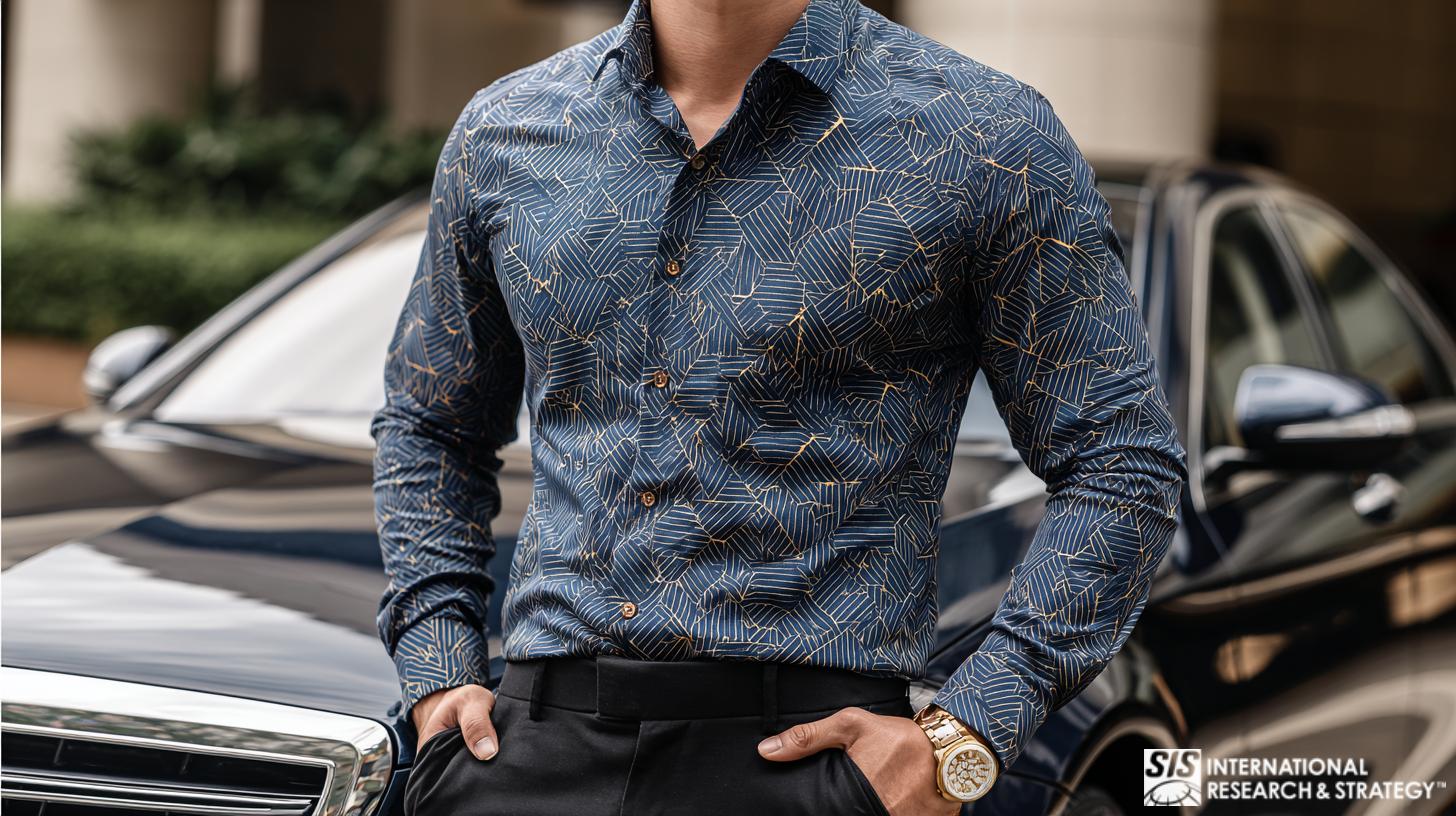
Fashion market research gives brands the insights they need to navigate the market shifts that have upended the business.
The retail revolution from department stores and specialty stores in malls to online shopping is just one area of change. The decline of traditional media marks another sea change, as fashion magazines have given way to TikTok, Instagram, and social media influencers that shape trends almost overnight. Add in demographic and cultural movements, economic realignment, accelerating technology innovations, and geopolitical volatility.
Legacy brands face the challenge of staying relevant, while new brands face the challenge of breaking through. That is why it is so important to find out what consumers want, which brands they consider, how they shop, what influences their decisions, and where new opportunities exist.
An enormous market
The global apparel market is huge, with an estimated value topping $1.75 trillion with a “t.” Asia-Pacific represents 41% of the global market, followed by North America and then Europe. Latin America follows, with the Middle East and Africa at 5.3% of the market. Growth is sluggish, pegged at 3.5%. Growth is going to come at the expense of competitors, not from an expanding category.
Forces that are shaping the future of fashion
The way people discover clothing trends and items, where they buy, pricing dynamics, and the evolving supply chain are areas that are undergoing what can only be described as revolutionary change.
Retail channels
E-commerce is growing, but it is old news. The shift from malls to online has already happened. What is changing is how people buy online. The online channel has fragmented to include online marketplaces, retailer and brand sites, and now, a fast shift to buying in apps and on platforms like TikTok. That said, physical stores are making something of a comeback, as people still want to see and touch merchandise, buy it, and immediately bring it home.
Media and influence
The days of waiting for the thick fall editions of fashion magazines are over. Consumers now discover fashion through influencers and social platforms, with community playing a large role in brand building.
Economics
Value beats prestige in many markets. Consumers are looking for quality, design, and fit with on-trend style that is accessibly priced.
Supply chain
Tariffs, transportation costs, labor, materials, and supply-chain disruptions can all affect the final price of a garment.
Technology in general, and AI specifically
AI is the new discovery tool, with consumers starting their shopping by asking AI agents questions in a trend labeled “agentic commerce.” AI is also powering applications from virtual try-ons to demand forecasting, inventory planning, and customer service.
Geopolitics
Layered across all other changes is an unsettled world. Tariffs are an issue, as are wars and civil unrest. Weather events, shipping disruptions, forced-labor risks, and changing laws from country to country all play a role.
Demographics, attitudes, and behaviors
The retail clothing industry serves different generational cohorts, each with its own expectations and habits.
- Baby boomers: Older consumers shouldn’t be an afterthought for apparel marketers. This large cohort has higher purchasing power. They still visit stores and spend money.
- Gen Xers: As comfortable shopping in stores as they are online, this cohort moves between channels to both discover and buy garments.
- Millennials: This group grew up with e-commerce and is open to experimenting with direct-to-consumer models, personalization, influencer marketing, subscription services, resale, and digital experiences.
- Generation Z: Traditional assumptions generally don’t apply. While highly digital, they flow from social platforms to websites and to physical stores. Social media is a major influence, making it hard for a clothing brand to fully own and control its story.
Brand still matters
Well-established brands that continue to evolve are still a market power. Consider Ralph Lauren. The brand launched Ask Ralph, an AI-powered shopping experience that engages consumers in conversation, offering personalized advice and shoppable outfit recommendations.
Abercrombie & Fitch evolved from a teen fashion mall stalwart and repositioned itself around body positivity and fit, with an extended size range. It ramped up its use of social media and influencer, while also building a stronger online presence.
Zara was quick to integrate online shopping, physical stores, inventory, and data, powering rapid product turnover with minimal discounting.
Effective fashion market research methodologies
The following methods can uncover why a brand may be struggling, what products are working, which pricing strategies are most effective, and how to deliver an experience that is relevant and meets expectations. Some of these methods are tried and true, and others are tech-enabled innovations.
Focus groups
Focus groups can capture reactions to brand concepts, clothing designs and materials, branding, advertising and shopping experiences.
In-depth interviews
Talking to shoppers individually is an effective way of uncovering their motivations, frustrations, shopping habits and feelings toward brands and retailers.
Central location tests
Bringing together a large group of consumers in a controlled environment provides a platform for testing ideas, gathering responses, and observing interactions.
Shop alongs
Watching what consumers do, whether shopping online or in a store, can provide invaluable insights into how they interact with your product and competitive items. Do they look at labels, check prices, consult with their phones?
Mystery shopping
To experience your brand through the eyes of a customer, mystery shoppers can go through various steps, from researching and trying something on to getting advice and even making a return or exchange.
Social listening
Listening to conversations consumers are having among themselves and with influencers gives you an authentic view into how they think and what they value.
AI query analysis
Fashion market researchers can study AI search behavior and analyze the questions consumers are asking. They gain insight into what consumers care about and also how well their brands show up in answers.
Quantitative research
Surveys help researchers track trends, measure the size of an opportunity, gauge awareness and preference, and estimate what they are willing to pay, among other things. New brands can identify customer segments and test the effectiveness of positioning and messaging.
Brands that put research to use
Lululemon enters China
In bringing this brand to a completely new market, researchers wanted to assess the opportunity. They used large-scale data analysis methodologies to assess competitors, target demographic groups, and test ten representative products for style and price across multiple retail channels.
Adidas co-creates with Gen Z
When reimagining a soccer boot, Adidas knew it needed to connect to today’s Instagram and TikTok-driven consumers. The brand created a community, facilitated by a members-only app to develop GLITCH, a new soccer cleat. Consumers could customize what they wanted in terms of style and performance. It is now among their top-selling items in the category.
Levi’s ethnographic insights.
The company’s cultural insights teams went into consumers’ homes, closets, and shopping trips for a detailed look into lifestyles, attitudes, wearing occasions, and how they buy. The insights were invaluable in understanding the lives of consumers, their needs, and what merchandise might work best for them.
Uses of AI in clothing retail and Fashion Market research
AI is playing a role in products, marketing, and how consumers shop. The AI shopper uses agents to recommend clothing, compare products, suggest outfits, or find something within a particular price range.
Beyond research, consumers are experimenting with virtual try-ons, personalized AI-generated styling, size and fit prediction, and more.
On the business side, brands are using AI to forecast demand, plan inventory, price dynamically, and optimize the supply chain.
Marketing applications include using AI to create product descriptions, images, and other content. It can also support providing service during the shopping experience, and help solve customer issues.
Looking ahead
Looking ahead is exactly where fashion market research proves invaluable. The changes we have seen in the last few years are likely to continue, possibly at an even faster pace. The retail clothing industry is built on understanding and serving consumers: what they want now and what they are likely to demand in the future. Research will help you make better decisions at every step, avoiding the risk of getting it wrong, and enjoying the rewards of getting it just right.