
Consultoría de marketing hotelero
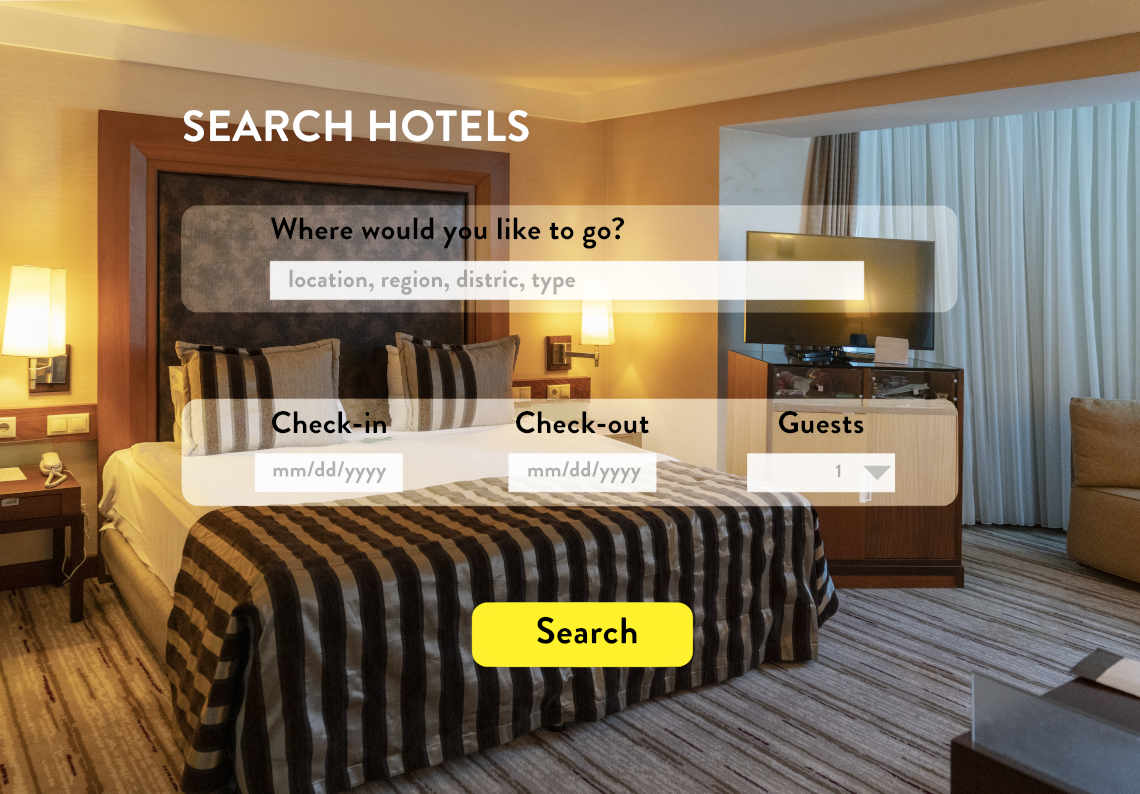
A medida que la industria hotelera afronta los desafíos de la transformación digital, los cambios en los comportamientos de los consumidores y la necesidad de prácticas sostenibles, el papel de la consultoría de marketing hotelero se vuelve esencial. Aporta una combinación de creatividad, visión estratégica y profundo conocimiento de la industria, lo que permite a las empresas cumplir (y superar) las expectativas de sus huéspedes.
Consultoría de marketing para el sector hotelero Se centra en la creación e implementación de estrategias de marketing diseñadas específicamente para el sector hotelero. Este tipo de consultoría abarca una amplia gama de actividades, todas ellas orientadas a potenciar la visibilidad, la interacción con los huéspedes y la imagen de marca general de un negocio hotelero.
Los consultores en este campo analizan las tendencias del mercado, las preferencias de los huéspedes y los panoramas competitivos para desarrollar planes de marketing integrales. Estos planes pueden incluir una variedad de componentes como marketing digital, marca, gestión de relaciones con los clientes y estrategias promocionales. Además, la consultoría de marketing hotelero a menudo implica contar historias y crear conexiones emocionales con los huéspedes, mejorando la experiencia general del huésped a través de puntos de contacto cuidadosamente elaborados.
Importancia de la consultoría de marketing hotelero
Una de las funciones clave de la consultoría de marketing hotelero es mantener a los hoteles sincronizados con las últimas tendencias del mercado y avances tecnológicos. La consultoría de marketing hotelero también implica una inmersión profunda en el análisis de datos, lo que permite a los hoteles comprender su mercado, las preferencias de los huéspedes y los patrones de reserva. Este enfoque basado en datos es crucial para afinar los esfuerzos de marketing y garantizar que brinden resultados óptimos.
Además, la consultoría de marketing hotelero desempeña un papel crucial en la gestión de crisis y la construcción de reputación, ya que los consultores proporcionan estrategias para gestionar la reputación online, responder a los comentarios de los huéspedes y mantener una imagen de marca positiva... Sin embargo, tiene otras ventajas como:
- Planificación estratégica de marketing: Los consultores brindan orientación experta en el desarrollo de una estrategia de marketing integral que se alinee con los objetivos del hotel y el posicionamiento en el mercado, garantizando el uso eficaz de los recursos y maximizando el retorno de la inversión.
- Presencia en línea mejorada y marketing digital: Dada la importancia de los canales digitales en el mercado actual, los consultores se especializan en optimizar la presencia en línea, desde el diseño del sitio web hasta la participación en las redes sociales, mejorando la visibilidad y la interacción de los huéspedes.
- Optimización de la experiencia del cliente: Los consultores evalúan y perfeccionan el recorrido del cliente, desde el contacto inicial hasta los seguimientos posteriores a la estadía, garantizando una experiencia consistente de alta calidad que aumenta la satisfacción y la lealtad del cliente.
- Estrategias promocionales innovadoras: La consultoría de marketing hotelero aporta ideas frescas e innovadoras para promociones, eventos y colaboraciones, lo que ayuda a atraer nuevos huéspedes y retener a los existentes.
- Formación y desarrollo: Los consultores de marketing a menudo brindan capacitación y desarrollo al personal, asegurando que el equipo esté alineado con la estrategia de marketing y sea capaz de cumplir las promesas de la marca.
La consultoría de marketing hotelero es un enfoque orientado a la acción que se centra principalmente en implementar estrategias para el posicionamiento de la marca, la participación de los huéspedes y la penetración en el mercado en el sector hotelero. Este tipo de consultoría es altamente especializada y considera los aspectos únicos de la industria hotelera, como la importancia de la experiencia del huésped, el papel de las reseñas en línea y la necesidad de una fuerte presencia digital.
Por el contrario, la investigación de mercado tradicional tiende a centrarse más en los datos y ser exploratoria. Implica recopilar, analizar e interpretar datos sobre mercados, competidores y consumidores. Esta investigación proporciona los conocimientos y las ideas fundamentales sobre los que se pueden construir estrategias,
Por otro lado, si bien la investigación de mercado tradicional puede indicarle a una empresa hotelera qué quieren sus huéspedes o cómo se comparan con sus competidores, los consultores de marketing hotelero utilizan esta información para elaborar estrategias viables. Trabajan en cómo posicionar el hotel en el mercado, crear campañas de marketing efectivas, mejorar la presencia digital y mejorar la experiencia general de los huéspedes.
Qué esperar de la consultoría de marketing hotelero
Después de realizar consultoría de marketing hotelero, las empresas pueden esperar los siguientes resultados:
- Estrategias de marketing personalizadas: La consultoría de marketing hotelero desarrolla estrategias de marketing personalizadas que se alinean con los objetivos y características específicas del hotel o negocio hotelero. Esto incluye identificar los canales y técnicas más eficaces para llegar e involucrar al público objetivo.
- Desarrollo y Posicionamiento de Marca: Los consultores trabajan para refinar o redefinir la identidad de la marca y posicionarla efectivamente en el mercado. Esto podría implicar un proceso de cambio de marca o un cambio estratégico en el mensaje y la presentación visual de la marca.
- Mejora de la experiencia del cliente: La consultoría de marketing hotelero pone un fuerte énfasis en mejorar la experiencia general del cliente. Esto incluye todo, desde el proceso de reserva hasta la experiencia del huésped en el sitio, garantizando coherencia y calidad en cada punto de contacto.
- Análisis e informes de rendimiento: Las empresas recibirán análisis e informes detallados sobre el desempeño de sus iniciativas de marketing. Este enfoque basado en datos ayuda a comprender el retorno de la inversión y a tomar decisiones informadas para estrategias futuras.
Industrias clave a analizar en la consultoría de marketing hotelero
En la consultoría de marketing hotelero, es esencial comprender la dinámica y las tendencias en varias industrias clave estrechamente relacionadas con el sector hotelero. Este enfoque integral ayuda a crear estrategias de marketing efectivas, y aquí hay algunas industrias críticas para analizar:
- Viaje y Turismo: Es fundamental comprender las tendencias de la industria de viajes, incluidas las preferencias de los turistas, los destinos populares y los hábitos de viaje emergentes. Los conocimientos de esta industria pueden influir significativamente en las estrategias de marketing para hoteles y complejos turísticos.
- Alimentos y bebidas: La industria de alimentos y bebidas, en particular las tendencias en restaurantes, bares y servicios de catering, desempeña un papel importante en la hostelería. Mantenerse al tanto de las tendencias culinarias y las preferencias gastronómicas puede mejorar la oferta y el marketing de alimentos y bebidas de un hotel.
- Bienestar y Recreación: Con un enfoque cada vez mayor en la salud y el bienestar en los viajes, el análisis de las tendencias en esta industria, incluidos los servicios de spa, los retiros de bienestar y las actividades recreativas, puede proporcionar información valiosa para la comercialización de servicios hoteleros centrados en el bienestar.
- Tecnología e Innovación: Mantenerse actualizado con los avances tecnológicos en los sistemas de reservas en línea, la gestión de relaciones con los clientes y las herramientas de marketing digital es esencial para un marketing hotelero eficaz.
- Turismo Cultural y Patrimonial: El análisis de las tendencias en el turismo cultural y patrimonial puede beneficiar a los hoteles y complejos turísticos que buscan atraer turistas interesados en la cultura, la historia y las experiencias patrimoniales locales.
Oportunidades para empresas
El campo de la consultoría de marketing hotelero presenta numerosas oportunidades para las empresas del sector. Al aprovechar los conocimientos de los expertos y la orientación estratégica, las entidades hoteleras pueden desbloquear varios potenciales:
- Mejorar la visibilidad y el alcance de la marca: La consultoría de marketing hotelero puede ayudar a aumentar significativamente la visibilidad de un hotel o resort, tanto online como offline. Este alcance más amplio es crucial para atraer nuevos clientes y retener a los existentes.
- Diversificación de segmentos de mercado: Con la orientación de expertos, las empresas pueden acceder a nuevos segmentos de mercado que antes podrían haber pasado por alto. Esta diversificación puede conducir a una base de clientes más amplia y mayores flujos de ingresos.
- Implementando tecnología de punta: La consultoría de marketing hotelero puede guiar la integración de las últimas tecnologías en estrategias de marketing, como la inteligencia artificial y el análisis de datos, para comprender mejor el comportamiento del cliente y personalizar los esfuerzos de marketing.
- Maximizar la gestión de ingresos: A través de estrategias de marketing específicas, los consultores pueden ayudar a optimizar la gestión de precios y ingresos, asegurando que la empresa aproveche los períodos de máxima demanda y al mismo tiempo mantenga la ocupación durante los momentos más lentos.
- Marketing Sostenible y Responsable: A medida que la sostenibilidad se vuelve cada vez más importante, la consultoría de marketing hotelero puede ayudar a las empresas a adoptar y comercializar prácticas ecológicas, atrayendo a un segmento cada vez mayor de viajeros conscientes del medio ambiente.
Desafíos para las empresas
La consultoría de marketing hotelero también presenta varios desafíos que las empresas deben afrontar. Comprender estos desafíos es clave para una consultoría de marketing eficaz y exitosa en la industria hotelera.
- Mantenerse al día con los rápidos cambios del mercado: La industria hotelera es dinámica y las tendencias y preferencias de los huéspedes evolucionan constantemente. Mantener el ritmo de estos cambios y adaptar continuamente las estrategias de marketing puede resultar un desafío.
- Equilibrando el marketing digital y tradicional: Encontrar la combinación adecuada entre estrategias de marketing digital y métodos tradicionales suele ser una tarea compleja. Las empresas deben lograr un equilibrio para llegar eficazmente a diversos segmentos de clientes.
- Personalización versus privacidad: Si bien la personalización de las experiencias de los huéspedes es clave para un marketing eficaz, debe equilibrarse con las preocupaciones sobre la privacidad. Navegar por las leyes de privacidad de datos y las expectativas de los huéspedes en torno a la privacidad puede ser complicado.
- Diferenciarse en un mercado saturado: Destacar en un mercado abarrotado es cada vez más difícil. Desarrollar una identidad de marca única y una propuesta de valor que resuene entre los huéspedes requiere creatividad y pensamiento estratégico.
- Integrando la Sostenibilidad: Incorporar prácticas sustentables en las operaciones y el marketing y comunicar esto de manera auténtica a los huéspedes es un desafío que enfrentan muchas empresas, especialmente con la creciente preocupación por el lavado ecológico.

 ES
ES  EN
EN  AR
AR  ZH
ZH  ZH_HK
ZH_HK  NL
NL  FR
FR  DE
DE  IT
IT  JA
JA  KO
KO  PL
PL  PT
PT