
Conseil en marketing hôtelier
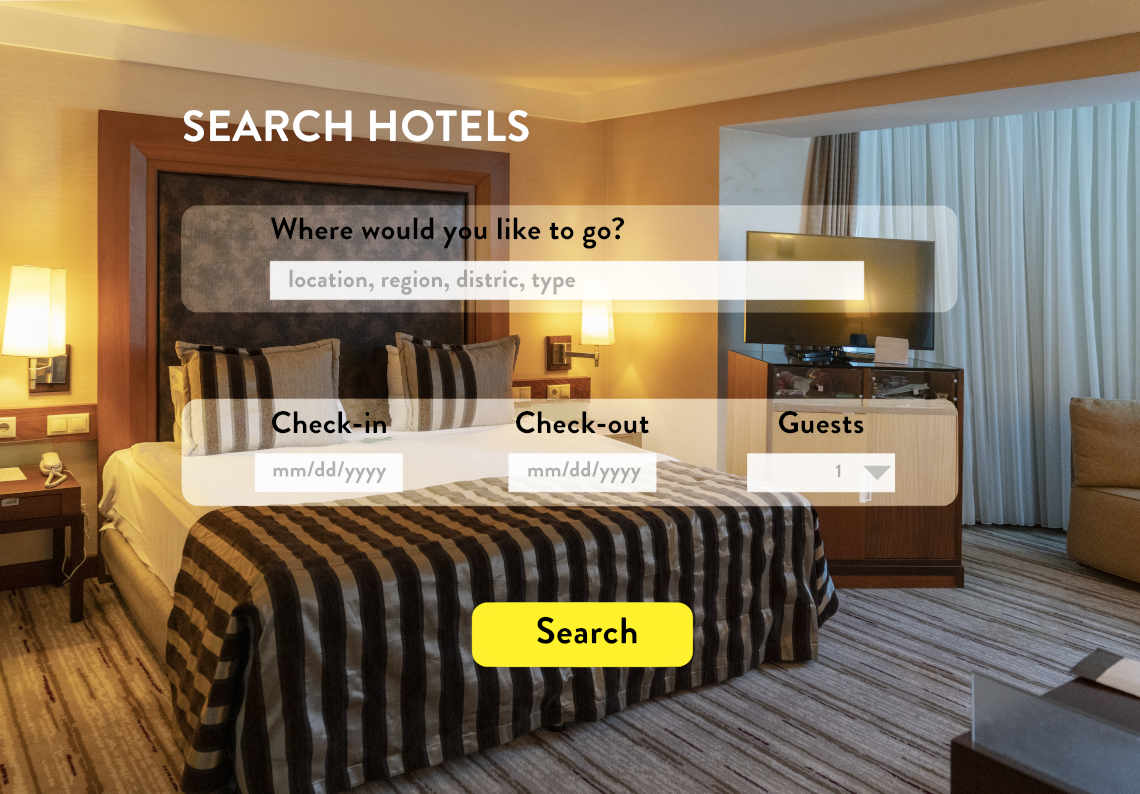
Alors que l’industrie hôtelière relève les défis de la transformation numérique, de l’évolution des comportements des consommateurs et de la nécessité de pratiques durables, le rôle du conseil en marketing hôtelier devient essentiel. Il apporte un mélange de créativité, de vision stratégique et de connaissance approfondie du secteur, permettant aux entreprises de répondre (et de dépasser) les attentes de leurs clients.
Hospitality marketing consulting focuses on creating and implementing marketing strategies specifically tailored for the hospitality industry. This form of consulting encompasses a broad range of activities, all aimed at boosting a hospitality business’s visibility, guest engagement, and overall brand image.
Les consultants dans ce domaine analysent les tendances du marché, les préférences des clients et les paysages concurrentiels pour élaborer des plans marketing complets. Ces plans peuvent inclure une variété de composants tels que le marketing numérique, l'image de marque, la gestion de la relation client et les stratégies promotionnelles. De plus, le conseil en marketing hôtelier implique souvent de raconter des histoires et de créer des liens émotionnels avec les clients, améliorant ainsi l'expérience client globale grâce à des points de contact soigneusement conçus.
Importance du conseil en marketing hôtelier
L’un des rôles clés du conseil en marketing hôtelier est de maintenir les hôtels en phase avec les dernières tendances du marché et les avancées technologiques. Le conseil en marketing hôtelier implique également une analyse approfondie des données, permettant aux hôtels de comprendre leur marché, les préférences des clients et les modèles de réservation. Cette approche basée sur les données est cruciale pour affiner les efforts marketing et garantir qu'ils produisent des résultats optimaux.
De plus, le conseil en marketing hôtelier joue un rôle crucial dans la gestion de crise et la construction de réputation puisque les consultants proposent des stratégies pour gérer la réputation en ligne, répondre aux commentaires des clients et maintenir une image de marque positive… Cependant, il présente plusieurs autres avantages tels que :
- Planification marketing stratégique : Les consultants fournissent des conseils d'experts dans l'élaboration d'une stratégie marketing complète qui s'aligne sur les objectifs et le positionnement de l'hôtel sur le marché, garantissant une utilisation efficace des ressources et maximisant le retour sur investissement.
- Présence en ligne améliorée et marketing numérique : Compte tenu de l'importance des canaux numériques sur le marché actuel, les consultants se spécialisent dans l'optimisation de la présence en ligne, de la conception de sites Web à l'engagement sur les réseaux sociaux, en améliorant la visibilité et l'interaction avec les clients.
- Optimisation de l'expérience client : Les consultants évaluent et affinent le parcours client, du premier contact au suivi après le séjour, garantissant une expérience constante de haute qualité qui renforce la satisfaction et la fidélité des clients.
- Stratégies promotionnelles innovantes : Le conseil en marketing hôtelier apporte des idées nouvelles et innovantes en matière de promotions, d'événements et de collaborations, contribuant ainsi à attirer de nouveaux clients et à fidéliser ceux existants.
- La formation et le développement: Les consultants en marketing assurent souvent une formation et un développement du personnel, garantissant que l'équipe est alignée sur la stratégie marketing et capable de tenir les promesses de la marque.
Le conseil en marketing hôtelier est une approche orientée vers l'action qui se concentre principalement sur la mise en œuvre de stratégies de positionnement de marque, d'engagement des clients et de pénétration du marché dans le secteur de l'hôtellerie. Ce type de conseil est hautement spécialisé, compte tenu des aspects uniques du secteur hôtelier, tels que l'importance de l'expérience client, le rôle des avis en ligne et la nécessité d'une forte présence numérique.
En revanche, les études de marché traditionnelles ont tendance à être plus centrées sur les données et exploratoires. Cela implique de collecter, d'analyser et d'interpréter des données sur les marchés, les concurrents et les consommateurs. Cette recherche fournit les connaissances et les idées fondamentales sur lesquelles des stratégies peuvent être construites,
D'un autre côté, alors que les études de marché traditionnelles peuvent indiquer à une entreprise hôtelière ce que veulent ses clients ou comment ils se comparent à leurs concurrents, les consultants en marketing hôtelier utilisent ces informations pour élaborer des stratégies concrètes. Ils travaillent sur la manière de positionner l'hôtel sur le marché, de créer des campagnes marketing efficaces, d'améliorer la présence numérique et d'améliorer l'expérience globale des clients.
À quoi s'attendre du conseil en marketing hôtelier
Après s'être engagées dans un conseil en marketing hôtelier, les entreprises peuvent s'attendre aux résultats suivants :
- Stratégies marketing sur mesure : Le conseil en marketing hôtelier développe des stratégies de marketing personnalisées qui s'alignent sur les objectifs et les caractéristiques spécifiques de l'hôtellerie ou de l'hôtellerie. Cela inclut l’identification des canaux et des techniques les plus efficaces pour atteindre et impliquer le public cible.
- Développement et positionnement de la marque : Les consultants travaillent à affiner ou à redéfinir l’identité de la marque et à la positionner efficacement sur le marché. Cela peut impliquer un processus de rebranding ou un changement stratégique dans le message et la présentation visuelle de la marque.
- Amélioration de l'expérience client : Le conseil en marketing hôtelier met fortement l’accent sur l’amélioration de l’expérience client globale. Cela inclut tout, du processus de réservation à l'expérience client sur place, garantissant la cohérence et la qualité à chaque point de contact.
- Analyse des performances et rapports : Les entreprises recevront des analyses et des rapports détaillés sur les performances de leurs initiatives marketing. Cette approche basée sur les données aide à comprendre le retour sur investissement et à prendre des décisions éclairées pour les stratégies futures.
Industries clés à analyser dans le conseil en marketing hôtelier
Dans le conseil en marketing hôtelier, il est essentiel de comprendre la dynamique et les tendances de diverses industries clés étroitement liées au secteur hôtelier. Cette approche globale aide à créer des stratégies de marketing efficaces – et voici quelques secteurs critiques à analyser :
- Voyage et tourisme: Comprendre les tendances du secteur du voyage, notamment les préférences des touristes, les destinations populaires et les nouvelles habitudes de voyage, est crucial. Les connaissances de cette industrie peuvent influencer de manière significative les stratégies de marketing des hôtels et des centres de villégiature.
- Nourriture et boisson: L'industrie de l'alimentation et des boissons, en particulier les tendances en matière de restauration, de bars et de services de restauration, joue un rôle important dans l'hôtellerie. Se tenir au courant des tendances culinaires et des préférences en matière de restauration peut améliorer les offres de restauration et de boissons d'un hôtel et son marketing.
- Bien-être et loisirs : Alors que l’accent est de plus en plus mis sur la santé et le bien-être dans le secteur des voyages, l’analyse des tendances de ce secteur, notamment les services de spa, les retraites de bien-être et les activités récréatives, peut fournir des informations précieuses pour la commercialisation de services d’accueil axés sur le bien-être.
- Technologie et innovation : Se tenir au courant des avancées technologiques dans les systèmes de réservation en ligne, la gestion de la relation client et les outils de marketing numérique est essentiel pour un marketing hôtelier efficace.
- Tourisme culturel et patrimonial : L'analyse des tendances du tourisme culturel et patrimonial peut profiter aux hôtels et aux centres de villégiature cherchant à attirer des touristes intéressés par la culture locale, l'histoire et les expériences patrimoniales.
Opportunités pour les entreprises
Le domaine du conseil en marketing hôtelier présente de nombreuses opportunités pour les entreprises du secteur. En tirant parti des connaissances d’experts et des conseils stratégiques, les entités hôtelières peuvent libérer plusieurs potentiels :
- Améliorer la visibilité et la portée de la marque : Le conseil en marketing hôtelier peut aider à augmenter considérablement la visibilité d'un hôtel ou d'un complexe, à la fois en ligne et hors ligne. Cette portée plus large est cruciale pour attirer de nouveaux clients et fidéliser les clients existants.
- Diversification des segments de marché : Avec les conseils d’experts, les entreprises peuvent exploiter de nouveaux segments de marché qu’elles auraient pu négliger auparavant. Cette diversification peut conduire à une clientèle plus large et à une augmentation des flux de revenus.
- Mise en œuvre d'une technologie de pointe : Le conseil en marketing hôtelier peut guider l'intégration des dernières technologies dans les stratégies marketing telles que l'IA et l'analyse de données, afin de mieux comprendre le comportement des clients et de personnaliser les efforts marketing.
- Maximiser la gestion des revenus : Grâce à des stratégies marketing ciblées, les consultants peuvent aider à optimiser la gestion des prix et des revenus, en garantissant que l'entreprise capitalise sur les périodes de pointe tout en maintenant l'occupation pendant les périodes plus creuses.
- Marketing durable et responsable : Alors que la durabilité devient de plus en plus importante, le conseil en marketing hôtelier peut aider les entreprises à adopter et à commercialiser des pratiques respectueuses de l'environnement, attirant ainsi un segment croissant de voyageurs soucieux de l'environnement.
Défis pour les entreprises
Le conseil en marketing hôtelier présente également plusieurs défis que les entreprises doivent relever. Comprendre ces défis est la clé d’un conseil marketing efficace et réussi dans le secteur hôtelier.
- Suivre les changements rapides du marché : L'industrie hôtelière est dynamique, avec des tendances et des préférences des clients en constante évolution. Suivre le rythme de ces changements et adapter continuellement les stratégies marketing peut être un défi.
- Équilibrer le marketing numérique et traditionnel : Trouver le bon équilibre entre les stratégies de marketing numérique et les méthodes traditionnelles est souvent une tâche complexe. Les entreprises doivent trouver un équilibre pour atteindre efficacement divers segments de clientèle.
- Personnalisation vs confidentialité : Si la personnalisation de l’expérience client est essentielle à un marketing efficace, elle doit être équilibrée avec les préoccupations en matière de confidentialité. Il peut être délicat de s’y retrouver dans les lois sur la confidentialité des données et dans les attentes des clients en matière de confidentialité.
- Se différencier dans un marché saturé : Se démarquer sur un marché encombré est de plus en plus difficile. Développer une identité de marque unique et une proposition de valeur qui trouve un écho auprès des clients nécessite de la créativité et une réflexion stratégique.
- Intégrer la durabilité : Intégrer des pratiques durables dans les opérations et le marketing et communiquer cela de manière authentique aux clients est un défi auquel de nombreuses entreprises sont confrontées, en particulier avec les préoccupations croissantes concernant le greenwashing.

 FR
FR  EN
EN  AR
AR  ZH
ZH  ZH_HK
ZH_HK  NL
NL  DE
DE  IT
IT  JA
JA  KO
KO  PL
PL  PT
PT  ES
ES