
ホスピタリティマーケティングコンサルティング
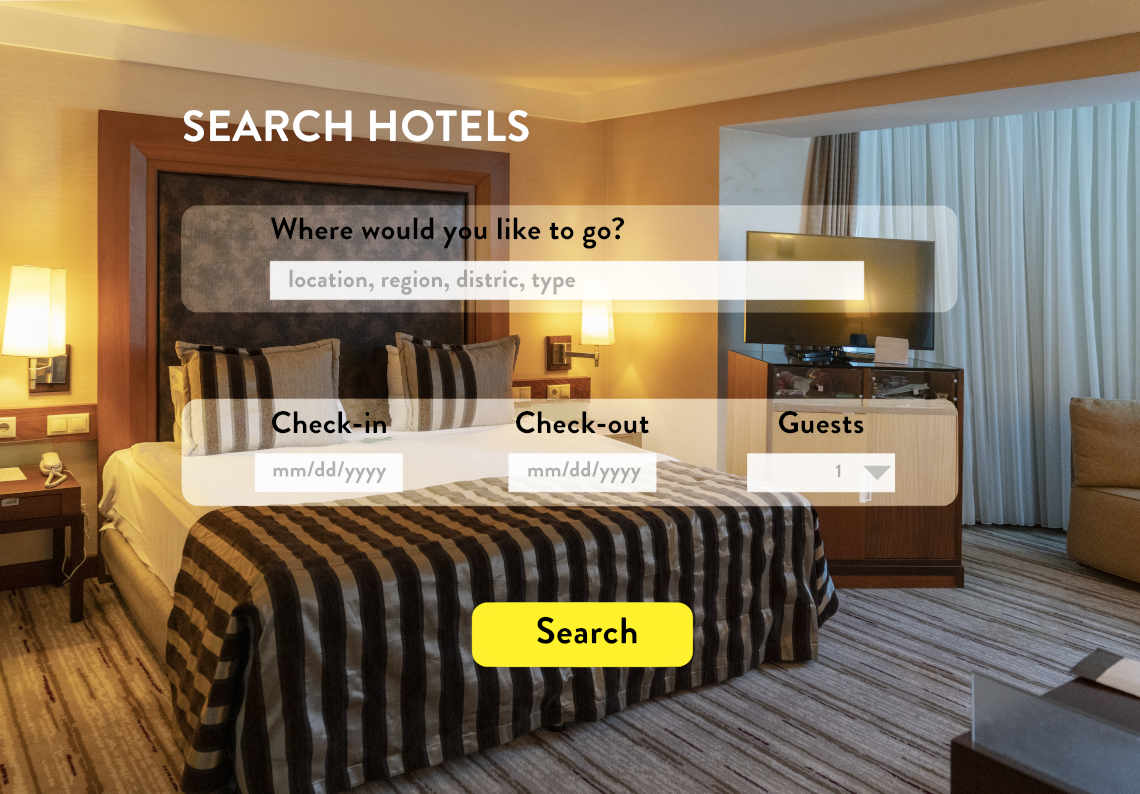
ホスピタリティ業界がデジタル変革、消費者行動の変化、持続可能な慣行の必要性といった課題を乗り越えていく中で、ホスピタリティ マーケティング コンサルティングの役割は不可欠になります。ホスピタリティ マーケティング コンサルティングは、創造性、戦略的洞察、業界に関する深い知識を融合して、企業がゲストの期待に応え (そしてそれを上回る) ことを可能にします。
Hospitality marketing consulting focuses on creating and implementing marketing strategies specifically tailored for the hospitality industry. This form of consulting encompasses a broad range of activities, all aimed at boosting a hospitality business’s visibility, guest engagement, and overall brand image.
この分野のコンサルタントは、市場動向、ゲストの好み、競合状況を分析して、包括的なマーケティング プランを作成します。これらのプランには、デジタル マーケティング、ブランディング、顧客関係管理、プロモーション戦略など、さまざまな要素が含まれる場合があります。さらに、ホスピタリティ マーケティング コンサルティングでは、ストーリーテリングやゲストとの感情的なつながりの構築が頻繁に行われ、慎重に作成されたタッチポイントを通じてゲストの全体的なエクスペリエンスが向上します。
ホスピタリティマーケティングコンサルティングの重要性
ホスピタリティ マーケティング コンサルティングの重要な役割の 1 つは、ホテルを最新の市場動向や技術の進歩に合わせることです。また、ホスピタリティ マーケティング コンサルティングにはデータ分析の徹底的な調査も含まれ、ホテルが市場、ゲストの好み、予約パターンを理解できるようにします。このデータ主導のアプローチは、マーケティング活動を微調整し、最適な結果をもたらすために不可欠です。
さらに、ホスピタリティ マーケティング コンサルティングは、オンラインでの評判を管理し、ゲストのフィードバックに対応し、ポジティブなブランド イメージを維持するための戦略をコンサルタントが提供しているため、危機管理と評判の構築において重要な役割を果たします。ただし、ホスピタリティ マーケティング コンサルティングには、次のような他の利点もあります。
- 戦略的マーケティング計画: コンサルタントは、ホテルの目標と市場でのポジショニングに沿った包括的なマーケティング戦略の策定について専門的なガイダンスを提供し、リソースの有効活用と ROI の最大化を実現します。
- 強化されたオンラインプレゼンスとデジタルマーケティング: 今日の市場におけるデジタル チャネルの重要性を考慮して、コンサルタントは、Web サイトのデザインからソーシャル メディアのエンゲージメント、可視性の向上、ゲストとのやり取りまで、オンラインでのプレゼンスの最適化を専門としています。
- 顧客体験の最適化: コンサルタントは、最初のコンタクトから滞在後のフォローアップまで、顧客の行動を評価および改善し、一貫して高品質の体験を提供して、顧客満足度とロイヤルティを高めます。
- 革新的なプロモーション戦略: ホスピタリティ マーケティング コンサルティングは、プロモーション、イベント、コラボレーションのための新鮮で革新的なアイデアをもたらし、新しいゲストの誘致と既存のゲストの維持に役立ちます。
- トレーニングと開発: マーケティング コンサルタントは、多くの場合、スタッフがマーケティング戦略に沿ってブランドの約束を果たせるように、スタッフにトレーニングと開発を提供します。
ホスピタリティ マーケティング コンサルティングは、主にホスピタリティ セクターにおけるブランド ポジショニング、ゲスト エンゲージメント、市場浸透のための戦略の実施に重点を置いた、アクション指向のアプローチです。このタイプのコンサルティングは、ゲスト エクスペリエンスの重要性、オンライン レビューの役割、強力なデジタル プレゼンスの必要性など、ホスピタリティ業界特有の側面を考慮した、高度に専門化されたものです。
対照的に、従来の市場調査は、よりデータ中心で探索的な傾向があります。市場、競合他社、消費者に関するデータを収集、分析、解釈します。この調査は、戦略を構築するための基礎知識と洞察を提供します。
一方、従来の市場調査では、ホスピタリティ ビジネスにゲストが何を求めているか、競合他社とどう違うかを伝えることができますが、ホスピタリティ マーケティング コンサルタントは、この情報を活用して実用的な戦略を策定します。ホテルを市場でどのように位置づけるか、効果的なマーケティング キャンペーンを作成するか、デジタル プレゼンスを強化するか、ゲストの全体的な体験を向上させるかに取り組みます。
ホスピタリティマーケティングコンサルティングに期待すること
ホスピタリティ マーケティング コンサルティングを実施した後、企業は次のような結果を期待できます。
- カスタマイズされたマーケティング戦略: ホスピタリティ マーケティング コンサルティングでは、ホテルやホスピタリティ ビジネスの特定の目標と特性に合わせたカスタマイズされたマーケティング戦略を開発します。これには、ターゲット ユーザーにアプローチして関与してもらうための最も効果的なチャネルと手法の特定が含まれます。
- ブランド開発とポジショニング: コンサルタントは、ブランド アイデンティティを洗練または再定義し、市場で効果的に位置付けることに取り組みます。これには、ブランド変更プロセスや、ブランドのメッセージングとビジュアル プレゼンテーションの戦略的変更が含まれる場合があります。
- 顧客体験の向上: ホスピタリティ マーケティング コンサルティングでは、全体的な顧客体験の向上に重点を置いています。これには、予約プロセスから現地でのゲスト体験まですべてが含まれており、すべてのタッチポイントで一貫性と品質が確保されます。
- パフォーマンス分析とレポート: 企業は、マーケティング活動のパフォーマンスに関する詳細な分析とレポートを受け取ります。このデータ主導のアプローチは、投資収益率を理解し、将来の戦略について情報に基づいた決定を下すのに役立ちます。
ホスピタリティマーケティングコンサルティングで分析すべき主要産業
ホスピタリティ マーケティング コンサルティングでは、ホスピタリティ セクターに密接に関連するさまざまな主要産業の動向と傾向を理解することが不可欠です。この包括的なアプローチは、効果的なマーケティング戦略の作成に役立ちます。分析すべき重要な産業をいくつか紹介します。
- 旅行と観光: 観光客の好み、人気の目的地、新たな旅行習慣など、旅行業界のトレンドを理解することは非常に重要です。この業界の洞察は、ホテルやリゾートのマーケティング戦略に大きな影響を与える可能性があります。
- 食品および飲料: 食品および飲料業界、特にレストラン、バー、ケータリング サービスのトレンドは、ホスピタリティにおいて重要な役割を果たします。料理のトレンドや食事の好みを常に把握しておくことで、ホテルの食品および飲料の提供とマーケティングを強化できます。
- ウェルネスとレクリエーション: 旅行における健康とウェルネスへの注目が高まる中、スパ サービス、ウェルネス リトリート、レクリエーション アクティビティなど、この業界のトレンドを分析すると、ウェルネス重視のホスピタリティ サービスのマーケティングに役立つ貴重な洞察が得られます。
- テクノロジーとイノベーション: 効果的なホスピタリティ マーケティングには、オンライン予約システム、顧客関係管理、デジタル マーケティング ツールの技術進歩を常に把握しておくことが不可欠です。
- 文化遺産観光: 文化遺産観光のトレンドを分析することは、地元の文化、歴史、遺産体験に興味のある観光客を誘致したいホテルやリゾートにとって有益です。
ビジネスチャンス
ホスピタリティ マーケティング コンサルティングの分野は、この分野の企業に数多くのチャンスをもたらします。専門家の洞察と戦略的ガイダンスを活用することで、ホスピタリティ企業はいくつかの可能性を引き出すことができます。
- ブランドの認知度とリーチの向上: ホスピタリティ マーケティング コンサルティングは、オンラインとオフラインの両方でホテルやリゾートの認知度を大幅に高めるのに役立ちます。この幅広いリーチは、新規顧客を引き付け、既存の顧客を維持する上で非常に重要です。
- 市場セグメントの多様化: 専門家の指導があれば、企業はこれまで見逃していたかもしれない新しい市場セグメントに参入することができます。この多様化により、顧客基盤が拡大し、収益源が増大する可能性があります。
- 最先端技術の導入: ホスピタリティ マーケティング コンサルティングは、AI やデータ分析などの最新テクノロジーをマーケティング戦略に統合し、顧客の行動をより深く理解してマーケティング活動をパーソナライズすることを支援します。
- 収益管理の最大化: コンサルタントは、ターゲットを絞ったマーケティング戦略を通じて、価格設定と収益管理の最適化を支援し、需要のピーク時に収益を上げながら、閑散期には稼働率を維持できるようにします。
- 持続可能で責任あるマーケティング: 持続可能性がますます重要になるにつれ、ホスピタリティ マーケティング コンサルティングは、企業が環境に優しい慣行を採用して販売し、環境意識の高い旅行者の増加にアピールするのを支援することができます。
企業の課題
ホスピタリティ マーケティング コンサルティングにも、企業が対処しなければならない課題がいくつかあります。これらの課題を理解することが、ホスピタリティ業界で効果的かつ成功するマーケティング コンサルティングの鍵となります。
- 急速な市場の変化に対応する: ホスピタリティ業界はダイナミックで、トレンドやゲストの好みは常に変化しています。こうした変化に対応し、マーケティング戦略を継続的に適応させることは、困難な場合があります。
- デジタルマーケティングと従来型マーケティングのバランス: デジタル マーケティング戦略と従来の方法の適切な組み合わせを見つけることは、多くの場合、複雑な作業です。企業は、多様な顧客セグメントに効果的にアプローチするためにバランスを取る必要があります。
- パーソナライゼーションとプライバシー: ゲスト体験のパーソナライズは効果的なマーケティングの鍵となりますが、プライバシーの懸念とのバランスを取る必要があります。データ プライバシー法とプライバシーに関するゲストの期待をうまく両立させるのは難しい場合があります。
- 飽和市場での差別化: 競争の激しい市場で目立つことはますます難しくなっています。ゲストの心に響く独自のブランド アイデンティティと価値提案を開発するには、創造性と戦略的思考が必要です。
- 持続可能性の統合: 持続可能な慣行を運営とマーケティングに組み込み、それをゲストに誠実に伝えることは、特にグリーンウォッシングに関する懸念が高まる中、多くの企業が直面している課題です。

 JA
JA  EN
EN  AR
AR  ZH
ZH  ZH_HK
ZH_HK  NL
NL  FR
FR  DE
DE  IT
IT  KO
KO  PL
PL  PT
PT  ES
ES