
Entertainment Investment in Saudi Arabia
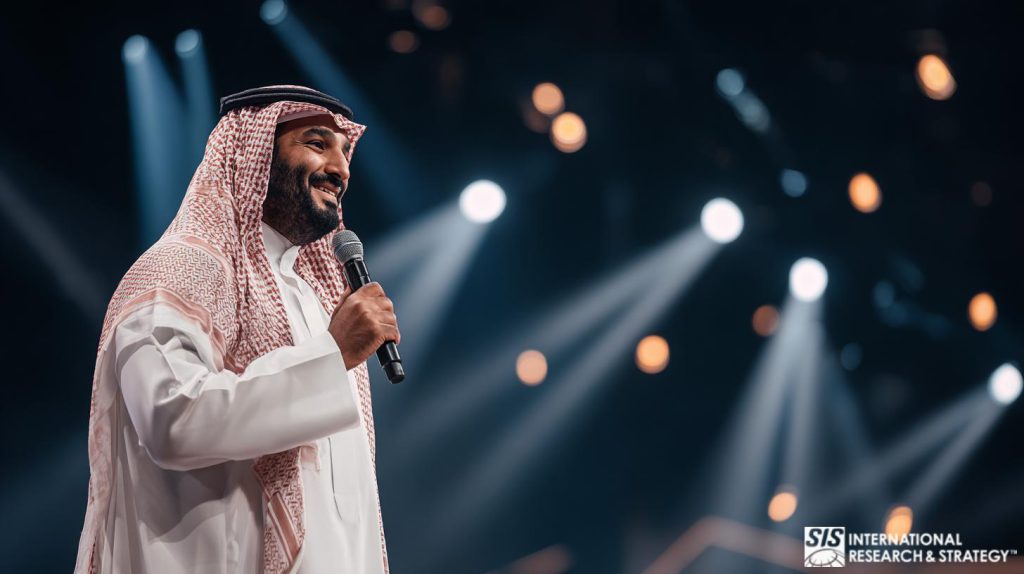
Saudi Arabia is about to become the entertainment capital of the Middle East. And almost nobody is paying attention.
Entertainment investment in Saudi Arabia is a seismic shift that’s reshaping the entire region’s economic future. While everyone’s been distracted by the usual headlines, the Kingdom has quietly been deploying billions into creating an entertainment ecosystem that didn’t exist five years ago.
✅ Listen to this PODCAST EPISODE here:
The Transformation of Saudi Arabia’s Entertainment Landscape
Saudi Arabia is betting the house on entertainment. Not dabbling. Not testing. Going all in.
Remember when there were zero commercial cinemas in the entire country? That was 2017. Not 1997. 2017.
Now? They’re everywhere… And that’s just the beginning of what entertainment investment in Saudi Arabia looks like.
The cold, hard truth is that Vision 2030 is a desperate necessity for a nation that knows its oil dependency is a ticking time bomb. Entertainment investment in Saudi Arabia represents the Kingdom’s bold gamble to reinvent itself before it’s too late.
Yet most investors still haven’t caught on to what’s happening.
Check these numbers:
- $64 billion (with a B!) committed to entertainment through 2030
- 20+ massive entertainment complexes under construction simultaneously
- 300,000+ new jobs in a sector that barely existed in 2018
- 5.3x increase in household entertainment spending in just four years
Key Investment Opportunities in Saudi Entertainment
While you’re reading this, smart money is already pouring into Saudi entertainment. But most investors are still sitting on the sidelines, paralyzed by outdated perceptions.
Their loss. Your opportunity.
Theme Parks and Attractions
Six Flags Qiddiya is a $3.5 billion monster rising from the desert floor with rides that will break world records. And it’s just one piece of the entertainment investment in Saudi Arabia.
The math is simple but shocking. Saudi Arabia has 35 million citizens, 70% under age 30, with increasing disposable income and virtually no local entertainment options. That’s not a market gap – it’s a market canyon.
Film and Content Production
Netflix isn’t just streaming in Saudi Arabia. They’re creating there.
Why? Because entertainment investment in Saudi Arabia includes a 40% production rebate that makes filming cheaper than in Europe or even parts of Asia. The genius move? Saudi Arabia isn’t trying to become Hollywood. They’re positioning as the authentic voice of Middle Eastern storytelling – a market of 400+ million Arabic speakers who’ve rarely seen their modern lives reflected on screen.
Live Events and Performances
MDLBeast Soundstorm festival pulled in 730,000 attendees last year. And charged $400 per ticket.
Do the math…The kicker? Five years ago, most of these events would have been impossible to stage in the Kingdom.
Gaming and Esports
Saudi Arabia’s Public Investment Fund now owns significant stakes in EA, Take-Two, Activision Blizzard, and Nintendo. They’ve pumped over $3.4 billion into gaming companies.
However, entertainment investment in Saudi Arabia extends beyond acquisitions. They’re building Gamers8 – the world’s largest esports complex – and offering game developers 100% foreign ownership rights plus tax holidays.
Navigating the Regulatory Wildfire
Five years ago: no movie theaters. Three years ago: first concert with mixed gender attendance. Last year: international DJs playing to crowds of thousands.
The pace of change in Saudi entertainment regulations isn’t evolution – it’s revolution. And that creates both massive risk and massive opportunity.
Entertainment investment in Saudi Arabia requires navigating a regulatory environment that’s transforming in real-time. What was prohibited last year might be promoted today. What’s encouraged today might be essential tomorrow.
The General Entertainment Authority has slashed licensing times from 6 months to 2 weeks. But foreign investors still face a maze of regulations:
- Content guidelines with red lines that aren’t always clearly marked
- Foreign investment rules that can change with minimal notice
- Tax structures that offer enormous incentives but require navigating bureaucracy
- Import regulations that can make or break technology-dependent entertainment ventures
Cultural Considerations: Where Most Investors Crash and Burn
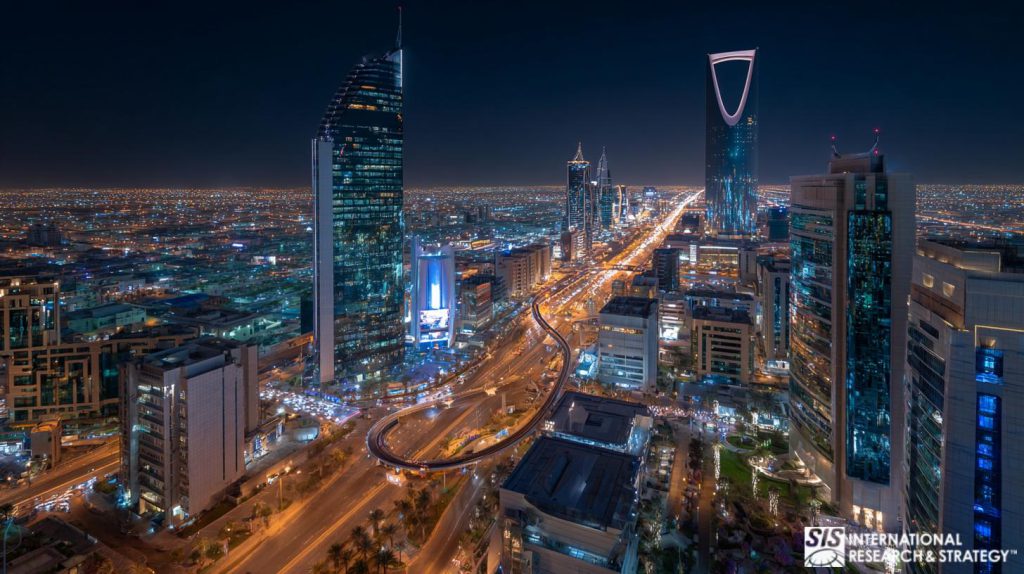
Western entertainment companies keep making the same fatal mistake: assuming Saudi Arabia wants to be Dubai or Las Vegas. It doesn’t. Successful entertainment investment in Saudi Arabia demands:
- Understanding that modernization doesn’t equal Westernization
- Recognizing Saudi Arabia isn’t monolithic – Riyadh, Jeddah, and Eastern Province audiences have distinct preferences
- Building genuine relationships, not just transactions
- Adapting global concepts to Saudi sensibilities without diluting what makes them special
Miss these nuances, and you’ll join the growing list of foreign investors who’ve burned millions on tone-deaf ventures.
The New Saudi Entertainment Consumer: 5 Things You Need to Know
The Saudi entertainment consumer isn’t just a conservative version of their Western counterpart.
Most companies crash and burn in Saudi Arabia because they base their strategies on assumptions that might work in London or Los Angeles but fall catastrophically flat in Riyadh or Jeddah.
They’re digital natives on steroids
Saudi Arabia has 99% internet penetration. The average Saudi youth spends 8.5 hours daily on digital platforms.
Family is everything (but not how you think)
Western entertainment models often separate “family entertainment” from “adult entertainment.” That distinction doesn’t translate.
Entertainment investment in Saudi Arabia that ignores the multi-generational family unit is leaving money on the table. The nuclear family isn’t just a market segment – it’s THE MARKET.
Regional variation is massive
Treating Saudi Arabia as a monolithic market is amateur hour.
Entertainment investment in Saudi Arabia requires recognizing that Riyadh, Jeddah, and Eastern Province consumers have radically different preferences. If your entertainment venture isn’t tailored to the local region, you’re not serious about achieving success in Saudi Arabia.
They demand authenticity (but not tradition)
The biggest misconception? That Saudi entertainment consumers want either strictly traditional content or Western imports.
What they’re actually craving is authentic content that speaks to their contemporary reality. Entertainment investment in Saudi Arabia is increasingly focused on creating hybrid experiences that honor cultural values while embracing innovation.
Funding Your Saudi Entertainment Venture: Beyond the Traditional Playbook
Entertainment investment in Saudi Arabia involves funding mechanisms you won’t find in any MBA textbook. Miss these, and you’ll be left wondering why your competitors are scaling while you’re still scraping together capital.
Islamic finance isn’t just an accommodation – it’s an advantage
Western companies often see Islamic finance requirements as obstacles to overcome. The most skilled players are utilizing them as strategic advantages.
Entertainment investment in Saudi Arabia can tap into the $3.4 trillion Islamic finance market by structuring ventures according to Sharia principles.
The Public Investment Fund wants partners, not just investments
Saudi Arabia’s sovereign wealth fund isn’t just another deep pocket. It’s the hundred billion engine driving entertainment transformation. But here’s what most don’t grasp: PIF isn’t looking to be a passive investor. They want strategic partnerships that advance Vision 2030 objectives.
Government incentives have hidden requirements
Entertainment investment in Saudi Arabia requires navigating an incentive landscape that’s changing monthly. Companies that built flexibility into their business models are capitalizing while others drown in paperwork.
Joint ventures are mandatory (but not for the reasons you think)
Smart entertainment investors aren’t forming joint ventures to satisfy outdated regulations – they’re doing it because local partners provide irreplaceable market intelligence and relationship capital.
The Human Capital Challenge: Building Teams for Saudi Entertainment Success
There are a few Saudis with 5+ years of professional experience in commercial entertainment operations, since it is a new market. Entertainment investment in Saudi Arabia often allocates 30-50% for physical infrastructure and almost nothing for human infrastructure. Then, executives are shocked when operations falter despite beautiful facilities.
But, foreign companies entering Saudi entertainment often focus exclusively on teaching their corporate culture to Saudi staff.
Key Insights Summary
✅ Entertainment investment in Saudi Arabia represents a staggering $64+ billion opportunity through 2030
✅ The sector has exploded from virtually non-existent to becoming a major economic pillar in just five years
✅ Smart foreign investors are securing market positions through strategic partnerships with Saudi entities
✅ Cultural intelligence isn’t optional – it’s the difference between spectacular success and expensive failure
✅ Entertainment is the catalyst for multi-sector economic transformation
✅ Government backing provides unprecedented stability and growth incentives
✅ First-movers are seeing 30-40% higher returns compared to mature markets
What Makes SIS International a Top Entertainment Investment Consultant for Saudi Arabia?
When navigating the high-stakes world of entertainment investment in Saudi Arabia, you need advisors who’ve been there, done that, and have the battle scars to prove it. Here’s why businesses that are serious about Saudi entertainment partner with SIS:
- CUSTOMIZED APPROACH: Cookie-cutter consulting gets cookie-cutter results. SIS develops bespoke research methodologies for each entertainment segment in Saudi Arabia. Your entertainment investment strategy deserves more than recycled insights.
- THE 40+ YEARS OF EXPERIENCE: SIS has been helping smart companies enter markets that others found too complex or challenging. This historical perspective is priceless when decoding Saudi Arabia’s lightning-fast transformation.
- THE GLOBAL DATABASES FOR THE RECRUITMENT: With access to 1.5 million+ research participants worldwide, including key decision-makers in Saudi’s entertainment ecosystem, SIS delivers insights you won’t find in any published report. While others guess, you’ll know.
- PROJECTS GET DONE FAST: In Saudi’s entertainment gold rush, timing is everything. While traditional consultants take months to deliver reports, SIS provides actionable intelligence in weeks, giving you the first-mover advantage that often determines success or failure.
- AFFORDABLE RESEARCH: Premium intelligence shouldn’t require a premium price tag. SIS offers tiered research packages that make professional market insights accessible whether you’re a startup or multinational corporation exploring entertainment investment in Saudi Arabia.
- LOCAL EXPERTISE: Our team includes Saudi nationals and regional specialists who understand the cultural subtleties that make or break entertainment ventures in the Kingdom. They’ll help you navigate not just what is happening, but why it matters.
- PROVEN TRACK RECORD: SIS has guided multiple entertainment ventures to successful launches across the GCC region. Clients implementing our recommendations report 30-45% higher success rates and significantly faster time-to-profitability.
Frequently Asked Questions About Entertainment Investment in Saudi Arabia
How has Saudi Arabia’s entertainment sector changed in recent years?
Five years ago, you couldn’t watch a movie in a public cinema in Saudi Arabia. Today? AMC and VOX are opening multiplexes across the country, international artists from Justin Bieber to BTS are performing to sold-out crowds, and Saudi companies are producing original content for global streaming platforms.
What types of entertainment investments are currently most promising in Saudi Arabia?
The gold rush is happening in four key areas: cinema, integrated entertainment destinations that combine multiple experiences, live events/performances, and gaming/esports. The Saudi government is placing its biggest bets on massive projects like Qiddiya and NEOM’s entertainment district, which aim to create ecosystem effects by clustering multiple entertainment formats together.
Are there specific incentives for foreign investors in Saudi entertainment?
The Kingdom is practically throwing money at qualified entertainment investors. This includes tax exemptions running up to 10 years for qualifying projects, prime land allocations at below-market rates, fast-track licensing through the GEA’s new digital portal, and even direct co-investment from sovereign wealth entities.
What are the main challenges for foreign entertainment investors in Saudi Arabia?
Most failures stem from arrogance – assuming Saudi Arabia wants Western entertainment concepts dropped in unchanged. Successful ventures navigate content guidelines that reflect local values, invest in understanding Saudi consumer preferences (which differ dramatically from neighboring Gulf states), build genuine local partnerships (not just paper arrangements to satisfy regulations), and create operational flexibility to adapt to the rapid pace of regulatory evolution.
How does Saudi Arabia’s entertainment market differ from other Gulf countries?
Saudi has demographic advantages its neighbors can’t match. Its entertainment investment budget exceeds the combined total of all other GCC countries by more than 3x. Where Dubai created entertainment designed primarily for tourists, Saudi is building for its domestic population first. The market is less mature, which means higher operational challenges but also substantially higher potential returns – early entrants are reporting profit margins 15-20% above comparable ventures in more established markets.
How is technology shaping entertainment investment opportunities in Saudi Arabia?
Saudi Arabia is aiming to leapfrog established markets. The Kingdom is investing heavily in AR/VR entertainment experiences, AI-powered personalization, and venue infrastructure that incorporates technologies still considered experimental elsewhere. NEOM has allocated $1.2 billion specifically for next-generation entertainment technologies. This creates dual opportunities: traditional entertainment companies can access cutting-edge tech more easily than in other markets, while technology firms can find eager customers for entertainment applications.
Our Facility Location in New York
11 E 22nd Street, Floor 2, New York, NY 10010 T: +1(212) 505-6805
About SIS International
SIS International offers Quantitative, Qualitative, and Strategy Research. We provide data, tools, strategies, reports, and insights for decision-making. We also conduct interviews, surveys, focus groups, and other Market Research methods and approaches. Contact us for your next Market Research project.