
味覚テスト

Does Your Product Actually Taste Good? Let’s Find Out.
We offer comprehensive taste-testing solutions to help you refine your food and beverage products. Our experts will guide your business in creating delicious offerings that resonate with your target audience.
Stop guessing. Start knowing… Because in the food and beverage business, consumer acceptance is measurable.

Advanced Customer Segmentation
Advanced Customer Segmentation
Traditional customer segmentation is dead, and most marketers haven't even noticed the funeral.
At least 80% of the segmentations being used by major brands today are embarrassingly outdated – digital p...


美容製品テスト
Beauty Product Testing
That $86 serum sitting in your bathroom cabinet?
Someone like you tested it before it even had a name.
Beauty product testing is the invisible intelligence network that determines which products dominate your...
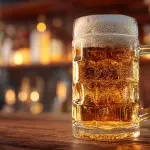
ビールの味見
Beer Taste Testing
Beer taste testing isn't just sipping suds and saying "yum" or "yuck." It's methodical, scientific research that exposes the massive gulf between what consumers claim influences their purchases and what actually drives them...


ニューヨークでの消費者製品テスト
Consumer Product Testing in New York
Consumer product testing in New York gives companies direct access to diverse opinions and actionable insights, setting the stage for impactful product launches and long-term market success.
How...

Cosmetic Product Testing in New York
Cosmetic Product Testing in New York
Let me shatter the most dangerous myth in beauty research: The idea that cosmetic preferences uncovered in laboratory settings or standard focus facilities translate meaningfully to New York consumers. ...

ニューヨークのフレーバーテスト施設
Flavor Testing Facilities in New York
SIS International's facilities, equipped with advanced tools and staffed by experts, ensure that every taste is refined through cutting-edge science and strategy.
Creating the perfect flavor...

ニューヨークでの味覚テストのためのフォーカスグループ
Focus Groups for Taste Testing in New York
Focus groups for taste testing in New York offer an unparalleled opportunity to gather rich, qualitative insights directly from diverse audiences.
Launching a successful food product requires...


Food and Beverage Taste Testing: How Leading Brands Turn Sensory Data Into Market Share
食品および飲料の味覚テストでは、味、香り、食感、魅力など、食品および飲料製品の感覚特性を評価します。


ニューヨークでの食品検査
Food Product Tests In NY
You’ve poured your heart into developing a new lotion or gourmet treat, but how can you be sure it’s ready for the New York market? Our team of experts is here to provide the comprehensive testing you need to ...


ニューヨークの新製品フォーカスグループ
New Product Focus Group in New York
Focus groups effectively gather detailed, qualitative feedback from potential customers before investing in your product launch.
What’s the best way to validate your new product concept before it h...

ニューヨークでの新製品研究
New Product Research in New York
New product research in New York combines the city’s dynamic consumer base with cutting-edge methodologies to help businesses validate concepts, optimize offerings, and minimize risks.
What makes a p...

ニューヨークでの新製品テスト
New Product Testing in New York
Effective new product testing in New York is vital to understanding what works in one of the world’s most demanding markets.
Why is New York a key location for new product testing? With consumers f...


ニューヨークでの製品発売調査
Product Launch Research in New York
With a high density of early adopters and trendsetters, New York offers insights often predictive of broader market trends.
What if you could tap into one of the world’s most trend-setting markets b...


Product Sensory Testing
Product Sensory Testing
The feelings, impressions, and gut reactions that emerge during product sensory testing reveal what consumers will never articulate in traditional surveys.
"This tastes like disappointment." I've heard those five...

Product Sensory Testing in Market Research
Product Sensory Testing in Market Research
Product sensory testing in market research is the unsung hero behind successful launches that captivate consumers from the first touch, taste, or smell.
Have you ever wondered why some...


Product Testing for Companies
Product Testing for Companies
Professional product testing for companies isn't a luxury or an afterthought—it's the insurance policy that protects your innovation investment.
As CEO of SIS International Research , we've had a front-row s...

Product Testing in New York
Product Testing in New York
"If you can make it in New York, you can make it anywhere."
That well-known line doesn't just apply to Broadway hopefuls—it's the golden rule of product testing in New York as well. Let me take you behind t...

Product Testing Services
Product Testing Services
Internal testing isn't enough. Your team is too close to the product, too invested in its success, and too familiar with its features to see it through fresh eyes.
Professional product testing services aren't...

ニューヨークの製品テストサービス
Product Testing Services in New York
By conducting thorough testing in a dynamic, diverse market, businesses can identify opportunities for improvement, validate their offerings, and ensure their products meet consumer expectations.
What...

Retail Product Testing in NYC
Retail Product Testing in NYC
New York consumers aren't just diverse—they're brutally honest tastemakers with zero patience for mediocrity.
Let me tell you something most companies miss when launching new products: New York City is T...
ニューヨークの官能評価サービス
Sensory Evaluation Services in New York
Sensory evaluation services in New York provide the tools necessary to analyze and perfect every aspect of a product's sensory experience.
Creating products that resonate with consumers requires...

Sensory Product Testing in New York
Sensory Product Testing in New York
What makes sensory product testing in New York different? It's the unparalleled diversity of testers we can access—from Wall Street bankers to Brooklyn artists—giving brands affordable and accurate ins...

ニューヨークにおける感覚味覚研究
Sensory Taste Research in New York
Sensory taste research is at the forefront of product innovation, offering businesses the insights they need to deliver flavors that resonate with consumers.
Sensory testing is essential...

Sensory Testing Research
Sensory Testing Research
Most product failures aren't marketing problems—they're neurological disconnects traditional research is completely blind to.
How much money did your company flush down the toilet last year on products consumers s...


ニューヨークのSIS食品検査サービス
SIS Food Testing Services in New York
SIS food testing services in New York are designed to deliver accurate, actionable insights that help businesses refine their food products
How can brands ensure their food products meet the highest...

ニューヨークのSIS味覚テスト施設
SIS Taste Testing Facilities in New York
Launching a food or beverage product in New York’s competitive market can be challenging. SIS taste testing facilities in New York help brands gather valuable feedback to create offerings that resonate w...

炭酸水の味覚テスト
Sparkling Water Taste Testing
That innocent-looking bottle of sparkling water in your hand? It's not just water with bubbles. It's a complex sensory battlefield where chemistry, psychology, and marketing collide. And most people have...

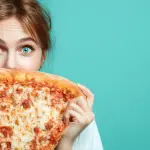
ニューヨークでの味覚テストサービス
ニューヨークの味覚テスト サービス ブランドは、製品を微調整し、常に変化する消費者の需要に対応するために、ニューヨークの味覚テスト サービスに依存しています。味覚テストは、単にフレーバーを試食するだけではありません。それは、消費者の味覚と消費者の感情を理解する科学です。


ウイスキーのテイスティング
Whiskey Taste Testing
That $500 bottle on the top shelf? It's not there by accident or clever marketing. It earned its spot through ruthless, methodical whiskey taste testing that most casual drinkers never witness.
When structured...

 JA
JA  EN
EN  AR
AR  ZH
ZH  ZH_HK
ZH_HK  NL
NL  FR
FR  DE
DE  IT
IT  KO
KO  PL
PL  PT
PT  ES
ES