
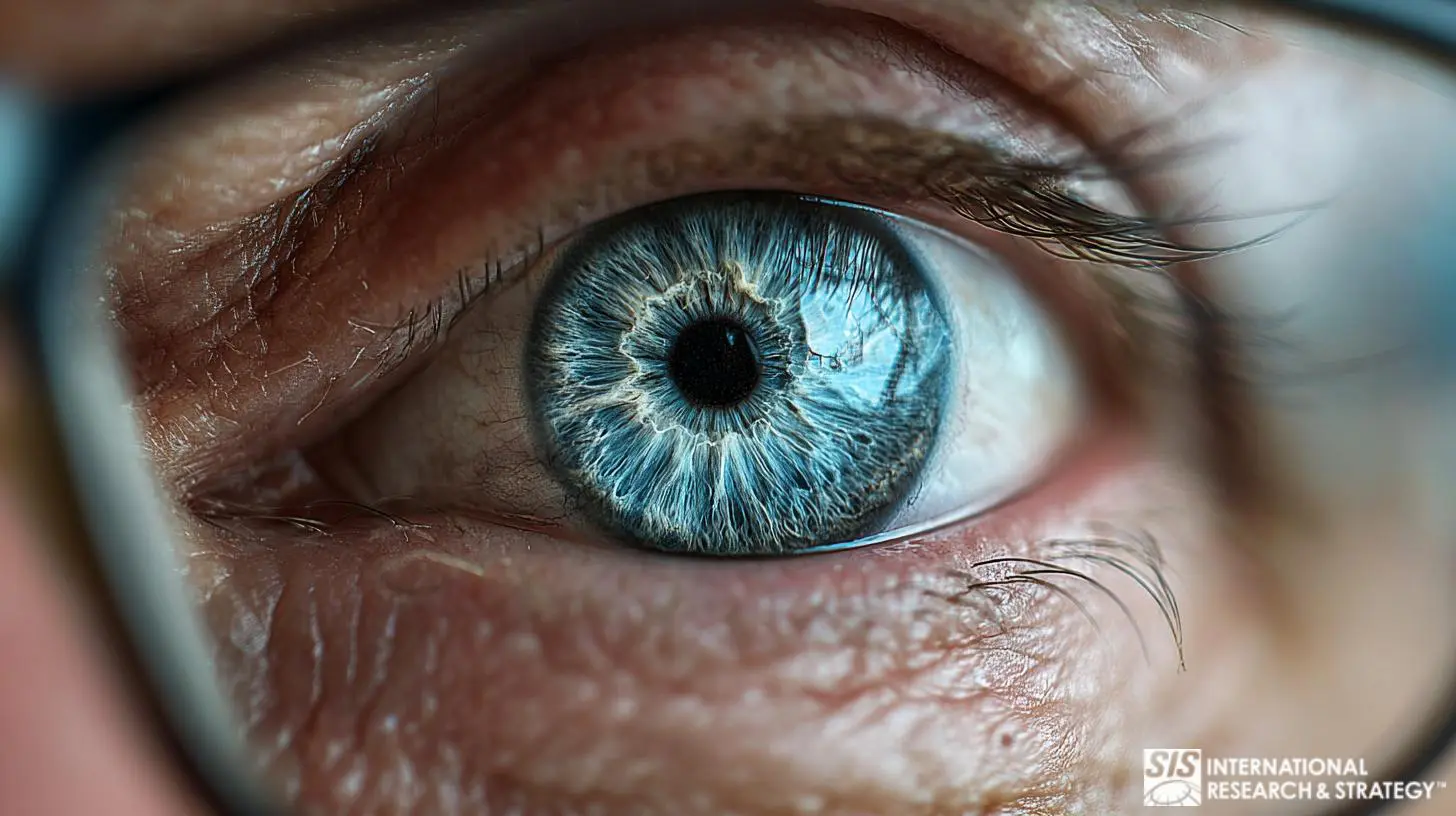
La publicación de esta semana tendrá una nota más ligera que la de la semana pasada, que se refería a la crisis financiera que se desarrolla en los mercados norteamericanos. Hemos repasado algunos capítulos del best seller de Malcolm Gladwell, “Blink”. ¿La relevancia? Muchos de los conocimientos de Blink se pueden aplicar directamente a las ciencias del marketing, dada su profundidad en el inconsciente y el comportamiento humanos. A continuación se muestra una sinopsis y un análisis de algunas de las ideas perceptuales fascinantes, incluso extrañas, de “Blink” y cómo se relacionan con el marketing.
Predecir si un matrimonio fracasará
In Chapter 1, Gladwell tells readers about the “love lab.” With highly predictive coding of the behavior of newlyweds, a scientist can predict whether a marriage will last based on the first 15 minutes of conversation. Interestingly, relationships have a positive or negative “override state”. In other words, a person will often overlook the negatives to focus on the positives, and vice-versa. Moreover, he introduces the concept of “thin-slicing”. Gladwell later describes, “Thin slicing allows your unconscious to take care of all the minor mental details in your life, while leaving you to concentrate on the main problem at hand” (59). “Thin-slicing” demonstrates that the unconscious can recognize patterns even if we don’t recognize that pattern.
Interpretar lo ininterpretable
Then Gladwell cites an example about Morse code being used to interpret the personalities of enemy code interpreters with striking accuracy. Without ever meeting enemy Morse code operators, interceptors can develop comprehensive profiles of people whom they’ve never met. According to Gladwell, some idiosyncrasy in a personality presents itself unconsciously to the Morse code operators. This demonstrates to readers the impact of thin-slicing and reinforces his assertion that people can unconsciously detect patterns with accuracy. Marketers can employ this principle when trying to understand the consumer.
Comprender a una persona con información limitada sobre ella
The chapter further reveals insights into understanding personality and human behavior. Gladwell provides evidence that you can learn more about conscientiousness, emotional stability, and openness to new experiences by looking at a person’s bedroom than if they were your best friend. This is because of “thin-slicing” the underlying patterns and the anonymous person’s use of personal space in their bedrooms. Your subconscious functions automatically and can process these details with astonishing accuracy than if you were to rationally process aspects of our friends’ personalities. This highlights the importance of ethnography in better understanding the consumer’s lifestyle.
Predecir demandas
If you listen to doctors in North America, they will tell you about the easiness against which they can be litigated. Gladwell presents evidence that doctors who spend more time talking with patients are sued less. That’s right, spending more time talking and showing concern can substantially impact your odds of being sued. The key? Your doctor’s vocal tone is a sign of respect, which is a predictor of your likelihood of getting sued. Lastly, Chapter one concerns the power of the glance, in that some people have the uncanny ability to predict the identity of an object that is far away from them. For example, a certain bird watcher could predict with accuracy the identity of a bird in flight and located far away. By inference, the experienced consumer could imagine with a sharp degree of accuracy the potential source or content of an advertisement in the distance based on the unconscious experience with a brand, a previous ad or past experiences.
Consecuencias negativas del corte fino
Chapters 2 and 3 contain enthralling–and frightening–examples of the unconscious, delving into the effects of “priming” in group situations. The examples provide stimulus for introspection for Marketers. Gladwell cites a study showing that by asking an African American their race on a standardized tests, the unconscious will affect a negative behavior–poor performance. Further, an experiment showed that those who were primed with personality attribute words were far more likely to perform the behavior.
Desafíos para los especialistas en marketing
Another study provides a challenge to marketers. A study done by a prestigious university found that in situations where you make people explain themselves, confusion increases. For example, a woman changed her dating preferences for her ideal man upon meeting another man. A month later, that respondent went back to wanting that ideal man. This follows other authors like Clotaire Rapaille and Jon Steel, who use this logic in their approach to research. Furthermore, unconscious perception of appearance can be deceptive. This is seen with consumers making the Warren Harding Error. Harding, a lame duck former US president, was chosen largely because of his “presidential” height and looks.
Comida para llevar general
Entonces, ¿qué se puede hacer con estas interesantes afirmaciones? Acerca de los cortes finos, afirma: “A veces estamos mejor si la mente detrás de la puerta cerrada toma decisiones por nosotros” p. 61 Sin embargo, a pesar del extraordinario poder del corte fino, pueden surgir problemas si se utiliza únicamente el corte fino.


 ES
ES  EN
EN  AR
AR  ZH
ZH  ZH_HK
ZH_HK  NL
NL  FR
FR  DE
DE  IT
IT  JA
JA  KO
KO  PL
PL  PT
PT