
Conseil en rebranding d'hôtels acceptant les animaux de compagnie
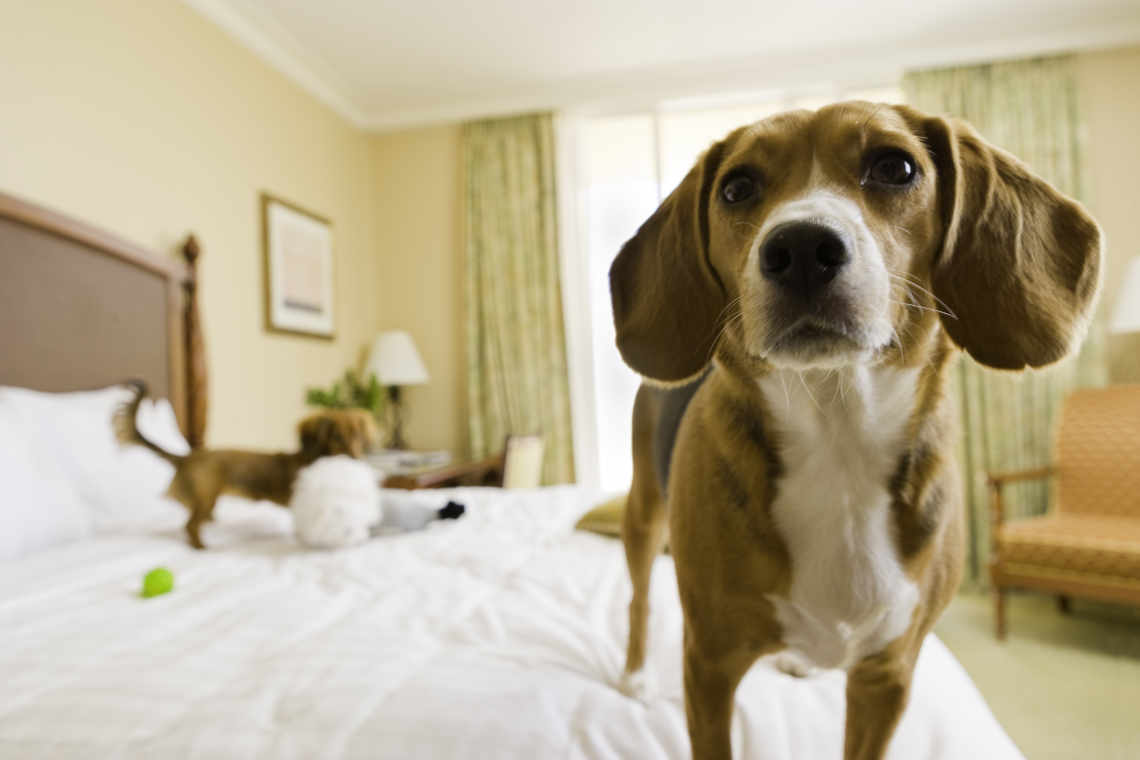
Votre hôtel répond-il réellement aux demandes changeantes des voyageurs modernes ? Dans un secteur où la différenciation est essentielle, la tendance vers des hébergements acceptant les animaux de compagnie n'est pas seulement une mode, mais un changement significatif dans les préférences des consommateurs… C'est là que le conseil en rebranding d'hôtels acceptant les animaux de compagnie apparaît comme un outil clé pour créer un havre de paix accueillant pour tous. membres de la famille.
Comprendre le conseil en rebranding d'hôtels acceptant les animaux de compagnie
Le conseil en rebranding d'hôtels acceptant les animaux de compagnie aide les entreprises à créer une expérience unique et mémorable à la fois pour l'animal et son propriétaire, une expérience qui résonne avec les valeurs et le style de vie des voyageurs modernes. Ce changement de perception exige une expérience hôtelière qui réponde au confort humain et au bien-être des animaux. De la conception d'espaces acceptant les animaux de compagnie à l'offre de services spécialisés tels que des menus pour animaux de compagnie, des services de toilettage et de promenade, le processus de conseil implique une analyse approfondie de la manière dont chaque aspect de l'expérience hôtelière peut être optimisé pour les animaux de compagnie et leurs propriétaires.
Pourquoi les entreprises ont besoin de conseils en matière de rebranding d'hôtels acceptant les animaux de compagnie
La première raison impérieuse pour laquelle les entreprises s'engagent dans des conseils en matière de rebranding d'hôtels acceptant les animaux de compagnie est la démographie croissante des propriétaires d'animaux qui voyagent avec leurs animaux de compagnie. Cette tendance présente une opportunité lucrative pour les hôtels de répondre à une clientèle unique, en leur offrant des services et des expériences spécialisés.
Deuxièmement, le conseil en rebranding hôtelier acceptant les animaux de compagnie permet aux entreprises d’améliorer leur image de marque et leur réputation. En se positionnant comme des établissements véritablement soucieux du bien-être et du confort de tous leurs clients, y compris les animaux de compagnie, les hôtels peuvent renforcer leur identité de marque et leur attractivité. Ceci est particulièrement important dans un secteur compétitif où se démarquer est crucial. Il ne s'agit pas seulement d'offrir une chambre ; il s'agit de créer une expérience qui résonne à un niveau personnel auprès des invités.
De plus, ce type de conseil offre aux hôtels la possibilité d'innover et de devenir leader dans le secteur hôtelier. Grâce à l’intégration de services et d’équipements acceptant les animaux de compagnie, les hôtels peuvent établir de nouvelles normes et pratiques industrielles. De telles innovations améliorent l'expérience client et positionnent également l'hôtel comme un acteur avant-gardiste et dynamique du secteur.
Quels sont les avantages du conseil en rebranding d'hôtels acceptant les animaux de compagnie ?
Se lancer dans un conseil en rebranding d'hôtel acceptant les animaux de compagnie offre de multiples avantages qui peuvent améliorer considérablement la position et l'attrait d'un hôtel sur le marché, notamment :
- Différenciation dans un marché concurrentiel : Dans un secteur où se démarquer est crucial, le conseil en rebranding hôtelier acceptant les animaux de compagnie constitue un argument de vente unique. Il différencie un hôtel de ses concurrents en offrant un service de niche capable d'attirer l'attention et l'intérêt. Ce positionnement unique contribue à construire une identité de marque distinctive qui trouve un écho auprès des propriétaires d'animaux de compagnie.
- Opportunité de services innovants et de sources de revenus : Le changement de marque respectueux des animaux de compagnie ouvre les portes à de nouveaux services innovants adaptés aux animaux de compagnie, tels que des spas pour animaux de compagnie, des menus gastronomiques pour animaux de compagnie et des services de garde d'animaux. Ces offres améliorent non seulement l'expérience client, mais créent également des sources de revenus supplémentaires pour l'hôtel.
- Image de marque positive et perception du public : Les hôtels qui accueillent des animaux de compagnie sont souvent considérés comme compatissants, attentionnés et centrés sur le client. Cette perception positive peut améliorer considérablement l'image de marque de l'hôtel, le rendant plus attrayant auprès d'un groupe démographique plus large, au-delà des seuls propriétaires d'animaux de compagnie.
- Alignement avec les tendances des médias sociaux et du marketing : L’approche respectueuse des animaux de compagnie offre un excellent contenu pour les réseaux sociaux et les campagnes marketing. Partager des images et des histoires d'animaux de compagnie profitant de leur séjour peut stimuler l'engagement et attirer l'attention dans l'espace numérique, offrant ainsi un angle nouveau et attrayant pour les efforts marketing de l'hôtel.
- Conformité aux tendances de consommation en évolution : En adoptant des pratiques respectueuses des animaux de compagnie, les hôtels démontrent leur engagement envers l'évolution des besoins et des préférences des consommateurs. Cette réactivité aux tendances du marché est essentielle au succès et à la pertinence à long terme dans le secteur hôtelier.
En quoi le conseil en rebranding d’hôtels acceptant les animaux de compagnie diffère-t-il des études de marché traditionnelles ?
L’une des principales différences réside dans le niveau de spécialisation. Les études de marché traditionnelles ont tendance à adopter une approche plus généralisée, couvrant un large éventail d’aspects du secteur hôtelier. En revanche, le conseil en rebranding d'hôtels acceptant les animaux de compagnie se concentre sur la compréhension de la dynamique unique de l'accueil de clients avec des animaux de compagnie. Cela inclut des informations sur le comportement des animaux de compagnie, les attentes des propriétaires, ainsi que les défis et opportunités spécifiques liés à la restauration de ce segment de marché.
Une autre distinction réside dans l'application pratique de la recherche. Les études de marché traditionnelles se terminent souvent par la fourniture de données et de recommandations générales. Cependant, le conseil en rebranding d'hôtels acceptant les animaux de compagnie va encore plus loin en proposant des stratégies concrètes et des plans détaillés de mise en œuvre. Cela peut inclure des recommandations de conception spécifiques pour des chambres acceptant les animaux, des lignes directrices pour la formation du personnel sur la manipulation des animaux et des stratégies de marketing pour cibler efficacement les propriétaires d'animaux.
De plus, les conseils en matière de rebranding d’hôtels acceptant les animaux de compagnie sont souvent plus tournés vers l’avenir. Il évalue les tendances actuelles mais anticipe également les développements futurs dans l'industrie du voyage pour animaux de compagnie. Cette prévoyance permet aux hôtels de garder une longueur d'avance, en adaptant leurs services et leurs stratégies marketing en fonction de l'évolution des attentes et des tendances.
Résultats attendus du conseil en rebranding d'hôtels acceptant les animaux de compagnie
Lorsqu'elles s'engagent dans des conseils en matière de rebranding d'hôtels acceptant les animaux de compagnie, les entreprises peuvent s'attendre à un processus complet qui englobe divers aspects de l'exploitation et du marketing de l'hôtel, notamment :
- Positionnement stratégique de la marque : Les consultants travailleront à l'alignement de l'image de marque de l'hôtel sur le marché des animaux de compagnie. Cela implique de développer un message de marque qui trouve un écho auprès des propriétaires d'animaux et de veiller à ce que les valeurs et les services de l'hôtel soient communiqués à ce public cible.
- Adaptations des installations et des services : L'un des aspects critiques du processus de conseil consiste à donner des conseils sur les changements ou améliorations nécessaires aux installations et services de l'hôtel. Cela pourrait aller de la refonte des chambres pour qu'elles soient plus adaptées aux animaux de compagnie à l'introduction de services spécialisés tels que la garde ou le toilettage d'animaux.
- Formation du personnel et changement de culture : Les consultants guideront la formation du personnel pour garantir que tous les employés sont équipés pour gérer les animaux de compagnie et comprennent les besoins uniques des clients voyageant avec des animaux. Cela implique également de cultiver une culture respectueuse des animaux de compagnie au sein de l'hôtel.
- Stratégies de marketing et de promotion : Une partie importante du processus de conseil consiste à développer des stratégies marketing efficaces pour promouvoir la nouvelle marque de l'hôtel acceptant les animaux de compagnie. Cela implique de tirer parti des médias sociaux, des partenariats et de la publicité ciblée pour toucher des clients potentiels.
- Évaluation continue et adaptation : Le service de conseil comprendra probablement des mécanismes d’évaluation et d’adaptation continues. Cela garantit que l'hôtel reste réactif aux conditions changeantes du marché et aux commentaires des clients, en affinant continuellement ses offres acceptant les animaux de compagnie.
Tendances actuelles en matière de conseil en rebranding d'hôtels acceptant les animaux de compagnie
Le secteur de l'hôtellerie acceptant les animaux de compagnie est en constante évolution, avec l'émergence de nouvelles tendances à mesure que les hôtels s'efforcent de répondre aux besoins et préférences changeants des voyageurs possédant des animaux de compagnie. Voici quelques tendances actuelles en matière de conseil en rebranding d'hôtels acceptant les animaux de compagnie :
- Équipements durables et respectueux de l'environnement pour animaux de compagnie : La durabilité est une préoccupation croissante parmi les consommateurs, et cela s'étend aux services adaptés aux animaux de compagnie. Les hôtels proposent des équipements écologiques pour animaux de compagnie, tels que des sacs à déchets biodégradables, de la nourriture biologique pour animaux de compagnie et des jouets durables pour animaux de compagnie.
- Collaborations avec des marques d'animaux de compagnie et des influenceurs : Les hôtels collaborent de plus en plus avec des marques d’animaux de compagnie et des influenceurs pour commercialiser leurs services adaptés aux animaux de compagnie. Ces partenariats peuvent aider les hôtels à toucher un public plus large et à renforcer leur crédibilité sur le marché des animaux de compagnie.
- Événements et activités centrés sur les animaux de compagnie : Les hôtels organisent des événements et des activités spécifiquement destinés aux animaux de compagnie et à leurs propriétaires. Cela comprend des rencontres avec des animaux de compagnie, des séances de yoga pour chiens et des visites acceptant les animaux de compagnie. Ces activités améliorent non seulement l'expérience client, mais favorisent également un sentiment de communauté parmi les voyageurs possédant des animaux de compagnie.
- Formation améliorée pour le personnel de l’hôtel : Conscients de l'importance d'un personnel compétent et empathique, les hôtels investissent dans des programmes de formation spécialisés. Ces programmes sensibilisent le personnel au comportement des animaux de compagnie, aux premiers secours et aux meilleures façons d'interagir avec les animaux de compagnie.
- Espaces désignés pour les animaux : Les hôtels conçoivent des zones spécifiques pour les animaux de compagnie, comme des parcs pour chiens, des salles de jeux pour animaux de compagnie et même des piscines pour animaux de compagnie. Ces espaces garantissent aux animaux de compagnie un environnement sûr et agréable pour se détendre et jouer.
Opportunités dans le rebranding d’hôtels acceptant les animaux de compagnie
L’essor des voyages acceptant les animaux de compagnie présente de nombreuses opportunités pour les entreprises du secteur hôtelier, ouvrant de nouvelles voies d’innovation et de croissance. Voici quelques opportunités clés sur lesquelles les entreprises peuvent capitaliser grâce au rebranding des hôtels acceptant les animaux de compagnie :
- Exploiter un segment de marché en croissance : Le nombre de voyageurs à la recherche d’un hébergement acceptant les animaux de compagnie est en augmentation. En répondant à ce marché, les hôtels peuvent attirer une nouvelle clientèle, ce qui entraînera une augmentation du taux d'occupation et des revenus.
- Fidélisation à la marque : Les propriétaires d’animaux apprécient souvent beaucoup les entreprises qui hébergent leurs compagnons à quatre pattes. En fournissant des services exceptionnels adaptés aux animaux de compagnie, les hôtels peuvent fidéliser et défendre fortement les propriétaires d'animaux, ce qui conduit à une clientèle fidèle et à un bouche-à-oreille positif.
- Créer de nouvelles sources de revenus : Les services acceptant les animaux de compagnie offrent le potentiel de générer de nouvelles sources de revenus. Cela comprend les frais de séjour des animaux de compagnie, la vente de produits liés aux animaux de compagnie et les services supplémentaires tels que le toilettage, la marche ou la garderie des animaux de compagnie.
- Partenariats et opportunités de promotion croisée : Il existe des opportunités de partenariats avec des entreprises liées aux animaux de compagnie, telles que les entreprises d'aliments pour animaux de compagnie, les marques de soins pour animaux de compagnie et les services locaux pour animaux de compagnie. Ces partenariats peuvent améliorer les offres de l'hôtel et fournir des canaux de marketing supplémentaires.

 FR
FR  EN
EN  AR
AR  ZH
ZH  ZH_HK
ZH_HK  NL
NL  DE
DE  IT
IT  JA
JA  KO
KO  PL
PL  PT
PT  ES
ES