
Investigación del mercado energético en Asia

Asia’s energy usage has skyrocketed, and the energy demands in the region are expected to increase over the next few years, particularly in China and India. Therefore, conducting in-depth energy market research in Asia is essential for decision-making in businesses interested in this growing industry.
La importancia de la investigación del mercado energético en Asia

Para las corporaciones globales, el mercado energético asiático en constante desarrollo es una región atractiva y de alto consumo en crecimiento que puede resultar muy rentable en el futuro cercano. Sin embargo, para ingresar con éxito a algunos de sus mercados locales, es fundamental tener un conocimiento profundo de la industria energética asiática antes de realizar cualquier inversión.
Companies can use this data to better understand regional demand and consumption, which is essential for making strategic decisions about the industry’s development and expansion. Conducting energy market research in Asia can also give companies an advantage over their competitors by helping them predict future trends and evaluate company prospects.
En particular, al realizar estudios de mercado energético en Asia las empresas pueden tener ventajas como:
- Descubra nichos de mercado sin explotar y capitalícelos.
- Mantenga una ventaja competitiva descubriendo las últimas tendencias energéticas y cambios en la industria.
- Expandirse a nuevas áreas, ampliar su base de clientes y diversificar sus fuentes de ingresos.
- Descubrir oportunidades de cooperación y asociaciones regionales.
Strategic Energy Market Indicators Across Asia
| Market & Key Indicator | Current Trend and Scale | Fuente |
|---|---|---|
| China: Renewable Energy Capacity (Non-Hydro) | China leads the world in **total installed renewable capacity** (solar, wind), often accounting for over half of global new installations annually. This rapid buildout is driven by industrial scale and national targets. | IRENA (International Renewable Energy Agency) |
| India: Energy Demand Growth | India is projected to be the **fastest-growing large energy consumer** globally, driven by industrialization, population growth, and improving living standards. | International Energy Agency (IEA) Outlook |
| Japan: Natural Gas (LNG) Reliance | Japan remains one of the world’s **largest importers of Liquefied Natural Gas (LNG)** due to limited domestic resources and post-Fukushima reliance on gas-fired power generation. | Energy Institute Statistical Review of World Energy |
| Southeast Asia: Electrification Access | While urban areas are fully covered, achieving **universal energy access** across remote islands and rural areas remains a primary development goal, driving distributed renewable solutions (micro-grids, solar). | ASEAN Centre for Energy (ACE) |
| Global Carbon Emissions Contribution | Asia as a region is the **largest contributor to global CO2 emissions** from energy use, highlighting the critical need for continued energy transition and decarbonization research. | Our World in Data |
Source: Data compiled from major international energy organizations, as linked above.
Oportunidades y desafíos
Technological advances and the growth of the energy sector make energy market research in Asia more promising than ever, and multiple companies are researching the market carefully before entering it.
Oportunidades
- Descubra oportunidades y necesidades en fuentes de energía sostenibles en Asia, donde la energía solar, eólica e hidroeléctrica ya se utilizan ampliamente.
- Companies looking to expand their business in Asia can familiarize themselves with the region’s multiple energy markets, which include traditional industries such as oil and gas and renewable energies.
- El petróleo y el gas siguen siendo fuentes importantes de energía en Asia a pesar de la expansión de las energías renovables, por lo que explorar los patrones de mercado en estas industrias puede resultar esclarecedor para las corporaciones globales.
Desafíos
- Obtener datos precisos y confiables puede ser un desafío, especialmente en países con infraestructura deficiente y procedimientos de recopilación de datos rudimentarios.
- La incertidumbre económica y política en algunos países asiáticos dificulta la recopilación de datos.
- Las normas culturales y lingüísticas de los países asiáticos pueden obstaculizar la capacidad de realizar investigaciones y recopilar datos relevantes.
- Due to the lack of consistency in energy statistics, it can be challenging to compare and interpret data from different markets.
- Investigar el sector energético puede llevar mucho tiempo y ser costoso, especialmente en el campo.
Metodologías preferidas para la investigación del mercado energético en Asia
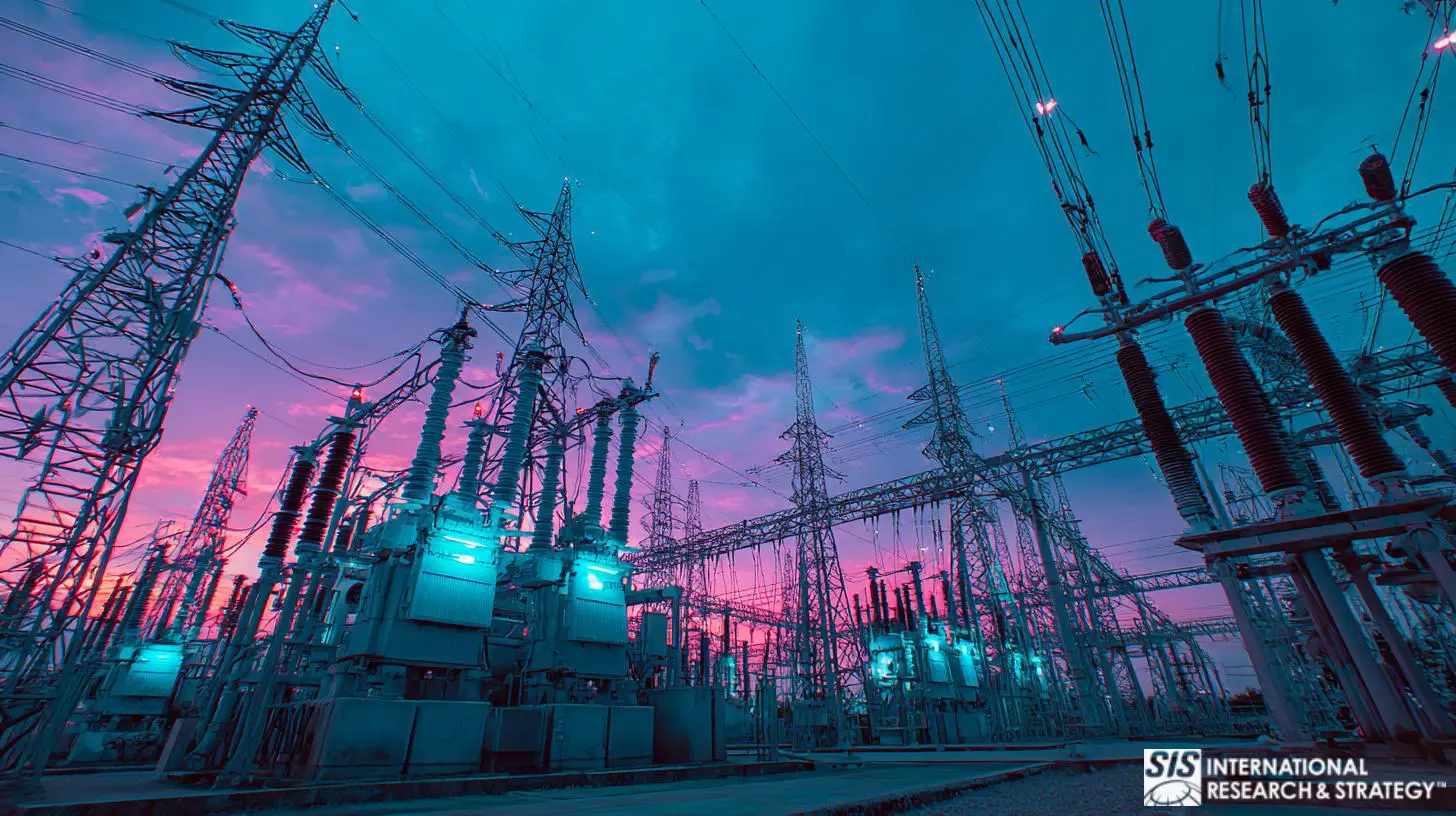
Las mejores metodologías para la investigación del mercado energético en Asia incluyen:
- Investigación primaria: encuestas, entrevistas y grupos focales con consumidores y expertos de la industria.
- Investigación secundaria: análisis de información y estudios de acceso público de organismos gubernamentales, empresas y grupos comerciales.
- Análisis de la industria: comprende las tendencias de la industria energética, el tamaño del mercado y el panorama competitivo en Asia.
- Modelado predictivo: análisis utilizando estadísticas y econometría para predecir condiciones y tendencias futuras del mercado.
Tendencias en la investigación del mercado energético en Asia
Governments across Asia are investing extensively in the research and development of renewable energy sources due to their rising popularity. The necessity to curb greenhouse gas emissions and the rising popularity of renewable power sources have propelled Asia’s renewable energy industry forward.
For instance, as part of the central measures to achieve carbon goals, China might tighten supervision over the efficiency of energy-intensive industries to achieve world-leading energy efficiency standards.
Sin embargo, las industrias energéticas tradicionales como el petróleo y el gas siguen siendo las más populares, y se espera que esta tendencia no cambie en un futuro próximo a pesar de la entrada de industrias dedicadas a las energías renovables, que a medio y largo plazo podrían convertirse en competidoras. de algunas empresas que utilizan combustibles fósiles.
Por este motivo, la investigación del mercado energético en Asia debería considerar el crecimiento que tendrán las energías convencionales en los próximos años, aunque posteriormente puedan decaer cuando las energías renovables se generalicen en el mercado, por ejemplo, con el uso de vehículos eléctricos.
Principales países para realizar estudios de mercado energético en Asia
- Porcelana: Research on the Chinese energy market is crucial because of the country’s expanding influence and importance in the global energy industry. A study on the Chinese energy landscape informs companies of China’s energy policies and its rapidly rising energy needs. However, China’s rising energy demand is increasing dependence on imports, and the effects of this trend on the energy market must be taken into account.
- India: Research of the Indian energy market is of major importance considering India’s expanding energy demand, and the country’s efforts to meet that need through diversification of energy sources. The energy market must consider the fact that India is aggressively working to diversify its energy mix, notably by increasing its investment in renewable energy. Furthermore, competition is fierce in the Indian energy market, thus a competitors analysis is necessary to understand the major firms’ strategies.
- Malaysia: Since Malaysia is a leading player in the energy industry in Southeast Asia and is making advances to fulfill rising energy demand through diversification of energy sources, understanding the energy market in Malaysia is key. Energy market research in Malaysia must consider government policies and regulations due to the government’s prominent position in the energy sector, especially in the oil and gas industry. Likewise, energy market research in Malaysia needs to address the growing environmental concerns in the country and how they can affect the energy market, and the opportunities for developing sustainable energy solutions.
Prospects in Energy Market Research in Asia

A medida que las economías asiáticas se expanden rápidamente, la creciente necesidad de energía crea oportunidades adicionales para la investigación en el sector. Al mismo tiempo, varios países asiáticos están intentando modernizar sus infraestructuras energéticas para enfrentar mejor los desafíos futuros y satisfacer la demanda cada vez mayor de energía por parte de la clase media.
La investigación del mercado energético en Asia debe abordar el impacto de las preocupaciones ambientales en el mercado energético y el potencial de desarrollo de soluciones energéticas sostenibles. Las cuestiones medioambientales seguirán siendo una importante preocupación mundial y los mercados asiáticos poco a poco se están poniendo al día con esta tendencia.
Por lo tanto, la investigación del mercado energético en Asia debe considerar las tendencias globales, incluido un posible cambio hacia una economía baja en carbono en los mercados asiáticos.
How SIS International’s Energy Market Research in Asia Helps Businesses

SIS Internacional’s energy market research in Asia provides businesses with crucial insights into one of the most vital and rapidly evolving sectors across the continent. Our research helps companies navigate the complexities of the Asian energy landscape, identify opportunities, and develop strategies for success. Here’s how our energy market research benefits businesses:
- Understanding Market Dynamics and Trends:
- Nuestro investigación del mercado energético provides businesses with a comprehensive understanding of regional trends, including shifts towards renewable energy, advancements in energy technology, and changes in energy consumption patterns. This insight helps companies stay ahead of market developments and make strategic decisions aligned with regional trends.
- Identificar oportunidades de crecimiento:
- SIS identifies emerging opportunities within these sectors, helping businesses understand where to invest and how to position themselves for success. Whether exploring solar energy projects in India or wind energy developments in China, our insights guide businesses towards high-potential investment areas.
- Navigating Regulatory and Policy Environments:
- We provide detailed information on local regulations, policies, and incentives related to energy production, distribution, and consumption. By understanding these regulatory environments, businesses can navigate compliance requirements, avoid potential pitfalls, and take advantage of government incentives and subsidies.
- Analyzing Competitive Landscape:
- SIS includes a thorough analysis of the competitive landscape, providing insights into major market players, their strategies, and market share. This information helps businesses identify competitive advantages, potential partners, and areas for differentiation in the energy sector.
- Assessing Consumer and Industrial Demand:
- Our energy market research helps businesses assess demand across different segments, including residential, commercial, and industrial users. By understanding these demand patterns, companies can better align their products and services with market needs and develop targeted strategies for each segment.
- Evaluating Technological Innovations:
- Asia is at the forefront of energy technological innovations, including advancements in renewable energy technologies, energy efficiency solutions, and smart grids. Our team explores these technological developments, providing businesses with insights into cutting-edge innovations and their potential impact on the energy market.
Nuestra ubicación de instalaciones en Nueva York
11 E 22nd Street, Piso 2, Nueva York, NY 10010 T: +1(212) 505-6805
Acerca de SIS Internacional
SIS Internacional ofrece investigación cuantitativa, cualitativa y estratégica. Proporcionamos datos, herramientas, estrategias, informes y conocimientos para la toma de decisiones. También realizamos entrevistas, encuestas, grupos focales y otros métodos y enfoques de investigación de mercado. Póngase en contacto con nosotros para su próximo proyecto de Investigación de Mercado.
.

 ES
ES  EN
EN  AR
AR  ZH
ZH  ZH_HK
ZH_HK  NL
NL  FR
FR  DE
DE  IT
IT  JA
JA  KO
KO  PL
PL  PT
PT