
Marktforschung für Massenchemikalien
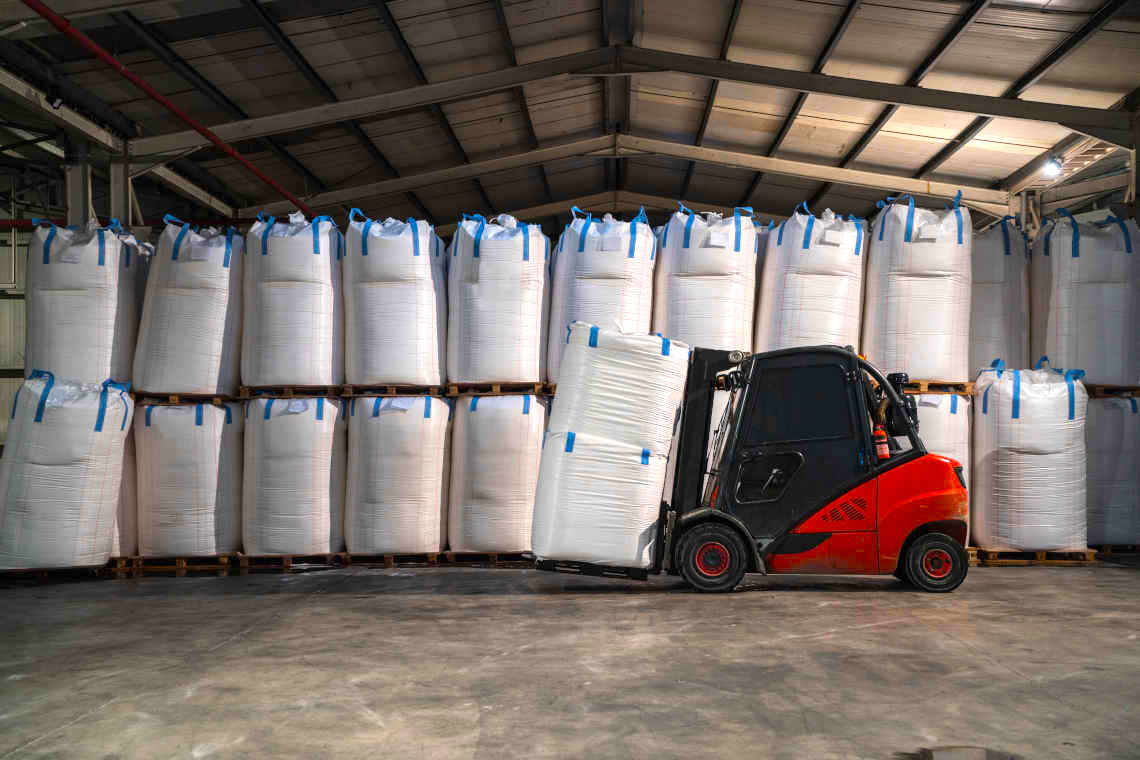
Massenchemikalien sind Chemikalien, die in großen Mengen hergestellt werden. Sie werden in vielen Branchen für unterschiedliche Zwecke eingesetzt. Großbetriebe liefern diese Chemikalien. Sie verkaufen sie in großen Mengen als lose Ware oder in standardisierten Verpackungen wie Fässern, Säcken oder Tanks.
Massenchemikalien umfassen eine Vielzahl von Substanzen. Es können anorganische Grundchemikalien wie Schwefelsäure, Natriumhydroxid und Chlor sein. Es können aber auch organische Chemikalien wie Ethylen, Propylen, Benzol und Toluol sein. Sie dienen als Rohstoffe für die Herstellung einer breiten Palette von Konsumgütern. Zu diesen Gütern gehören Kunststoffe, Arzneimittel, Düngemittel, Textilien und mehr.
Massenchemikalien werden häufig durch komplexe chemische Reaktionen hergestellt. Ihre Produktion erfordert erhebliche Mengen an Energie und Ressourcen. Daher liefern Massenchemikalien in der Regel große Unternehmen mit spezialisierten Anlagen und Geräten.
Warum sind Massenchemikalien wichtig?
Massenchemikalien sind aus mehreren Gründen notwendig. Sie sind wichtige Rohstoffe für die Produktion. So werden beispielsweise für die Kunststoffproduktion Ethylen und Propylen benötigt. Schwefelsäure wird für die Produktion von Düngemitteln benötigt. Massenchemikalien machen die Herstellung dieser Produkte möglich.
Die Verarbeitungsanlagen produzieren Massenchemikalien in großen Mengen. Daher können sie sie zu geringen Stückkosten herstellen. Infolgedessen sind Massenchemikalien kostengünstiger als die Herstellung kleinerer Mengen von Spezialchemikalien.
Die Produktion von Massenchemikalien im großen Maßstab ermöglicht eine höhere Konsistenz und Qualitätskontrolle. Diese Eigenschaften sind für Branchen, die auf diese Chemikalien als Rohstoffe angewiesen sind, von entscheidender Bedeutung. Abweichungen in Qualität oder Textur können zu Herstellungsfehlern oder Produktausfällen führen.
Massenchemikalien sind weltweit verfügbar. Unternehmen in verschiedenen Regionen können so auf die benötigten Rohstoffe zugreifen. Daher sind sie für die Förderung des internationalen Handels und des Wirtschaftswachstums von entscheidender Bedeutung.
Es gab Fortschritte bei den Techniken und Technologien zur Produktion von Massenchemikalien. Diese Fortschritte können zur Entwicklung neuer Produkte und Anwendungen führen. Sie können auch Innovation und Wirtschaftswachstum vorantreiben.
Wichtige Berufsbezeichnungen
In der chemischen Industrie gibt es mehrere wichtige Berufsbezeichnungen, darunter:
- Chemieingenieur. Dieser Ingenieur entwirft die Prozesse und Geräte zur Herstellung von Chemikalien. Er gewährleistet die Sicherheit, Effizienz und Qualität chemischer Prozesse.
- Analytischer Chemiker. Ein analytischer Chemiker analysiert chemische Verbindungen und Produkte. So bestimmen sie deren chemische Zusammensetzung und Eigenschaften. Diese Chemiker verwenden spezielle Geräte und Techniken. Sie identifizieren und messen auch chemische Bestandteile und Verunreinigungen.
- Chemiker für Forschung und Entwicklung (F&E). Ein F&E-Chemiker entwickelt neue chemische Verbindungen und Produkte. Diese Chemiker führen Experimente und Tests durch, um unbekannte Verbindungen mit bestimmten Eigenschaften zu identifizieren. Die Tests dienen auch dazu, die Leistung bestehender Verbindungen zu optimieren.
- Chemiker für Qualitätskontrolle. Ein Chemiker für Qualitätskontrolle stellt sicher, dass chemische Produkte den Industriestandards entsprechen. Die Produkte müssen außerdem Sicherheits-, Reinheits- und Qualitätsvorschriften einhalten. Der Chemiker testet und überprüft chemische Produkte auch auf Mängel oder Verunreinigungen.
- Vertriebs- und Marketingmanager. Ein Vertriebs- und Marketingmanager bewirbt chemische Produkte bei potenziellen Kunden. Außerdem entwickelt er Verkaufsstrategien zur Steigerung des Marktanteils. Er arbeitet mit Kunden zusammen, um deren Bedürfnisse zu verstehen. Anschließend entwickelt er Produkte, die ihren spezifischen Anforderungen entsprechen.
- Umwelt-, Gesundheits- und Sicherheitsmanager (EHS). Ein EHS-Manager stellt sicher, dass chemische Produktionsprozesse und -anlagen den Umwelt-, Gesundheits- und Sicherheitsvorschriften entsprechen. Er entwickelt Richtlinien und Verfahren zur Risikominimierung. Außerdem stellt er die Einhaltung der geltenden Gesetze und Vorschriften sicher.
- Produktionsleiter. Ein Produktionsleiter überwacht den täglichen Betrieb einer chemischen Produktionsanlage. Sie verwalten Produktionspläne und überwachen Produktionsprozesse. Sie erreichen auch Produktionsziele und halten dabei Qualitäts- und Sicherheitsstandards ein.Warum
Warum benötigen Unternehmen Chemikalien in großen Mengen?
Unternehmen benötigen Massenchemikalien aus mehreren Gründen. Erstens ist die Produktion von Massenchemikalien im Allgemeinen kostengünstiger als die Herstellung kleinerer Mengen von Spezialchemikalien. Wenn Hersteller große Mengen an Massenchemikalien produzieren, senkt dies die Produktionskosten pro Einheit.
In großen Chemiewerken werden Spezialgeräte und -verfahren zur Herstellung von Massenchemikalien eingesetzt, was eine höhere Konsistenz und Qualitätskontrolle ermöglicht. Konsistenz ist für Branchen, die auf diese Chemikalien als Rohstoffe angewiesen sind, von entscheidender Bedeutung. Qualität ist es natürlich auch.
Mit Massenchemikalien können Unternehmen ihre Produktion leicht steigern und so die gestiegene Nachfrage decken, ohne sich Gedanken über die Beschaffung machen zu müssen. Außerdem müssen sie keine kleinen Mengen Chemikalien transportieren.
Schlüsselfaktoren für den Erfolg
Die chemische Industrie verfügt über mehrere entscheidende Erfolgsfaktoren, darunter Produktinnovation. Unternehmen der Massenchemie müssen ständig neue und innovative chemische Produkte entwickeln, um ihre Erfolgschancen auf dem Markt zu erhöhen. Daher müssen sie in Forschung und Entwicklung investieren. Sie müssen außerdem ein tiefes Verständnis für Kundenbedürfnisse und Markttrends haben.
Unternehmen, die ihre chemischen Produktionsprozesse optimieren können, haben größere Erfolgschancen. Daher müssen Unternehmen Kosten senken, die Effizienz steigern und die Qualität verbessern, was kontinuierliche Investitionen in Prozesstechnik, Automatisierung und digitale Technologien erfordert.
Die chemische Produktion erfordert eine komplexe und regulierte Lieferkette. Diese Kette umfasst Rohstoffe, Transport, Lagerung und Vertrieb. Unternehmen müssen ihre Lieferkette verwalten. Dann können sie eine zuverlässige und kostengünstige Produktion gewährleisten.
In der chemischen Industrie gelten zahlreiche Vorschriften. Diese Vorschriften sollen Sicherheit, Umweltschutz und Qualitätskontrolle gewährleisten. Unternehmen, die diese Vorschriften einhalten und gleichzeitig profitabel bleiben, haben größere Erfolgsaussichten.
Die chemische Industrie benötigt qualifizierte Fachkräfte. Sie braucht beispielsweise Chemie- und Verfahrenstechniker sowie Chemiker für die Qualitätskontrolle. Außerdem braucht sie Mitarbeiter für das Umwelt-, Gesundheits- und Sicherheitsmanagement.
Unternehmen, die die besten Talente anwerben und halten können, haben größere Erfolgschancen.
Chemieunternehmen müssen starke Beziehungen zu ihren Kunden aufbauen. Diejenigen, die die Bedürfnisse der Kunden verstehen, haben größere Erfolgschancen. Diese Unternehmen müssen die Kundenanforderungen genau verstehen, was eine effektive Kommunikation erfordert. Außerdem ist die Fähigkeit erforderlich, qualitativ hochwertige Produkte und Dienstleistungen zu liefern.
Über Bulk Chemicals Market Research
Alle Unternehmen müssen quantitative und qualitative Marktforschung betreiben, um zu überleben. Hersteller von Massenchemikalien bilden da keine Ausnahme. Sie benötigen auch strategische Marktforschung, da diese Wissen und Erkenntnisse liefert. UX Market
Durch Forschung lernen diese Unternehmen ihre Kunden kennen. Wettbewerbsanalysen verraten ihnen, was konkurrierende Unternehmen tun. Marktchancenforschung hilft ihnen, neue Geschäftsmöglichkeiten zu finden.
SIS International bietet alle diese Arten von Marktforschung und noch viel mehr. Wir bieten auch Markteintrittsforschung, Marktgrößenforschung, Fokusgruppen, Umfragen und Interviews an. Wir können Ihnen auch bei der Planung Ihrer Markteinführungsstrategie helfen. Kontaktieren Sie uns noch heute für eine Beratung!

 DE
DE  EN
EN  AR
AR  ZH
ZH  ZH_HK
ZH_HK  NL
NL  FR
FR  IT
IT  JA
JA  KO
KO  PL
PL  PT
PT  ES
ES