
Mystery Shopping for Beauty Products

They walk in. They browse. They leave without buying anything.
Want to know why? Mystery shopping for beauty products reveals the painful truth that most brands are too afraid to confront.
目录
✅ 点击此处收听本期播客节目:
What Exactly Is Mystery Shopping for Beauty Products?
Mystery shopping for beauty products is sending trained operatives undercover into the battlefield of beauty retail to experience exactly what your customers experience. These shoppers document everything—from the micro-expressions of your sales associates to whether testers are disgustingly contaminated.
Today’s mystery shopping for beauty products involves sophisticated undercover operations where trained evaluators—demographically matched to your target customers—document every aspect of your beauty customer experience. These operatives capture what ACTUALLY happens versus what SHOULD happen, from the exact words used during product explanations to whether testers are contaminated with yesterday’s makeup.
The 2025 Beauty Industry Revolution You Can’t Afford to Miss
Mystery shopping for beauty products is no longer optional in this environment—it’s the difference between riding these trends and being crushed by them.
The beauty landscape is transforming at breakneck speed. AI-driven personalization, sustainability demands, and wellness integration are reshaping consumer expectations faster than most brands can adapt.
Consider these game-changing shifts:
- Premium beauty is outgrowing mass market
- E-commerce beauty sales are surging at 12% annually
- Gen Alpha beauty consumers (born 2013-2025) are already influencing household purchases
- Fragrance layering has become mainstream with 73% of Gen Z using multiple scents
The Uncomfortable Truth About Beauty Shopping Experiences
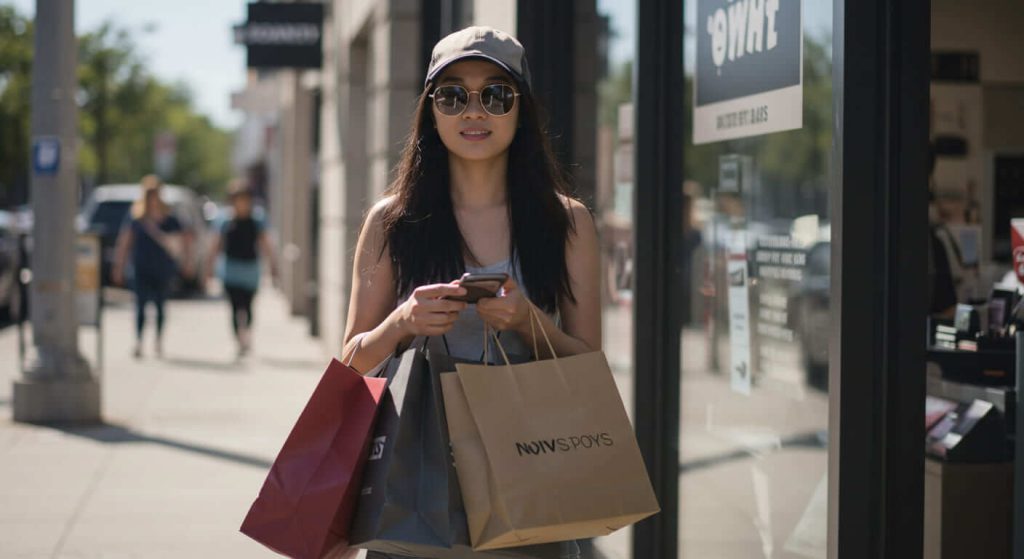
Let’s stop sugarcoating: most beauty shopping experiences range from forgettable to actively repulsive.
Mystery shopping for beauty products consistently exposes the same devastating patterns:
1. The Knowledge Gap That’s Killing Conversions
Beauty consumers arrive at your counter already having researched peptides, niacinamide percentages, and sustainability credentials. Yet mystery shopping for beauty products regularly reveals associates who can’t answer basic questions about formulations.
2. The Hygiene Nightmares Hiding in Plain Sight
That lipstick tester everyone’s sampling? Mystery shopping for beauty products has documented cases where they haven’t been sanitized in 12+ days. In post-pandemic beauty retail, this is potentially criminal negligence.
A multinational beauty retailer faced a PR crisis after mystery shopping for beauty products revealed 78% of their makeup testers contained harmful bacteria. The lawsuit that followed cost millions.
3. The Digital-Physical Disconnect Driving Customers Away
Customers research online then purchase in-store, but mystery shopping for beauty products exposes how few beauty retailers create coherent omnichannel experiences. Associates typically have zero visibility into customers’ online browsing history, creating jarring disconnects that kill sales momentum.
4. The Consistency Catastrophe Undermining Your Brand
Your flagship store might be immaculate, but what about that mall kiosk? Mystery shopping for beauty products frequently uncovers shocking inconsistencies in how brands present themselves across different locations and channels.
How Shopping Habits Are Transforming Beauty Retail in 2025
The beauty landscape is evolving with blistering speed. According to recent industry analyses, several seismic shifts are reshaping how consumers discover, evaluate, and purchase beauty products:
- AI-driven beauty technology now delivers hyper-personalized recommendations, with 58% of beauty customers preferring brands offering AI-powered experiences
- Clean beauty has exploded from niche to mainstream, with the global market projected to reach $15.3 billion in 2025
- The beauty-wellness fusion continues blurring category lines, with products incorporating adaptogens, probiotics, and Ayurvedic ingredients seeing 43% sales growth
- 可持续发展 has moved from preference to demand, with 80% of Gen Z expecting beauty companies to prioritize environmental responsibility
- Fragrance layering has become mainstream, with 73% of younger consumers using multiple scents regularly
- Virtual try-on experiences powered by AR have become expected, with 30% of Millennials and Gen Z demanding this technology
- Gen Alpha beauty consumers (born 2013-2025) are already influencing household purchasing decisions worth billions
Why Mystery Shopping is Crucial for Beauty Products and Services

You don’t get second chances in beauty retail. One negative experience and that customer—along with their lifetime value—vanishes forever.
Customer Service and Brand Consistency: The Gap That’s Killing Your Bottom Line
What your marketing promises and what your staff delivers are often entirely different universes.
神秘顾客 for beauty products brutally exposes this disconnect. When your $10 million campaign promises “expert skincare consultation” but mystery shoppers document associates spending an average of 37 seconds with customers before pushing the highest-margin product regardless of needs—you’ve got a brand integrity crisis.
Identifying Service Gaps Your Managers Will Never See
Your store managers can’t be everywhere. Your regional directors visit for 45 predictable minutes once a quarter. Mystery shopping for beauty products shows you what happens during the other 2,079 hours per quarter when nobody’s watching.
这些披露的内容往往令人不安:
- Testers contaminated with bacteria
- Associates on phones while customers wait
- Samples rationed based on how expensive a customer looks
- Multi-product routines presented incorrectly 71% of the time
- 当被问及可持续性方面的说法时,员工无法提供证据。
These critical failures never appear in manager reports because they’re invisible during announced visits. Only mystery shopping for beauty products reveals these conversion-killing issues.
Product Knowledge and Consultation: The Science Gap
Beauty has become increasingly scientific. Is your staff keeping up?
Mystery shopping for beauty products consistently exposes a devastating knowledge gap:
- 77% of beauty associates can’t correctly explain their top three ingredients
- 82% give factually incorrect information about product benefits
- 64% recommend products inappropriate for the customer’s stated skin concerns
A prestige skincare brand discovered through mystery shopping for beauty products that their $320 “breakthrough” serum was being described incorrectly by 91% of associates—who couldn’t name a single active ingredient when asked. Meanwhile, their marketing spent millions promoting these very ingredients.
竞争优势:你的竞争对手已经了解你的哪些信息
Your competitors are mystery shopping your stores right now. They’re documenting your weaknesses, studying your consultation approach, and stealing your best practices.
Are you doing the same? If not, you’re fighting blind in the beauty battleground.
Key Benefits of Mystery Shopping for the Beauty Industry
Enhanced Customer Experience: The Delta Between Mediocre and Magical
Beauty purchases are emotional. Customers don’t just want products—they want transformation, confidence, solutions. Mystery shopping for beauty products reveals whether your experience delivers these emotional payoffs or merely processes transactions.
Boosting Sales: The Conversion Gap You’re Missing
The brutal truth: most beauty retailers have no idea why some locations outperform others despite identical inventory, staffing levels, and merchandising. Mystery shopping for beauty products exposes these hidden performance drivers.
Employee Training and Development: From Feedback to Formula
Most beauty training programs fail for one reason: they’re based on what managers think associates need, not what customers actually experience. Mystery shopping for beauty products bridges this gap with specific, actionable insights.
A prestige makeup brand had invested $2.7 million in product knowledge training but still struggled with sales. Mystery shopping for beauty products revealed the problem: associates could recite ingredient lists perfectly but couldn’t translate features into customer benefits. A redesigned training program focused on consultative selling drove a 31% sales increase within one quarter.
Brand Integrity: The Experience Chasm
Your brand isn’t what your marketing says. It’s what customers experience. Mystery shopping for beauty products is the only way to know if these align or if you’re suffering from a credibility-destroying disconnect.
Customer Loyalty: The Return Factor
Acquiring a new beauty customer costs 7-8 times more than retaining existing ones. Yet most beauty brands have no idea whether their experience encourages loyalty or drives customers to competitors.
Mystery shopping for beauty products measures the specific touchpoints that build—or destroy—loyalty.
How Mystery Shopping Works for Beauty Products
Setting Objectives: Targeted Intelligence, Not Generic Reports
Effective mystery shopping for beauty products targets specific aspects of your experience that drive conversion and loyalty. The most successful beauty brands focus their mystery shopping on:
- Product knowledge accuracy about ingredients and benefits
- Consultation quality and personalization
- Tester hygiene and presentation
- Sample distribution practices
- 数字-物理体验融合
- 竞争对手情报和标杆分析
Selecting Mystery Shoppers: The Demographic Match
Sending a 60-year-old man to evaluate a Gen Z-focused beauty brand creates meaningless data. Effective mystery shopping for beauty products requires evaluators who match your target demographic precisely.
Leading providers like SIS International maintain specialized databases of beauty consumers segmented by:
- Age, gender, and ethnicity
- Beauty knowledge level and product sophistication
- Spending habits and preferred price points
- Skin concerns and beauty priorities
- Previous brand relationships and loyalty
This demographic matching ensures that the feedback reflects your actual customer base rather than generic observations.
开展评估:多维度评估
现代的 神秘购物 for beauty products goes far beyond simplistic “yes/no” checklists. Today’s sophisticated programs capture:
- Verbatim transcriptions of product explanations
- 将肢体语言和非语言线索联系起来
- 每个互动阶段的精确时间安排
- Photos of merchandising and tester conditions
- 咨询体验视频
- 跨渠道(包括线上和线下)的客户旅程地图
报告和可执行洞察:情报,而不仅仅是数据
Data without insight is worthless. Effective mystery shopping for beauty products translates observations into specific recommendations that drive measurable improvement.
领先的供应商提供:
- 跨多个评估的模式识别
- 绩效差距的根本原因分析
- 与行业领导者进行竞争标杆分析
- 针对不同地点和员工的具体培训建议
- 后续评估以衡量改进情况
Case Study: Successful Mystery Shopping in the Beauty Industry
The Prestige Skincare Brand Comeback
A once-dominant skincare brand watched in horror as sales declined 23% over two years despite increased marketing spending. Desperate for answers, they implemented mystery shopping for beauty products across 70 retail locations.
The shocking discovery: their extensively trained beauty advisors were spending 68% of their time explaining product technology—but only 7% addressing the customer’s specific concerns. Customers were leaving confused rather than confident.
The brand redesigned their training program to focus on consultative selling rather than technical features. Within three months, conversion rates increased by 34%, and average transaction value grew by 41%. The brand has since recovered all lost market share and expanded into new doors.
The VP of Education later admitted: “We were training our associates to be walking spec sheets instead of solution providers. Mystery shopping saved our brand from irrelevance.”
Best Practices for Implementing Mystery Shopping in the Beauty Sector
Set Clear, Specific Goals That Drive Revenue
Vague objectives produce useless data. Effective mystery shopping for beauty products requires crystal-clear goals tied directly to business outcomes:
错误的评估客户服务质量“
正确的: “Assess whether associates recommend complementary products for skincare routines”
错误的检查店铺清洁度“
正确的: “Evaluate tester hygiene and replacement frequency for top-selling SKUs”
Choose Beauty Specialists, Not Generic Providers
Generic mystery shopping firms fail spectacularly in beauty retail because they don’t understand the industry’s unique dynamics. Effective 神秘购物 for beauty products requires specialized expertise in:
- 美丽 消费者心理学 and decision drivers
- 类别特定咨询协议
- Product knowledge standards by beauty category
- Competitive benchmarking within beauty segments
- Beauty-specific associate behaviors that drive conversion
实施定期评估周期,以推动问责制
One-off mystery shops are worthless. Effective programs establish consistent evaluation cadences that create accountability and measure improvement:
- 正常运营期间,每月对各地点进行评估
- Weekly evaluations during product launches or promotions
- 每季度与行业领先者进行竞争基准分析
- 年度综合项目审查和重新设计
通过快速实施将洞察转化为行动
Data without action is worthless. Leading beauty retailers implement a structured process for converting mystery shopping insights into measurable improvements:
- 跨多个评估的模式识别
- 绩效差距的根本原因分析
- 按地点开展有针对性的培训干预
- 后续评估以衡量改进情况
- Recognition and rewards for top performers
挑战及应对方法
成本问题:你能承担不知道的后果吗?
Let’s address the elephant in the room: 神秘购物 for beauty products requires investment. But the real question isn’t the cost of implementation—it’s the cost of ignorance.
Privacy and Ethics: The Trust Balance
Mystery shopping for beauty products sometimes raises privacy concerns. Best practices ensure ethical implementation:
- No recording of other customers during evaluations
- 不收集关联个人信息
- Advance notification to management that mystery shopping occurs (but not specific dates)
- 关注行为和过程,而非个人表现。
- 利用调查结果进行改进,而不是惩罚。
Consistency Across Channels and Locations: The Standardization Challenge
Multi-location beauty retailers struggle with experience consistency. Effective mystery shopping for beauty products requires standardized evaluation across all touchpoints:
- Identical scenarios and evaluation criteria
- Consistent timing and frequency across locations
- Standard reporting formats and metrics
- Centralized program management and oversight
- Cross-channel assessment of digital and physical experiences
Transform Your Beauty Business or Watch It Die
The beauty industry sells transformation, confidence, and hope… But too often, the shopping experience betrays these promises with mediocrity, inconsistency, and disappointment.
Mystery shopping for beauty products isn about ensuring that every single touchpoint—from social media to in-store to post-purchase—delivers on your brand’s fundamental promise.

Key Insights: Mystery Shopping for Beauty Products
✅ Your staff’s body language is screaming messages your customer surveys will never capture—mystery shopping for beauty products reveals these silent killers of conversion
✅ While premium beauty grows at 8% annually, your competitors are already deploying secret shoppers to steal your playbook and exploit your weaknesses
✅ The 55% of beauty shoppers who still buy in physical stores don’t care about your excuses—they demand exceptional experiences that only mystery shopping for beauty products can verify
✅ Mystery shopping for beauty products exposes that disturbing hygiene violations are rampant—even in luxury beauty counters where testers haven’t been sanitized in days
✅ Your digital and physical shopping experiences are dangerously disconnected, creating friction that mystery shopping for beauty products can identify before it decimates your sales
✅ The beauty brands dominating their categories have one thing in common: they use mystery shopping for beauty products to ruthlessly eliminate experience gaps before they become reputation killers
What Makes SIS International a Top Mystery Shopping Provider for Beauty Products?
In the wilderness of research providers claiming to understand beauty retail, SIS stands miles apart from the pack. SIS 国际研究 doesn’t just collect data—we deliver insights that transform beauty businesses from mediocre to magnetic.
- BRUTALLY CUSTOMIZED APPROACH: Forget cookie-cutter programs. We reject the one-size-fits-all mentality plaguing the research industry. Instead, we provide beauty mystery shopping programs that target your specific pain points, whether that’s testing protocols or associate product knowledge.
- 40余年久经沙场的经验: While other research firms were still figuring out survey basics, SIS was pioneering approaches that now define the industry standard.
- 打破地域限制的全球招聘网络: SIS maintains 庞大的全球数据库 with hyper-specific demographic targeting.
- LIGHTNING-FAST EXECUTION: In beauty retail, yesterday’s insights are already ancient history. SIS delivers with speed that borders on alarming—without sacrificing the depth that makes their analysis worth reading. While competitors are still designing their study, SIS is already delivering actionable intelligence.
- RESEARCH THAT DOESN’T REQUIRE A LUXURY BUDGET: Premium insights without premium pricing—it sounds impossible until you work with SIS. Our 研究解决方案 deliver exceptional ROI because they focus resources precisely where they’ll generate maximum impact.
- BEAUTY SECTOR SPECIALISTS, NOT GENERALISTS: The difference between good and transformative mystery shopping for beauty products often comes down to industry-specific expertise.
- GLOBAL REACH WITH LASER-FOCUSED LOCAL INSIGHT: Beauty expectations in Seoul differ drastically from those in São Paulo. With operations in 超过120个国家, SIS combines global perspective with the local cultural fluency essential for beauty brands with international ambitions.
FAQs About Mystery Shopping for Beauty Products
What exactly happens during a beauty product mystery shop?
Think of it as beauty retail espionage—but legal and ethical. Mystery shopping for beauty products deploys trained evaluators who appear to be ordinary customers but are meticulously documenting every aspect of their experience. They might ask about a specific skincare concern, evaluate how samples are provided, or assess product recommendations. The key difference? They’re not just casually shopping—they’re systematically assessing every touchpoint against pre-determined criteria that expose the cracks in your customer experience foundation.
How is mystery shopping different from customer surveys for beauty brands?
Customer surveys capture what people remember and choose to share. Mystery shopping for beauty products captures what actually happened—a distinction that explains why the two often tell contradictory stories. Surveys might show 90% satisfaction while mystery shopping reveals associates failing to mention your hero ingredients in 70% of interactions. Which metric do you think correlates more strongly with sales? Beauty brands that rely exclusively on surveys are flying blind through competitive airspace, missing obstacles until they crash into them.
How many mystery shops does a beauty business need?
This question is like asking how many workouts you need to get fit—it depends on your current condition and goals. Beauty retailers with multiple locations typically need at least monthly evaluations per location to establish performance baselines. During critical periods—holiday seasons, new product launches, after training initiatives—increasing frequency provides the real-time feedback loop necessary to make rapid adjustments.
What qualifications do beauty product mystery shoppers need?
The ideal beauty mystery shopper exists in a sweet spot: knowledgeable enough about beauty products to ask realistic questions, but not so expert that their expectations exceed your average customer’s. They need razor-sharp observational skills, photographic memory for details, and the ability to play their role convincingly—because the moment a beauty associate suspects they’re being evaluated, the entire assessment becomes worthless. Finding these unicorns is exactly why beauty brands partner with established research firms like SIS International who maintain networks of pre-qualified evaluators rather than attempting to recruit independently.
How should beauty businesses act on mystery shopping insights?
Most beauty brands make a critical mistake: they treat mystery shopping reports as performance evaluations rather than diagnostic tools. Effective implementation starts with looking for patterns across multiple evaluations instead of overreacting to isolated incidents. Share specific, actionable findings with front-line teams—not to punish but to illuminate blind spots. Develop targeted training modules addressing identified gaps, particularly around product knowledge and consultation techniques. Finally, implement follow-up evaluations that measure improvement with scientific precision. Industry leaders stay informed through resources like SIS International on Twitter 和 LinkedIn for emerging best practices.
What’s the ROI of mystery shopping for beauty products?
Leading beauty retailers don’t view mystery shopping as an expense—they see it as insurance against experience inconsistency. The ROI manifests in multiple metrics: increased conversion rates (typically 15-30% improvement after program implementation), higher average transaction values, reduced customer complaints, and perhaps most importantly, enhanced team performance through focused feedback.
我们的纽约工厂地址
纽约州纽约市东22街11号2楼 10010 电话:+1(212) 505-6805
关于 SIS 国际
SIS 国际 提供定量、定性和战略研究。我们提供决策所需的数据、工具、战略、报告和见解。我们还进行访谈、调查、焦点小组和其他市场研究方法和途径。 联系我们 为您的下一个市场研究项目提供帮助。

 ZH
ZH  EN
EN  AR
AR  ZH_HK
ZH_HK  NL
NL  FR
FR  DE
DE  IT
IT  JA
JA  KO
KO  PL
PL  PT
PT  ES
ES