
婴儿纸尿裤产品市场调查

全球各地的父母都在为孩子寻找最好的产品……企业如何确保其产品满足并超越不断发展的安全、舒适和环境可持续性标准?婴儿尿布产品市场研究成为这一探索的关键工具,为消费者偏好、市场趋势和竞争格局提供了宝贵的见解。
婴儿尿布产品市场研究是一个系统的过程,收集、分析和解释有关婴儿尿布市场的信息,包括消费者偏好、市场规模、增长趋势、竞争格局和新兴创新。这项研究是尿布行业企业的基石,指导产品开发、营销策略和销售方法。
Baby diaper product market research allows businesses to tap into parents evolving preferences, ensuring their offerings resonate with modern consumers’ values and demands. Additionally, comprehensive market research provides insights into competitors’ strategies, strengths, and weaknesses, enabling businesses to identify unique positioning opportunities and differentiate their products effectively.
Market research helps companies identify emerging trends and gaps in the market, guiding the development of innovative products that meet untapped consumer needs or improve upon existing solutions. Moreover, baby diaper product market research provides the data and insights to make informed decisions, reducing the likelihood of costly missteps and focusing resources on the most promising opportunities.
电视able of Contents
然而,它也为该行业的公司带来了许多其他好处,包括:
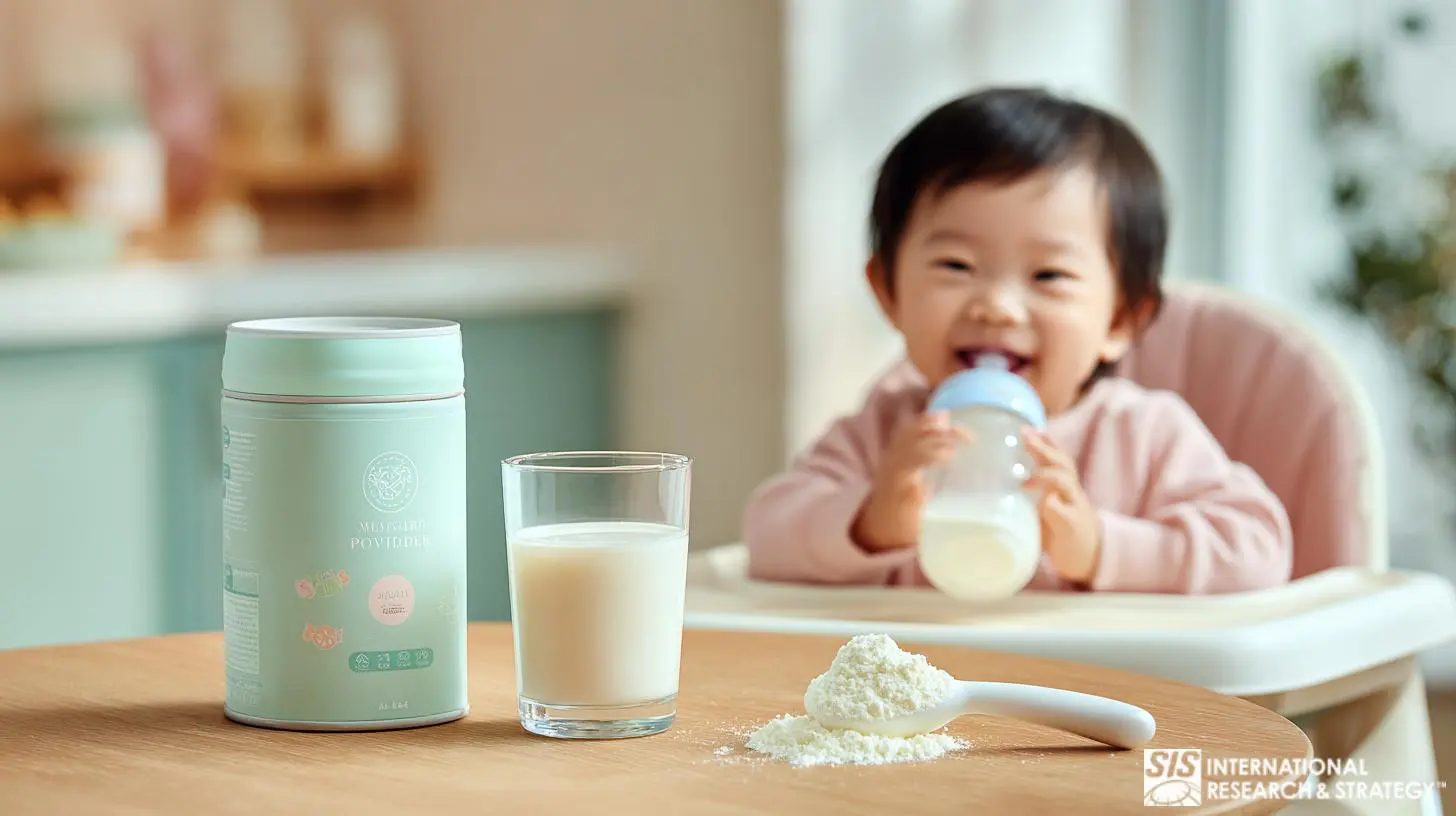
- 明智的产品开发: 市场研究提供了有关消费者需求和偏好的重要见解,指导了解决特定痛点(例如皮肤敏感性、环境影响或易用性)的产品开发。
- 增强的营销策略: 通过洞察消费者行为、购买驱动因素和媒体消费习惯,企业可以更精准地定制营销工作,确保信息引起目标受众的共鸣并带来更高的投资回报。
- 降低风险: 通过提供市场趋势、消费者需求和潜在挑战的清晰图景,市场研究可帮助企业最大限度地降低与新产品发布、市场进入或重大战略转变相关的风险。
- 未来趋势预测: 婴儿尿布产品市场研究可帮助企业预测未来趋势。这种预见性对于保持领先于行业变化、新兴消费者需求和技术进步、确保长期相关性和增长至关重要。
- 全球扩张洞察: 对于寻求国际扩张的企业,市场研究可以提供有关区域消费者偏好、文化差异和监管考虑的重要见解,有助于成功进入新市场。
Baby diaper product market research should be integrated into the business strategy at various product lifecycle stages. So, recognizing the critical moments to invest in market research can significantly amplify its benefits, guiding product innovation, market-entry, and competitive strategy with timely, data-driven insights.
- 产品前期开发: 在开发新尿布产品之前进行婴儿尿布产品市场研究可以发现当前市场产品的空白,并确定尚未满足的特定消费者需求。这种基础洞察可确保产品开发工作与市场需求保持一致,从而最大限度地提高成功的可能性。
- 进入或扩展市场之前: 在进入新地理市场或在现有市场内扩张之前,市场研究可以全面了解当地消费者的偏好、竞争格局和监管环境。这些情报对于根据当地情况定制产品和营销策略至关重要,可以降低代价高昂的失误风险。
- 产品迭代期间: 在考虑更新或迭代现有产品时,婴儿尿布产品市场研究具有无价的价值。现有用户的反馈、市场趋势分析和竞争动向可以为产品改进提供参考,确保品牌保持竞争力并继续满足不断变化的消费者期望。
- 为战略决策提供信息: 通过市场调研获得的见解对战略决策(例如价格调整、品牌变更或新功能推出)大有裨益。了解市场可能如何接受这些变化可以指导更有效的决策。
为了使婴儿尿布产品市场研究真正有效并产生可操作的见解,必须仔细观察几个关键的成功因素。这些因素确保研究过程全面、可靠且量身定制,为企业带来战略价值。以下是这些基本要素的概述,然后对每个要素进行了详细探讨:
- 明确目标: Define specific, measurable objectives for the market research to ensure that the process is focused and relevant. Clear goals guide the research methodology and analysis, whether it’s understanding consumer preferences, evaluating market size, or assessing competitive positioning.
- 全面的数据收集: Employ qualitative and 定量研究 methods to gather a broad spectrum of insights. Surveys, focus groups, and sales data analysis can provide a well-rounded view of consumer behaviors, preferences, and trends.
- 分割分析: 认识到婴儿尿布市场并不单一。根据人口统计、行为或需求细分市场可以带来更有针对性的见解和策略,从而更有效地迎合特定消费者群体。
- 竞争情报: 除了消费者研究之外,深入了解竞争格局也至关重要。了解主要参与者的策略、优势和劣势可以发现差异化和创新的机会。
- 趋势预测: 将前瞻性分析纳入研究,领先于行业趋势。识别消费者偏好、技术和可持续性方面的新兴趋势可以使企业成为市场领导者。
- 监管和环境考虑因素: 鉴于人们越来越关注可持续性和健康,了解监管环境和消费者对环境问题的态度至关重要。这种意识可以指导产品开发和营销信息。
- 切实可行的见解: 确保将研究结果转化为可行的商业战略。市场研究为决策和战略规划提供信息,因此洞察应该切实可行,并直接适用于业务目标。
- 持续监测和调整: 婴儿尿布行业的市场调研不应被视为一次性活动,而应视为一个持续的过程。持续监测市场和消费者行为可让企业实时调整战略,保持相关性和竞争力。
婴儿纸尿裤产品市场的格局由少数几个主导品牌决定,这些品牌通过持续创新、战略营销和对消费者需求的深入了解,成功占领了相当大的市场份额。以下是一些主要参与者,他们的战略和产品供应为市场动态提供了宝贵的见解。
- 宝洁(帮宝适): 帮宝适是全球婴儿纸尿裤市场最知名的品牌之一。帮宝适以持续的产品创新和对婴儿护理的广泛研究而闻名,在许多国家建立了强大的业务。它提供一系列适合婴儿发育阶段的纸尿裤和相关产品。
- 金佰利(好奇): 婴儿护理行业的另一个领先品牌是金佰利旗下的好奇。好奇通过专注于舒适性、防漏性和皮肤健康赢得了忠实的客户群。该品牌提供各种类型的尿布,包括专门针对新生儿的产品和游泳尿布,以满足不同的消费者需求。
- 尤妮佳: 作为亚洲的主要企业,尤妮佳凭借其产品创新和强大的营销策略在婴儿尿布领域取得了显着增长。该公司的产品包括一系列高品质、吸水性强的尿布,旨在为婴儿提供最大的舒适度和皮肤保护。
At SIS, we recognize the critical importance of nuanced, actionable market research in the highly competitive baby diaper product sector. Our methodology is tailored to uncover deep market insights, consumer trends, and competitive dynamics, enabling our clients to make informed strategic decisions, innovate effectively, and achieve sustainable growth.

- 定制研究设计: 我们首先与客户密切合作,了解他们的具体挑战、目标和问题。这种了解使我们能够设计出一项精确满足他们需求的研究,无论是探索新的市场机会、评估消费者偏好还是分析竞争策略。
- 多样化的数据收集技术: 采用定性和定量数据收集方法,包括调查、焦点小组、访谈和销售数据分析,使我们能够获得全面的见解。这种整体方法确保全面了解市场,从广泛的趋势到细微的消费者行为。
- 高级分析工具: 利用最新的数据分析和统计方法,我们分析收集的数据以发现模式、趋势和见解。这种严格的分析构成了我们战略建议的基础,确保这些建议以数据为依据且切实可行。
- 竞争情报收集: 我们方法的一个关键部分是深入分析竞争格局。我们确定关键参与者及其战略、优势和劣势,为客户提供实现竞争优势所需的情报。
- 消费者洞察和细分: 了解最终用户是我们研究的核心。我们深入研究消费者的偏好、购买行为和忠诚度驱动因素,细分市场,以有效地针对特定消费者群体制定策略。
- 创新与趋势洞察: 通过密切关注新兴趋势、技术进步和消费者期望的变化,我们可以为客户提供未来增长领域的建议。这种前瞻性的视角对于在快速发展的市场中保持领先地位至关重要。
- 可行的建议: 我们的研究成果是一系列战略性、可操作性建议,旨在指导产品开发、营销策略和整体业务战略。这些建议旨在帮助我们的客户实现其特定的业务目标。
- 持续的支持和咨询: 我们认识到市场和消费者偏好在不断发展,因此我们为客户提供持续的支持和咨询,帮助他们根据新的见解和市场发展调整战略。
我们的纽约工厂地址
纽约州纽约市东22街11号2楼 10010 电话:+1(212) 505-6805
关于 SIS 国际
SIS 国际 提供定量、定性和战略研究。我们提供决策所需的数据、工具、战略、报告和见解。我们还进行访谈、调查、焦点小组和其他市场研究方法和途径。 联系我们 为您的下一个市场研究项目提供帮助。

 ZH
ZH  EN
EN  AR
AR  ZH_HK
ZH_HK  NL
NL  FR
FR  DE
DE  IT
IT  JA
JA  KO
KO  PL
PL  PT
PT  ES
ES