
ポーランドの市場調査
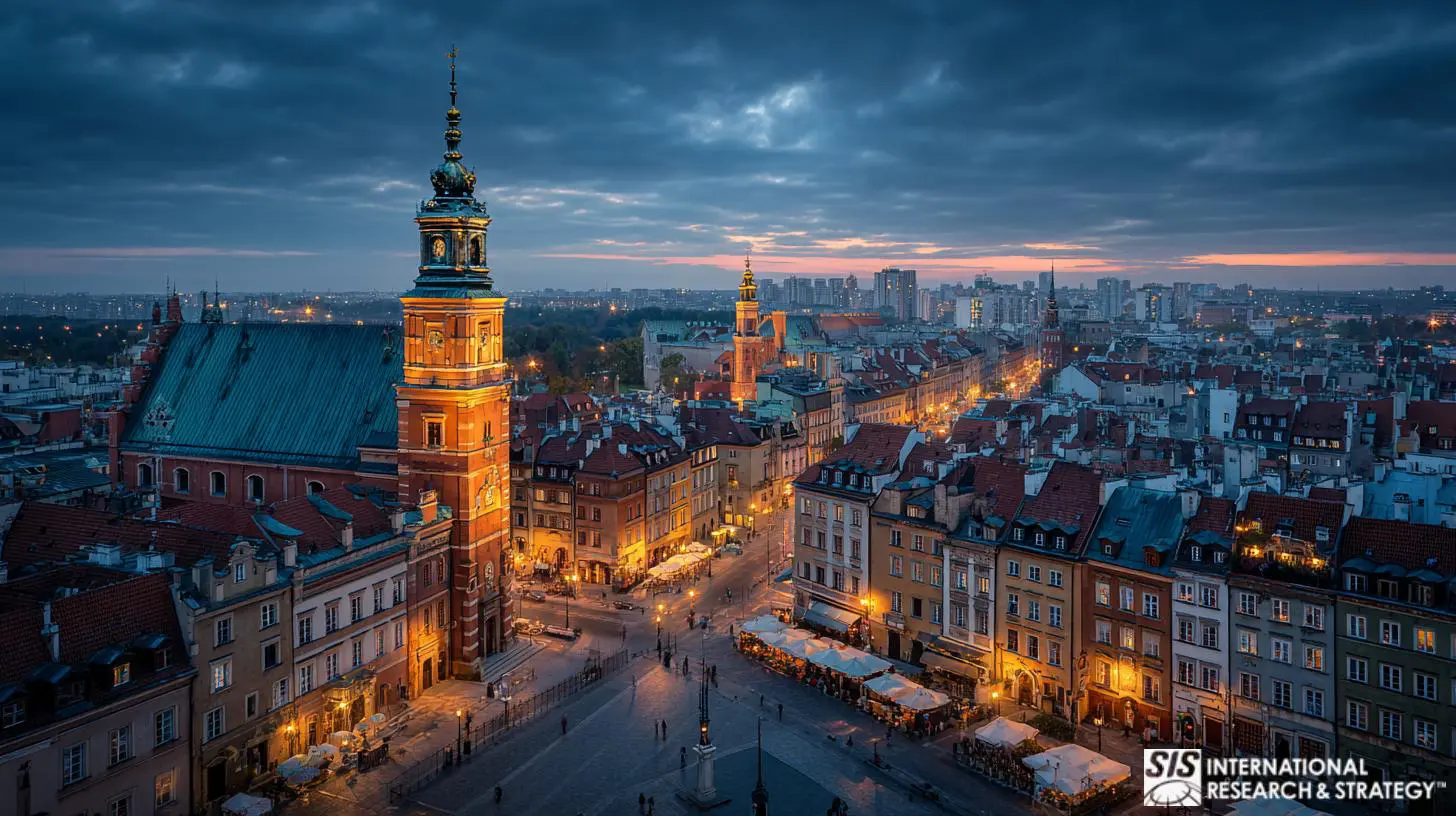
ポーランドは、中央ヨーロッパの戦略的な位置と成長を続ける経済により、潜在力とビジネスチャンスに満ちた魅力的な市場を提供しています。そのため、消費者が独自の行動と好みを示すこの活気ある市場を理解したい企業にとって、ポーランドでの市場調査を行うことは不可欠です。
ポーランドでの市場調査がビジネス戦略にとってどれほど重要であるか考えたことはありますか? ポーランドでの市場調査の複雑さを理解することは、成功するために最も重要です。この中欧の強国は、賢明な起業家や多国籍企業が探求したいダイナミックな機会の領域を提供しています。
ポーランドにおける市場調査とは何ですか?
ポーランドの市場調査では、国の経済状況、消費者行動、業界の動向、競争力を分析します。このプロセスは、ポーランド市場に参入または拡大する企業にとって不可欠であり、ポーランドにおける市場調査の主な目的は次のとおりです。
- 消費者行動を理解するポーランドの消費者の好み、購買パターン、製品やサービスに対する態度を調査します。
- 市場潜在力の評価ポーランド内の特定の市場セグメントの規模、成長率、収益性を推定します。
- 競争の分析競争環境を評価し、主要プレーヤーを特定し、その戦略と市場シェアを評価します。
ポーランドでの市場調査が重要な理由は何ですか?

ポーランドの経済は欧州連合で 6 番目に大きく、ヨーロッパで最も急速に成長している経済の 1 つです。この成長は 1990 年代の経済自由化プログラムに続くもので、ポーランドは今日享受している高所得経済を獲得しました。ポーランド経済の成長におけるもう 1 つの重要な要因は、民間ビジネス部門の発展です。ポーランド政府は、新しい企業を設立するための自由主義的な法律を採用し、中小の国営企業を民営化することで、この発展を積極的に奨励しました。
この国で熱心な市場調査を実施することで得られる主なメリットは次のとおりです。
• 戦略的意思決定のサポート: 市場調査から得られた洞察により、企業は市場参入、製品開発、マーケティング戦略など、情報に基づいた戦略的な意思決定を行うことができ、市場での成功の可能性が高まります。
• 消費者行動の理解: ポーランドの消費者心理を深く理解することは非常に重要です。ポーランドの市場調査は、消費者層の購買習慣、好み、期待を理解するのに役立ちます。企業が自社の製品を効果的に調整できるようにします。
• 市場動向の特定: ポーランド市場はダイナミックで、トレンドや消費者の嗜好は常に変化しています。企業は、競合他社よりも先に新たな市場トレンドを特定し、それを活用して、常に先手を打つことができます。
• 競合状況分析: 市場の主要プレーヤーとその事業運営方法を理解することは、非常に貴重な情報です。これにより、企業は競合他社を評価することができ、独自の価値提案や戦略的優位性を開発するために使用できる洞察が得られます。
• リスク軽減: ポーランドにおける市場調査は、潜在的なリスクや市場の課題を事前に特定するのに役立ちます。これにより、企業はこれらのリスクを軽減する戦略を策定し、より円滑で予測可能な市場運営を実現できます。.
ポーランドで市場調査を実施する時期はいつですか?
ポーランドで市場調査を実施する適切なタイミングを知ることは、その有効性とビジネス目標への関連性を最大限に高めるために重要です。企業が市場調査の実施を検討すべき主なシナリオは次のとおりです。
- 市場参入または拡大: ポーランド市場に参入したり、既存の事業を拡大したりする前に、企業は包括的な市場調査を実施する必要があります。これにより、市場の可能性を評価し、消費者の好みを理解し、競争の動向を特定することができます。
- 新製品発売: ポーランドで新製品や新サービスを発売する前に、市場調査が不可欠です。これには、市場の需要、価格感度、消費者のフィードバックを評価して発売戦略を最適化することが含まれます。
- 競合他社の分析: 競争が激化しているときや、競争の激しい市場セグメントへの参入を計画しているときは、企業は市場調査を通じて競合他社の分析を行う必要があります。これにより、競争上の強みと弱みを特定できます。
- 規制の変更規制の変更がポーランドのビジネス環境に影響を与える場合、市場調査を実施することで、その影響を評価し、それに応じて戦略を調整するのに役立ちます。
- 顧客からのフィードバックと満足度市場調査を通じて定期的に顧客のフィードバックを収集することで、企業は顧客満足度を理解し、改善すべき領域を特定し、顧客維持戦略を強化することができます。
現在の市場レビューと推奨事項

ポーランドの経済は引き続き回復力を示しており、テクノロジー、電子商取引、再生可能エネルギーなどの主要セクターは大幅な成長を遂げていると考えています。消費者の嗜好は持続可能な製品やデジタルソリューションへと変化しており、革新的なビジネスにチャンスをもたらしています。
同様に、ポーランド市場の将来見通しも、堅調な国内需要、戦略的な地理的位置、外国投資を支援する政府の取り組みにより、引き続き明るい見通しが続いています。欧州市場との継続的な統合と技術の進歩が、市場の展望を形成するでしょう。
ポーランドは、製造、IT サービス、ヘルスケアなど、さまざまな分野で魅力的な投資収益率 (ROI) の見通しも提供しています。ニッチな機会を特定するために市場調査を活用する企業は、好ましい ROI を期待できます。
これらの洞察を踏まえて、ポーランドに進出または拡大する企業に対する当社の推奨事項は次のとおりです。
- 市場参入戦略策定徹底した市場調査に基づいて市場参入戦略をカスタマイズし、新たな機会を活用します。
- 製品のローカリゼーション: 市場での受け入れを高めるために、製品やサービスを現地の好みや規制要件に合わせて調整します。
- パートナーシップ開発市場浸透を促進し、リスクを軽減するために、現地の企業や販売代理店との戦略的パートナーシップを検討します。
- 顧客中心のアプローチ: 市場の洞察を活用して製品の位置付けと顧客エンゲージメント戦略を強化し、顧客中心のアプローチを優先します。
SISインターナショナルのポーランド市場調査から期待される結果
SIS International は、ポーランドでビジネスチャンスを模索する企業の独自のニーズを満たすようにカスタマイズされた包括的な市場調査サービスを提供しています。当社の専門知識を活用することで、お客様は次のような成果を期待できます。
実用的な洞察:
当社の市場調査は、ポーランドにおける戦略的意思決定、製品開発、市場参入戦略を導く実用的な洞察を提供します。
リスク軽減:
徹底した分析と競合情報を通じて、当社は企業が潜在的な市場参入または拡大のリスクを特定し、軽減できるよう支援します。
市場理解の強化:
ポーランドの消費者、市場の動向、規制環境を深く理解し、事業運営とマーケティング戦略を最適化します。
ROIの向上:
当社の研究主導のアプローチにより、企業はポーランド市場でリソースを効果的に配分し、コストを最小限に抑え、ROIを最大化することができます。
競争上の優位性:
当社の市場情報を活用して、未開拓の市場セグメント、消費者の嗜好、成長機会を特定し、競争上の優位性を獲得します。
戦略的推奨事項:
ポーランドにおけるビジネス目標、市場でのポジショニング、成長目標に合わせた実用的な推奨事項を活用してください。
ポーランドの主な観光名所は何ですか?

ポーランドの観光業は着実に成長しており、歴史的名所、活気ある都市、そして素晴らしい自然の美しさに魅了される観光客が訪れています。ポーランドの観光部門における市場調査により、旅行者の好み、観光のピークシーズン、ホスピタリティ業界への投資の可能性のある分野についての洞察を得ることができます。ポーランドの主な観光名所は次のとおりです。
• クラクフ: 中世の中心部とユダヤ人街がよく保存されているクラクフは、ポーランドで最も人気のある観光地の 1 つです。観光業界の企業にとって、ポーランドでクラクフに焦点を当てた市場調査を実施することで、この歴史ある都市での観光客の活動や好みに関する貴重なデータが得られます。
• グダニスク: バルト海沿岸のこの港湾都市は、豊かな海事の歴史とユニークな建築様式を誇ります。グダニスクに焦点を当てた市場調査により、国内外の観光客にとってこの都市が持つ魅力についての洞察が得られます。
• アウシュビッツ・ビルケナウ: アウシュビッツは重要な歴史的遺跡として、毎年何百万人もの観光客を魅了しています。ポーランドでの市場調査は、旅行や教育などの分野の企業に有益な情報を提供します。
- タトラ山脈アウトドア愛好家に最適なタトラ山脈は、息を呑むような景色、ハイキングコース、スキーや登山の機会を提供します。
- マルボルク城マルボルク城は、面積で世界最大の城であり、ドイツ騎士団によって建てられた中世の要塞で、現在はユネスコの世界遺産に登録されています。
- ヴロツワフ市場広場ヴロツワフの活気あるマーケット広場には、絵のように美しいタウンハウス、ゴシック建築、象徴的なヴロツワフ市庁舎が並んでいます。
貿易と輸送チャネルの拡大
ポーランドの輸出品は、肉、果物、野菜、乳製品、自動車などです。主な輸出相手国は、イタリア、ドイツ、イギリス、フランス、チェコ共和国です。
クラクフ、ワルシャワ、ヴィルノ、ポズナン、ルヴフは現在、国際的に評価の高い大学やその他の高等教育機関があることで知られるヨーロッパの主要都市です。重工業工場はオストロヴィエツ・シフィエントクシスキ、チェンストホヴァ、クザヌフ、スタロヴァ・ヴォラ、トシェビニア、ヤヴォルズノ、ウッチにあります。.
ポーランドには、ダルウォボ港、エルブロンク港、グダンスク港、ポルノツニー港など 12 の港があります。さらに、ルブリン空港、ワルシャワ モドリン空港、シュチェチン ゴレニュフ「連帯」空港など、商業旅行にも対応している空港もあります。
ポーランドの主要産業
ポーランドは、成長と革新を推進するいくつかの主要産業を擁する、多様で活気のある経済を誇っています。これらの産業を理解することは、ポーランド市場への参入や拡大を検討している企業にとって不可欠です。主な産業は次のとおりです。
1. 自動車: ポーランドは自動車製造の中心地であり、世界有数の自動車メーカーやサプライヤーが国内で事業を展開しています。自動車業界は熟練した労働力、競争力のあるコスト、欧州市場における戦略的な立地などの恩恵を受けています。
2. 情報技術(IT)とソフトウェア開発ポーランドの IT 部門は、優秀な人材、好ましいビジネス環境、デジタル ソリューションに対する需要の高まりに支えられ、急速に拡大しています。ポーランドは、ソフトウェア開発、IT アウトソーシング、革新的なスタートアップ企業で知られています。
3. 製造業: 製造業は、機械、電子機器、化学薬品、食品加工など、ポーランド経済の基盤です。この産業は、熟練した労働力、インフラ、欧州市場へのアクセスの恩恵を受けています。
4. 再生可能エネルギーポーランドは、政府の奨励策と環境目標に後押しされ、再生可能エネルギー源への移行を進めています。風力、太陽光、バイオマスエネルギープロジェクトは、この分野への投資機会をもたらします。
5. 小売・消費財ポーランドの小売業は、大規模な消費者市場と購買力の増大に支えられ、堅調です。電子商取引は急速な成長を遂げており、オンライン小売業者や物流業者にチャンスを提供しています。
6. ヘルスケアとライフサイエンスポーランドのヘルスケア部門は、医療技術、医薬品、ヘルスケア サービスへの投資により拡大しています。人口の高齢化と医療費の増加により、この部門の需要が高まっています。
7. 観光とホスピタリティポーランドは、豊かな歴史、文化遺産、自然景観で多くの観光客を魅了しています。観光産業には、ホスピタリティ サービス、レジャー活動、インフラ開発が含まれます。
ポーランドで最も成長している分野
ポーランドの進化する市場には、魅力的なビジネス チャンスを提供する急成長分野がいくつかあります。最も急成長している分野をいくつか紹介します。
- 電子商取引: ポーランドの電子商取引部門は、インターネットの普及率の上昇、消費者の習慣の変化、活気あるスタートアップ エコシステムの推進により、著しい成長を遂げています。オンライン小売プラットフォーム、デジタル決済ソリューション、物流サービスが盛んです。
- ITサービスとソフトウェア開発ポーランドは、IT アウトソーシングとソフトウェア開発の拠点として認識されています。サイバーセキュリティ、クラウド コンピューティング、モバイル アプリ開発などの IT サービスの需要は増加し続けています。
- 再生可能エネルギー: 持続可能な開発と炭素排出量の削減に重点を置いて、ポーランドの再生可能エネルギー部門は急速に拡大しています。風力、太陽光、バイオマスエネルギープロジェクトへの投資は成長の機会を提供します。
- ヘルスケアテクノロジー(ヘルステック)ポーランドではデジタルヘルスソリューションの導入が増加しています。遠隔医療、デジタル健康記録、医療機器を提供するヘルステックの新興企業が注目を集めています。
- 食品配達およびコンビニエンスサービス消費者のライフスタイルや嗜好の変化により、フードデリバリーサービスやコンビニエンスストアが成長しています。クイックサービスレストランや食事デリバリープラットフォームが盛んになっています。
- 教育テクノロジー(Edtech)教育分野では、テクノロジーを活用した学習ソリューションが採用されています。オンライン コース、e ラーニング プラットフォーム、教育アプリを提供する Edtech 企業が増えています。
市場の成長と発展
企業が労働力と新たな消費者市場の活用を模索する中で、ポーランドへの西側諸国の投資が急速に増加したことで、ポーランドの様相と経済に大きな変化が生じた。
ポーランドは、戦略的な地理的位置、州の税制優遇措置と政府の支援、発展途上国における存在感、相手国との強力な関係など、他の強力な立場も持っています。
チャンス
ポーランドはビジネスチャンスの豊かな土壌を提供しています。ここでは、ポーランドでの市場調査によってさまざまな分野の潜在的な展望を明らかにできる重要な分野をいくつか紹介します。
• グリーンエネルギーイニシアチブ: ポーランドは再生可能エネルギーと持続可能なソリューションに投資しています。ポーランドの市場調査は、企業がグリーン エネルギー分野での機会を特定し、規制遵守を理解し、再生可能エネルギー プロジェクトに対する政府のインセンティブや補助金を活用する上で役立ちます。
• テクノロジーとイノベーション: ポーランドのテクノロジー部門 インドは急成長を遂げており、特にIT、ソフトウェア開発、テクノロジー系スタートアップ企業に力を入れています。市場調査を実施することで、国内のテクノロジー系人材プール、投資機会、革新的なスタートアップ企業とのコラボレーションの可能性について貴重な洞察を得ることができます。
• 健康とウェルネス業界: ポーランドの消費者は健康とウェルネスに対する意識が高まっており、 医薬品、ヘルスケアサービス、フィットネス、ウェルネス分野で豊富な機会があります。
• 食品・飲料部門: ポーランドには活気のある食品・飲料市場があり、新製品の発売、レストラン、食品加工事業のチャンスがあります。市場調査を実施することで、消費者の食品の好み、人気の料理、食品・飲料業界の新たなトレンドについての洞察を得ることができます。
課題
ポーランド市場は利益率が高いものの、ポーランドで市場調査を実施するには、企業が成功するためには認識し、効率的に対処しなければならない特有の課題があります。
• 言葉の壁: 主に話されている言語はポーランド語です。多くの専門家が英語を話しますが、適切な市場調査を行うには言語が障壁となる場合があります。ポーランド語のニュアンスと微妙なニュアンスを理解することは、正確なデータ収集と解釈を確実に行うために不可欠です。
• データプライバシー規制: ポーランドには、欧州連合の GDPR に準拠した厳格なデータ保護法があります。ポーランドで市場調査を実施する場合、法的影響を回避し、消費者のプライバシーを保護するために、これらの規制を理解し遵守することは不可欠です。
• デジタルデバイド: ポーランドの都市部はインターネットが発達しており、デジタルに精通していますが、農村部ではインターネットの普及率やデジタル リテラシーが同レベルではない可能性があります。この格差により、オンライン市場調査は困難になり、オンラインとオフラインの調査方法を組み合わせる必要があります。
• 文化的感受性: ポーランドの消費者は、独特の文化的視点と価値観を持っています。ポーランドでの市場調査では、調査ツールと質問が適切かつ敬意を持って行われ、データの誤解を避けるために、これらの文化的側面に配慮することが不可欠です。
• 経済の地域格差:大きな経済格差が存在する ポーランドのさまざまな地域間では、消費者の購買力や経済活動が地域によって異なるため、こうした格差を理解することは不可欠です。
ポーランドの市場調査と今後の展望
ポーランドの経済と消費者市場は成長と変革の軌道に乗っており、ポーランドの市場調査の将来はこれらのダイナミックな変化を反映すると予想されます。
• 消費者中心のアプローチ: ポーランドの将来の市場展望 非常に消費者主導型になります。ポーランドの市場調査では、消費者中心のアプローチを採用し、消費者のニーズ、嗜好、行動をより深く掘り下げて、パーソナライズされた製品やサービスを提供することがますます必要になります。
• Eコマースの拡大: 電子商取引が飛躍的に成長すると予想される中、市場調査は、企業がオンライン小売の動向、消費者のオンライン購入行動、効果的なデジタル マーケティング戦略を理解する上で重要な役割を果たすことになります。
• 研究開発への投資の増加: ポーランド政府と民間部門は研究開発に投資し、革新的で競争力のある市場環境を作り出しています。ポーランドでの市場調査は、企業が競争で優位に立ち、新しい機会を見つけ、新たな業界動向を理解するために不可欠です。
• AIとビッグデータ分析: AI とビッグデータはより普及するでしょう。これらのテクノロジーは企業に深い洞察とより正確な予測をもたらし、より優れた意思決定と戦略策定を促進します。
業界の魅力: ポーランド市場の SWOT 分析
SWOT (強み、弱み、機会、脅威) 分析を実施することで、ポーランド市場の全体的な魅力と競争力に関する貴重な洞察が得られます。
強み:
- 力強い経済成長ポーランドは、国内需要、EU からの資金援助、戦略的な地理的条件に牽引されて持続的な経済成長を遂げてきました。
- 熟練した労働力ポーランドは、特にテクノロジー、エンジニアリング、製造部門において、高度な教育を受けた熟練した労働力を誇っています。
- EU加盟EU市場へのアクセスと貿易協定により、企業は地域的に拡大することが可能になります。
- 成長するテクノロジー分野IT およびイノベーション部門は活況を呈しており、投資を呼び込み、スタートアップ企業を育成しています。
弱点:
- 官僚的なプロセス複雑な規制やハードルは、特に新規参入企業にとって課題となる可能性があります。
- インフラのギャップ一部の地域では、交通、デジタル接続、エネルギーインフラの改善が必要です。
- スキル不足特定の業界では専門的な人材が不足しており、事業運営や成長に影響を及ぼしています。
チャンス:
- 電子商取引の成長電子商取引の急速な拡大により、オンライン小売、物流、デジタル サービスの機会が生まれます。
- 再生可能エネルギー投資再生可能エネルギープロジェクトに対する政府の支援により、風力、太陽光、バイオマス分野で機会が生まれます。
- ヘルスケアイノベーション人口の高齢化と医療の進歩により、医療技術とサービスの需要が高まっています。
- 輸出の可能性: 輸出志向の製造業は、欧州および世界市場へのアクセスから恩恵を受けます。
脅威:
- 政治的不確実性政府の政策や地政学的要因の変化は、ビジネスの安定性や規制環境に影響を及ぼす可能性があります。
- 市場競争特定の分野での激しい競争により、市場参入や収益性が損なわれる可能性があります。
- 外部経済要因世界的な経済変動と貿易摩擦はポーランドの経済とビジネス環境に影響を及ぼす可能性があります。
SISインターナショナルのサービスが企業にどのように役立つか
で SISインターナショナル当社の市場調査およびコンサルティング サービスは、ポーランド市場の複雑さを乗り越え、成長目標を達成できるよう企業をサポートするために設計されています。当社のサービスがお客様のビジネスにもたらすメリットは次のとおりです。
リスクを軽減:
戦略情報システム 市場動向、競争環境、規制上の考慮事項を特定し、企業が情報に基づいた意思決定を行い、リスクを軽減できるようにします。
収益の向上:
消費者の嗜好、市場のギャップ、競争上のポジショニングを理解することで、企業は製品の提供とマーケティング戦略を最適化し、収益の成長を促進することができます。
お金を節約:
効率的な市場調査は、企業がリソースを効果的に割り当て、コストのかかるミスを回避し、ポーランド市場における投資決定を最適化するのに役立ちます。
時間を節約する:
当社の専門知識と業界知識を活用することで、市場参入プロセスが加速し、企業はより迅速かつ効率的に機会を活用できるようになります。
成長とイノベーションを加速:
当社の市場調査から得られる洞察により、企業は革新を起こし、カスタマイズされたソリューションを開発し、進化する市場動向に合わせて戦略を適応させ、成長と競争力を高めることができます。
ROIの向上:
当社の研究主導のアプローチは、市場の需要とビジネス目標に沿った戦略的投資、市場参入戦略、運用上の意思決定を導くことで ROI を向上させます。
ニューヨークの施設所在地
11 E 22nd Street、2階、ニューヨーク、NY 10010 電話: +1(212) 505-6805
SISインターナショナルについて
SISインターナショナル 定量的、定性的、戦略的な調査を提供します。意思決定のためのデータ、ツール、戦略、レポート、洞察を提供します。また、インタビュー、アンケート、フォーカス グループ、その他の市場調査方法やアプローチも実施します。 お問い合わせ 次の市場調査プロジェクトにご利用ください。

 JA
JA  EN
EN  AR
AR  ZH
ZH  ZH_HK
ZH_HK  NL
NL  FR
FR  DE
DE  IT
IT  KO
KO  PL
PL  PT
PT  ES
ES