
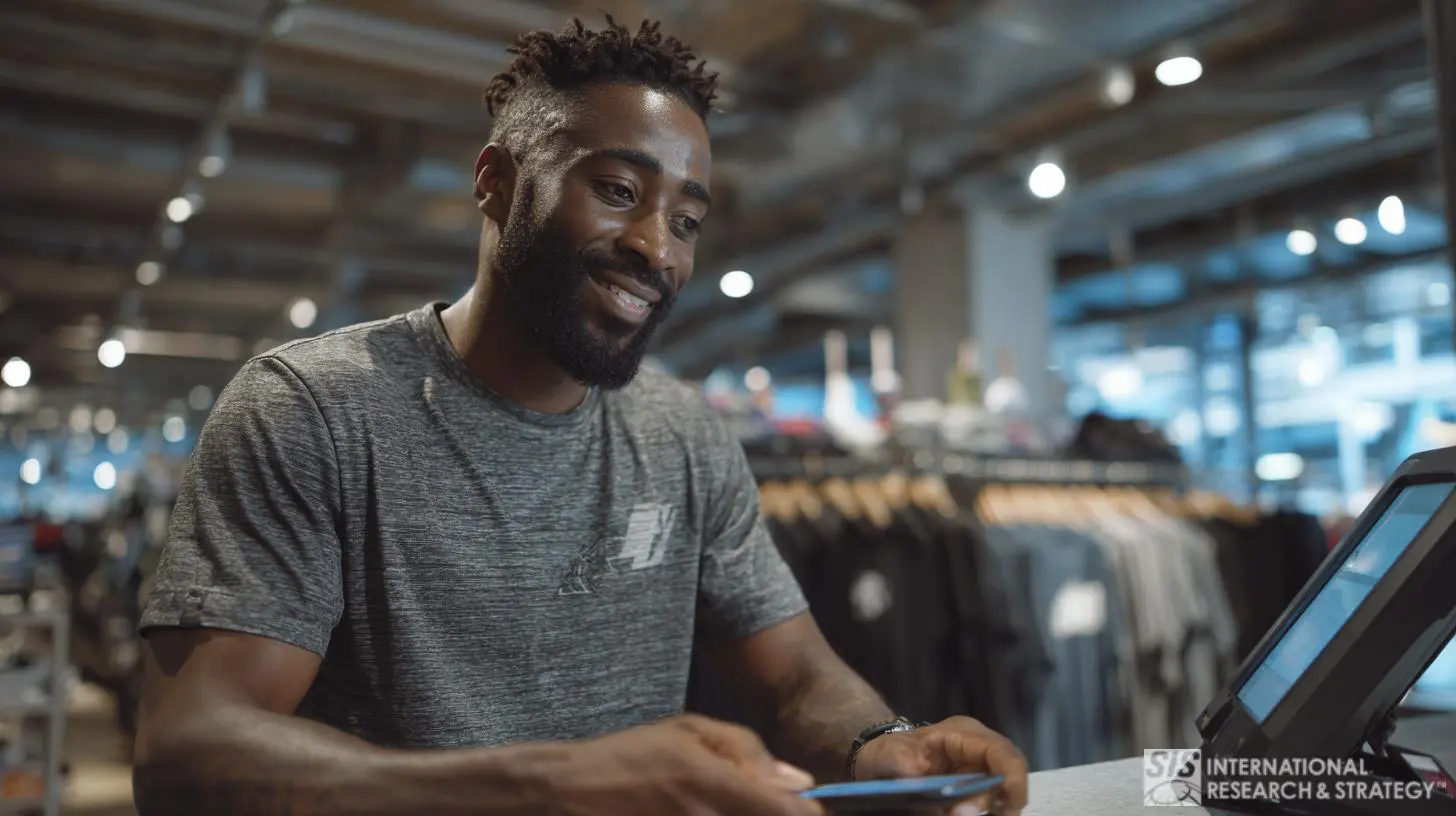
La technologie est depuis longtemps un moteur du secteur de la vente au détail. En facilitant les chaînes d'approvisionnement, en établissant des communications entre les succursales et en offrant du confort aux clients, la technologie a permis la croissance du secteur de la vente au détail pour en faire un commerce mondial de plusieurs milliards de dollars qu'il est aujourd'hui.
Technologie de gestion des stocks
Wal-Mart, le détaillant le plus important et le plus performant au monde, reconnaît ce fait et a souvent affirmé publiquement que la technologie faisait partie intégrante de son succès. Par exemple, les opérations quotidiennes de l’entreprise sont calibrées de manière optimale par la technologie numérique. Grâce à des systèmes informatisés de réapprovisionnement intelligents, les unités de gestion des stocks de Wal-Mart permettent d'économiser des dollars substantiels et d'éviter l'accumulation de marchandises stagnantes. De nombreux processus peuvent également être automatisés, ce qui permet de réduire les coûts opérationnels et d'augmenter la productivité des travailleurs. Parallèlement, les logiciels avancés d'analyse de la vente au détail donnent également à Wal-Mart un levier considérable lorsqu'il s'agit de négocier les coûts de gros avec ses fournisseurs.
Technologie de point de vente
Les coûts renégociés offrent à leur tour des opportunités d’augmenter les marges bénéficiaires, soit en maintenant les prix de détail, soit en faisant baisser les prix pour accroître la demande des consommateurs. Les logiciels de point de vente fournissent également des informations essentielles sur le comportement d'achat, notamment des données simples telles que les articles qui ont tendance à être achetés ensemble. Connaître ces informations permet de placer les articles de manière stratégique sur des allées ou des étagères spécifiques, améliorant ainsi le confort du client et facilitant considérablement les ventes.
Technologie de localisation et de géolocalisation
Pour les établissements physiques, l'informatique géolocalisée est une aubaine qui a été démontrée pour aider à attirer les clients sans rendez-vous dans les locaux d'un point de vente. Les restaurants et les magasins de marque privée font partie des meilleurs formats de vente au détail qui bénéficient de cette technologie. L'utilisation d'applications mobiles offre également différents avantages, allant de campagnes de branding agressives à une commodité maximale pour le client, comme en témoigne l'utilisation croissante des téléphones intelligents comme appareils de point de vente.
Technologie de paiement
Innovations in Mobile Payments and Mobile Wallets have allowed consumers to make purchases effortlessly. Mobile Payments also allow companies to collect payments more rapidly and receive more information about customers. Companies like Square allow entrepreneurs and small retail businesses to efficiently set up in-store and e-commerce stores.
Technologie intelligente
While certainly not at the extent Wal-Mart does, other retailers with less capitalization can still deploy smart technologies and reap their game-changing benefits. In addition to technologies that improve operational efficiency, some enhance branding, marketing, and other forward-facing aspects of the retail business. Mobile phones, tablets, and social media are now being intensively used by retailers to build brands, generate leads, manage consumer bases, and convert specially designed customer engagements into sales.
Technologie publicitaire
Les codes QR, les affichages numériques en magasin et les appareils informatiques portables transforment la façon dont les gens achètent différents biens de consommation. Certains magasins utilisent désormais un format de vente au détail hybride qui intègre la commodité du commerce électronique dans un environnement physique. Les clients peuvent inspecter personnellement la marchandise et acquérir des informations supplémentaires sur les produits dans des médias riches via des écrans tactiles ou des tablettes en magasin telles que des iPad. Les codes QR fournissent des données de conversion des ventes et permettent aux clients d'interagir avec votre marque.
Technologie omnicanal
Parallèlement, pour maintenir l'intérêt, l'information et l'envie d'acheter des consommateurs éloignés, les médias sociaux peuvent offrir une gamme croissante d'interactions client convaincantes. Des jeux qui récompensent les gagnants avec des prix significatifs aux pages de profil et aux vidéos qui présentent le riche héritage d'une marque, les médias sociaux encouragent les clients à interagir avec les marques de différentes manières. L'une des utilisations des médias sociaux concerne l'évolution des produits, dans laquelle les consommateurs sont obligés de participer en donnant leur avis, leurs plaintes, leurs suggestions et autres contributions qui pourraient être utilisées pour concevoir de nouveaux produits et processus ou pour améliorer ceux qui existent déjà.
Alors que de plus en plus de consommateurs acceptent que la technologie fasse partie intégrante de leur style de vie, les détaillants appliquent de plus en plus ces outils pour obtenir des avantages et des performances.
À propos de l’étude de marché sur les technologies de vente au détail
Étude de marché sur les technologies de vente au détail provides insight, data and strategies. Market Research uncovers insights on the behavior and attitudes of consumers and employees at the Point of Purchase and in-store. Different research methods can help you achieve your objectives:
- Ethnographie aide à identifier et à comprendre les comportements en magasin
- Groupes de discussion examiner les besoins non satisfaits du marché et les préférences des clients.
- Communautés en ligne inciter les clients à fournir des commentaires francs sur les nouveaux concepts
- Entretiens approfondis permettre aux clients de réfléchir en profondeur à leurs habitudes et de fournir des informations approfondies
- Co-création permet aux entreprises de concevoir avec leurs clients des expériences significatives
- Enquêtes mesurer l’étendue du comportement, la fidélité des clients et la volonté d’achat



 FR
FR  EN
EN  AR
AR  ZH
ZH  ZH_HK
ZH_HK  NL
NL  DE
DE  IT
IT  JA
JA  KO
KO  PL
PL  PT
PT  ES
ES