
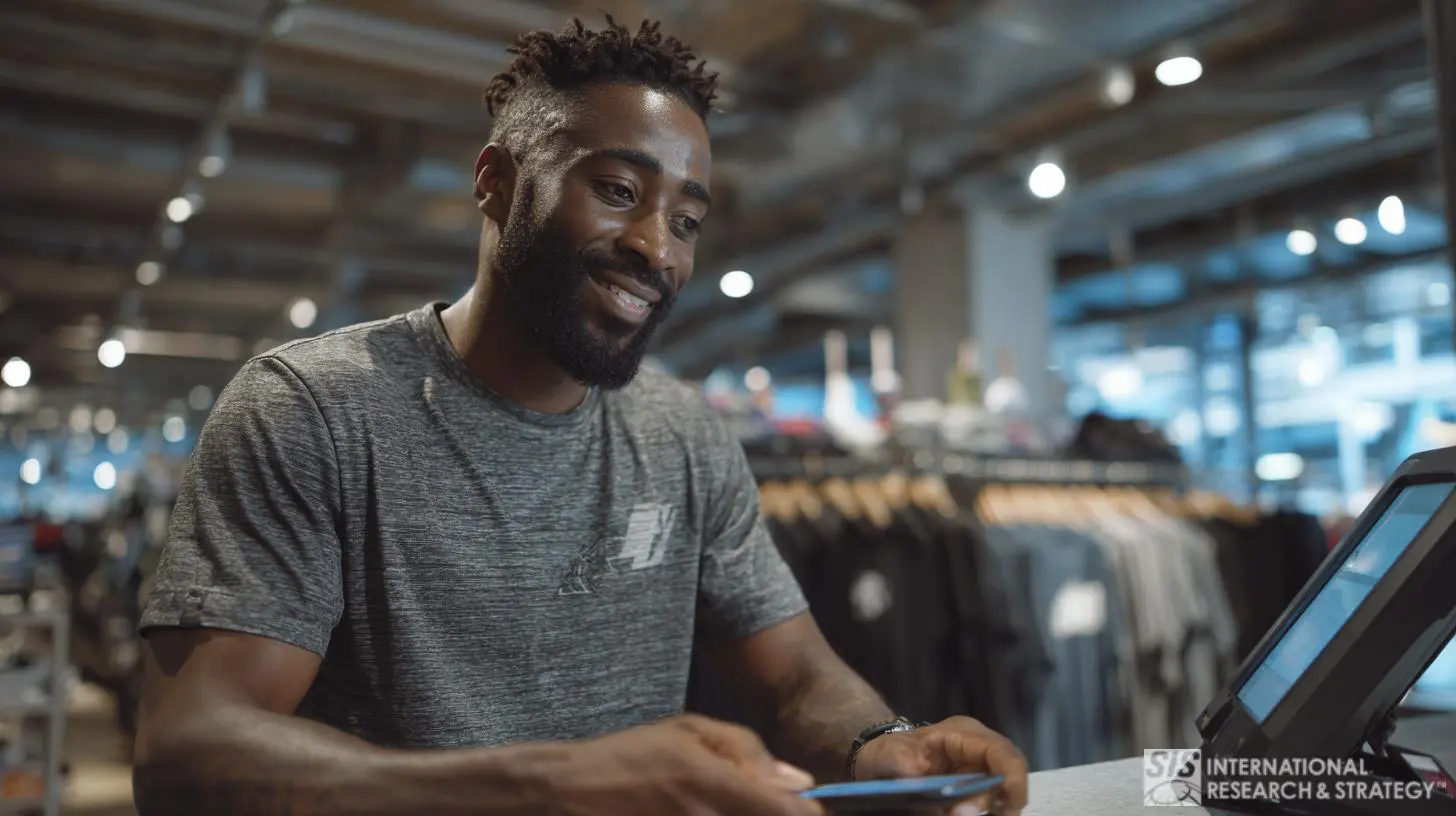
La tecnología ha sido durante mucho tiempo una fuerza impulsora en la industria minorista. Desde facilitar las cadenas de suministro, establecer comunicaciones entre sucursales y brindar comodidad al cliente, la tecnología impulsó el crecimiento del sector minorista hasta convertirlo en el negocio global multimillonario que es hoy.
Tecnología de gestión de inventario
Wal-Mart, el minorista más grande y de mejor desempeño del mundo, reconoce este hecho y a menudo ha publicitado su afirmación de que la tecnología es parte integral de su éxito. Por ejemplo, las operaciones diarias de la empresa están calibradas de manera óptima mediante tecnología digital. Utilizando sistemas computarizados de reabastecimiento inteligentes, las unidades de gestión de inventario de Wal-Mart ayudan a ahorrar dólares sustanciales y evitar la acumulación de mercancías estancadas. Muchos procesos también se pueden automatizar, lo que permite reducir los costos operativos y aumentar la productividad de los trabajadores. Mientras tanto, el software avanzado de análisis minorista también le da a Wal-Mart una ventaja considerable cuando se trata de negociar costos mayoristas con sus proveedores.
Tecnología de punto de venta
Los costos renegociados, a su vez, brindan oportunidades para aumentar los márgenes de ganancia, ya sea manteniendo los precios minoristas o bajando los precios para aumentar la demanda de los consumidores. El software de punto de venta también proporciona información crítica sobre el comportamiento de compra, incluidos datos simples como qué artículos tienden a comprarse juntos. Conocer dicha información permite ubicar artículos estratégicos en carriles o estantes específicos, lo que mejora la comodidad del cliente y ayuda significativamente a las ventas.
Tecnología de ubicación y geocercado
Para los establecimientos tradicionales, la informática basada en la ubicación es una bendición que se ha demostrado que ayuda a incitar a los clientes sin cita previa a ingresar a las instalaciones de un establecimiento minorista. Los restaurantes y las tiendas de marcas privadas son algunos de los mejores formatos minoristas que se benefician de esta tecnología. El uso de aplicaciones móviles también ofrece diferentes ventajas, que van desde agresivas campañas de marca hasta la máxima comodidad para el cliente, como lo demuestra el creciente uso de teléfonos inteligentes como dispositivos de punto de venta.
Tecnología de pago
Innovations in Mobile Payments and Mobile Wallets have allowed consumers to make purchases effortlessly. Mobile Payments also allow companies to collect payments more rapidly and receive more information about customers. Companies like Square allow entrepreneurs and small retail businesses to efficiently set up in-store and e-commerce stores.
Tecnología inteligente
While certainly not at the extent Wal-Mart does, other retailers with less capitalization can still deploy smart technologies and reap their game-changing benefits. In addition to technologies that improve operational efficiency, some enhance branding, marketing, and other forward-facing aspects of the retail business. Mobile phones, tablets, and social media are now being intensively used by retailers to build brands, generate leads, manage consumer bases, and convert specially designed customer engagements into sales.
Tecnología publicitaria
Los códigos QR, las pantallas digitales en las tiendas y los dispositivos informáticos portátiles están transformando la forma en que las personas compran diferentes bienes de consumo. Algunas tiendas ahora utilizan un formato minorista híbrido que integra la conveniencia del comercio electrónico en un entorno tradicional. Los clientes pueden inspeccionar personalmente la mercancía y adquirir información adicional sobre el producto en medios enriquecidos a través de pantallas táctiles o tabletas en la tienda, como iPads. Los códigos QR proporcionan datos de conversión de ventas y permiten a los clientes interactuar con su marca.
Tecnología omnicanal
Mientras tanto, para mantener a los consumidores lejanos interesados, informados y con ganas de comprar, las redes sociales pueden proporcionar una gama cada vez mayor de interacciones convincentes con los clientes. Desde juegos que recompensan a los ganadores con premios significativos hasta páginas de perfil y videos que muestran la rica herencia de una marca, las redes sociales alientan a los clientes a interactuar con las marcas de diferentes maneras. Un uso de las redes sociales es la evolución de productos, donde los consumidores se ven obligados a participar brindando comentarios, quejas, sugerencias y otros aportes que podrían usarse para diseñar nuevos productos y procesos o mejorar los existentes.
A medida que más y más consumidores permiten que la tecnología se convierta en parte integral de su estilo de vida, los minoristas aplican cada vez más esas herramientas para obtener ventajas y rendimiento.
Acerca de la investigación de mercado de tecnología minorista
Investigación de mercado de tecnología minorista provides insight, data and strategies. Market Research uncovers insights on the behavior and attitudes of consumers and employees at the Point of Purchase and in-store. Different research methods can help you achieve your objectives:
- Etnografía ayuda a identificar y comprender el comportamiento en la tienda
- Grupos de discusión examinar las necesidades insatisfechas del mercado y las preferencias de los clientes.
- Comunidades en línea inspirar a los clientes a brindar comentarios sinceros sobre nuevos conceptos
- Entrevistas en profundidad Permitir a los clientes pensar profundamente sobre sus hábitos y proporcionar información detallada.
- Co-Creación permite a las empresas diseñar con los clientes experiencias significativas
- Encuestas medir el alcance del comportamiento, la lealtad del cliente y la disposición a comprar



 ES
ES  EN
EN  AR
AR  ZH
ZH  ZH_HK
ZH_HK  NL
NL  FR
FR  DE
DE  IT
IT  JA
JA  KO
KO  PL
PL  PT
PT