
Conseil en entrée de marché en Chine

With comprehensive market entry consulting in China, businesses can mitigate risks, capitalize on growth opportunities, and establish a strong presence in one of the world’s fastest-growing economies.
Expanding into one of the world’s largest and most dynamic markets requires careful planning and expert guidance. That’s why market entry consulting in China provides businesses with the tools and insights needed to navigate the complexities of the Chinese market successfully. From understanding local regulations to adapting to consumer preferences, entering China requires a tailored approach that addresses the country’s unique economic and cultural environment.
What Is Market Entry Consulting in China?
Market entry consulting in China is a specialized service designed to help businesses successfully enter and navigate the complexities of the Chinese market. This type of consulting provides valuable insights into local consumer behavior, regulatory frameworks, and market dynamics.
By leveraging market entry consulting in China, businesses can identify the best market entry strategies, minimize risks, and position themselves for long-term success. The consulting services cover essential areas such as market research, partner selection, regulatory compliance, and cultural adaptation, ensuring that companies are well-prepared to thrive in one of the world’s most competitive and dynamic markets.
Pourquoi le conseil en entrée de marché en Chine est-il important ?
S’il y a une chose qui fait la renommée de la Chine à l’époque moderne, c’est l’accent mis sur l’optimisation de la main-d’œuvre. C’est pourquoi ils sont recherchés par de nombreux pays, notamment aux États-Unis, pour leur main-d’œuvre robuste et abordable. En outre, la Chine oriente sa main-d’œuvre vers la fabrication de produits électroniques. Voici quelques exemples significatifs :
- Équipement de diffusion
- Circuits intégrés
- Pièces de machines de bureau
- Téléphones
Ces produits sont essentiels au fonctionnement du monde moderne. Par exemple, les circuits intégrés se trouvent dans presque tous les ordinateurs. Nous n’aurions même pas Internet sans équipement de diffusion. La Chine est l’un des principaux fabricants sur la scène mondiale.
So… What Are the Benefits of Market Entry Consulting in China?
Partnering with experts in market entry consulting in China offers several key advantages for businesses looking to enter this dynamic market:
- Local Knowledge: Consultants possess deep expertise in the Chinese market, helping businesses understand local regulations, consumer preferences, and competitive landscapes.
- Planification stratégique: Market entry consulting in China can help businesses develop tailored entry strategies that align with local conditions, ensuring smooth market entry.
- Réduction de risque: Consultants assist in identifying and mitigating risks related to regulatory compliance, market competition, and operational challenges.
- Efficacité: By streamlining the market entry process, businesses can accelerate their growth in China, reducing the time it takes to establish operations.
- Adaptation culturelle: Understanding cultural nuances is crucial, and market entry consulting in China provides guidance on adapting products, marketing strategies, and business practices to local consumer expectations.
- Succès à long terme: Consulting services ensure businesses not only enter the market successfully but also establish sustainable growth strategies for long-term success in China.
Titres de poste clés
Certains emplois remarquables comprennent :
- Consultants en stratégie de marché
- Analystes d'études de marché
- Traducteurs
- Agents financiers
Steps in the Market Entry Process in China

The process of market entry consulting in China typically involves several key steps to ensure a successful and sustainable entry into the market. Each of these steps is crucial in helping businesses navigate the complexities of China’s business landscape:
- Étude de marché: Conducting detailed market research is the first step in understanding the Chinese market. It involves analyzing industry trends, consumer behavior, and competitive landscapes. Market entry consultants help businesses gather data to make informed decisions.
- Conformité réglementaire: Market entry consulting in China ensures that companies comply with local regulations, including business registration, tax laws, and industry-specific requirements.
- Sélection des partenaires: Consultants assist businesses in selecting distributors, suppliers, or joint venture partners who align with the company’s goals and values.
- Localization Strategies: To succeed in China, businesses must adapt their products, services, and marketing strategies to suit local tastes and preferences. Consultants guide businesses in localizing their offerings, ensuring they resonate with Chinese consumers.
- Business Setup and Operations: Establishing operations, whether through a representative office, joint venture, or wholly foreign-owned enterprise (WFOE), is a critical step. Market entry consulting in China helps businesses choose the right structure and set up operations efficiently.
Benefits of Partnering with a Market Entry Consultant in China
Partnering with experts in market entry consulting in China provides businesses with several strategic advantages when entering this complex market. Here are the key benefits:
- Expertise locale: Market entry consultants possess in-depth knowledge of China’s regulatory environment, consumer behavior, and industry trends. This expertise helps businesses avoid common pitfalls and make informed decisions.
- Access to Networks: Consultants have established networks with local partners, suppliers, and government officials. These relationships can be invaluable for businesses navigating regulatory approvals, distribution channels, and establishing operations.
- Stratégies sur mesure: Every business has unique goals and challenges. Market entry consulting in China provides customized strategies that align with a company’s specific objectives, whether they involve market expansion, product localization, or partnership development.
- Atténuation des risques: Entering the Chinese market can involve risks, from regulatory compliance to competitive threats. Market entry consultants help businesses identify and mitigate these risks, ensuring a smoother transition into the market.
- Efficacité opérationnelle: Consultants assist with critical processes such as setting up legal entities, securing permits, and managing supply chains. This support helps businesses get operational faster and more efficiently.
- Avantage compétitif: By leveraging local knowledge and insights, consultants help businesses position themselves more effectively against competitors, enhancing their chances of success in China.
- Long-term Support: Many consultants offer ongoing support beyond the initial market entry phase, ensuring that businesses continue to thrive and adapt to changing market conditions.
Facteurs clés de succès

Il n’y a aucune raison de ne pas utiliser les outils à votre disposition. La Chine a l’une des histoires commerciales les plus anciennes de tous les pays. Beaucoup de gens l’ont étudié en profondeur. Ainsi, une multitude de données et d’informations existent déjà, que vous pouvez extraire en les parcourant. Alors, économisez de l’argent, du temps et de l’énergie. Laissez votre entreprise utiliser les recherches des autres pour voir comment des stratégies spécifiques fonctionneraient. Il ne faut cependant pas devenir dépendant des données existantes. Bien qu’utiles, ces données peuvent être particulières à une situation particulière. Parfois, c’est même dépassé. Ce ne serait donc pas le meilleur pour orienter vos décisions. Votre objectif est d’abord de mettre en place votre recherche. Il serait alors judicieux de travailler avec les données propres à votre entreprise.
Opportunités en Chine
The Chinese market offers vast opportunities across various sectors, from technology and manufacturing to retail and tourism. Through market entry consulting in China, businesses can identify and seize these opportunities by leveraging expert insights and local knowledge. Here are some of the most promising sectors:
- Technologie et innovation: China is a global leader in technology and innovation, offering businesses opportunities to enter sectors like AI, robotics, and e-commerce.
- Biens de vente au détail et de consommation: The retail sector presents significant opportunities, with a growing middle class and increasing consumer demand.
- Energie verte et développement durable: China’s commitment to reducing its carbon footprint opens opportunities for businesses in the renewable energy and environmental sectors.
- Le tourisme et l'hospitalité: As domestic and international tourism continue to grow, businesses in the travel and hospitality sectors can benefit from market entry consulting in China to create tailored offerings for Chinese and global tourists.
Key Challenges of Entering the Chinese Market
Businesses face several challenges when entering the Chinese market, including strict regulations, a competitive landscape, and rapidly changing consumer preferences. Market entry consulting in China addresses these challenges by offering insights into regulatory frameworks, consumer behavior, and competitive positioning. Navigating the complexity of China’s regulatory environment can be daunting for foreign businesses, but consultants help identify legal requirements and compliance issues that are critical for market entry.
The competitive landscape in China is also intense, with both local and international players vying for market share. Market entry consulting in China provides businesses with strategies to differentiate their products and services while staying agile in an ever-changing market. Additionally, understanding and adapting to the fast-evolving preferences of Chinese consumers is key to business success, and market entry consultants ensure that businesses stay informed about local trends and consumer expectations.
How SIS International Helps Businesses Enter the Chinese Market
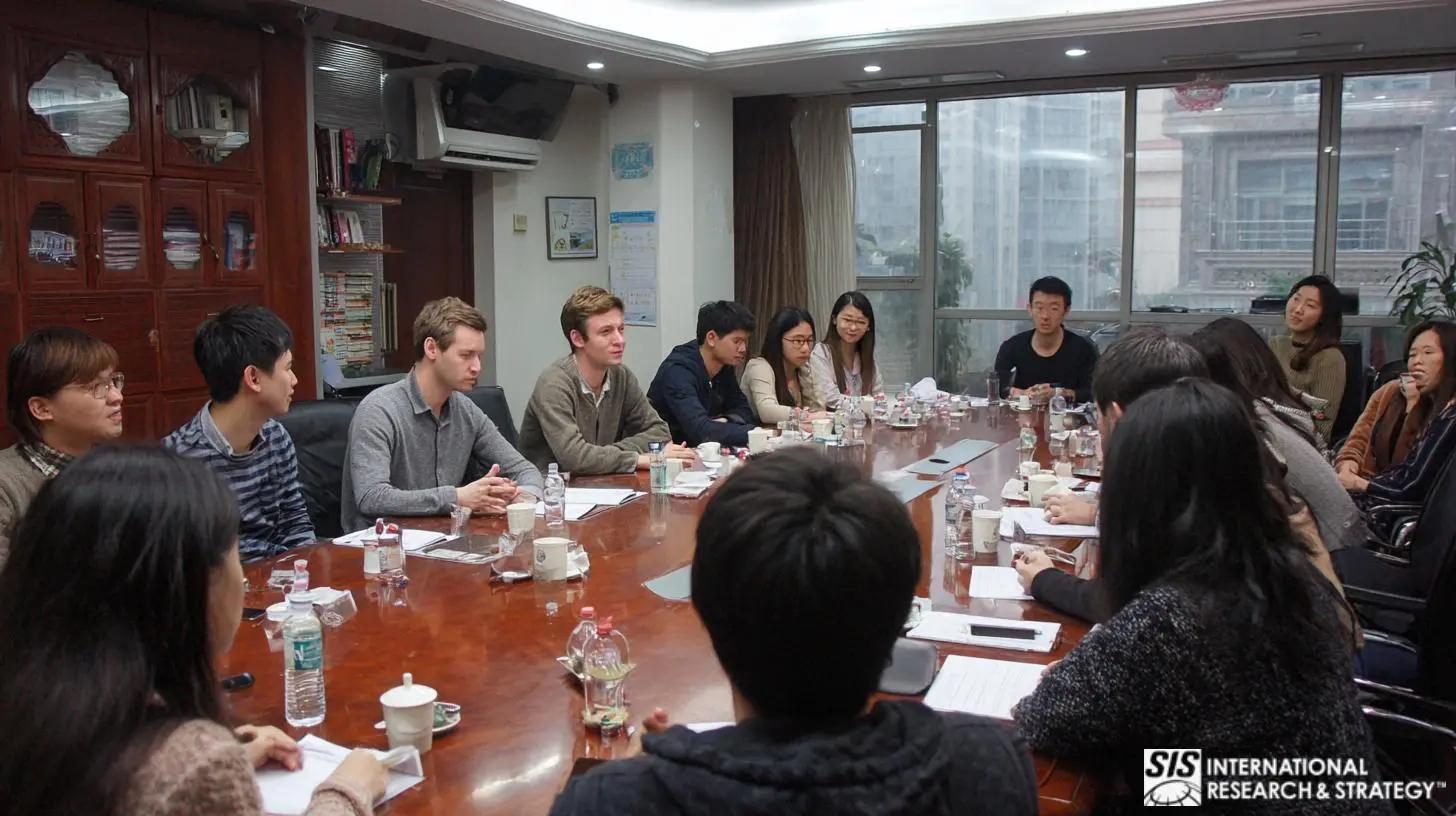
En partenariat avec SIS International for market entry consulting in China provides businesses with the tools and strategies needed to successfully navigate this complex market. Here are the seven key benefits of working with SIS International in China:
- Tailored Market Research: We provide customized insights that focus on the unique characteristics of the Chinese market, helping businesses understand consumer behavior, competitive landscapes, and market trends.
- Orientations réglementaires: Our team ensures businesses comply with China’s complex legal and regulatory requirements, from business registration to tax laws, allowing smooth market entry.
- Local Partner Selection: SIS helps identify and connect businesses with reliable local partners, distributors, and suppliers to facilitate a strong market presence and long-term success.
- Cultural Adaptation Strategies: We guide businesses in adapting their marketing, branding, and product offerings to align with local consumer preferences and cultural norms.
- Atténuation des risques: Our comprehensive étude de marché helps businesses identify potential risks and challenges, from regulatory hurdles to market competition, minimizing entry risks.
- Operational Support: SIS assists businesses with setting up operations, from selecting the appropriate business structure to securing necessary permits and licenses.
- Long-Term Growth Strategies: We support businesses in developing sustainable growth plans that align with China’s evolving economic landscape and industry trends, ensuring long-term success.
À propos de SIS International
SIS International propose des recherches quantitatives, qualitatives et stratégiques. Nous fournissons des données, des outils, des stratégies, des rapports et des informations pour la prise de décision. Nous menons également des entretiens, des enquêtes, des groupes de discussion et d’autres méthodes et approches d’études de marché. Contactez nous pour votre prochain projet d'étude de marché.

 FR
FR  EN
EN  AR
AR  ZH
ZH  ZH_HK
ZH_HK  NL
NL  DE
DE  IT
IT  JA
JA  KO
KO  PL
PL  PT
PT  ES
ES