
Versand- und Logistikautomatisierung und KI-Beratung
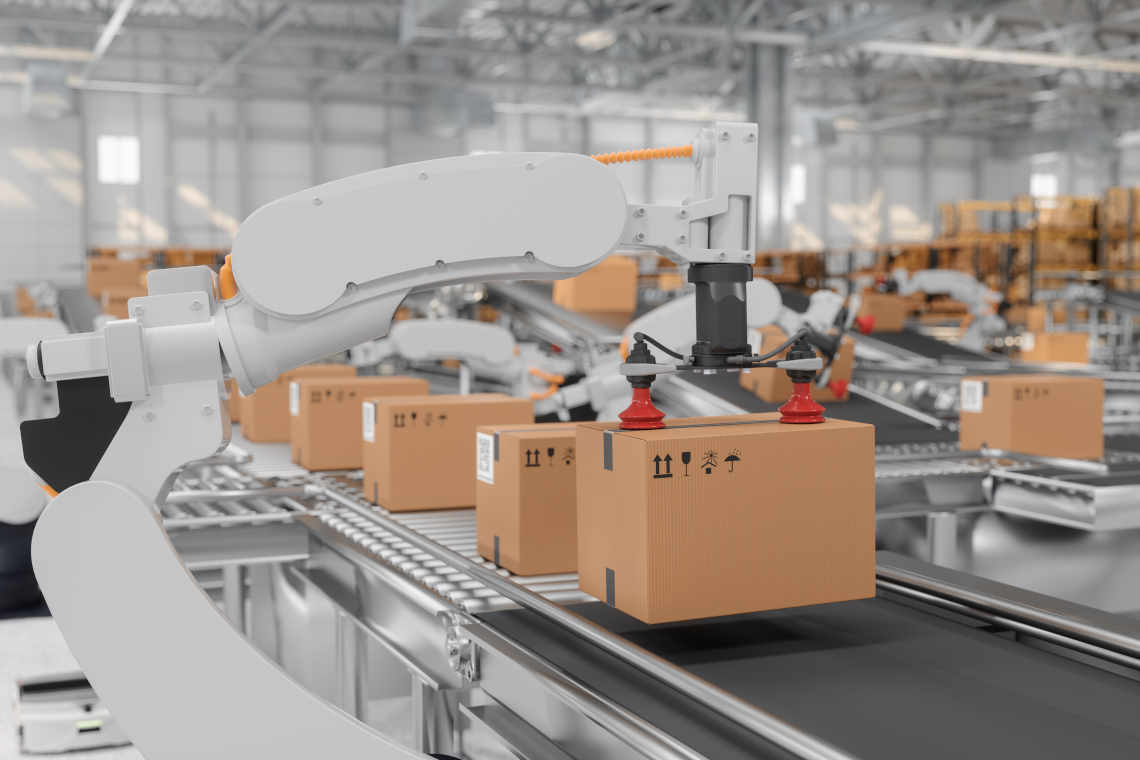
In einer Welt, in der Geschwindigkeit, Effizienz und Präzision von größter Bedeutung sind, erweisen sich Versand- und Logistikautomatisierung als richtungsweisende Kräfte, die die Branche in eine intelligentere, rationalisiertere Zukunft führen. Infolgedessen revolutioniert die Integration fortschrittlicher KI- und Automatisierungstechnologien die Art und Weise, wie Waren transportiert und verwaltet werden, und bietet ein beispielloses Maß an Effizienz und Zuverlässigkeit.
Versand- und Logistikautomatisierung und künstliche Intelligenz – Beratung und ihre Rolle
Bei der Versand- und Logistikautomatisierung sowie der KI-Beratung geht es um den Einsatz intelligenter Algorithmen, maschineller Lernmodelle und hochentwickelter Automatisierungstools, um jeden Aspekt der Versand- und Logistikkette zu optimieren.
Berater in diesem Bereich analysieren die aktuellen Abläufe eines Unternehmens, identifizieren Verbesserungsbereiche und implementieren KI- und Automatisierungslösungen, die auf die Ziele und Herausforderungen des Unternehmens abgestimmt sind. Sie verfügen über Fachwissen in der Technologie- und Logistikbranche und stellen sicher, dass die Lösungen praktisch, skalierbar und effektiv sind.
Bedeutung der Versand- und Logistikautomatisierung und der Beratung zu künstlicher Intelligenz
Eine der bedeutendsten Auswirkungen von KI und Automatisierung in Versand und Logistik ist die erhebliche Steigerung der betrieblichen Effizienz. Automatisierte Prozesse reduzieren manuelle Arbeit, minimieren Fehler und beschleunigen Transaktionszeiten.
Die Automatisierung von Konsumgütern und Dienstleistungen sowie die Beratung zu künstlicher Intelligenz verbessern auch die Präzision dieser Prozesse und verringern die Wahrscheinlichkeit verlorener oder verspäteter Lieferungen. Darüber hinaus fördert diese Beratung die Skalierbarkeit von KI- und Automatisierungstechnologien, um sich schnell an veränderte Marktanforderungen anzupassen.
Wichtige Elemente, die bei der Versand- und Logistikautomatisierung sowie der Beratung zu künstlicher Intelligenz zu berücksichtigen sind
Damit Versand- und Logistikautomatisierung sowie KI-Beratung effektiv sind, müssen mehrere zentrale Erfolgsfaktoren berücksichtigt werden. Diese Faktoren sind unerlässlich, um sicherzustellen, dass die Integration von KI und Automatisierung mit den strategischen Zielen des Unternehmens übereinstimmt und greifbare Ergebnisse liefert.
- Ausrichtung an der Geschäftsstrategie: Die Implementierung von KI und Automatisierung sollte mit der allgemeinen Geschäftsstrategie im Einklang stehen. Dadurch wird sichergestellt, dass die technologischen Lösungen die langfristigen Ziele und Vorgaben des Unternehmens unterstützen und verbessern.
- Sicherheit und Compliance: Angesichts der sensiblen Natur der Daten in Versand und Logistik ist die Gewährleistung der Sicherheit von KI-Systemen und die Einhaltung relevanter Vorschriften von größter Bedeutung.
- Kontinuierliche Überwachung und Verbesserung: KI und Automatisierung sind keine „Set-and-Forget“-Lösungen. Um sicherzustellen, dass sie effektiv und relevant bleiben, sind kontinuierliche Überwachung und regelmäßige Updates erforderlich.
- Partnerschaften und Zusammenarbeit: Die Zusammenarbeit mit Technologieanbietern, Branchenexperten und anderen Interessengruppen kann die Qualität und Effektivität von KI- und Automatisierungslösungen verbessern.
- Messung der Wirkung und des ROI: Es ist von entscheidender Bedeutung, klare Messgrößen festzulegen, um die Auswirkungen von KI und Automatisierung auf das Geschäft zu messen. Dies hilft bei der Beurteilung des Return on Investment und bei der Steuerung künftiger Verbesserungen.
Was können Unternehmen von der Beratung zu Versand- und Logistikautomatisierung und künstlicher Intelligenz erwarten?
Wenn Unternehmen Versand- und Logistikautomatisierung und KI-Beratung integrieren, sollten sie bestimmte Erwartungen haben. Diese Erwartungen helfen dabei, realistische Ziele zu setzen und sich auf die Veränderungen und Vorteile vorzubereiten, die KI und Automatisierung mit sich bringen werden.
- Operative Exzellenz: Eine der unmittelbarsten Auswirkungen wird eine deutliche Verbesserung der Betriebseffizienz sein. Die Automatisierung sich wiederholender Aufgaben, optimierte Routenplanung und vorausschauende Wartungspläne führen zu einem reibungsloseren, schnelleren und zuverlässigeren Logistikprozess.
- Verbesserter Kundenservice: KI ermöglicht eine bessere Sendungsverfolgung, -prognose und -verwaltung, was zu kürzeren Lieferzeiten und höherer Kundenzufriedenheit führt. Ein verbesserter Kundenservice kann auf dem wettbewerbsintensiven Logistikmarkt ein wichtiges Differenzierungsmerkmal sein.
- Risikomanagement und Compliance: KI-Systeme können dabei helfen, potenzielle Risiken zu erkennen und die Einhaltung verschiedener Vorschriften sicherzustellen. Dazu gehört die Überwachung von Sicherheitsstandards, Umweltvorschriften und anderen gesetzlichen Anforderungen.
- Verbesserungen der Nachhaltigkeit: KI und Automatisierung können zu nachhaltigeren Logistikpraktiken beitragen. Dazu gehören die Optimierung von Routen im Hinblick auf Kraftstoffeffizienz, die Reduzierung des CO2-Fußabdrucks und die Verbesserung des Abfallmanagements.
- Langfristige Transformation: Die Einführung von KI und Automatisierung in der Logistik ist keine kurzfristige Lösung, sondern eine langfristige Transformation. Unternehmen sollten sich auf einen Prozess kontinuierlicher Verbesserung und Innovation einstellen.
Gelegenheiten
Die Integration künstlicher Intelligenz und Automatisierung in Versand und Logistik eröffnet Unternehmen in diesem Sektor zahlreiche Chancen – und hier ist eine Erkundung der wichtigsten Chancen, die sich durch die Automatisierung von Versand und Logistik sowie durch die Beratung zu künstlicher Intelligenz ergeben:
- Verbessertes Kundenerlebnis: Automatisierung und KI können das Kundenerlebnis deutlich verbessern. Von schnelleren Lieferzeiten über genauere Sendungsverfolgung bis hin zu personalisierten Diensten können diese Technologien Unternehmen dabei helfen, die Erwartungen ihrer Kunden zu erfüllen und zu übertreffen.
- Risikomanagement und Compliance: Die Fähigkeit, Risiken besser zu managen und die Einhaltung von Vorschriften sicherzustellen, ist eine entscheidende Chance. KI-Systeme können Compliance-Anforderungen überwachen und potenzielle Risiken identifizieren, bevor sie zu Problemen werden.
- Globale Reichweite und Expansion: Mithilfe dieser Technologien können Unternehmen ihre globale Reichweite effektiver ausbauen. KI und Automatisierung können die Komplexität der internationalen Logistik bewältigen und so die Erschließung neuer Märkte erleichtern.
- Industriestandards vorantreiben: Durch die Einführung künstlicher Intelligenz und Automatisierung können Unternehmen zur Festlegung neuer Branchenstandards und bewährter Verfahren beitragen und so die Entwicklung von Versand und Logistik vorantreiben.
Herausforderungen
Während die Automatisierung von Versand und Logistik sowie die Beratung zu künstlicher Intelligenz zahlreiche Chancen bieten, stellen sie auch viele Herausforderungen dar, die Unternehmen bewältigen müssen. Daher ist die Bewältigung dieser Herausforderungen für die erfolgreiche Implementierung und Optimierung von KI- und Automatisierungstechnologien von entscheidender Bedeutung.
- Facharbeiter: Der Wandel hin zu KI und Automatisierung erfordert eine Belegschaft mit den richtigen Fähigkeiten. Die Schulung bestehender Mitarbeiter und die Rekrutierung neuer Talente mit den erforderlichen technischen und analytischen Fähigkeiten ist eine Herausforderung.
- Bewältigung des Wandels: Die Implementierung von KI und Automatisierung bringt erhebliche organisatorische Veränderungen mit sich. Diesen Wandel zu bewältigen, dabei auch die Bedenken der Mitarbeiter zu berücksichtigen und die Unternehmenskultur anzupassen, ist eine Herausforderung.
- Zuverlässigkeit und Vertrauen: Vertrauen in KI-Systeme aufzubauen und ihre Zuverlässigkeit sicherzustellen, insbesondere bei kritischen Entscheidungsprozessen, ist eine Hürde. Ein übermäßiges Vertrauen in die Technologie ohne ausreichende menschliche Aufsicht kann zu Problemen führen.
- Skalierbarkeit und Anpassung: Zwar bieten KI und Automatisierung Skalierbarkeit, doch die Skalierung dieser Technologien auf eine Weise, die mit dem Unternehmenswachstum und der Marktdynamik Schritt hält, ist eine komplexe Aufgabe.
Perspektiven der Versand- und Logistikautomatisierung und der Beratung zu künstlicher Intelligenz
Die Aussichten für die Beratung zu Automatisierung und künstlicher Intelligenz in der Schifffahrts- und Logistikbranche sind umfangreich und vielversprechend – und hier ein Überblick über die Aussichten in diesem Bereich:
- Höhere Effizienz und geringere Betriebskosten: Automatisierung und KI können die Abläufe in Versand und Logistik erheblich rationalisieren. Dazu gehören automatisierte Lagerhaltung, vorausschauende Wartung von Fahrzeugen und Ausrüstung, optimierte Routenplanung und automatisiertes Bestandsmanagement. Berater in diesem Bereich können Unternehmen bei der Implementierung dieser Technologien unterstützen, was zu geringeren Betriebskosten und höherer Effizienz führt.
- Verbesserter Kundenservice: Automatisierung und KI können auch den Kundenservice in Versand und Logistik verbessern. KI-gesteuerte Chatbots können Kunden beispielsweise in Echtzeit über ihre Sendungen informieren und Anfragen effizienter beantworten.
- Maßgeschneiderte Lösungen: Versand- und Logistikabläufe variieren je nach Branche und Unternehmen stark. KI- und Automatisierungsberater können maßgeschneiderte Lösungen anbieten, die den spezifischen Anforderungen und Herausforderungen jedes Unternehmens entsprechen.
SIS Solutions: Versand- und Logistikautomatisierung und KI-Beratung
Wir bieten innovative Lösungen, um die Schifffahrts- und Logistikbranche zu revolutionieren. Dabei nutzen wir die Leistungsfähigkeit von Automatisierung und künstlicher Intelligenz, um die Effizienz zu steigern, das Kundenerlebnis zu verbessern und betriebliche Spitzenleistungen sicherzustellen. Unsere Forscher führen strategische Analysen durch, um Informationen in umsetzbare Erkenntnisse umzuwandeln und Ihnen dabei zu helfen, die Schifffahrts- und Logistikautomatisierung sowie die KI-Beratung mit einem umfassenden Marktüberblick in Betracht zu ziehen – und unser Fokus auf strategische Analysen und umsetzbare Erkenntnisse geht über Daten hinaus und bietet maßgeschneiderte Lösungen für Kunden.
- Steigerung der betrieblichen Effizienz: Unsere KI-gesteuerten Lösungen optimieren jeden Aspekt der Versand- und Logistikkette, vom Bestandsmanagement bis zur Routenoptimierung, und führen so zu deutlichen Verbesserungen der Betriebseffizienz und zu geringeren Kosten.
- Transformation des Kundenerlebnisses: Durch den Einsatz von KI-Algorithmen bieten wir personalisierte Dienste, genaue Sendungsverfolgung und schnellere Lieferzeiten und verbessern so das allgemeine Kundenerlebnis und die Kundenzufriedenheit.
- Risikomanagement und Compliance: Unsere KI-Systeme identifizieren proaktiv potenzielle Risiken und gewährleisten die Einhaltung relevanter Vorschriften. Dadurch wird die Sicherheit erhöht und potenzielle Störungen im Versand- und Logistikprozess gemindert.
- Skalierbare Lösungen für Wachstum: Wir bieten skalierbare KI- und Automatisierungslösungen, die sich an veränderte Marktanforderungen und Geschäftswachstum anpassen und Flexibilität und Skalierbarkeit gewährleisten, während Ihre Versand- und Logistikabläufe expandieren.
- Entwicklung kundenspezifischer Lösungen: Unsere Berater entwickeln maßgeschneiderte KI-Lösungen, die auf die individuellen Anforderungen und Herausforderungen Ihrer Versand- und Logistikabläufe zugeschnitten sind, und liefern praktische und effektive Implementierungen, die greifbare Ergebnisse und langfristigen Erfolg erzielen.
- Kontinuierliche Überwachung und Verbesserung: Wir bieten fortlaufenden Support und Überwachung, um sicherzustellen, dass Ihre KI- und Automatisierungslösungen effektiv und relevant bleiben, und stellen bei Bedarf Updates und Verbesserungen bereit, um die Spitzenleistung aufrechtzuerhalten.
- Partnerschaften und Zusammenarbeit: Durch die Zusammenarbeit mit Technologieanbietern, Branchenexperten und anderen Interessengruppen verbessern wir die Qualität und Effektivität Ihrer KI- und Automatisierungslösungen und treiben so Innovationen und gemeinsames Wachstum in der Schifffahrts- und Logistikbranche voran.
Unsere in den letzten drei Jahrzehnten aufgebauten Beziehungen zu Branchenspezialisten ermöglichen es SIS, umfassend und tief in die Beratung zu Versand- und Logistikautomatisierung sowie künstlicher Intelligenz einzusteigen. Das SIS-Strategieteam vereint die neuesten Entwicklungen in den Bereichen Versand- und Logistikautomatisierung sowie KI-Beratung und arbeitet eng mit unseren lokalen Niederlassungen im Ausland zusammen.

 DE
DE  EN
EN  AR
AR  ZH
ZH  ZH_HK
ZH_HK  NL
NL  FR
FR  IT
IT  JA
JA  KO
KO  PL
PL  PT
PT  ES
ES