
Consultoría en automatización de envíos y logística y IA
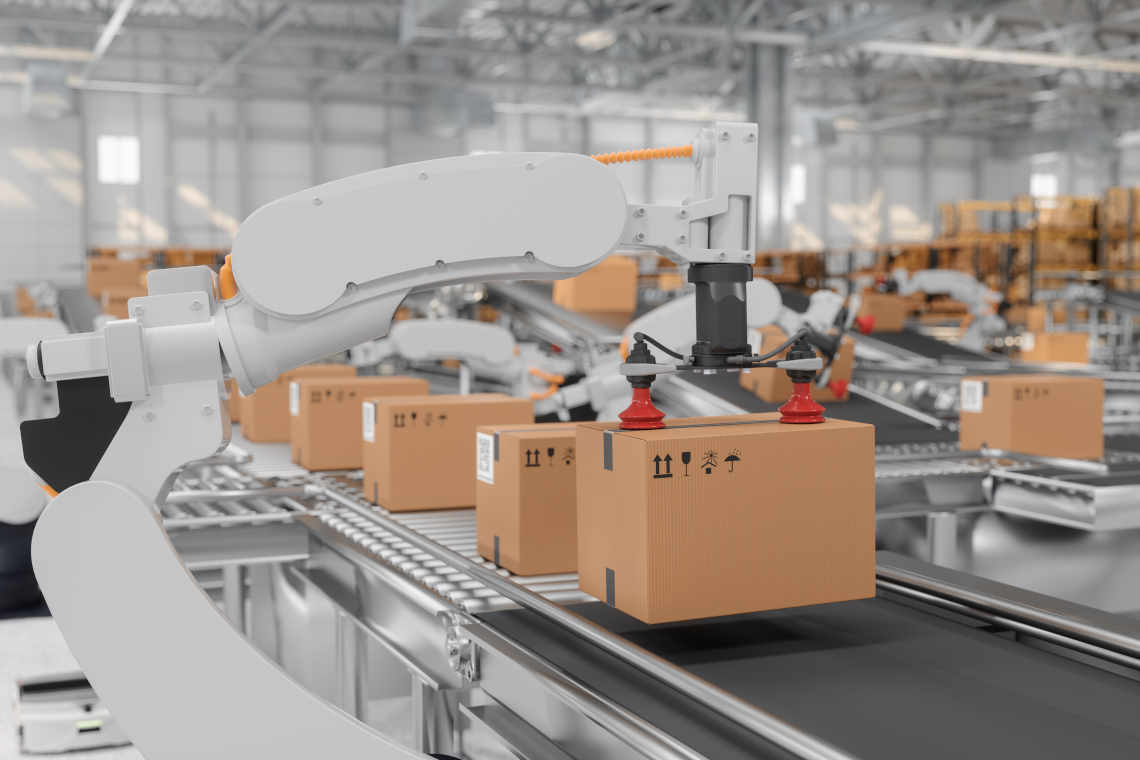
En un mundo donde la velocidad, la eficiencia y la precisión son primordiales, la automatización del envío y la logística emerge como las fuerzas revolucionarias que impulsan a la industria hacia un futuro más inteligente y optimizado. Como resultado, la integración de tecnologías avanzadas de inteligencia artificial y automatización está revolucionando la forma en que se transportan y gestionan las mercancías, ofreciendo niveles de eficiencia y confiabilidad sin precedentes.
Consultoría en Automatización de Envíos y Logística e Inteligencia Artificial y su Papel
La automatización del envío y la logística y la consultoría en inteligencia artificial implican la implementación de algoritmos inteligentes, modelos de aprendizaje automático y herramientas de automatización sofisticadas para optimizar cada faceta de la cadena de envío y logística.
Los consultores en este campo analizan las operaciones actuales de una empresa, identifican áreas de mejora e implementan soluciones de automatización e inteligencia artificial que están alineadas con los objetivos y desafíos del negocio. Proporcionan experiencia en la industria de la tecnología y la logística, asegurando que las soluciones sean prácticas, escalables y efectivas.
Importancia de la consultoría en automatización de envíos y logística e inteligencia artificial
Uno de los impactos más significativos de la IA y la automatización en el transporte marítimo y la logística es el aumento sustancial de la eficiencia operativa. Los procesos automatizados reducen el trabajo manual, minimizan los errores y aceleran los tiempos de las transacciones.
La automatización de bienes y servicios de consumo y la consultoría en inteligencia artificial también mejoran la precisión de estos procesos, reduciendo la probabilidad de pérdidas o retrasos en los envíos. Además, esta consultoría favorece la escalabilidad de las tecnologías de IA y automatización para adaptarse rápidamente a las cambiantes demandas del mercado.
Elementos esenciales a considerar en la automatización de envíos y logística y la consultoría en inteligencia artificial
Para que la automatización del envío y la logística y la consultoría en IA sean efectivas, se deben considerar varios factores clave de éxito. Estos factores son esenciales para garantizar que la integración de la IA y la automatización se alinee con los objetivos estratégicos de la empresa y proporcione resultados tangibles.
- Alineación con la Estrategia de Negocios: La implementación de la IA y la automatización debe estar sincronizada con la estrategia empresarial general. Esto garantiza que las soluciones tecnológicas respalden y mejoren las metas y objetivos a largo plazo de la empresa.
- Seguridad y cumplimiento: Dada la naturaleza sensible de los datos en el envío y la logística, es primordial garantizar la seguridad de los sistemas de inteligencia artificial y el cumplimiento de las regulaciones pertinentes.
- Monitoreo y Mejora Continua: La IA y la automatización no son soluciones que se configuran y olvidan. Es necesario un seguimiento continuo y actualizaciones periódicas para garantizar que sigan siendo eficaces y pertinentes.
- Asociaciones y colaboración: Colaborar con proveedores de tecnología, expertos de la industria y otras partes interesadas puede mejorar la calidad y eficacia de las soluciones de automatización e inteligencia artificial.
- Medición del impacto y el ROI: Es fundamental establecer métricas claras para medir el impacto de la IA y la automatización en el negocio. Esto ayuda a evaluar el retorno de la inversión y orientar mejoras futuras.
¿Qué pueden esperar las empresas de la automatización de envíos y logística y de la consultoría en inteligencia artificial?
Cuando las empresas se embarcan en el viaje de integrar la automatización del envío y la logística y la consultoría de inteligencia artificial, deben tener varias expectativas. Estas expectativas ayudan a establecer objetivos realistas y a prepararse para los cambios y beneficios que traerán la IA y la automatización.
- Excelencia operativa: Uno de los impactos más inmediatos será una mejora significativa en la eficiencia operativa. La automatización de tareas repetitivas, las rutas optimizadas y los programas de mantenimiento predictivo conducen a un proceso logístico más fluido, rápido y confiable.
- Servicio al cliente mejorado: La IA permite un mejor seguimiento, previsión y gestión de los envíos, lo que mejora los tiempos de entrega y la satisfacción del cliente. Un mejor servicio al cliente puede ser un diferenciador significativo en el competitivo mercado de la logística.
- Gestión de Riesgos y Cumplimiento: Los sistemas de inteligencia artificial pueden ayudar a identificar riesgos potenciales y garantizar el cumplimiento de diversas regulaciones. Esto incluye el monitoreo de estándares de seguridad, regulaciones ambientales y otros requisitos legales.
- Mejoras de sostenibilidad: La IA y la automatización pueden contribuir a prácticas logísticas más sostenibles. Esto incluye optimizar las rutas para lograr eficiencia de combustible, reducir la huella de carbono y mejorar la gestión de residuos.
- Transformación a largo plazo: La adopción de la IA y la automatización en la logística no es sólo una solución a corto plazo; es una transformación a largo plazo. Las empresas deben esperar un viaje de mejora e innovación continuas.
Oportunidades
La integración de la inteligencia artificial y la automatización en el transporte marítimo y la logística abre varias oportunidades para las empresas de este sector, y aquí se exploran las oportunidades clave que presentan la automatización del transporte marítimo y la logística y la consultoría en inteligencia artificial:
- Experiencia del cliente mejorada: La automatización y la inteligencia artificial pueden mejorar significativamente la experiencia del cliente. Desde tiempos de entrega más rápidos hasta un seguimiento más preciso y servicios personalizados, estas tecnologías pueden ayudar a las empresas a cumplir y superar las expectativas de los clientes.
- Gestión de Riesgos y Cumplimiento: La capacidad de gestionar mejor los riesgos y garantizar el cumplimiento de las regulaciones es una oportunidad crucial. Los sistemas de inteligencia artificial pueden monitorear los requisitos de cumplimiento e identificar riesgos potenciales antes de que se conviertan en problemas.
- Alcance y expansión global: Estas tecnologías permiten a las empresas ampliar su alcance a nivel mundial de forma más eficaz. La IA y la automatización pueden gestionar las complejidades de la logística internacional, facilitando la entrada a nuevos mercados.
- Estándares de la industria que impulsan: Al adoptar la IA y la automatización, las empresas pueden contribuir a establecer nuevos estándares y mejores prácticas de la industria, liderando el camino en la evolución del transporte marítimo y la logística.
Desafíos
Si bien la automatización del envío y la logística y la consultoría en inteligencia artificial ofrecen numerosas oportunidades, también presentan muchos desafíos que las empresas deben afrontar. Por lo tanto, abordar estos desafíos es crucial para la implementación exitosa y la optimización de la IA y las tecnologías de automatización.
- Mano de obra calificada: El cambio hacia la IA y la automatización requiere una fuerza laboral con las habilidades adecuadas. Existe un desafío en capacitar a los empleados existentes y reclutar nuevos talentos con las habilidades técnicas y analíticas necesarias.
- Cambio de gerencia: La implementación de la IA y la automatización implica un cambio organizacional significativo. Gestionar este cambio, incluida la atención a las preocupaciones de los empleados y la adaptación de la cultura corporativa, es un desafío.
- Fiabilidad y Confianza: Generar confianza en los sistemas de IA y garantizar su confiabilidad, especialmente en procesos críticos de toma de decisiones, es un obstáculo. La dependencia excesiva de la tecnología sin una supervisión humana adecuada puede generar problemas.
- Escalabilidad y Adaptación: Si bien la IA y la automatización ofrecen escalabilidad, escalar estas tecnologías de manera que se alineen con el crecimiento empresarial y la dinámica del mercado es una tarea compleja.
Perspectivas de la consultoría en automatización de envíos y logística e inteligencia artificial
Las perspectivas para la consultoría en automatización e inteligencia artificial en el sector del transporte marítimo y la logística son amplias y muy prometedoras. A continuación se ofrece un resumen de las perspectivas en este ámbito:
- Mayor eficiencia y costos operativos reducidos: La automatización y la inteligencia artificial pueden optimizar significativamente las operaciones de envío y logística. Esto incluye almacenamiento automatizado, mantenimiento predictivo de vehículos y equipos, rutas optimizadas y gestión de inventario automatizada. Los consultores en este campo pueden ayudar a las empresas a implementar estas tecnologías, lo que lleva a reducir los costos operativos y mejorar la eficiencia.
- Servicio al cliente mejorado: La automatización y la inteligencia artificial también pueden mejorar el servicio al cliente en el transporte y la logística. Por ejemplo, los chatbots impulsados por IA pueden proporcionar a los clientes actualizaciones en tiempo real sobre sus envíos y responder consultas de manera más eficiente.
- Soluciones personalizadas: Las operaciones de envío y logística varían ampliamente según la industria y la empresa. Los consultores de automatización e inteligencia artificial pueden ofrecer soluciones personalizadas que se ajusten a las necesidades y desafíos específicos de cada negocio.
Soluciones SIS: Automatización de envíos y logística y consultoría de IA
Ofrecemos soluciones de vanguardia para revolucionar la industria del transporte marítimo y la logística, aprovechando el poder de la automatización y la inteligencia artificial para impulsar la eficiencia, mejorar la experiencia del cliente y garantizar la excelencia operativa. Nuestros investigadores realizan análisis estratégicos para convertir la información en conocimientos prácticos y ayudarle a considerar la automatización de envíos y logística y la consultoría de IA con una visión completa del mercado, y nuestro enfoque en el análisis estratégico y los conocimientos prácticos va más allá de los datos y proporciona soluciones personalizadas para los clientes.
- Mejora de la eficiencia operativa: Nuestras soluciones impulsadas por IA optimizan cada faceta de la cadena de envío y logística, desde la gestión de inventario hasta la optimización de rutas, lo que genera mejoras significativas en la eficiencia operativa y costos reducidos.
- Transformación de la experiencia del cliente: Aprovechando los algoritmos de IA, ofrecemos servicios personalizados, seguimiento preciso y tiempos de entrega más rápidos, lo que mejora la experiencia y satisfacción general del cliente.
- Gestión de Riesgos y Cumplimiento: Nuestros sistemas de inteligencia artificial identifican de manera proactiva riesgos potenciales y garantizan el cumplimiento de las regulaciones pertinentes, mejorando la seguridad y mitigando posibles interrupciones en el proceso de envío y logística.
- Soluciones escalables para el crecimiento: Proporcionamos soluciones de automatización e inteligencia artificial escalables que se adaptan a las demandas cambiantes del mercado y al crecimiento empresarial, garantizando flexibilidad y escalabilidad a medida que se expanden sus operaciones de envío y logística.
- Desarrollo de soluciones personalizadas: Nuestros consultores desarrollan soluciones de inteligencia artificial personalizadas que se adaptan a las necesidades y desafíos únicos de sus operaciones de envío y logística, brindando implementaciones prácticas y efectivas que impulsan resultados tangibles y éxito a largo plazo.
- Monitoreo y Mejora Continua: Ofrecemos soporte y monitoreo continuos para garantizar que sus soluciones de automatización e inteligencia artificial sigan siendo efectivas y relevantes, brindando actualizaciones y mejoras según sea necesario para mantener el máximo rendimiento.
- Asociaciones y colaboración: Al colaborar con proveedores de tecnología, expertos de la industria y otras partes interesadas, mejoramos la calidad y eficacia de sus soluciones de automatización e inteligencia artificial, impulsando la innovación y el crecimiento compartido en la industria del transporte marítimo y la logística.
Nuestra relación con especialistas de la industria, generada durante las últimas tres décadas, permite a SIS profundizar en la automatización del envío y la logística y la consultoría en inteligencia artificial. El equipo de estrategia de SIS reúne lo último en automatización de envíos y logística y consultoría de inteligencia artificial, trabajando en estrecha colaboración con nuestras oficinas locales en el extranjero.

 ES
ES  EN
EN  AR
AR  ZH
ZH  ZH_HK
ZH_HK  NL
NL  FR
FR  DE
DE  IT
IT  JA
JA  KO
KO  PL
PL  PT
PT