
澳门市场调查
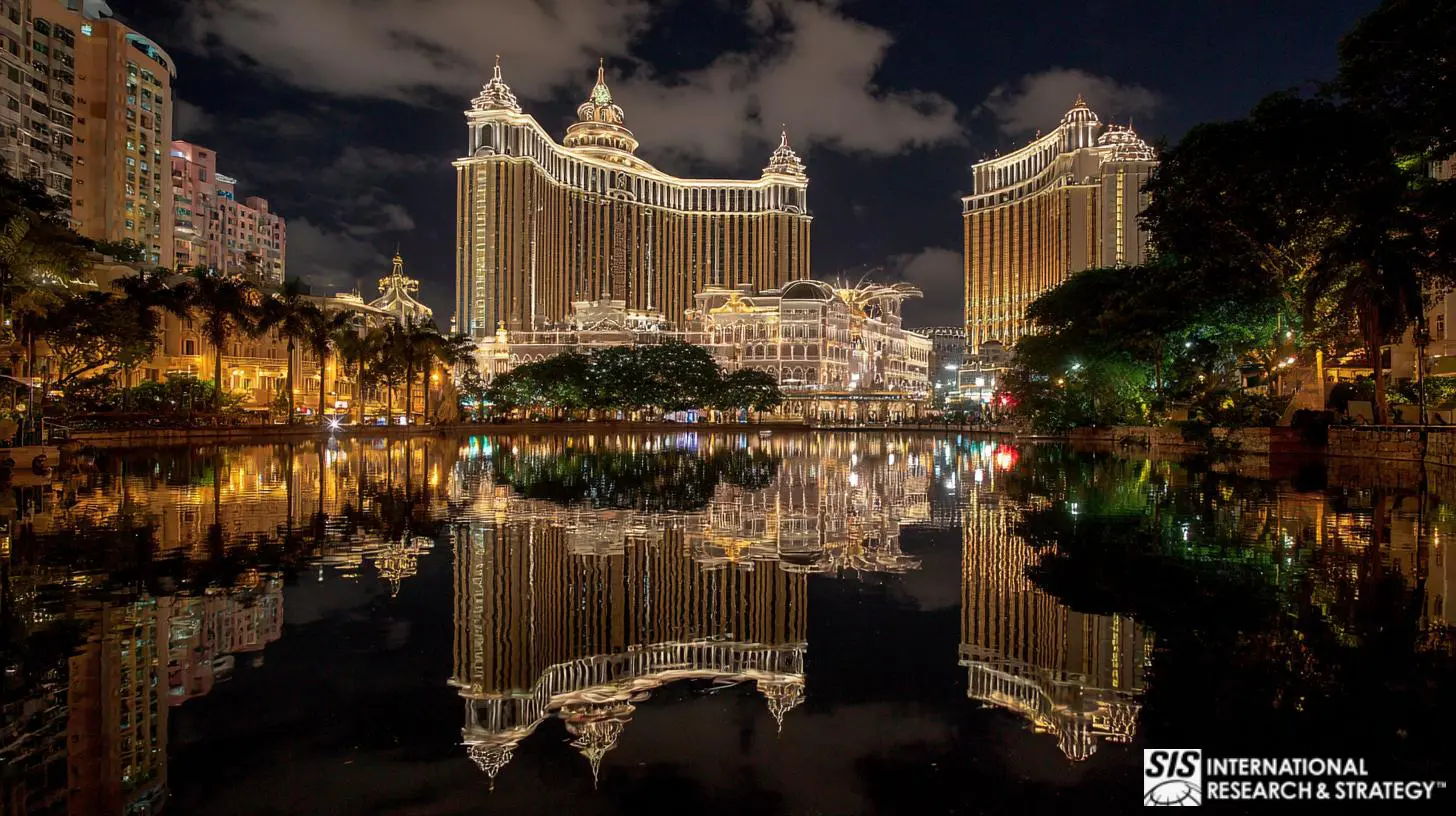
Market research in Macao offers companies the guidance they need to navigate the local landscape and capitalize on its growth.
Market research in Macao is indispensable for businesses seeking to establish or expand their presence in one of Asia’s leading economic hubs. With its robust tourism, gaming, and financial sectors, Macao offers significant opportunities, but businesses must understand the local market to succeed.
What Is Market Research in Macao?
Market research in Macao interprets data about this unique region to understand its market dynamics. As a special administrative region of China, Macao is known for its strong tourism, gaming, and financial services sectors, which are critical drivers of its economy. So, market research helps businesses gain insights into consumer behavior, regulatory environments, and industry trends specific to Macao.
In Macao, businesses often face distinct challenges, such as intense competition in the gaming and tourism sectors and evolving government regulations. Understanding these complexities through thorough market research allows companies to adapt and create strategies that resonate with local consumers and the competitive landscape.
Why Do Businesses Need Market Research in Macao?
Macao’s economy is dominated by tourism, gaming, and hospitality, but it is also expanding into areas like finance and digital services. Understanding the nuances of consumer behavior and emerging trends in these sectors is crucial for businesses to position themselves effectively. Market research in Macao provides insights into how tourists and residents interact with brands, what drives consumer choices, and how businesses can differentiate themselves in a saturated market.
Additionally, with the growing importance of digital transformation, businesses need to stay informed about how Macao’s consumers are shifting toward online services, e-commerce, and digital payments. Conducting market research in Macao allows businesses to adapt their offerings to meet the evolving needs of both local and international consumers.
重点行业
澳门,又称澳门,有两大主要产业:旅游业和博彩业。它不是一个国家,而是中国的一个特别行政区。澳门是“中国的拉斯维加斯”。该地区拥有许多世界级的赌场和精彩的夜生活。
Furthermore, gambling and tourism are the most significant sources of revenue in Macao. It also has the highest level of gambling income in the world. Moreover, there is a wide range of hotels to choose from in Macao. This nation also has a rich blend of Chinese and European architecture and culture.
社区
澳门东临珠江口,西临西江。香港位于澳门以西 35 英里处,广州位于其东北 90 英里处。澳门地区由澳门半岛和两个岛屿组成:氹仔岛和路环岛。澳门半岛是澳门人口最多、历史最悠久的地区。
趋势
Macao has seen tremendous growth for the past two decades, resulting from trading with foreign countries and the free movement of its goods and services on the world market. These factors have improved the standard of living in Macao.
Macao is a sovereign state of China. Hence, its growth is tied to that in China and Hong Kong. The government controls and stabilizes the region’s economic position and is responsible for its future growth.
Opportunities in Market Research in Macao
Macao offers a range of opportunities for businesses across several key sectors, and market research is essential for identifying and leveraging these opportunities. Below are 10 key areas where businesses can find growth potential:
- Gaming and Entertainment: As one of the world’s largest gaming hubs, there are continuous opportunities in expanding entertainment and hospitality services.
- 奢侈品零售: With a high influx of wealthy tourists, Macao is a prime market for luxury goods, jewelry, and high-end fashion brands.
- 金融服务: Macao is increasingly positioning itself as a hub for financial services, particularly in wealth management and FinTech.
- 数字化转型: The shift towards digital services, including e-commerce, online payments, and digital marketing, presents vast growth opportunities.
- 旅游业扩张: Beyond gaming, Macao is developing eco-tourism, cultural tourism, and family-oriented attractions.
- 房地产开发: With limited space and a growing demand for high-end properties, real estate remains a lucrative opportunity.
- 健康与保健: The growing demand for premium health services and wellness tourism is creating opportunities for businesses in healthcare and spa services.
- MICE (Meetings, Incentives, Conferences, and Exhibitions): Macao is a growing hub for international events, creating demand for businesses in event management and hospitality services.
- Sustainable Tourism: There is increasing interest in eco-friendly and sustainable tourism, especially among younger, more environmentally-conscious travelers.
- Cultural Products: Macao’s rich history and fusion of Portuguese and Chinese cultures create opportunities for businesses in the arts, crafts, and cultural goods sectors.
市场优势和优势
Macao has several strengths. For example, it has many hotels, leisure, and convention areas. The hard work and commitment of Macao’s people are another market benefit.
消费者群体
Consumer spending has increased over the years in Macao, and people are beginning to use social media more often. For this reason, it can be an essential tool in promoting your new business in Macao.
在市场中拓展业务的原因
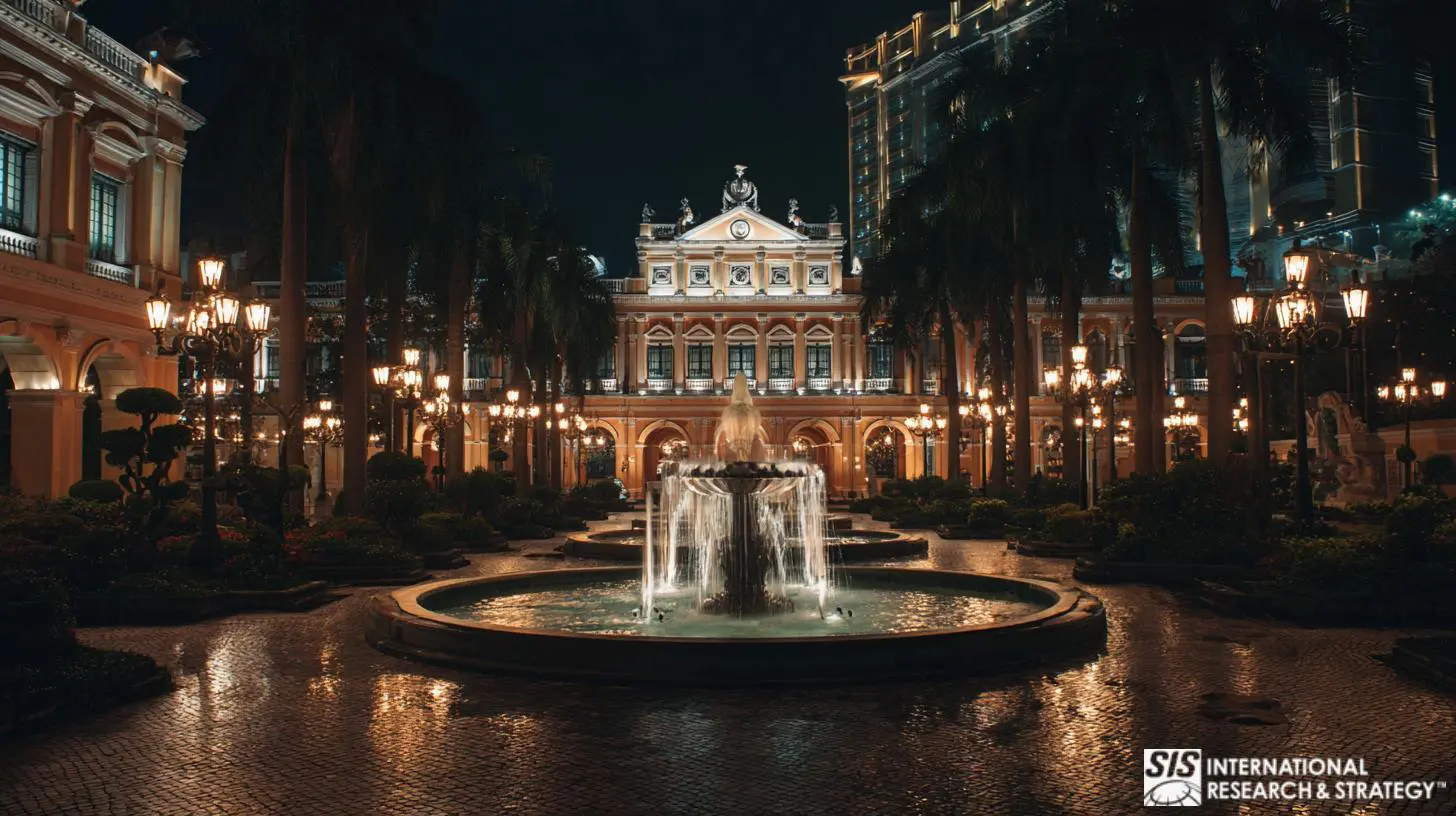
澳门为希望投资旅游和博彩业的公司提供了市场。有很多理由让您应该在这个市场发展业务。
Firstly, the tax rate in Macao is low compared to other countries. Also, Macao has a free market economy, so there are little to no restrictions on setting up a business there.
Macao is politically very stable, making it the perfect location for doing business. A good and sound system offers many incentives to new companies, which will enable their growth and success.
As we mentioned earlier, Macao is a free market economy. Thus, it must follow the rules and guidelines of international business. This stipulation benefits the region by improving and developing it.
The tourism and gambling sector strengthens the region’s economy, allowing it to access large foreign exchange reserves.
How SIS International’s Market Research in Macao Helps Businesses
SIS 国际 helps companies understand the complexities of the Macao market, from consumer preferences to regulatory landscapes. Our 市场调查 in Macao empowers businesses to make informed decisions, capitalize on opportunities, and overcome local challenges.
加强战略规划: SIS International’s market research in Macao provides businesses with detailed insights into Macao’s economy, consumer behavior, and industry trends, allowing companies to develop well-informed strategic plans that align with the market’s demands.
增加收入: By identifying lucrative sectors like luxury retail, gaming, and tourism, SIS International helps businesses tailor their products and services to meet consumer expectations, boosting revenue.
降低风险: Our market research in Macao helps businesses navigate the complexities of regulatory compliance, economic fluctuations, and competition, minimizing risks and ensuring smoother market entry and operations.
提高营销效率: With insights into Macao’s unique consumer base, SIS International assists businesses in refining their marketing strategies, ensuring that campaigns reach the right audience with maximum impact and cost-efficiency.
加速增长和创新: We help businesses identify growth areas in emerging sectors such as digital services and FinTech, fostering innovation and enabling rapid expansion in Macao’s evolving market.
提高投资回报率: Through targeted research and in-depth market analysis, businesses can optimize their investments, ensuring high returns while driving sustainable growth in Macao’s competitive landscape.
关于 SIS 国际
SIS 国际 提供定量、定性和战略研究。我们提供决策所需的数据、工具、战略、报告和见解。我们还进行访谈、调查、焦点小组和其他市场研究方法和途径。 联系我们 为您的下一个市场研究项目提供帮助。

 ZH
ZH  EN
EN  AR
AR  ZH_HK
ZH_HK  NL
NL  FR
FR  DE
DE  IT
IT  JA
JA  KO
KO  PL
PL  PT
PT  ES
ES