
食品・飲料添加物市場調査
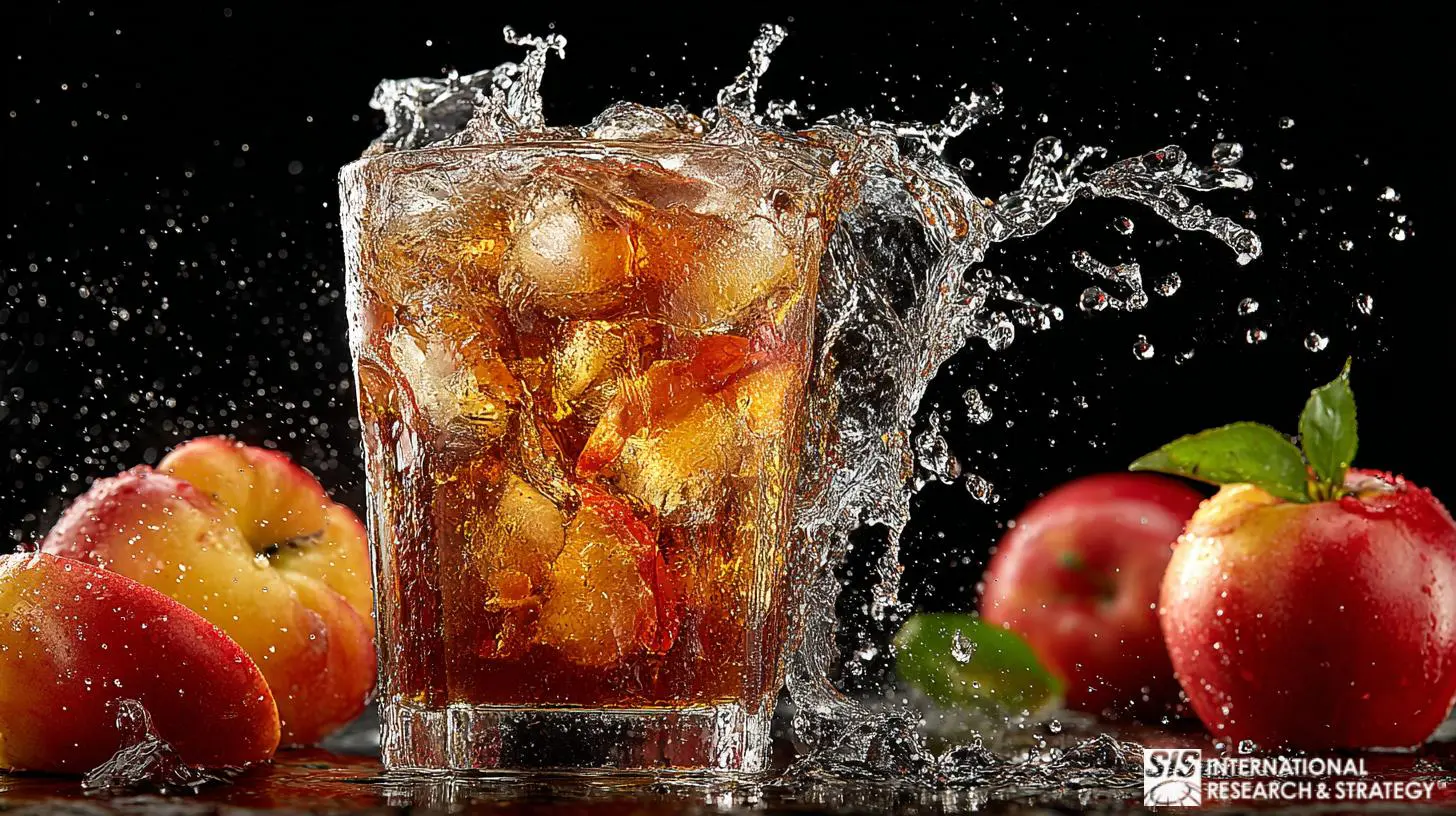
食品および飲料添加物市場調査は、加工食品の品質、安全性、利便性を高めるために使用されるさまざまな物質を網羅する食品添加物業界についての洞察を提供します。食品添加物とは、食品成分として日常的に消費されるものではなく、技術的、機能的、または感覚的な目的で意図的に食品に添加される物質と定義されます。食品に使用される前に、通常は微量で添加され、規制当局の承認と安全性評価の対象となります。食品の風味、色、食感、香り、安定性、安全性を高めるなど、さまざまな目的に使用されます。
食品・飲料添加物市場調査製品タイプ
市場調査により、一般的な食品添加物や飲料添加物の種類とその機能についての洞察が得られます。食品添加物にはさまざまな種類があり、それぞれに以下に示すような特定の機能があります。
- 防腐剤 – これらの物質は食品中の有害な微生物の増殖を抑制し、食品の保存期間を延ばし、安全性を確保します。
- 抗酸化物質 – これらの添加物は、食品中の脂肪や油の酸化を防止または遅らせ、それによって酸敗を防ぎ、保存期間を延ばします。
- 乳化剤 – これらの食品添加物は、油と水などの混ざり合わない成分を混合して安定化させ、食品の食感、粘稠度、外観を改善するのに役立ちます。
- 甘味料 – これらは、血糖値やカロリーに大きな影響を与えることなく、自然または人工的に食品に甘味を与えます。
- 着色剤 – 食品の色を強調し、見た目の魅力と消費者の魅力を高める着色剤。
- 風味増強剤 – 食品の風味と香りを改善し、それによって食品の感覚的品質と全体的な美味しさを高める食品添加物。
- 安定剤 – 食品の食感、粘稠度、安定性を維持し、保存中や加工中の分離や沈殿を防ぐ添加物。
- 増粘剤 – これらの添加物は、食品の粘度や厚みを増すことで、食品の食感や安定性を高めます。
Food and beverage additives are essential in modern food processing, as they play a crucial role in improving the stability and sensory properties of food products. Data and strategies in Food and Beverage Additive Market Research help in understanding the types and functions of food additives is vital for food manufacturers, regulators, and consumers to ensure the safety and quality of food products in the market.
Food Beverage Additive Market Research: How Leading Manufacturers Win Reformulation
Reformulation is now a strategic act, not a technical one. The additive decisions made in R&D labs determine shelf placement, regulatory exposure, and category share. Food Beverage Additive Market Research is what separates manufacturers who reformulate once from those who reformulate three times.
The pressure on additives has shifted from cost to consumer scrutiny. Color systems, preservatives, emulsifiers, and high-intensity sweeteners are evaluated by shoppers reading labels in-aisle. Clean label perception now drives purchase intent in categories where it was irrelevant a decade ago. The manufacturers who lead are not the ones who removed additives fastest. They are the ones who tested replacements against the original on hedonic scales before the launch decision.
Why Additive Reformulation Demands Primary Research, Not Desk Analysis
Sensory parity is the gating question. When a manufacturer swaps titanium dioxide, replaces a synthetic colorant with anthocyanins, or moves from aspartame to a stevia-monk fruit blend, the product changes. Trained descriptive analysis panels detect attribute drift the brand team cannot. Consumers detect it the moment a household repeat purchase fails.
Triangle tests and duo-trio tests confirm whether a reformulated SKU is sensorially different from the control. They do not answer whether consumers prefer it. That requires paired comparison analysis and sequential monadic designs run with category users, not general population. The distinction matters because heavy users of a brand are typically two to three times more sensitive to formulation changes than light users.
According to SIS International Research, brands that pair QDA panel calibration with consumer central location tests before commercialization recover launch costs roughly twice as fast as those relying on internal sensory teams alone, because the dual-method design surfaces attribute gaps that single-method protocols miss.
The Insider Methods Behind Successful Additive Substitution
Leading food and beverage companies run a sequenced research stack when reformulating. The sequence matters more than any single method.
First, descriptive analysis panels using QDA (quantitative descriptive analysis) generate the attribute map. This identifies what the additive actually contributes: bitterness masking, mouthfeel, color stability under UV, microbial protection, or shelf-life. Second, JAR (just-about-right) scale analysis with category consumers identifies which attributes have headroom and which are at the cliff. Penalty analysis then quantifies the share-of-preference loss for each attribute drift.
Third, CATA (check-all-that-apply) and napping methods position the reformulated product in the perceptual space of the category. A reformulated cola that maps closer to a private label than to its parent brand is a commercial problem regardless of blind preference scores. Fourth, accelerated shelf-life testing (ASLT) confirms that the new additive system holds across distribution conditions. Many natural color systems that pass week-one CLTs fail at week sixteen on a warm shelf.
Fifth, concept-product fit testing reconciles the on-pack claim with the in-mouth experience. A “no artificial colors” claim paired with a duller hue tests differently when the consumer reads the claim before tasting versus after.
The Regulatory and Competitive Forces Reshaping Additive Strategy
FDA revocation of Red Dye No. 3 authorization for food use, EFSA’s reassessment of titanium dioxide, and California’s Food Safety Act have moved additive risk from a quality function to a board-level concern. State-level bans now precede federal action, which means national brands face a patchwork compliance window measured in quarters.
The competitive response is uneven. Mars, Nestlé, and PepsiCo have publicly committed to artificial color removal in specific portfolios. General Mills reformulated cereals years ago, learned that natural colors fade faster, and reintroduced synthetic options in select SKUs after consumer backlash on appearance. The lesson is not that natural reformulation fails. The lesson is that reformulation without sensory benchmarking against the original product fails predictably.
SIS International’s proprietary research across food and beverage manufacturers indicates that the most commercially successful natural color migrations were preceded by descriptive analysis panel calibration on the incumbent product first, before any candidate replacement was screened. The brands that skipped this step launched twice on average.
Where Plant-Based, Functional, and Clean Label Categories Diverge
Additive research is not one discipline. Plant-based protein launches face a sensory gap problem: off-notes from pea, soy, or fava that masking systems must address without triggering “artificial flavor” on the label. Functional beverage launches face an efficacy perception problem: consumers must believe the bioactive is present without tasting it. Clean label dairy faces a stability problem: removing emulsifiers and stabilizers changes texture that loyal users will detect.
Each category requires a different research design. Temporal dominance of sensations (TDS) is essential for plant-based protein because off-notes appear at specific points in the consumption arc. For functional beverages, JAR analysis on perceived efficacy attributes outperforms hedonic testing alone. For clean label dairy, texture analysis combined with home-use testing across a two-week consumption window catches degradation that CLTs miss.
The SIS Approach to Food Beverage Additive Market Research

SIS International runs integrated programs combining descriptive analysis panels, consumer CLTs, ethnographic kitchen observations, and B2B expert interviews with food technologists and regulatory affairs leads at retailers and ingredient suppliers. The retailer interviews matter because category buyers at Kroger, Tesco, and Walmart now ask reformulation questions during line reviews that were not asked five years ago.
The differentiated insight from this work is that successful additive reformulation is a portfolio decision, not a SKU decision. Brands that reformulate their hero SKU first, before the long tail, capture clean label halo across the line. Brands that start with secondary SKUs gain compliance but not category equity.
| Reformulation Stage | Primary Method | Decision Output |
|---|---|---|
| Baseline characterization | QDA panel on incumbent | Attribute map and protection priorities |
| Candidate screening | Triangle and duo-trio tests | Sensory parity gate |
| Consumer validation | CLT with paired comparison and JAR | Preference and attribute headroom |
| Stability confirmation | ASLT and home-use test | Distribution-window confidence |
| Commercial readiness | Concept-product fit test | Claim-experience alignment |
Source: SIS International Research
What VPs Should Demand From Additive Research Programs
Three questions separate strong programs from weak ones. Was the incumbent product characterized by a calibrated descriptive panel before candidates were screened? Were heavy category users, not general population, recruited for the consumer phase? Did the stability protocol match real distribution conditions, including the warm-shelf and cold-chain breaks the SKU will actually face?
Programs that answer yes to all three predict launch outcomes within commercial tolerance. Programs that skip any of the three produce data that looks clean and forecasts that miss. Food Beverage Additive Market Research, executed properly, is the cheapest insurance against a second reformulation cycle.
SISインターナショナルについて
SISインターナショナル 定量的、定性的、戦略的な調査を提供します。意思決定のためのデータ、ツール、戦略、レポート、洞察を提供します。また、インタビュー、アンケート、フォーカス グループ、その他の市場調査方法やアプローチも実施します。 お問い合わせ 次の市場調査プロジェクトにご利用ください。

 JA
JA  EN
EN  AR
AR  ZH
ZH  ZH_HK
ZH_HK  NL
NL  FR
FR  DE
DE  IT
IT  KO
KO  PL
PL  PT
PT  ES
ES