
Mentioned in
… And Trusted by Global Leaders
Mission Success Rate
Years in the Market
of Fortune 500 Companies

40 Years of Market Intelligence, Now AI-Supercharged
Get instant access to our four decades of strategic knowledge through our revolutionary AI platform. Monthly dashboards, real-time competitive tracking, and predictive forecasting – all at your fingertips.
Get Your Competitive Advantage Today!
We help leadership teams validate demand, optimize pricing, and enter markets with confidence across 135+ countries.
With 40+ years of experience and global reach from New York City to every major market, SIS delivers real buyer insight, so you can reduce risk, optimize pricing, and accelerate growth with clarity and speed.
ご連絡いただければご連絡させていただきます
皆様からのご連絡をお待ちしております。弊社のサービスに関するご質問、ご意見、お問い合わせがございましたら、お気軽にお問い合わせください。

国際市場調査・戦略会社
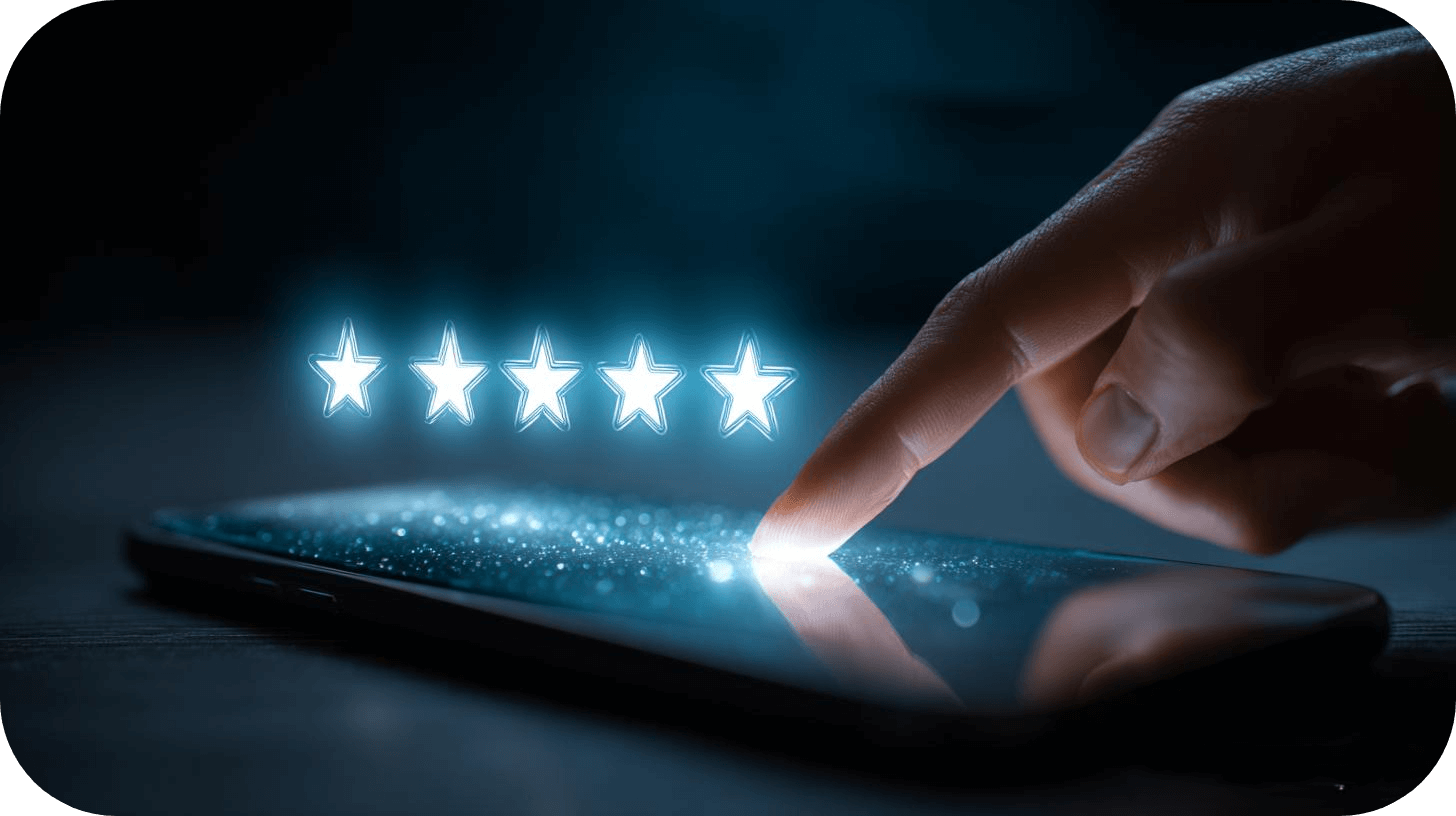
Industry-Specific Insight That Reflects Real Buying Behavior
Our consumer market research goes beyond attitudes to reveal real buying behavior by industry and region. SIS helps you move faster, reduce uncertainty, and act with confidence.
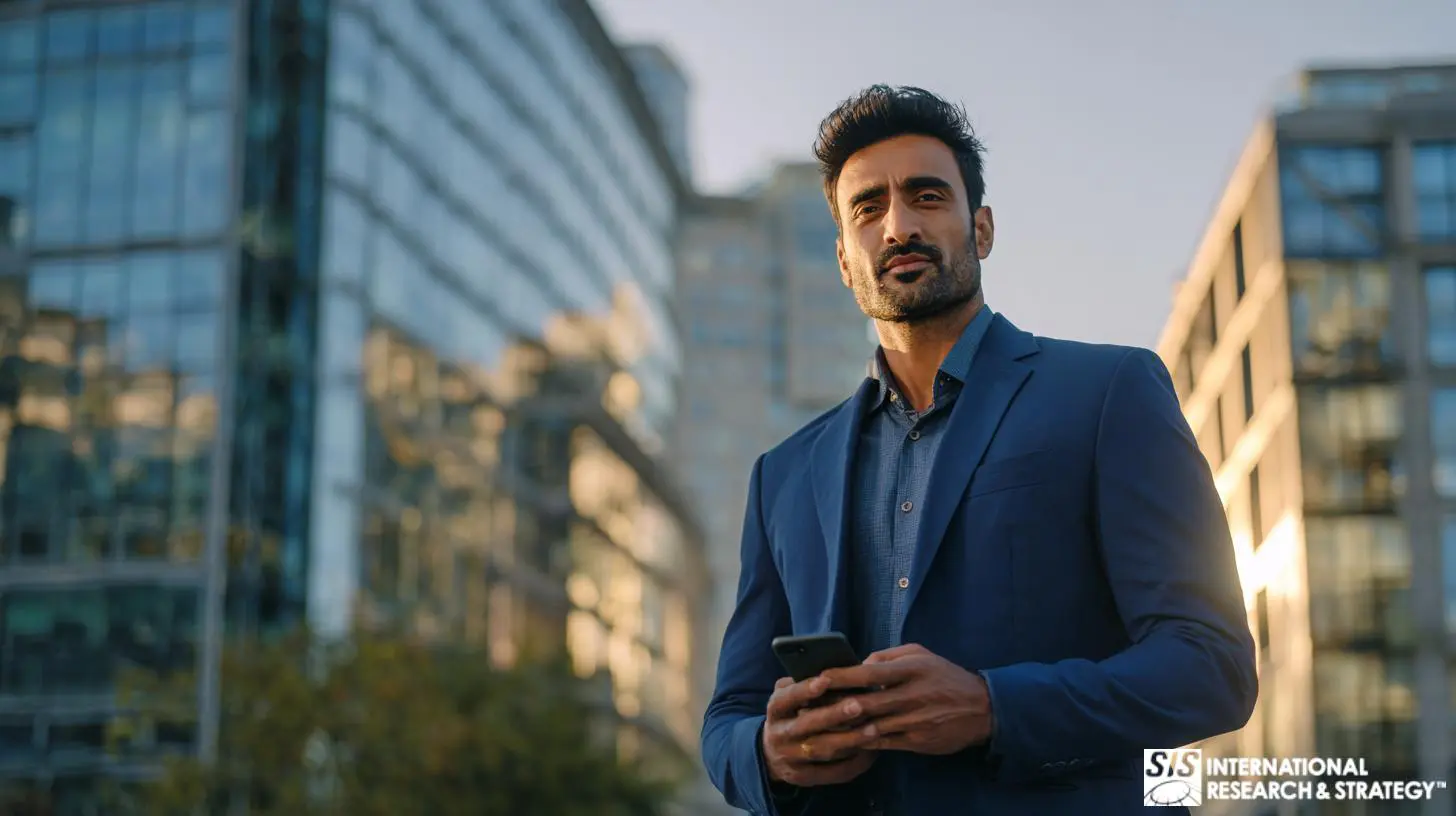
Turn Market Insight Into Clear Strategic Direction
Grow faster with our unique B2B expertise. We deliver in-depth market insights, key trends, customer behaviors, and competitive strategies to empower your decision-making and turn data into real revenue for your business.

Validate Demand, Pricing, and Market Size with Statistical Confidence
Get actual insights to outperform your competitors in your industry. We identify unexplored market opportunities to help your business thrive and innovate faster than your competitors.
Trusted by Companies Making High-Value Decisions
We deliver data and strategic guidance tailored to your unique business needs.
SIS brings together deep research expertise and analytical precision to identify commercial-relevant trends and opportunities. Our globally distributed teams provide continuous oversight and responsiveness, enabling faster execution in today’s always-on business environment.
We have worked with some of the most prestigious and innovative companies across various industries in the past four decades. Our clients include global leaders such as Apple, Pfizer, Samsung, BMW, and Coca-Cola.

私たちが特別な理由は何でしょうか?
Our Global Reach and B2B expertise are our strenghts!
For 40 years, we have helped businesses (from the Fortune 500 to fast-growing firms) achieve sustainable growth with data-driven solutions.
国
Clients Worldwide
Fortune 500 Companies
Years Experience
In-person Focus Groups
When nuance matters, in-person insight delivers clarity.
Our moderated focus groups create the conditions for open, meaningful discussion; revealing how customers think, choose, and respond to new ideas before decisions are finalized.
オンライン・フォーカス・グループ
SIS online focus groups shorten timelines and reduce costs while maintaining depth, allowing you to validate concepts and direction quickly across regions.
戦略コンサルティング
SIS partners with leadership teams to address high-stakes strategic questions. Our consulting is grounded in real market evidence, ensuring strategies are actionable, defensible, and aligned with commercial realities.
Financial Technology Strategy Consulting
SIS helps banks, FinTechs, and financial service providers navigate digital disruption with evidence-based strategy. We support leadership teams in answering the critical questions that shape innovation, growth, and competitive positioning.
AI Business Solutions
Our research enables smarter timing, targeted investment, and defensible AI-driven strategies. SIS monitors how AI is being adopted across markets to help leaders separate opportunity from noise.
世界の現場で
With 40+ years of experience, we conduct global projects across 135 countries. We advise the world's most influential companies, turning market uncertainty into a competitive advantage.
当社の報道ビジネスを次のレベルへ
We have the right solutions for you!
The Voice of Our Partners
Trust and Strategy Built Over 40 Years
We have supported over 7,000 clients worldwide, helping the Fortune 500 turn market uncertainty into a competitive advantage.
"SIS International provided the strategic depth we needed for our global expansion. Their reach is truly unmatched."
"Their focus groups and car clinics gave us immediate, actionable insights. They understand industrial nuances."
"40 years of experience really shows. They provide a roadmap for sustainable growth."
 JA
JA  EN
EN  AR
AR  ZH
ZH  ZH_HK
ZH_HK  NL
NL  FR
FR  DE
DE  IT
IT  KO
KO  PL
PL  PT
PT  ES
ES