
Buffet and Tabletop Market 研究
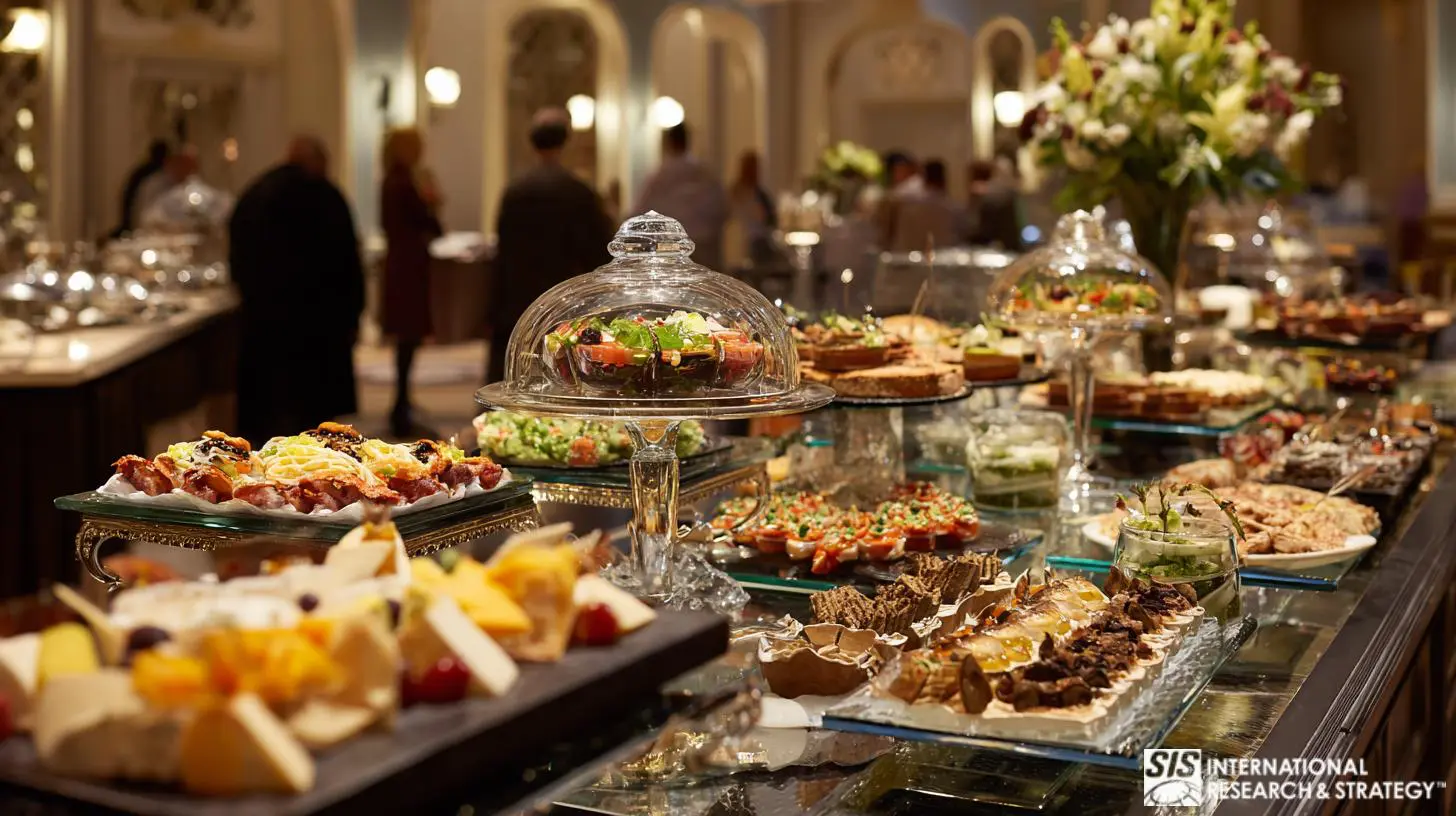
Buffet and tabletop essentials form the backbone of any memorable dining experience, from the exquisite presentation of dishes to the seamless functionality of serving ware… But, what factors guide these choices, and how do businesses stay ahead in the dynamic world of buffet and tabletop offerings? Buffet and tabletop market research is the best tool to gain an in-depth understanding of the market and thrive.
What Is Petcoke market research?
ビュッフェとテーブルトップの市場調査では、接客業と飲食業における消費者の嗜好、業界動向、競合状況を分析します。ビュッフェのセットアップやテーブルトップの配置に使用されるサービングウェア、平皿、グラス、その他の必需品の選択など、さまざまな側面を詳しく調査します。
Buffet and Tabletop Market Research: How Leading Foodservice Brands Win Operator Specification
Buffet and tabletop is the most visible category in commercial foodservice, and the most under-researched. Operators see chafers, risers, induction warmers, and serving displays every shift. Procurement teams specify them in cycles measured in years. The disconnect between daily user experience and infrequent purchase decisions is where Buffet and Tabletop Market Research delivers disproportionate value.
Hotels, banquet halls, supermarkets, contract caterers, and quick-service chains specify these products through fragmented decision paths. The chef wants performance. The F&B director wants presentation. Procurement wants total cost of ownership. Engineering wants NSF certification and serviceability. A research program that addresses only one of these audiences misses the specification reality.
Why Buffet and Tabletop Specification Is a Multi-Stakeholder Problem
The specification cycle for chafing dishes, induction buffet stations, soup wells, beverage dispensers, display risers, and serving utensils runs through four to seven stakeholders in a typical hotel chain. Brand specifiers at the corporate level approve a short list. Property-level F&B leadership selects within that list. Dealers and distributors influence substitution at the point of order. Service technicians influence repurchase through warranty experience and parts availability.
This is closer to OEM procurement analysis than to consumer goods research. Aftermarket revenue strategy matters. Installed base analytics matter. The supplier with the strongest dealer relationship and the cleanest spare parts logistics often wins specification battles against a technically superior product.
SIS International’s qualitative work with foodservice equipment manufacturers across Mexico, Spain, and France found that brand awareness at the chef level diverges sharply from brand preference at the procurement level, and that this gap widens in markets where dealers control the last-mile specification conversation.
What Effective Buffet and Tabletop Market Research Measures
Strong programs measure six dimensions, not three. Awareness and consideration are table stakes. The dimensions that predict share gain are specification authority, substitution risk, service network perception, and total cost of ownership against named competitors such as Vollrath, Bon Chef, Cal-Mil, Spring USA, Hatco, and Rosseto.
Specification authority asks who actually writes the spec for a Marriott property opening, a Compass Group account, an Aramark renewal, or a Costco rotisserie display. Substitution risk asks how often the specified brand gets swapped at the dealer level and why. Service network perception captures whether a regional chain trusts the supplier to handle a failed induction unit during a Saturday banquet.
The fourth dimension, total cost of ownership, is where buffet and tabletop research separates from kitchen equipment research more broadly. A chafer with a five-year fuel and replacement-part profile costs three to four times its purchase price across its service life. Operators know this. Most brand trackers do not measure it.
The Specification Authority Matrix
SIS uses a four-quadrant Specification Authority Matrix to map influence in this category:
| Quadrant | Stakeholder | Decision Driver | 研究方法 |
|---|---|---|---|
| High authority, high frequency | Corporate brand specifiers | Brand standards, durability data | B2B expert interviews |
| High authority, low frequency | Property F&B directors | Presentation, guest experience | Ethnographic site visits |
| Low authority, high frequency | Executive chefs and stewards | Daily handling, cleaning, durability | Focus groups, in-context observation |
| Low authority, high influence | Dealers and reps | Margin, parts availability, lead time | Channel interviews |
Source: SIS International Research
The mistake commonly made by category teams is funding awareness research with the high-frequency stakeholders, who feel most accessible, while ignoring the corporate brand specifiers who actually control the approved vendor list. Specification authority research inverts that priority.
Regional Dynamics Reshape the Category
Buffet and tabletop preferences vary by region in ways that surprise category managers operating from a single headquarters. In Mexico, hotel banquet operators weight presentation and finish quality heavily, and induction adoption trails Europe. In Spain and France, sustainability messaging carries weight with hotel groups responding to ESG procurement criteria, and chafer fuel alternatives are scrutinized. In the Gulf states, large-format banquet equipment dominates and presentation aesthetics drive premium pricing. In the United States, contract foodservice consolidation has shifted specification power toward a small number of corporate accounts.
SIS International’s structured interviews with foodservice operators across European and Latin American markets indicate that European hotel groups increasingly request documentation on chafer fuel emissions and induction energy consumption during the bid stage, while Latin American operators prioritize finish durability under high-volume banquet use.
Where Buffet and Tabletop Research Drives Commercial Outcomes
The clearest applications:
- New product development for induction buffet platforms, modular riser systems, and connected warming equipment
- Pricing power assessment when raw material costs shift and price increases must be justified to procurement
- Channel strategy when manufacturers consider direct-to-operator sales versus dealer protection
- Acquisition diligence when evaluating targets in adjacent categories such as display ware or beverage service
- Brand repositioning when premium suppliers face private-label pressure from Asian manufacturers
Each application calls for a different methodology mix. NPD work runs on concept-product fit testing and central location tests with operators handling prototype units. Pricing power work runs on conjoint analysis and competitive benchmarking. Channel work runs on dealer interviews and substitution audits. Acquisition diligence runs on rapid-cycle competitive intelligence across the target’s named accounts.
The Methodology Mix That Actually Works
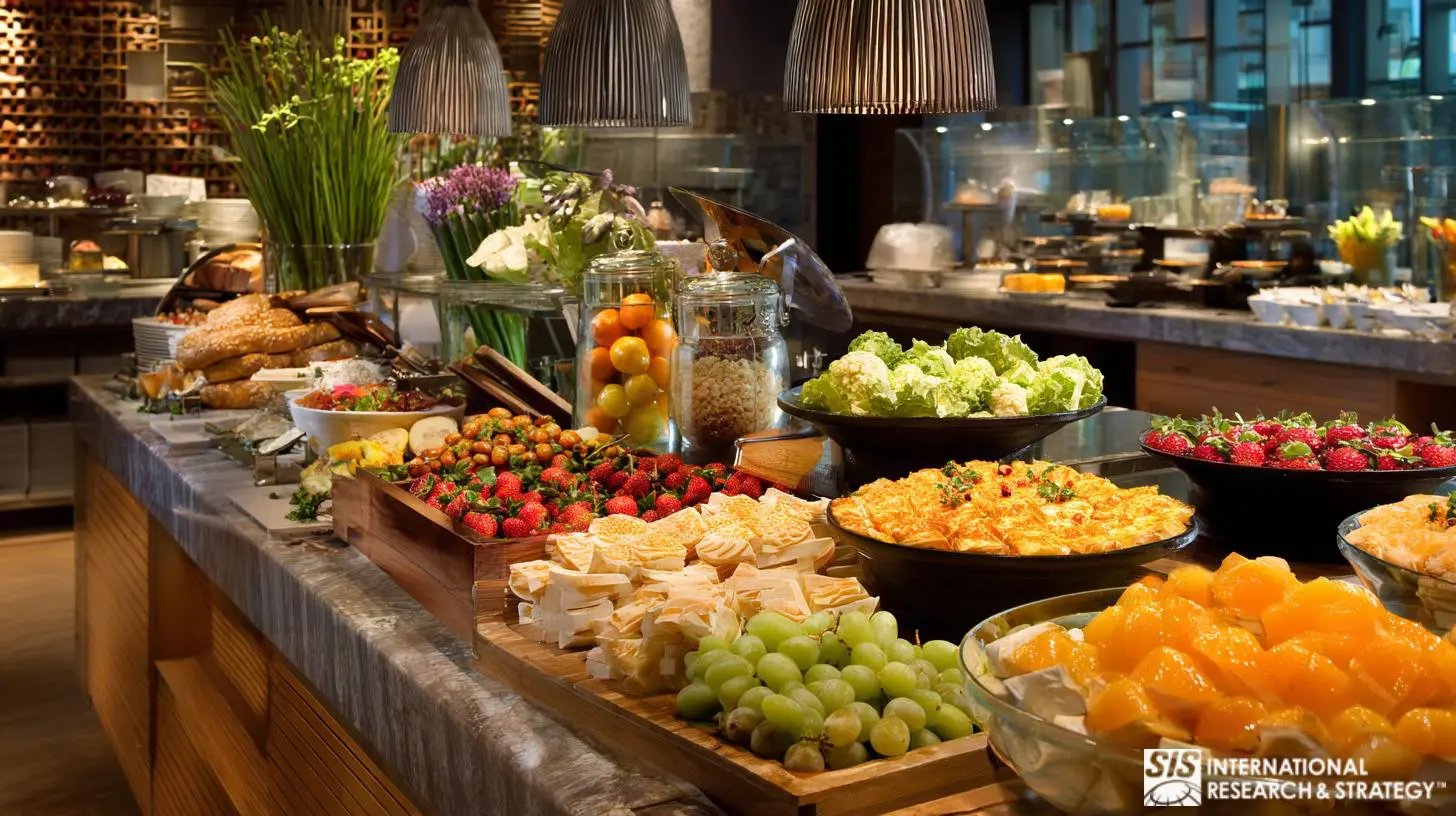
A buffet and tabletop research program designed for commercial impact typically combines four methods. B2B expert interviews with corporate specifiers, F&B directors, and procurement leads at named chains. Ethnographic research at active banquet and buffet service environments to capture handling, cleaning, and breakdown patterns. Quantitative surveys among operators sized to support segment-level decisions across restaurant, hotel, supermarket, and convenience channels. Competitive intelligence on named manufacturers covering pricing, channel terms, and warranty performance.
The output is a specification map, not a brand health report. The specification map shows which accounts use which suppliers in which product subcategories, where switching is occurring, and what the trigger events are. That artifact informs sales territory planning, NPD prioritization, and channel investment with a precision that conventional brand tracking does not deliver.
What Distinguishes the Strongest Programs

The strongest Buffet and Tabletop Market Research programs share three traits. They cover the full stakeholder set rather than the most accessible one. They measure total cost of ownership and service network perception alongside awareness and preference. They operate in the operator’s environment, not in a research facility, because the product is judged by how it performs during a 200-cover banquet, not in a focus group room.
SIS International has conducted commercial kitchen and serving equipment research across North America, Europe, Latin America, and Asia for manufacturers competing in this category. The pattern that holds across markets is consistent. Suppliers who invest in specification authority research outperform suppliers who invest only in awareness research, because the buying decision lives upstream of the brand impression.
SISインターナショナルについて
SISインターナショナル 定量的、定性的、戦略的な調査を提供します。意思決定のためのデータ、ツール、戦略、レポート、洞察を提供します。また、インタビュー、アンケート、フォーカス グループ、その他の市場調査方法やアプローチも実施します。 お問い合わせ 次の市場調査プロジェクトにご利用ください。

 JA
JA  EN
EN  AR
AR  ZH
ZH  ZH_HK
ZH_HK  NL
NL  FR
FR  DE
DE  IT
IT  KO
KO  PL
PL  PT
PT  ES
ES