
ホテルビジュアルアイデンティティコンサルティング
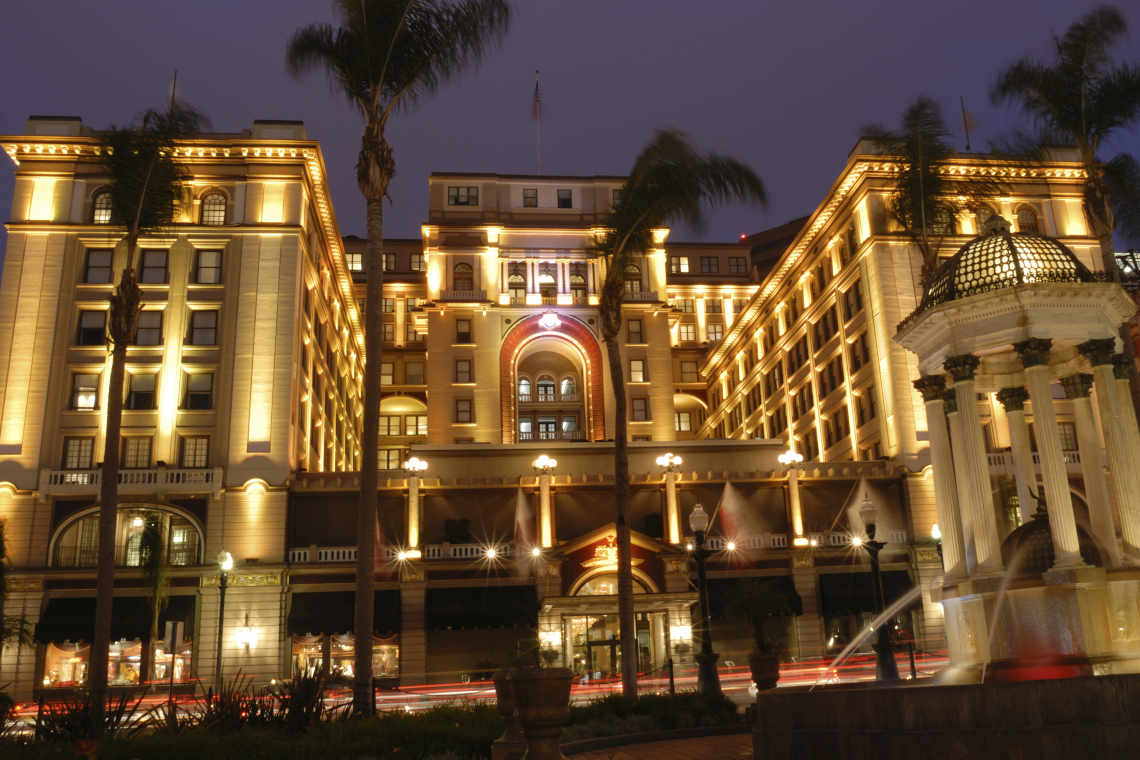
ホテルのビジュアル アイデンティティ コンサルティングは、創造性と戦略的思考を融合した芸術であり科学です。タイポグラフィから画像まで、あらゆる視覚要素が連携して、ゲストの心に響き、ホテルを競合他社と差別化する魅力的なストーリーを伝えることを理解することが重要です。
ホテルのビジュアルアイデンティティコンサルティングを理解する
Hotel visual identity consulting analyzes the hotel’s brand essence, and consultants work closely with hoteliers to understand the hotel’s story, values, and unique attributes. This understanding is crucial to developing a visual identity that truly reflects the hotel’s character and appeals to its target audience. This includes the development of a logo, color palette, typography, imagery, and other visual elements that collectively form the hotel’s visual identity.
The visual elements should be appealing and strategically aligned with the hotel’s positioning, messaging, and marketing goals. Effective hotel visual identity consulting ensures that every visual touchpoint communicates and reinforces the brand’s core message.
ホテルのビジュアル アイデンティティは、潜在的なゲストとの最初の接点となることが多く、ゲストの体験の雰囲気を決定します。適切にデザインされたビジュアル アイデンティティは、強力で永続的な印象を与え、ゲストに詳細を知り、最終的に予約をするよう促します。
もう一つの重要な側面は、競争の激しい市場での差別化です。ユニークで魅力的なビジュアル アイデンティティは、ホテルが競争の激しい業界で目立つために役立ちます。ホテルの本質を捉え、ターゲット ユーザーにアピールするビジュアル ストーリーを作り上げ、ホテルを印象的で独特なものにします。
さらに、ホテルのビジュアル アイデンティティ コンサルティングでは、ホテルのビジュアル要素を新たなトレンドやゲストの好みに合わせて調整します。これにより、ホテルのビジュアル ブランドが、デザインのトレンドやゲストの期待の変化に適応しながら、関連性、モダン性、魅力を維持できるようになります。
ホテルビジュアルアイデンティティコンサルティングのメリット
ホテルのビジュアル アイデンティティ コンサルティングに携わることで、ホテルの市場での存在感やゲストの認識に大きな影響を与える大きなメリットが得られます。主な利点は次のとおりです。
- 強力なブランド認知度: 適切にデザインされたビジュアル アイデンティティは、強力なブランド認知度を生み出します。この認知度により、ゲストは特定の色、ロゴ、またはスタイルをホテルと即座に関連付けることができ、市場での記憶性と独自性が向上します。
- ゲストの誘致と維持の向上: A visually appealing identity can attract more guests by standing out in a crowded marketplace. Moreover, a consistent and appealing visual experience increases guest retention, as it contributes to their overall satisfaction.
- マーケティングと広告における競争優位性: A strong visual identity can give a hotel a competitive edge in marketing and advertising. It makes marketing campaigns more striking and effective, ensuring that promotional materials catch the eye and resonate with the target audience.
ホテルビジュアルアイデンティティコンサルティングとホテルビジュアルアイデンティティ市場調査の主な違い
ホテルのビジュアル アイデンティティ コンサルティングは、ホテルのビジュアル ブランド要素の創造的かつ戦略的な開発に重点を置いています。これには、ホテルのビジュアル アイデンティティを構成するロゴ、配色、タイポグラフィ、画像、その他のデザイン要素の作成と改良が含まれます。一方、ホテルのビジュアル アイデンティティ市場調査では、ターゲット市場がさまざまなビジュアル ブランド要素をどのように認識し、反応するかを詳しく理解します。この調査には通常、ゲストの好み、デザインのトレンド、競合他社の分析に関するデータの収集が含まれます。
ホテルのビジュアル アイデンティティ コンサルティングはデザイン要素の作成と戦略的適用に重点を置いていますが、市場調査はこれらのクリエイティブな決定を通知するデータと洞察を提供します。したがって、市場調査はゲストの好みと市場トレンドの背後にある「内容」と「理由」を理解するのに役立ちます。一方、コンサルティングではこの情報を使用して魅力的なビジュアル アイデンティティを作成します。
成功の鍵となる要素
ホテルのビジュアル アイデンティティ コンサルティングで最良の結果を得るには、いくつかの重要な成功要因を考慮する必要があります。これらは、ビジュアル アイデンティティがホテルのブランド戦略と完全に一致し、ターゲット ユーザーの共感を呼ぶことを保証するために不可欠です。
- 全体的なブランド戦略との整合: ビジュアル アイデンティティは、ホテルの全体的なブランド戦略を反映したものである必要があります。ブランドの価値、ストーリー、独自のセールス ポイントを伝える必要があります。この調整により、ビジュアル アイデンティティがブランド メッセージを強化し、拡大することが保証されます。
- すべてのプラットフォームにわたる一貫性: 一貫性のないブランディングは混乱を招き、ブランドの影響力を弱める可能性があるため、すべてのプラットフォームにわたって視覚要素の適用に一貫性を持たせることが重要です。
- 創造的でユニークなデザイン要素: 視覚的な要素は創造的でユニークである必要があり、競争の激しい市場でホテルが目立つようにする必要があります。このユニークさがホテルを印象的で際立ったものにします。
企業向けホテルビジュアルアイデンティティコンサルティングの機会
ホテルのビジュアル アイデンティティ コンサルティングは、ホテルのブランド プレゼンスを大幅に強化し、ゲストにアピールし、ビジネスの成長を促進することができる、ホスピタリティ セクターの企業にとってさまざまな機会をもたらします。ホテルのビジュアル アイデンティティ コンサルティングに取り組むことで生まれる重要な機会をいくつかご紹介します。
- ターゲットオーディエンスの獲得: Hotels can more effectively attract their ideal guest demographic through tailored visual branding. A well-designed visual identity speaks directly to the preferences and expectations of the target audience, increasing the hotel’s appeal to those guests.
- オンラインとオフラインのマーケティングの強化: 強力なビジュアル アイデンティティは、オンラインとオフラインの両方のマーケティング活動の効果を高めます。すべてのマーケティング資料にわたって一貫性のある魅力的なビジュアル ブランディングを行うことで、エンゲージメントとコンバージョン率を高めることができます。
- 市場のトレンドと変化への適応: 巧みに作られたビジュアル アイデンティティは、変化する市場のトレンドやゲストの好みに適応できるほど柔軟であり、ホテルが現代的で関連性のある状態を保つことを保証します。
企業向けホテルビジュアルアイデンティティコンサルティングの課題
企業向けのホテル ビジュアル アイデンティティ コンサルティングには、一連の特有の課題が伴います。主な課題には次のようなものがあります。
- 競争市場における差別化: ホスピタリティ業界は競争が激しく、多くのホテルが注目を集めようと競い合っています。ターゲット層の共感を呼びながらも目立つビジュアル アイデンティティを作成することは、大きな課題です。
- 文化的感受性と関連性: ホテルは、多くの場合、国際的な顧客を対象としています。したがって、ビジュアル アイデンティティは、文化に配慮し、多様な顧客層にアピールする必要があります。これには、異なる文化で異なる意味合いを持つ可能性のある文化的シンボル、色、イメージを認識することが含まれます。
- 進化するトレンドと顧客の嗜好: Design trends and customer preferences change over time. The visual identity must be contemporary but also timeless so it doesn’t quickly become outdated.
企業向けホテルビジュアルアイデンティティコンサルティングの将来展望
ホテルのビジュアル アイデンティティ コンサルティングの将来的な見通しは明るいです。今後、いくつかのトレンドと発展がホテル部門のビジュアル アイデンティティ コンサルティングの方向性と焦点を形作っていくと思われます。考慮すべき重要な側面は次のとおりです。
- デジタル変革の推進: デジタル プラットフォームの重要性の高まりは、ホテルのビジュアル アイデンティティ コンサルティングにも引き続き影響を与えます。これには、Web サイトやアプリから仮想現実ツアーまで、ブランド アイデンティティがデジタル エクスペリエンスにどのように反映されるかという点への重点が含まれます。
- 持続可能性と環境に優しいデザイン: 環境への懸念が高まるにつれ、持続可能性をビジュアル アイデンティティに組み込むことがますます重要視されるようになります。これは、ブランディング マテリアルに環境に優しいデザイン要素や素材を使用することで実現される可能性があります。
- デザインにおけるテクノロジーの革新的な活用: AI や AR/VR などの新興テクノロジーは、デザイン プロセスでより大きな役割を果たすことが期待されています。これらのテクノロジーは、ゲストに没入型でインタラクティブなブランド体験を提供する新しい方法を提供できます。
- パーソナライズとカスタマイズ: 個々のゲストの好みや体験に合わせて視覚要素をカスタマイズすることが、ますます重要になります。これには、ゲストの興味やブランドとのやり取りに基づいて変化する動的なブランディング要素が含まれる可能性があります。
- 地域文化と芸術の融合: 地元の文化や芸術をホテルのビジュアル アイデンティティに取り入れる傾向は今後も続くでしょう。このアプローチにより、ホテルは地元と海外のゲストの両方に響くユニークで本物の体験を提供できるようになります。
SISインターナショナルについて
SISインターナショナル 定量的、定性的、戦略的な調査を提供します。意思決定のためのデータ、ツール、戦略、レポート、洞察を提供します。また、インタビュー、アンケート、フォーカス グループ、その他の市場調査方法やアプローチも実施します。 お問い合わせ 次の市場調査プロジェクトにご利用ください。

 JA
JA  EN
EN  AR
AR  ZH
ZH  ZH_HK
ZH_HK  NL
NL  FR
FR  DE
DE  IT
IT  KO
KO  PL
PL  PT
PT  ES
ES