
اختبار التذوق

هل طعم منتجك جيد بالفعل؟ دعونا نكتشف ذلك.
نقدم حلولاً شاملة لاختبار التذوق لمساعدتك على تحسين منتجاتك الغذائية والمشروبات. سيرشدك خبراؤنا في ابتكار عروض لذيذة تلقى صدىً لدى جمهورك المستهدف.
توقف عن التخمين. ابدأ بالمعرفة... لأن قبول المستهلك في مجال الأغذية والمشروبات قابل للقياس.

تقسيم العملاء المتقدم
التجزئة المتقدمة للعملاء: لقد ولّى زمن التجزئة التقليدية للعملاء، ولم يلحظ معظم المسوقين ذلك حتى الآن. ما لا يقل عن 80% من عمليات التجزئة التي تستخدمها العلامات التجارية الكبرى اليوم عفا عليها الزمن بشكل محرج – التجزئة الرقمية...

اختبار طعم الكحول
يقوم اختبار مذاق الكحول بتقييم خصائص نكهة الكحول ورائحتها وقوامها لتحديد جودتها وطابعها وجاذبيتها.

اختبار منتجات التجميل
اختبار منتجات التجميل: هل يوجد لديكِ سيروم $86 في خزانة حمامكِ؟ شخصٌ مثلكِ قام باختباره قبل حتى أن يُعرف بهذا الاسم. اختبار منتجات التجميل هو شبكة ذكاء خفية تُحدد المنتجات الأكثر رواجاً لديكِ...
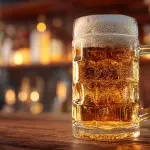
اختبار تذوق البيرة
اختبار تذوق البيرة ليس مجرد احتساء الرغوة والقول "لذيذ" أو "مقرف". إنه بحث علمي منهجي يكشف الفجوة الهائلة بين ما يدعيه المستهلكون أنه يؤثر على مشترياتهم وما يحركهم فعلياً...

اختبار مذاق المشروبات وأبحاث السوق
تدرس أبحاث السوق الخاصة باختبار مذاق المشروبات تفضيلات المستهلكين والاتجاهات الناشئة ومجالات النمو المحتملة لصناعة المشروبات.

اختبار التذوق الأعمى أبحاث السوق
توفر أبحاث السوق لاختبار الذوق الأعمى نهجًا فريدًا لفهم ذوق العملاء والاستفادة من ردود الفعل الحقيقية تجاه المنتجات.

اختبار طعم الطعام في الموقع المركزي
يقوم اختبار مذاق الطعام في الموقع المركزي بتقييم التفاصيل الحسية مثل الطعم والرائحة والملمس والمظهر في بيئة خاضعة للرقابة.

اختبار طعم القهوة
تعمل أبحاث السوق الخاصة باختبار مذاق القهوة على تمكين العلامات التجارية للقهوة من التحسين من خلال تحديد نقاط القوة ومجالات التحسين.

أبحاث السوق لاختبارات الذوق المقارن
كيف تحدد العلامة التجارية مدى نجاح منتجها مقارنة بالمنتجات الأخرى؟ هذا هو دور أبحاث السوق لاختبار الذوق المقارن.

اختبار المنتجات الاستهلاكية في نيويورك
اختبار المنتجات الاستهلاكية في نيويورك: يتيح اختبار المنتجات الاستهلاكية في نيويورك للشركات الوصول المباشر إلى آراء متنوعة ورؤى عملية، مما يمهد الطريق لإطلاق منتجات مؤثرة وتحقيق نجاح طويل الأمد في السوق. كيف...

اختبار منتجات التجميل في نيويورك
اختبار منتجات التجميل في نيويورك. دعوني أُفنّد أخطر خرافة في أبحاث التجميل: وهي فكرة أن تفضيلات مستحضرات التجميل التي يتم الكشف عنها في المختبرات أو مراكز التركيز القياسية تُترجم بشكلٍ ذي معنى إلى مستهلكي نيويورك.

مرافق اختبار النكهة في نيويورك
مرافق اختبار النكهات في نيويورك: تضمن مرافق شركة SIS International، المجهزة بأحدث الأدوات ويعمل بها خبراء متخصصون، تحسين كل نكهة من خلال أحدث العلوم والاستراتيجيات. ابتكار النكهة المثالية...

مجموعات التركيز لاختبار التذوق في نيويورك
مجموعات التركيز لاختبار التذوق في نيويورك: توفر مجموعات التركيز لاختبار التذوق في نيويورك فرصة فريدة لجمع رؤى نوعية ثرية مباشرة من جماهير متنوعة. يتطلب إطلاق منتج غذائي ناجح...

اختبار طعم وصفات الأطعمة والمشروبات وأبحاث السوق
اختبار مذاق وصفات الأطعمة والمشروبات تتعلم أبحاث السوق كيف تؤدي تفضيلات المستهلك والاتجاهات الغذائية إلى إنشاء وصفات ناجحة.

Food and Beverage Taste Testing: How Leading Brands Turn Sensory Data Into Market Share
يقوم اختبار مذاق الأطعمة والمشروبات بتقييم الخصائص الحسية لمنتجات الأطعمة والمشروبات، بما في ذلك الطعم والرائحة والملمس والجاذبية.

أبحاث السوق لاختبار الأغذية والمشروبات
يوفر الاختبار رؤى متعمقة حول الأذواق والتعبئة والتسويق والقوائم. تعرف على المزيد حول أبحاث السوق الخاصة باختبار الأطعمة والمشروبات.

اختبارات المنتجات الغذائية في نيويورك
اختبارات المنتجات الغذائية في نيويورك: لقد بذلت جهدًا كبيرًا في تطوير غسول جديد أو منتج فاخر، ولكن كيف يمكنك التأكد من جاهزيته لسوق نيويورك؟ فريق خبرائنا هنا لتقديم الاختبارات الشاملة التي تحتاجها...

أبحاث السوق لاختبار التذوق الأحادي
تعد أبحاث السوق لاختبار الذوق Monadic أداة حاسمة للمؤسسات الحديثة للحصول على فهم غير متحيز لعروض منتجاتها.

مجموعة التركيز على المنتجات الجديدة في نيويورك
مجموعات التركيز على المنتجات الجديدة في نيويورك: تُعدّ مجموعات التركيز وسيلة فعّالة لجمع تعليقات نوعية ومفصلة من العملاء المحتملين قبل الاستثمار في إطلاق منتجك. ما هي أفضل طريقة للتحقق من صحة فكرة منتجك الجديد قبل إطلاقه؟.

بحث عن منتجات جديدة في نيويورك
أبحاث المنتجات الجديدة في نيويورك: تجمع أبحاث المنتجات الجديدة في نيويورك بين قاعدة المستهلكين الديناميكية في المدينة وأحدث المنهجيات لمساعدة الشركات على التحقق من صحة المفاهيم، وتحسين العروض، وتقليل المخاطر. ما الذي يجعل المنتج...

اختبار المنتج الجديد في نيويورك
اختبار المنتجات الجديدة في نيويورك: يُعدّ اختبار المنتجات الجديدة بفعالية في نيويورك أمرًا حيويًا لفهم ما ينجح في أحد أكثر الأسواق تطلبًا في العالم. لماذا تُعتبر نيويورك موقعًا رئيسيًا لاختبار المنتجات الجديدة؟ نظرًا لتفضيل المستهلكين...

مختبر اختبار التذوق في مدينة نيويورك
لقد برز مختبر اختبار التذوق التابع لشركة SIS International في مدينة نيويورك كمنشأة رائدة تقدم رؤى لا مثيل لها في صناعة الأغذية والمشروبات.

بحث إطلاق المنتج في نيويورك
أبحاث إطلاق المنتجات في نيويورك: بفضل الكثافة العالية للمتبنين الأوائل ورواد الموضة، تقدم نيويورك رؤىً غالباً ما تتنبأ باتجاهات السوق الأوسع. ماذا لو كان بإمكانك الاستفادة من أحد أكثر أسواق العالم تأثيراً في تحديد الاتجاهات؟.

اختبارات تذوق حزمة المنتج
تستخدم اختبارات طعم حزمة المنتج إجراءات لتقييم السمات الحسية للمنتجات وملامح النكهة والقبول العام بين المستهلكين.

اختبار حس المنتج
اختبار حس المنتج: تكشف المشاعر والانطباعات وردود الفعل الفطرية التي تظهر أثناء اختبار حس المنتج ما لا يعبّر عنه المستهلكون في الاستبيانات التقليدية. "طعمه مخيب للآمال." لقد سمعت هذه العبارات الخمس من قبل...

اختبار الحواس للمنتجات في أبحاث السوق
اختبار الخصائص الحسية للمنتجات في أبحاث السوق: يُعد اختبار الخصائص الحسية للمنتجات في أبحاث السوق عاملاً أساسياً وراء إطلاق منتجات ناجحة تجذب المستهلكين من أول لمسة أو تذوق أو شم. هل تساءلت يوماً لماذا...

اختبار طعم المنتج
يعد اختبار ذوق المنتج عنصرًا حاسمًا في أبحاث المستهلك. وهو يشكل جزءًا من إدارة وتطوير الأطعمة الحالية والجديدة.

اختبار المنتجات للشركات
اختبار المنتجات للشركات: لا يُعدّ اختبار المنتجات الاحترافي للشركات ترفًا أو أمرًا ثانويًا، بل هو بمثابة بوليصة تأمين تحمي استثمارك في الابتكار. بصفتي الرئيس التنفيذي لشركة SIS International Research، فقد حظيتُ بفرصة الاطلاع المباشر على...

اختبار المنتجات في نيويورك
اختبار المنتجات في نيويورك: "إذا نجحت في نيويورك، فستنجح في أي مكان". هذه المقولة الشهيرة لا تنطبق فقط على الطامحين للعمل في برودواي، بل هي القاعدة الذهبية لاختبار المنتجات في نيويورك أيضاً. دعوني آخذكم في جولة خلف الكواليس...

خدمات اختبار المنتجات
خدمات اختبار المنتجات: لا يكفي الاختبار الداخلي. فريقك مُرتبط جدًا بالمنتج، ومُستثمرٌ بشدة في نجاحه، ومُلمٌّ جدًا بميزاته لدرجة تمنعه من رؤيته بعيون جديدة. خدمات اختبار المنتجات الاحترافية ليست...

خدمات اختبار المنتجات في نيويورك
خدمات اختبار المنتجات في نيويورك: من خلال إجراء اختبارات شاملة في سوق ديناميكي ومتنوع، تستطيع الشركات تحديد فرص التحسين، والتحقق من صحة منتجاتها، وضمان تلبيتها لتوقعات المستهلكين. ماذا...

اختبار منتجات التجزئة في مدينة نيويورك
اختبار المنتجات في متاجر التجزئة بمدينة نيويورك: لا يقتصر تميز مستهلكي نيويورك على تنوعهم فحسب، بل إنهم يتمتعون بذوق رفيع وصراحة مطلقة، ولا يطيقون الرداءة. دعوني أخبركم بشيء تغفله معظم الشركات عند إطلاق منتجات جديدة: مدينة نيويورك...
خدمات التقييم الحسي في نيويورك
خدمات التقييم الحسي في نيويورك: توفر خدمات التقييم الحسي في نيويورك الأدوات اللازمة لتحليل كل جانب من جوانب التجربة الحسية للمنتج وتحسينها. يتطلب ابتكار منتجات تلقى صدىً لدى المستهلكين...

اختبار المنتجات الحسية في نيويورك
اختبار المنتجات الحسية في نيويورك: ما الذي يميز اختبار المنتجات الحسية في نيويورك؟ إنه التنوع غير المسبوق في المختبرين الذين يمكننا الوصول إليهم - من مصرفيي وول ستريت إلى فناني بروكلين - مما يمنح العلامات التجارية تقييمًا دقيقًا وبأسعار معقولة...

أبحاث التذوق الحسية في نيويورك
أبحاث التذوق الحسي في نيويورك: تُعدّ أبحاث التذوق الحسي في طليعة ابتكار المنتجات، إذ تُزوّد الشركات بالمعلومات اللازمة لتقديم نكهات تُلاقي استحسان المستهلكين. ويُعدّ اختبار التذوق الحسي أمراً بالغ الأهمية...

أبحاث الاختبارات الحسية
أبحاث الاختبارات الحسية: معظم حالات فشل المنتجات ليست مشاكل تسويقية، بل هي خلل عصبي تغفل عنه الأبحاث التقليدية تمامًا. كم من المال أهدرت شركتك العام الماضي على منتجات لم يلقَ استحسان المستهلكين؟.

أبحاث السوق لاختبار التذوق المتسلسل
تعد أبحاث السوق لاختبار الذوق المتسلسل طريقة لاختبار آراء المستهلكين حول المنتجات المختلفة من خلال تقديمها بترتيب معين.

خدمات اختبار الأغذية SIS في نيويورك
خدمات اختبار الأغذية من SIS في نيويورك: صُممت خدمات اختبار الأغذية من SIS في نيويورك لتقديم رؤى دقيقة وقابلة للتنفيذ تساعد الشركات على تحسين منتجاتها الغذائية. كيف يمكن للعلامات التجارية ضمان أن منتجاتها الغذائية تلبي أعلى معايير الجودة؟.

مرافق اختبار التذوق SIS في نيويورك
مرافق اختبار التذوق التابعة لشركة SIS في نيويورك: قد يكون إطلاق منتج غذائي أو مشروب في سوق نيويورك التنافسي أمرًا صعبًا. تساعد مرافق اختبار التذوق التابعة لشركة SIS في نيويورك العلامات التجارية على جمع تعليقات قيّمة لابتكار منتجات تلقى صدىً لدى المستهلكين.

اختبار مذاق المياه الغازية
اختبار تذوق المياه الغازية: هل رأيتَ زجاجة المياه الغازية التي تبدو بريئة في يدك؟ إنها ليست مجرد ماء مع فقاعات. إنها ساحة معركة حسية معقدة تتصادم فيها الكيمياء وعلم النفس والتسويق. ومعظم الناس...

أبحاث السوق لاختبار الاستجابة للتذوق
تقوم أبحاث السوق الخاصة باختبار استجابة الذوق بتقييم وتحليل استجابات المستهلكين لمنتجات الأطعمة والمشروبات بناءً على إدراك الذوق.
خدمات تذوق الطعام في نيويورك
تعتمد العلامات التجارية على خدمات اختبار التذوق في نيويورك لضبط المنتجات وتكييفها مع متطلبات المستهلكين المتطورة باستمرار. اختبار التذوق أكثر من مجرد تذوق النكهات - إنه علم لفهم...

اختبار الذوق التحقق من صحة أبحاث السوق
توفر أبحاث السوق للتحقق من صحة اختبار التذوق إطارًا للتحقق من سلامة ومصداقية نتائج اختبار التذوق.
مثلث اختبار الذوق أبحاث السوق
تستخدم الشركات أساليب الكشف الدقيقة وأبحاث السوق لاختبار المذاق المثلث لتحسين المنتجات وتلبية توقعات المستهلكين.

اختبار تذوق الويسكي
اختبار تذوق الويسكي: هل رأيت زجاجة $500 على الرف العلوي؟ لم تصل إلى هناك صدفةً أو بفضل تسويق ذكي. لقد استحقت مكانتها من خلال اختبارات تذوق دقيقة ومنهجية للويسكي، وهي اختبارات لا يشهدها معظم شاربي الويسكي العاديين. عندما تكون منظمة...

 AR
AR  EN
EN  ZH
ZH  ZH_HK
ZH_HK  NL
NL  FR
FR  DE
DE  IT
IT  JA
JA  KO
KO  PL
PL  PT
PT  ES
ES