
Marktforschung für Computer Vision-KI
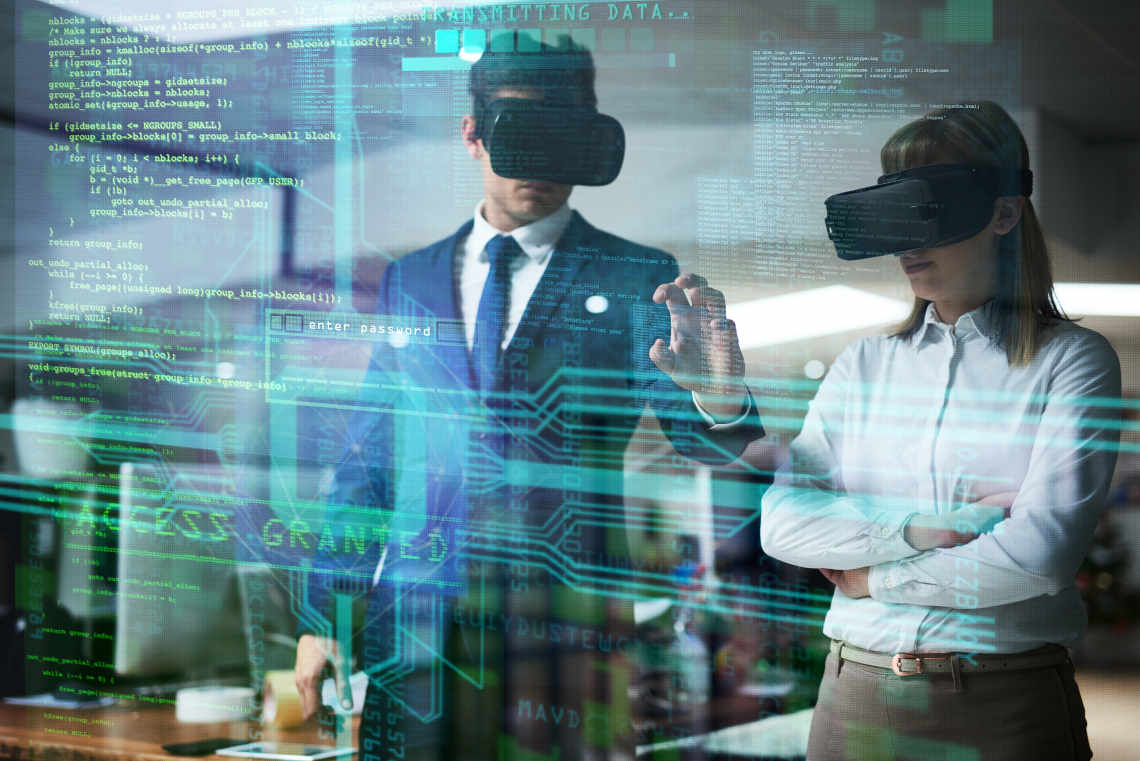
Computer Vision (CV) ist ein Bereich der künstlichen Intelligenz, der es Computern und Systemen ermöglicht, aus digitalen Bildern, Videos und anderen visuellen Eingaben aussagekräftige Informationen abzuleiten. Es ahmt die Komplexität des menschlichen Sehens nach, indem es visuelle Daten erfasst und interpretiert. Im Bereich der Marktforschung befasst sich diese Studie jedoch mit der Analyse, wie Unternehmen und Verbraucher Computer-Vision-Technologien nutzen.
Marktforschung zur Computer Vision und ihre Bedeutung verstehen
Die Tiefe der Marktforschung zum Thema Computer Vision liegt in ihrer Fähigkeit, Einblicke sowohl in die technologischen Aspekte des Computer Vision als auch in seine praktischen Anwendungen in verschiedenen Sektoren zu geben. Sie hilft dabei, die wichtigsten Treiber des Marktes, die Herausforderungen, denen sich Unternehmen bei der Implementierung von CV-Technologien gegenübersehen, und die potenziellen Wachstums- und Innovationsbereiche zu identifizieren.
Darüber hinaus ist die Marktforschung im Bereich Computer Vision für Unternehmen von entscheidender Bedeutung, die in Computer Vision-Tools investieren oder diese entwickeln möchten, da diese Forschung dabei hilft, neue Trends, bahnbrechende Technologien und potenzielle Anwendungsbereiche zu identifizieren.
Ein weiterer wichtiger Aspekt ist die Rolle der Marktforschung im Bereich Computer Vision im Risikomanagement und bei Investitionen. Durch eine umfassende Analyse des Marktes, einschließlich Wettbewerbslandschaften, potenzieller Risiken und Wachstumschancen, unterstützt diese Forschung Unternehmen bei der fundierten Entscheidung über Investitionen in CV-Technologien.
Was sind die Vorteile der Marktforschung im Bereich Computer Vision?
Die Vorteile der Marktforschung im Bereich Computer Vision sind umfangreich und bieten Unternehmen wichtige Erkenntnisse und Vorteile in einer zunehmend digitalen und visuell orientierten Welt. Durch ein tiefes Verständnis der Anwendungen und Auswirkungen der CV-Technologie können Unternehmen ihr Potenzial nutzen, um Innovation, Effizienz und Wettbewerbsvorteile voranzutreiben. Hier sind einige der wichtigsten Vorteile:
- Informierte strategische Entscheidungsfindung: Die Marktforschung im Bereich Computer Vision liefert Unternehmen wichtige Daten und Erkenntnisse über den aktuellen Stand und die zukünftigen Trends der Computer Vision-Technologie. Diese Informationen sind entscheidend für strategische Entscheidungen über Produktentwicklung, Markteintritt und Investitionen in CV-Technologie.
- Verbesserte Produktentwicklung: Durch Einblicke in die Nutzung von Computer Vision in unterschiedlichen Branchen können Unternehmen ihre Produkte und Dienstleistungen erneuern und verbessern.
- Wettbewerbsvorteil: Die Marktforschung im Bereich Computer Vision bietet Einblicke in die Nutzung der CV-Technologie durch Wettbewerber und ermöglicht Unternehmen, Marktlücken und Möglichkeiten zur Differenzierung ihrer Angebote zu erkennen.
- Besseres Kundenverständnis: Mithilfe von Computer Vision-Marktforschung können Unternehmen besser verstehen, wie Verbraucher mit Computer Vision-Technologien interagieren. Diese Erkenntnisse können zu Verbesserungen der Benutzererfahrung, Marketingstrategien und des Kundendienstes führen und so die Kundenzufriedenheit und -treue steigern.
- Risikomanagement: Indem sie einen Überblick über die Herausforderungen und Hindernisse im Zusammenhang mit der Computer-Vision-Technologie bietet, unterstützt die Marktforschung Unternehmen dabei, potenzielle Risiken – seien sie nun technologischer, regulatorischer oder marktbezogener Natur – vorherzusehen und zu bewältigen.
Schlüsselindustrien im Computer Vision-Markt
Der Computer Vision-Markt hat in zahlreichen Branchen erhebliche Auswirkungen gehabt. Hier sind einige Schlüsselbranchen, in denen die Computer Vision-Technologie eine entscheidende Rolle spielt:
- Einzelhandel und E-Commerce: Im Einzelhandel wird Computer Vision für die Bestandsverwaltung, die Analyse des Kundenverhaltens und die Verbesserung des Einkaufserlebnisses durch virtuelle Anproben und interaktive Displays eingesetzt.
- Automobilindustrie: Die Automobilindustrie nutzt Computer Vision für autonome Fahrtechnologien, darunter Hinderniserkennung, Verkehrszeichenerkennung und Fahrerüberwachungssysteme. Es wird auch in Fertigungsprozessen zur Qualitätskontrolle und Komponentenprüfung eingesetzt.
- Gesundheitspflege: Im Gesundheitswesen unterstützt Computer Vision die diagnostische Bildgebung, die Patientenversorgung und Operationen. Es wird verwendet, um medizinische Bilder zu analysieren, bei komplexen chirurgischen Eingriffen zu helfen und den Gesundheitszustand von Patienten anhand visueller Daten zu überwachen.
- Herstellung: Computer Vision in der Fertigung verbessert die Qualitätskontrolle, die Fehlererkennung und die Automatisierung von Fertigungsstraßen. Es ermöglicht eine präzise und effiziente Prüfung von Produkten und trägt so zu höherer Qualität und geringeren Kosten bei.
- Sicherheit und Überwachung: Diese Technologie ist von entscheidender Bedeutung für Sicherheitsanwendungen, einschließlich Gesichtserkennung, Überwachung von Menschenmengen und Anomalieerkennung in öffentlichen Räumen, Flughäfen und anderen sensiblen Bereichen.
- Transport und Logistik: Computer Vision erleichtert die automatisierte Lagerhaltung, das Logistikmanagement und die effiziente Frachtabfertigung. Es verbessert die Geschwindigkeit und Genauigkeit logistischer Prozesse und steigert so die Effizienz der Lieferkette.
Hauptakteure auf dem Computer Vision-Markt
Der Computer Vision-Markt wird von einer Vielzahl unterschiedlicher Akteure angetrieben, die alle zur Weiterentwicklung und Anwendung der Computer Vision-Technologie beitragen. Um die aktuelle Landschaft und künftigen Trends der Computer Vision zu verstehen, ist es entscheidend, die wichtigsten Akteure zu kennen. Hier sind einige der wichtigsten Unternehmen, die diesen Markt prägen:
- Google: Google hat bedeutende Beiträge auf dem Gebiet der Computer Vision geleistet, insbesondere durch die Entwicklung von Bilderkennungstechnologien und dem Machine-Learning-Framework TensorFlow.
- Microsoft: Mit seinen Azure Computer Vision-Diensten bietet Microsoft eine Reihe von Tools zur Analyse visueller Inhalte, darunter Objekterkennung, Gesichtserkennung und optische Zeichenerkennung (OCR).
- Amazon Web Services (AWS): AWS bietet Computer Vision-Funktionen über Amazon Rekognition, das Bild- und Videoanalysen für Anwendungen wie Benutzerverifizierung, Inhaltsmoderation und personalisierte Empfehlungen bereitstellt.
- Intel: Intel hat auf dem Computer-Vision-Markt eine wichtige Rolle gespielt, insbesondere durch die Übernahme von Mobileye, einem führenden Unternehmen im Bereich der Bildverarbeitungstechnologie für autonome Fahrzeuge, und seiner RealSense-Technologie für 3D-Scanning und Tracking.
Chancen im Computer Vision-Markt für Unternehmen
Der Computer Vision-Markt bietet Unternehmen eine Fülle von Möglichkeiten. Da sich diese Technologie weiterentwickelt und in verschiedene Branchen integriert, eröffnet sie neue Möglichkeiten für Innovation, Effizienz und Kundenbindung.
- Verbesserte Kundenerlebnisse: Mithilfe von Computer-Vision-Technologie können durch virtuelle Anproben, personalisierte Empfehlungen und interaktives Marketing ansprechendere und interaktivere Kundenerlebnisse geschaffen werden, insbesondere im Einzelhandel und im E-Commerce.
- Betriebseffizienz: In Branchen wie der Fertigung und Logistik kann Computer Vision die Betriebseffizienz durch automatisierte Qualitätsprüfungen, Bestandsverwaltung und optimierte Logistikprozesse deutlich verbessern.
- Wettbewerbsvorteil: Durch die Einführung von Computer-Vision-Technologien können Unternehmen durch verbesserte Produkte und Dienstleistungen, ein verbessertes Kundenerlebnis und eine höhere Betriebseffizienz einen Wettbewerbsvorteil erlangen.
Herausforderungen des Computer Vision-Marktes für Unternehmen
Computer Vision stellt Unternehmen vor zahlreiche Herausforderungen – und um die Vorteile von Computer Vision voll ausschöpfen zu können, ist es unerlässlich, diese Herausforderungen zu bewältigen. Zu diesen wichtigsten Herausforderungen gehören:
- Technologische Komplexität: Die Implementierung von Computer Vision-Lösungen erfordert ein gewisses Maß an technischem Fachwissen. Die Entwicklung, Bereitstellung und Wartung dieser Systeme kann komplex sein, insbesondere für Unternehmen ohne eigene KI- und maschinelle Lernkapazitäten.
- Hohe Entwicklungskosten: Die Entwicklung robuster Computer Vision-Anwendungen kann ressourcenintensiv sein. Dazu gehören die Kosten für die Beschaffung hochwertiger Datensätze, die Einstellung qualifizierter Fachkräfte und die Investition in die erforderliche Hardware- und Software-Infrastruktur.
- Integrationsherausforderungen: Die nahtlose Integration von Computer-Vision-Technologien in bestehende Geschäftssysteme und -prozesse kann eine gewaltige Aufgabe sein. Sie erfordert sorgfältige Planung und Umsetzung, um Kompatibilität und funktionale Effizienz sicherzustellen.
- Probleme mit Genauigkeit und Zuverlässigkeit: Die Gewährleistung der Genauigkeit und Zuverlässigkeit von Computer-Vision-Systemen ist von entscheidender Bedeutung, insbesondere bei Anwendungen, bei denen Fehler erhebliche Folgen haben können, wie etwa im Gesundheitswesen oder bei autonomen Fahrzeugen.
Perspektiven der Computer Vision Marktforschung
Die Zukunftsaussichten der Computer Vision-Marktforschung werden sich weiter erweitern und neue Möglichkeiten und Lösungen bieten. Hier ein Blick in die Zukunft der Computer Vision-Marktforschung:
- Fortschritte in KI und maschinellem Lernen: Die Marktforschung für Computer Vision betont, dass zukünftige Fortschritte bei KI und maschinellen Lernalgorithmen die Fähigkeiten von Computer Vision-Systemen erheblich verbessern werden. Diese Fortschritte werden voraussichtlich die Genauigkeit, Geschwindigkeit und die Fähigkeit zur Verarbeitung komplexer visueller Daten verbessern und Computer Vision-Lösungen leistungsfähiger und vielseitiger machen.
- Wachstum bei Smart City-Initiativen: Laut Marktforschungen zum Thema Computer Vision wird der Anstieg von Smart City-Initiativen weltweit das Wachstum von Computer Vision-Anwendungen im Stadtmanagement und in der öffentlichen Sicherheit vorantreiben. Dazu gehören Verkehrsüberwachung, Crowd Management und Infrastrukturwartung, was die Verbesserung der städtischen Lebensbedingungen und der Betriebseffizienz ermöglicht.
- Verbessertes Kundenerlebnis: Marktforschungen zum Thema Computer Vision deuten auch darauf hin, dass Computer Vision zunehmend zur Verbesserung des Kundenerlebnisses eingesetzt wird, insbesondere im Einzelhandel und im E-Commerce. Dazu gehören virtuelle Anprobelösungen, personalisierte Einkaufserlebnisse und intelligente Produktempfehlungen, die die Art und Weise verändern, wie Verbraucher mit Marken interagieren.
- Autonome Fahrzeuge und Robotik: Die Aussichten für autonome Fahrzeuge und Roboter sind eng mit Fortschritten in der Computervision verknüpft. Verbesserte Bildverarbeitungsfähigkeiten werden die Sicherheit, Zuverlässigkeit und Effizienz autonomer Systeme verbessern, von selbstfahrenden Autos bis hin zu automatisierten Drohnen.
SIS Solutions: Marktforschung für Computer Vision-KI
Wir bieten Einblicke in die Entwicklung, Anwendung und Auswirkungen von Computer Vision-Technologien in verschiedenen Branchen. Unsere Forschung bietet strategische Analysen, identifiziert Markttrends, Wettbewerbslandschaften und Innovationsmöglichkeiten und ermöglicht es unseren Kunden, fundierte Entscheidungen zu treffen.
- Markttrends und Prognosen
- Wettbewerbsanalyse
- Einblicke in das Verbraucherverhalten
- Technologische Fortschritte
- Anwendung in Schlüsselindustrien
- Regulatorische und ethische Überlegungen
- Strategische Investitionsmöglichkeiten
Unsere umfassenden Branchenverbindungen und unser strategischer Forschungsansatz gewährleisten eine umfassende Abdeckung der Computer Vision-KI und nutzen globale Trends und Fachwissen.
Über SIS International
SIS International bietet quantitative, qualitative und strategische Forschung an. Wir liefern Daten, Tools, Strategien, Berichte und Erkenntnisse zur Entscheidungsfindung. Wir führen Interviews, Umfragen, Fokusgruppen und viele andere Methoden und Ansätze der Marktforschung durch. Kontaktieren Sie uns für Ihr nächstes Marktforschungsprojekt.

 DE
DE  EN
EN  AR
AR  ZH
ZH  ZH_HK
ZH_HK  NL
NL  FR
FR  IT
IT  JA
JA  KO
KO  PL
PL  PT
PT  ES
ES