




SIS NY office celebrates thousandth facility rental
NEW YORK, Feb. 2, 2011— The New York City office of SIS International Research celebrated today its 1000th fieldwork rental at its focus group qualitative research facility located in the Flatiron district of Manhattan. The company, founded in 1984, completed construction on the facility in 2006, capable of accommodating respondents for Consumer, B2B and Medical studies. The … 閱讀更多
Food Service Industry Spotlight 2011
By Sonya Sobato; Rueya Ceylon, Research Analysts
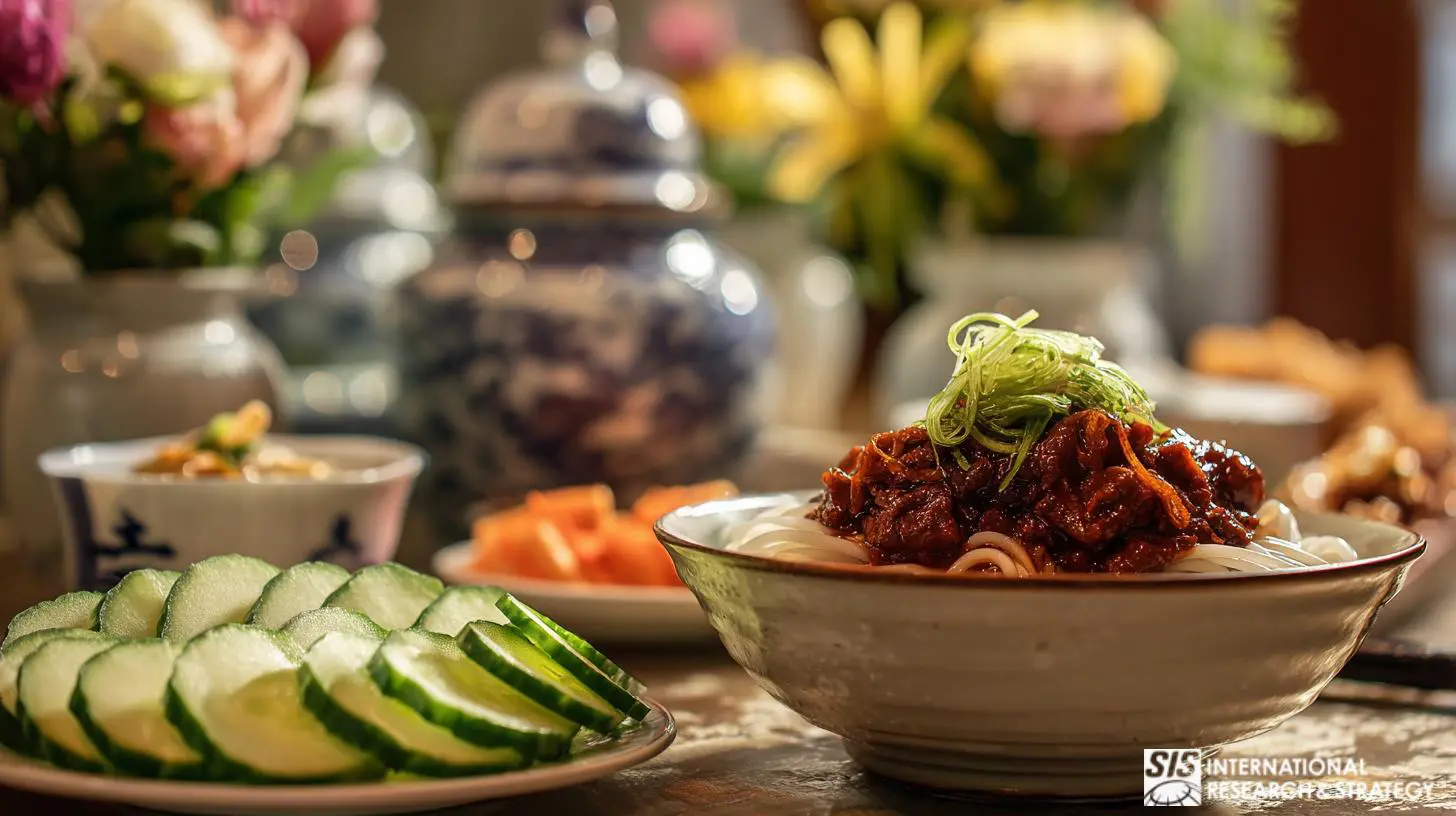
The food service industry is one of the largest industries in the United States.
Statistics by the U.S Bureau of Labor state that food preparation and serving related sectors combined to be the third largest employer by occupational groups in metropolitan and nonmetropolitan areas.
It is indicated that 2011 could be an excellent year for the restaurant industry. Sales are expected to climb up to a four year high, according to industry analysts. A recently released report by research firm Technomic predicts that the total U.S food service sales will overshadow 2010 by an increase of 1.7% in sales on a nominal basis and dipping just 0.3% on a real basis, which takes inflation into menu price consideration. And if this forecast is realized, it would be some of the highest growth since 2008.
汽車技術市場研究
Automotive Technology is rapidly evolving. For most of the 20th century General Motors, Ford, and Chrysler were the biggest companies in one of the world’s most important industries. But as car trends have vastly changed from SUVs and gas guzzlers to economy sized cars and green machines, “Detroit’s Big Three” have seen their sales … 閱讀更多
The New American Consumers Analysis: Trends Facing US Retailers

Following the “Great Recession” of 2009, consumers are living in the “new normal”. Here are some of the changes facing consumers and retailers in 2010.
Thriftiness
Consumers are spending less. Coupons, private labeled goods, loyalty rewards cards, products in bulk, self-service and discount stores are increasingly part of the consumer’s protection against financial worries. Deflation in prices is a fear among retailers.
Consumers are both more educated and risk-averse when purchasing products. They use product rating sites to read other users’ product ratings and to compare prices and functionality.
American consumers increasingly seek to enhance their wellness without the help of a medical professional. Organic retail stores have become more mainstream, despite the obesity epidemic.
Redefined consumerism and values
American attitudes toward ravenous consumerism has changed. According to one survey, 75% of respondents mentioned they would rather spend more time with family than make more money.
Consumers are increasingly pressured to pay off debt and consume only necessary products, instead of continue past consumption habits.
Increasingly, consumers want to know about product sustainability and the origination of goods. Locally produced goods are increasingly becoming a fixture in supermarkets.
Brick-and-Mortar not dying for all retailers
While brick-and-mortar shopping malls and video stores have declined, retail banks and specialty stores (e.g. Apple store and Sony Store) are still relevant to consumers. Online shopping and local retailers are gaining more importance.
New consumption trends are emerging, such as online grocery shopping in urban areas.
Retailers finding new ways to be relevant to consumers
Sophisticated digital signage is becoming a way for retailers to promote deals and track the effectiveness of in-store point of purchase advertising and messaging.
“Nostalgia marketing” is a rising trend, particularly with products targeted toward Baby Boomers. Marketers are creating goods emphasizing emotional connections to meaningful symbols.
教育服務行銷策略

Many do not often realize that Education is a business, even for non-profit universities. Attracting appropriate students and planning ahead financial are vital in a competitive industry with many different competing substitutes. The rise of the Digital Disruption means that more substitutes to traditional Education services are flourishing. Developing and implementing cogent strategies is critical. … 閱讀更多
Qualitative Research in China
[fusion_builder_container type=”flex” hundred_percent=”no” equal_height_columns=”no” menu_anchor=”” hide_on_mobile=”small-visibility,medium-visibility,large-visibility” class=”” id=”” background_color=”” background_image=”” background_position=”center center” background_repeat=”no-repeat” fade=”no” background_parallax=”none” parallax_speed=”0.3″ video_mp4=”” video_webm=”” video_ogv=”” video_url=”” video_aspect_ratio=”16:9″ video_loop=”yes” video_mute=”yes” overlay_color=”” video_preview_image=”” border_color=”” border_style=”solid” padding_top=”” padding_bottom=”” padding_left=”” padding_right=””][fusion_builder_row][fusion_builder_column type=”1_1″ layout=”1_1″ background_position=”left top” background_color=”” border_color=”” border_style=”solid” border_position=”all” spacing=”yes” background_image=”” background_repeat=”no-repeat” padding_top=”” padding_right=”” padding_bottom=”” padding_left=”” margin_top=”0px” margin_bottom=”0px” class=”” id=”” animation_type=”” animation_speed=”0.3″ animation_direction=”left” hide_on_mobile=”small-visibility,medium-visibility,large-visibility” center_content=”no” … 閱讀更多


 ZH_HK
ZH_HK  EN
EN  AR
AR  ZH
ZH  NL
NL  FR
FR  DE
DE  IT
IT  JA
JA  KO
KO  PL
PL  PT
PT  ES
ES