
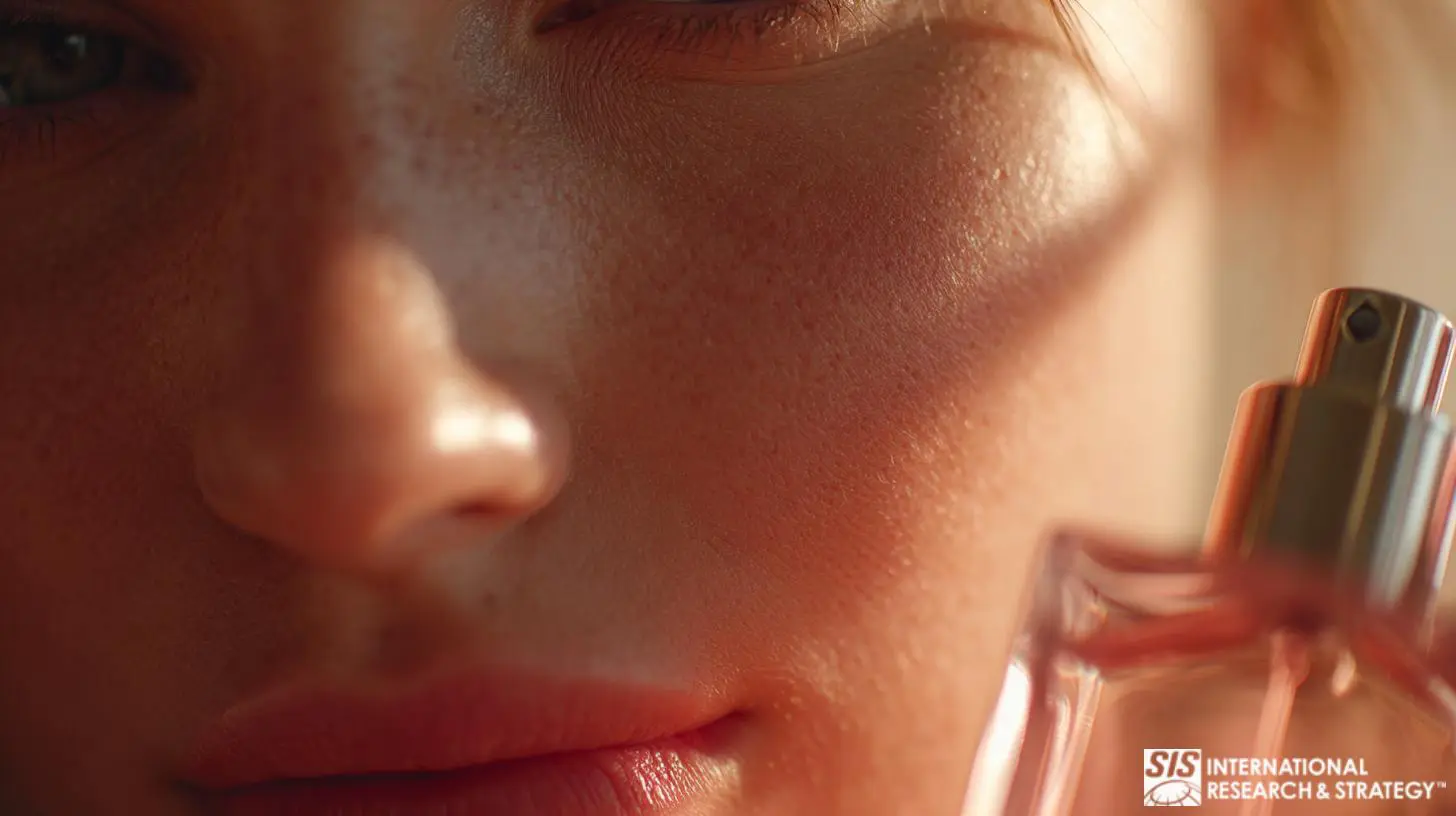

아름다움은 사업을 의미합니다.
Cosmetics are often considered a “low-involvement” product, meaning customers often spend little effort choosing between different products. In an age of cosmetic conglomerates rapidly reverse-engineering products, companies are finding that an emotional connection can be an effective way to build brand loyalty. Loyalty is important because it can lower customer acquisition costs, which can be high in the beauty market.
We conducted ethnography with women aged 18-22 for a major global cosmetics company.
We shadowed women who used cosmetics daily and spent a considerable amount of money per week on cosmetics in order to understand their daily routines, shopping habits, and customer needs regarding cosmetics. The findings were fascinating and indicated that women mostly used cosmetics to satisfy functional needs, such as concealing blemishes and oily skin. But the research also found a large opportunity to capture the emotional benefits of the product, such as bonding with other women.
Make up was an art satisfying needs for control, fun, self-expression, and confidence
Beyond the functional uses for cosmetics, an emotional connection emerges when both functionality and a positive usage experience are satisfied. Make-up is overwhelmingly intertwined with social dynamics. Friends are often “influencers.” Marketers need to treat friends as important influencers in the purchasing process, just as a cereal company considers children as influencers in the purchasing decisions of their parents. Even though cosmetic addicts may “cheat on” their favorite product in euphoric shopping experiences, they consistently come back to products with which they have emotional connections.
뷰티 마케터를 위한 기회:
- 여성이 친구와 함께 있다는 긍정적인 연상을 브랜드에 부여하기 위해 화장품을 "사회적" 화장품으로 포지셔닝
- 사회적 측면을 커뮤니케이션에 통합하면 마스카라와 같은 저관여 화장품과 감정적인 연결을 구축하는 데 도움이 될 수 있습니다.
- 친구와 함께하는 긍정적인 감정 사이의 교차점 구축
- 파티, 걸그룹 결합 등 제품을 중심으로 독특한 소셜 경험 창출


 KO
KO  EN
EN  AR
AR  ZH
ZH  ZH_HK
ZH_HK  NL
NL  FR
FR  DE
DE  IT
IT  JA
JA  PL
PL  PT
PT  ES
ES