
예멘 시장 조사
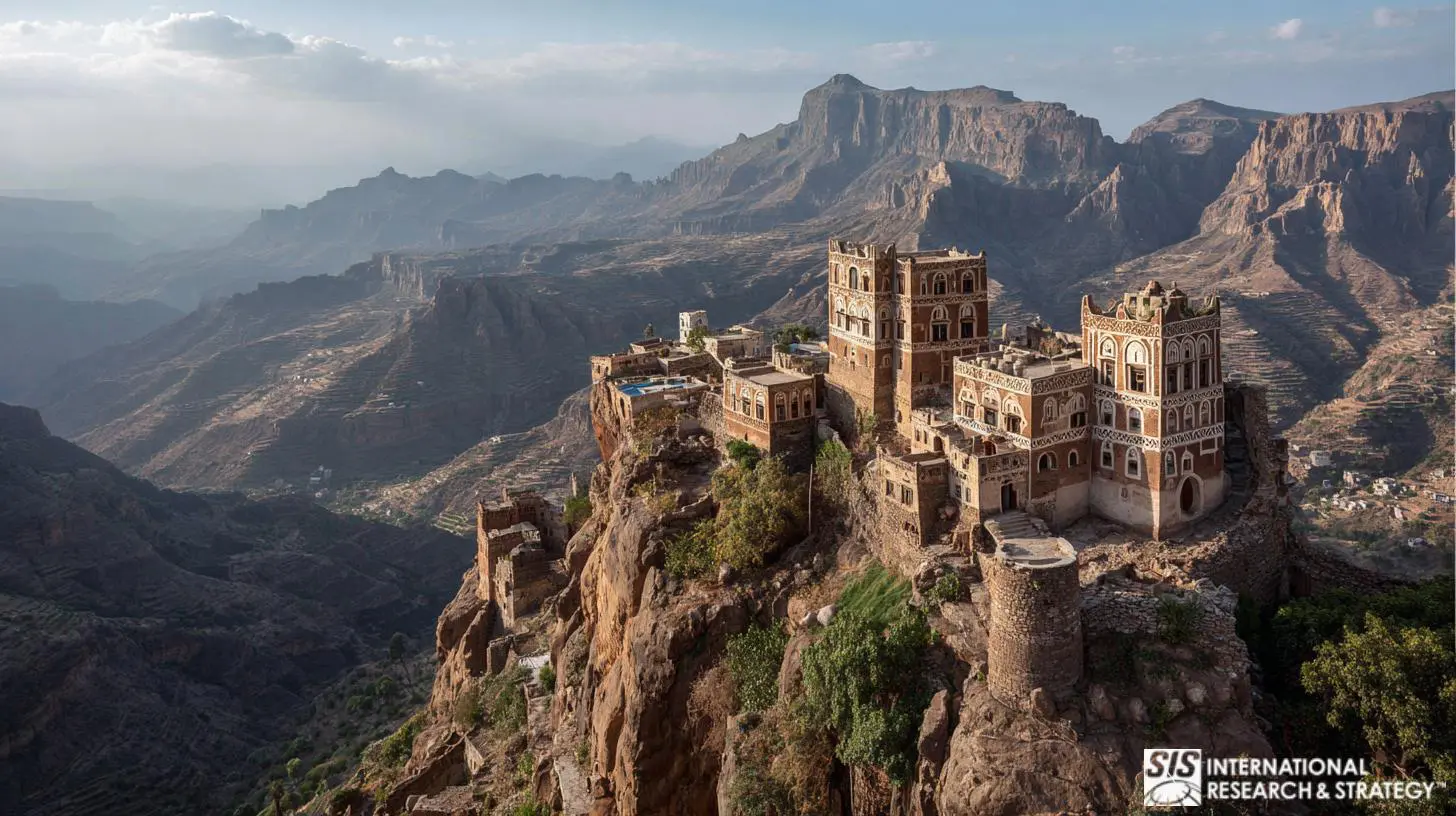
예멘의 격동적인 환경 속에서 시장 조사는 불확실성 속에서 기업을 안내하기 위해 등장합니다. 숨겨진 기회를 찾아내고, 소비자 행동을 해독하고, 변동성이 큰 시장의 복잡성을 헤쳐나갈 수 있습니다.
예멘의 시장 조사란 무엇입니까?
예멘의 시장 조사는 시장 역학, 소비자 행동, 다양한 산업을 형성하는 경쟁 세력을 이해하는 것을 목표로 합니다. 여기에는 설문조사, 인터뷰, 포커스 그룹, 데이터 분석 등 다양한 방법론이 포함되어 예멘에서 운영되는 기업에 대한 전략적 의사 결정을 알리는 통찰력을 얻습니다.
시장 조사는 시장 동향, 소비자 선호도 및 경쟁사 전략을 조사하여 예멘의 독특한 비즈니스 환경에서 제품 개발, 마케팅 계획 및 시장 진입 전략을 안내하는 귀중한 정보를 제공합니다.
왜 기업은 예멘에서 시장 조사가 필요합니까?
Market research in Yemen helps businesses gain insights into Yemeni consumers’ needs, preferences, and purchasing behavior, enabling them to tailor products and services to effectively meet market demand.
경쟁사 전략을 분석함으로써 시장 조사는 기업에 경쟁 위협을 식별하고, 제품을 차별화하며, 예멘에서 뚜렷한 시장 위치를 확보할 수 있는 인텔리전스를 제공합니다.
어쨌든 다음과 같은 몇 가지 다른 이점을 제공합니다.
- 위험 완화: 철저한 시장 조사를 통해 기업은 규제 장애물, 경쟁 위협, 경제적 불확실성 등 예멘 시장의 잠재적인 위험과 과제를 식별할 수 있습니다.
- 경쟁 우위: 예멘의 시장 조사는 경쟁사 전략, 시장 동향 및 소비자 행동에 대한 통찰력을 제공함으로써 기업이 경쟁 우위를 확보하는 데 도움이 됩니다.
- 타겟 마케팅: 시장 조사를 통해 기업은 시장을 세분화하고 다양한 소비자 부문의 요구와 선호도를 이해함으로써 마케팅 활동을 보다 효과적으로 맞춤화할 수 있습니다.
- 기회 식별: 예멘의 시장 조사는 기업이 국가 시장에서 성장과 확장을 위한 새로운 기회를 찾는 데 도움을 줍니다.
예멘에서 시장 조사를 수행해야 하는 경우
예멘의 시장 조사는 전략적 의사 결정을 알리고 변화하는 시장 역학에 적응하기 위해 비즈니스 운영의 다양한 단계에서 수행되어야 합니다.
마찬가지로 기업은 예멘 시장에 진출하기 전에 시장 조사를 수행하여 시장 타당성을 평가하고 소비자 선호도를 이해하며 경쟁을 평가해야 합니다.
기업이 예멘에서 사업을 확장하고 다각화함에 따라 지속적인 성공과 성장을 보장하기 위해 시장 동향을 모니터링하고, 새로운 기회를 평가하고, 경쟁 환경을 평가하려면 지속적인 시장 조사가 필수적입니다.
현재 시장 검토 및 권장 사항
We consider Yemen’s market shows signs of resilience and adaptability. While Yemen’s market faces uncertainties due to political instability, economic challenges, and humanitarian crises, there are opportunities for growth and investment in sectors such as telecommunications, healthcare, renewable energy, and food security. Businesses that can navigate risks, capitalize on opportunities, and adapt to changing market conditions stand to succeed in Yemen’s dynamic business environment.
Despite challenges, Yemen offers potential returns on investment for businesses that adopt a long-term perspective, implement sound strategies, and prioritize resilience and adaptability. With careful planning, risk management, and market intelligence, companies can unlock opportunities and achieve sustainable growth and profitability in Yemen.
우리의 분석에 따르면 예멘에서 사업을 운영하거나 예멘 진출을 고려 중인 기업에 다음 사항을 권장합니다.
- 종합적인 시장 조사 수행: 시장 동향, 소비자 행동, 경쟁 역학을 지속적으로 모니터링하여 전략적 의사결정에 정보를 제공하고 앞서 나가세요.
- 맞춤형 전략 개발: 예멘 고유의 시장 역학 및 소비자 선호도에 맞춰 시장 진입, 제품 개발 및 마케팅 전략을 맞춤화합니다.
- 강력한 파트너십 구축: 현지 이해관계자, 공급업체, 유통업체와 전략적 파트너십을 구축하여 규제 문제를 해결하고 현지 전문 지식을 활용하며 시장 침투력을 강화합니다.
- 적응성과 회복력을 우선시하세요: 변화하는 시장 상황에 대응하고 위험을 완화하며 예멘에서 새로운 기회를 활용하기 위해 유연성과 민첩성을 유지합니다.
SIS 시장조사 서비스의 기대효과
SIS International의 시장 조사 서비스는 예멘에서 운영되는 기업에 실질적인 결과를 제공하고 가치를 창출하도록 설계되었습니다. 기업이 당사 서비스를 활용함으로써 기대할 수 있는 결과는 다음과 같습니다.
실행 가능한 통찰력:
SIS 국제 예멘의 시장 역학, 소비자 행동 및 경쟁 환경에 대한 실행 가능한 통찰력을 기업에 제공합니다. 데이터를 실행 가능한 권장 사항으로 변환함으로써 기업이 정보에 입각한 결정을 내리고 기회를 활용하며 위험을 효과적으로 완화할 수 있도록 지원합니다.
전략적 지침:
우리는 예멘의 시장 동향, 업계 벤치마크 및 소비자 선호도에 대한 심층 분석을 기반으로 전략적 지침을 제공합니다. 우리의 권장 사항은 각 고객의 특정 요구 사항과 목표에 맞게 조정되어 기업이 예멘 시장에서 성장, 수익성 및 장기적인 성공을 촉진하는 전략을 개발하도록 안내합니다.
위험 완화:
Through comprehensive risk assessments and scenario analysis, we help businesses identify and mitigate potential risks and challenges in Yemen’s market. By proactively addressing regulatory, political, and operational risks, we enable companies to safeguard their investments, protect their interests, and ensure business continuity in Yemen.
시장 확장:
SIS 기업이 예멘에서 입지와 시장 점유율을 확대할 수 있도록 지원합니다. 우리는 미개척 시장 부문을 식별하고, 시장 진입 기회를 평가하고, 확장 전략을 평가함으로써 기업이 새로운 시장에 진출하고, 수익 흐름을 늘리고, 예멘에서 지속 가능한 성장을 달성할 수 있도록 지원합니다.
강화된 경쟁 우위:
경쟁 인텔리전스 및 벤치마킹 분석을 통해 기업은 예멘의 경쟁사 전략, 시장 포지셔닝 및 소비자 선호도를 이해함으로써 경쟁 우위를 확보합니다.
ROI 극대화:
당사의 시장 조사 서비스는 예멘에서 운영되는 기업의 투자 수익을 극대화하도록 설계되었습니다. 귀중한 통찰력, 전략적 지침 및 실행 가능한 권장 사항을 제공함으로써 기업이 리소스 할당을 최적화하고, 비용을 최소화하고, 수익 성장을 촉진하여 예멘의 수익성과 ROI가 향상되도록 돕습니다.
예멘 시장의 주요 플레이어

예멘의 역동적인 비즈니스 환경에서 다양한 산업 분야의 여러 주요 기업이 경제 활동을 주도하고 시장 역학을 형성하는 데 중추적인 역할을 하고 있습니다. 예멘 시장을 효과적으로 탐색하려는 기업에게는 이러한 주요 업체를 이해하는 것이 필수적입니다. 예멘에서 활동하는 주요 기업과 브랜드는 다음과 같습니다.
- 예멘 석유 회사(YPC): YPC는 국영 석유가스 기업으로 예멘 내 석유제품의 탐사, 생산, 정제, 유통에 중심적인 역할을 하고 있습니다.
- 헤이엘사이드 아남그룹: 예멘 최대 대기업 중 하나인 Hayel Saeed Anam Group은 식품 가공, 농업, 제조, 무역 등 다양한 부문에서 사업을 운영하고 있습니다.
- 사바폰: SabaFon은 소비자와 기업에 모바일, 인터넷 및 기타 통신 서비스를 제공하는 예멘의 선도적인 통신 회사입니다.
- 예멘 모바일: 예멘 통신 부문의 또 다른 주요 업체인 Yemen Mobile은 광범위한 고객 기반에 모바일 및 인터넷 서비스를 제공합니다.
- 아덴 정유소 회사: Aden Refinery Company는 원유를 휘발유, 디젤, 항공유 등 석유제품으로 정제하는 일을 담당하는 예멘 정유 산업의 핵심 기업입니다.
- 예멘 국립은행(NBY): 예멘 최대 은행 중 하나인 NBY는 개인, 기업 및 정부 기관에 광범위한 은행 및 금융 서비스를 제공합니다.
핵심산업
예멘에서는 원유 생산이 매우 중요합니다. 석유는 정부 수입의 4분의 3을 차지한다. 예멘의 다른 산업으로는 농업, 어업, 수공예품이 있습니다. 예멘인들은 또한 직물, 가죽 제품, 면화를 생산합니다. 기타 수출 품목으로는 커피, 면화, 생선, 기름, 설탕 등이 있습니다.
이웃
예멘은 아라비아 반도의 남서쪽 모퉁이에 위치해 있습니다. 사우디아라비아는 북쪽에 있고, 아덴만은 예멘 남쪽에 있습니다. 이 나라는 서쪽으로 홍해, 동쪽으로 오만과 접해 있습니다.
사나(Sana'a)는 예멘의 수도이자 최대 도시이다. Sana'a는 수십 개의 모스크, 여러 개의 함맘(목욕탕), 수천 채의 가옥이 있는 세계에서 가장 오래된 점령 도시 중 하나입니다. 이 모든 구조물의 역사는 11세기 이전으로 거슬러 올라갑니다. Sana'a는 잘 정의된 건물로 유명합니다.
동향
예멘에서는 코로나19가 심각했습니다. 코로나바이러스 이전의 국가 상황 때문에 그 영향은 심각했습니다. 2015년에 내전이 발발하여 현대 최악의 위기 중 하나로 이어졌습니다. 그 나라는 식량 부족에 직면했습니다. 또한 지금까지 기록된 콜레라 발병 중 가장 치명적인 발병 사례 중 하나였습니다.
전쟁 이후 예멘에는 많은 사회 집단이 존재합니다. 이들 그룹은 사람들의 필요 사항을 해결하기 위해 노력해 왔습니다.
더욱이, 예멘 인도주의 기금(YHF)은 가장 가난한 사람들의 필요에 부응하기 위해 수백만 달러를 받았습니다. YHF는 도움이 필요한 예멘 사람들을 지원하고 유지하며 지원합니다.
시장의 장점과 강점
예멘의 시장에서 가장 큰 강점은 국가 수출의 대부분을 차지하는 원유입니다. 중국, 사우디아라비아, 오만, 태국이 주요 무역 상대국이다. 예멘은 말레이시아, 아랍에미리트, 터키와도 무역을 하고 있습니다.
예멘의 시장 동인
예멘의 경제적 어려움에도 불구하고 몇 가지 주요 동인은 경제 활동을 자극하고 비즈니스 기회를 제공합니다. 예멘의 주요 시장 동인은 다음과 같습니다.
• 천연 자원: 예멘은 석유, 천연가스, 광물, 경작지 등 상당한 천연자원을 보유하고 있습니다. 이러한 자원을 활용하면 경제 활동이 촉진되고, 수익이 창출되며, 에너지, 농업, 광업 등 다양한 산업이 지원됩니다.
• 인구 증가: 예멘의 인구는 지속적으로 증가하고 있으며 소비재, 의료, 교육, 주택 등 분야에서 비즈니스 기회를 제시하고 있습니다. 소비자 기반이 확대되면서 광범위한 제품과 서비스에 대한 수요가 창출되어 소비와 경제 성장이 촉진됩니다.
• 해외 원조 및 투자: 해외 원조와 투자는 재건 노력, 인도주의적 지원, 민간 부문 개발을 지원하는 등 예멘 경제에 중요한 역할을 합니다. 국제 지원 및 투자 계획은 예멘의 일자리 창출, 인프라 개발 및 경제 안정에 기여합니다.
탄력성과 적응성: 정치적 불안정, 갈등, 경제적 변동성에도 불구하고 예멘 경제는 회복력과 적응성을 보여왔습니다. 역경 속에서도 위험을 탐색하고, 혁신하고, 기회를 활용할 수 있는 기업은 예멘의 역동적인 비즈니스 환경에서 성공할 수 있습니다.
예멘의 시장 제한
예멘은 비즈니스 성장과 투자 기회를 제공하지만, 여러 가지 시장 제약과 과제는 경제 발전을 방해하고 비즈니스 위험을 초래합니다. 예멘의 주요 시장 제약 사항은 다음과 같습니다.
• 정치적 불안정: 예멘은 시민 불안, 무력 충돌, 정부 지도부의 잦은 교체 등 장기간의 정치적 불안을 경험해 왔습니다. 정치적 불확실성은 투자자의 신뢰를 약화시키고 비즈니스 운영을 방해하며 불안정한 비즈니스 운영 환경을 조성합니다.
• 보안 문제: 테러, 반란, 무력 충돌 등의 안보 문제는 예멘 기업에 심각한 위험을 초래합니다. 만연한 폭력과 불안은 외국인 투자를 억제하고 경제 발전을 방해하며 직원과 자산의 안전을 위협합니다.
• 경제 위기: 예멘은 높은 실업률, 인플레이션, 통화 가치 하락, 재정 적자 등 경제적 어려움에 직면해 있습니다. 경제적 불안정은 소비자 구매력을 제한하고 기업 투자를 제한하며 국가의 빈곤과 사회적 불안을 초래합니다.
• 인프라 부족: 예멘의 기반시설은 교통, 에너지, 물 공급, 통신 등이 부족하여 낙후되고 열악합니다. 열악한 기반시설은 비즈니스 운영을 방해하고, 비용을 증가시키며, 특히 외딴 지역과 농촌 지역에서 시장 접근을 제한합니다.
• 인도주의적 위기: 예멘은 식량 불안, 영양실조, 의료 및 교육 등 기본 서비스에 대한 접근성 부족 등 인도주의적 위기에 직면해 있습니다. 인도주의적 상황은 빈곤, 사회적 불안정, 경제적 취약성을 악화시켜 예멘에서 사업을 운영하는 기업에 어려움을 안겨줍니다.
• 금융에 대한 제한된 접근: 예멘에서는 은행의 유동성 제약, 높은 대출 금리, 엄격한 대출 기준 등으로 인해 금융 접근성이 제한되어 있습니다. 신용에 대한 제한된 접근으로 인해 사업 확장, 투자 및 기업가 정신이 저해되고 국가의 경제 성장과 일자리 창출이 제한됩니다.
산업 매력도: 예멘 시장의 SWOT 분석
이러한 내부 및 외부 요인을 조사함으로써 기업은 강점을 활용하고, 약점을 해결하고, 기회를 활용하고, 위협을 완화하기 위한 정보에 입각한 전략을 개발할 수 있습니다. 예멘 시장에 대한 SWOT 분석은 다음과 같습니다.
강점:
- 풍부한 천연자원: 예멘이 소유한 것 풍부한 천연자원석유, 천연가스, 광물, 경작지를 포함하여 투자와 경제 발전의 기회를 제공합니다.
- 전략적 위치: 예멘은 아프리카, 아시아, 중동이 교차하는 전략적 위치에 있어 국제 무역과 투자를 촉진하는 중요한 무역 허브로 자리매김하고 있습니다.
- 젊은 인력: 예멘의 젊은 인구 증가는 대규모 노동력 풀을 활용하려는 기업에 잠재적인 인구학적 배당금을 제공합니다.
- 문화유산과 관광 잠재력: 예멘은 관광객을 끌어들이는 풍부한 문화유산, 유적지, 자연 경관을 자랑하며 호텔 및 관광 산업에 기회를 제공합니다.
- 국제 지원 및 투자: 해외 원조 및 투자 계획은 예멘의 재건 노력, 인프라 개발, 민간 부문 성장을 지원합니다.
약점:
- 정치적 불안정: 무력충돌, 정부 지도부의 잦은 교체 등 정치적 불안정은 예멘 시장의 불확실성과 변동성을 야기하여 외국인 투자를 저해하고 경제성장을 저해합니다.
- 보안 문제: 테러, 반란, 무력 충돌과 같은 보안 문제는 특히 분쟁 영향 지역에서 기업을 위협하고 비즈니스 운영을 방해합니다.
- 경제 위기: 예멘은 높은 실업률, 인플레이션, 통화 가치 하락, 재정 적자 등 경제적 어려움에 직면해 있으며, 이는 소비자 구매력을 제약하고 기업 투자를 제한합니다.
- 인프라 결함: 예멘의 기반시설은 낙후되어 있고 부적절하며 교통, 에너지, 물 공급, 통신 등의 결함으로 인해 사업 운영과 시장 접근이 저해되고 있습니다.
- 인도주의적 위기: 예멘은 식량 불안, 영양실조, 기본 서비스에 대한 접근성 부족 등 인도주의적 위기에 직면해 있으며, 이는 빈곤, 사회적 불안정, 경제적 취약성을 악화시키고 있습니다.
기회:
- 인프라 투자: 결함을 해결하고 경제 성장을 지원하기 위해 교통, 에너지, 통신, 유틸리티 등 인프라 개발에 투자할 수 있는 기회가 있습니다.
- 경제의 다각화: 재생에너지 개발, 농업 현대화, 관광 진흥 등 경제 다각화 계획은 새로운 분야와 시장으로 확장할 수 있는 비즈니스 기회를 제공합니다.
- 국제 무역 및 투자: 예멘의 전략적 위치와 무역 협정은 기업에게 지역 및 국제 시장에 접근하고 수출 시장을 다양화하며 외국인 투자를 유치할 수 있는 기회를 제공합니다.
- 인적 자본 개발: 교육, 기술 개발, 직업 훈련에 대한 투자는 예멘 인력의 역량을 향상시켜 기업이 숙련된 인재를 모집하고 유지할 수 있는 기회를 제공할 수 있습니다.
- 기술 채택: 기술 채택과 디지털 혁신 이니셔티브는 예멘 시장에서 비즈니스 효율성, 생산성 및 경쟁력을 향상시킬 수 있습니다.
위협:
- 보안 위험: 테러, 반란, 무력 충돌 등 지속적인 보안 문제는 기업과 직원에게 심각한 위험을 초래하여 운영을 방해하고 비즈니스 연속성에 영향을 미칩니다.
- 정치적 불확실성: 정치적 불안정과 거버넌스 문제는 기업에 불확실성과 규제 위험을 야기하여 예멘의 투자 결정과 시장 신뢰에 영향을 미칩니다.
- 경제적 변동성: 높은 인플레이션, 통화 가치 하락, 재정 적자 등 예멘의 경제 위기는 비용 증가, 수익 불확실성, 금융 불안정 등 기업에 위험을 초래합니다.
- 인도주의적 위기 영향: 식량 불안, 영양실조, 기본 서비스 접근성 부족 등 예멘의 인도적 위기는 소비자 구매력, 시장 수요, 사업 운영에 영향을 미칩니다.
- 인프라 취약점: 운송, 에너지, 통신 등 인프라 결함은 특히 외딴 지역과 농촌 지역에서 사업 운영, 공급망 관리, 시장 접근에 위험을 초래합니다.
시장에서 비즈니스를 성장시켜야 하는 이유
예멘은 현재 세계 최악의 위기를 겪고 있다. 나라는 회복을 위해 싸우고 있습니다. 그럼에도 불구하고 예멘에서 사업을 성장시키고 시작해야 하는 몇 가지 중요한 이유가 있습니다.
우선, 예멘은 기업 활성화 및 고용 파일럿 프로그램을 시작했습니다. 이 프로그램은 새로운 사업 확장을 위해 소액의 매칭 보조금을 제공합니다. 이는 기업이 새로운 시장에 진입하는 데 도움을 주고 제품을 개선하는 데 도움이 됩니다. 세계은행(World Bank)과 기타 기관들도 유사한 프로젝트에 관심을 보였습니다.
For another, word-of-mouth promotion is vital and effective in Yemen. People will converse about new and unique businesses, which makes other people aware. So, your business can use a cheap and reliable form of advertising.

 KO
KO  EN
EN  AR
AR  ZH
ZH  ZH_HK
ZH_HK  NL
NL  FR
FR  DE
DE  IT
IT  JA
JA  PL
PL  PT
PT  ES
ES