
Pesquisa de mercado no Iêmen
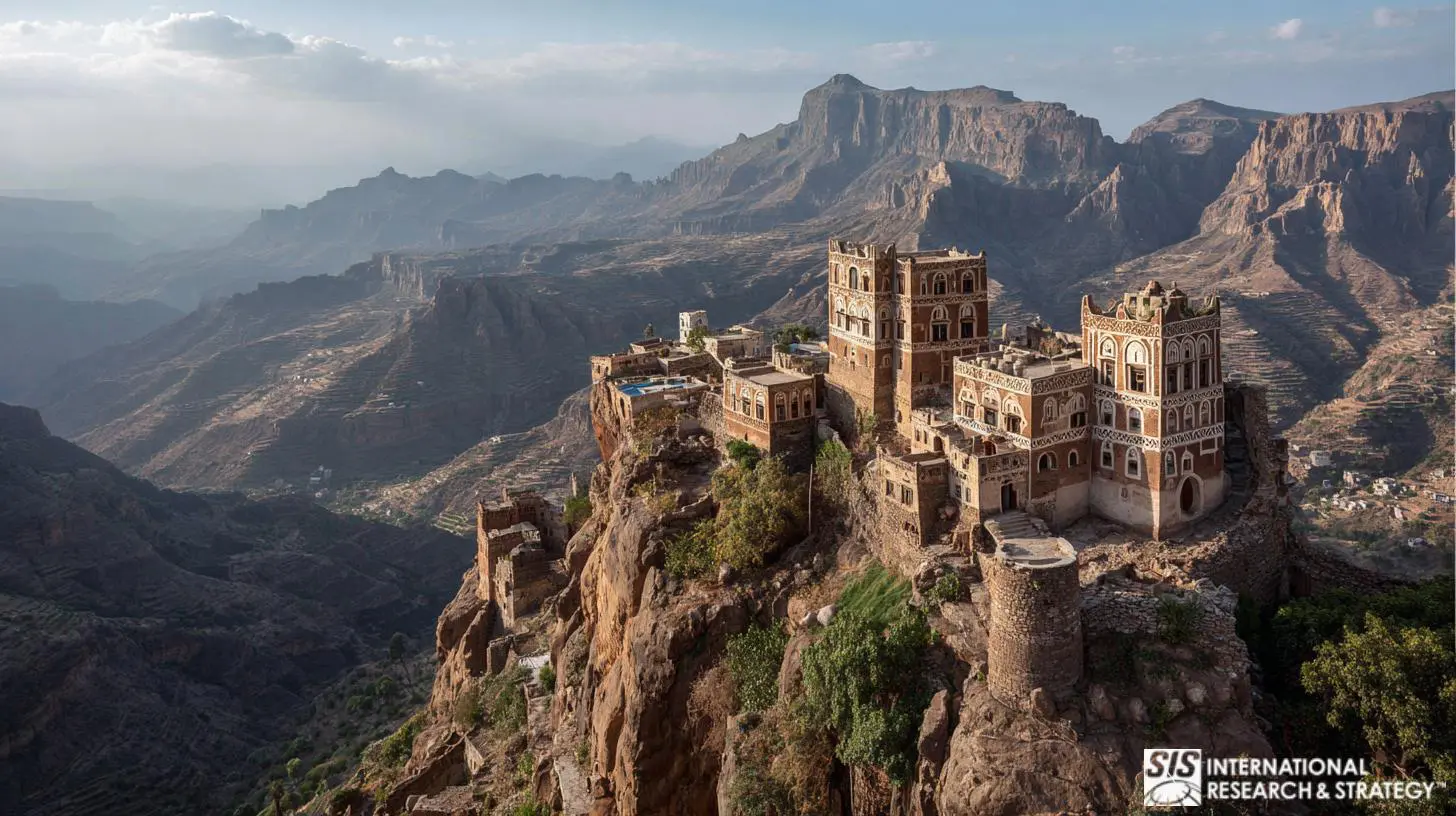
No cenário turbulento do Iémen, surgem pesquisas de mercado para orientar as empresas em meio à incerteza. Pode revelar oportunidades ocultas, descodificar o comportamento do consumidor e navegar pelas complexidades de um mercado volátil.
O que é pesquisa de mercado no Iêmen?
A pesquisa de mercado no Iêmen visa compreender a dinâmica do mercado, o comportamento do consumidor e as forças competitivas que moldam vários setores. Abrange uma série de metodologias, incluindo pesquisas, entrevistas, grupos focais e análise de dados, para descobrir insights que embasam a tomada de decisões estratégicas para empresas que operam no Iêmen.
A pesquisa de mercado fornece informações valiosas para orientar o desenvolvimento de produtos, iniciativas de marketing e estratégias de entrada no mercado no ambiente de negócios único do Iêmen, examinando tendências de mercado, preferências do consumidor e estratégias da concorrência.
Por que as empresas precisam de pesquisas de mercado no Iêmen?
Market research in Yemen helps businesses gain insights into Yemeni consumers’ needs, preferences, and purchasing behavior, enabling them to tailor products and services to effectively meet market demand.
Ao analisar as estratégias dos concorrentes, a pesquisa de mercado equipa as empresas com inteligência para identificar ameaças competitivas, diferenciar ofertas e conquistar uma posição de mercado distinta no Iémen.
Em qualquer caso, traz algumas outras vantagens como:
- Mitigação de riscos: Ao realizar pesquisas de mercado minuciosas, as empresas podem identificar potenciais riscos e desafios no mercado do Iémen, tais como obstáculos regulamentares, ameaças competitivas e incertezas económicas.
- Vantagem competitiva: A pesquisa de mercado no Iêmen ajuda as empresas a obter vantagem competitiva, fornecendo insights sobre estratégias de concorrentes, tendências de mercado e comportamento do consumidor.
- Marketing direcionado: A pesquisa de mercado permite que as empresas adaptem os seus esforços de marketing de forma mais eficaz, segmentando o mercado e compreendendo as necessidades e preferências dos diferentes segmentos de consumidores.
- Identificação de oportunidade: A pesquisa de mercado no Iêmen auxilia as empresas a descobrir novas oportunidades de crescimento e expansão no mercado do país.
Quando realizar pesquisas de mercado no Iêmen
A pesquisa de mercado no Iémen deve ser realizada em vários estágios das operações comerciais para informar a tomada de decisões estratégicas e se adaptar às mudanças na dinâmica do mercado.
Da mesma forma, antes de entrar no mercado iemenita, as empresas devem realizar pesquisas de mercado para avaliar a viabilidade do mercado, compreender as preferências dos consumidores e avaliar a concorrência.
À medida que as empresas expandem e diversificam as suas operações no Iémen, a pesquisa de mercado contínua é essencial para monitorizar as tendências do mercado, avaliar novas oportunidades e avaliar o cenário competitivo para garantir o sucesso e o crescimento contínuos.
Nossa análise e recomendações atuais do mercado
We consider Yemen’s market shows signs of resilience and adaptability. While Yemen’s market faces uncertainties due to political instability, economic challenges, and humanitarian crises, there are opportunities for growth and investment in sectors such as telecommunications, healthcare, renewable energy, and food security. Businesses that can navigate risks, capitalize on opportunities, and adapt to changing market conditions stand to succeed in Yemen’s dynamic business environment.
Despite challenges, Yemen offers potential returns on investment for businesses that adopt a long-term perspective, implement sound strategies, and prioritize resilience and adaptability. With careful planning, risk management, and market intelligence, companies can unlock opportunities and achieve sustainable growth and profitability in Yemen.
Com base em nossa análise, recomendamos que as empresas que operam ou consideram entrar no Iêmen:
- Conduza pesquisas de mercado abrangentes: Monitore continuamente as tendências do mercado, o comportamento do consumidor e a dinâmica competitiva para informar a tomada de decisões estratégicas e ficar à frente da curva.
- Desenvolva estratégias personalizadas: Personalize a entrada no mercado, o desenvolvimento de produtos e as estratégias de marketing para se alinhar à dinâmica de mercado e às preferências do consumidor exclusivas do Iêmen.
- Construa parcerias fortes: Forjar parcerias estratégicas com partes interessadas, fornecedores e distribuidores locais para enfrentar os desafios regulatórios, aproveitar a experiência local e aumentar a penetração no mercado.
- Priorize Adaptabilidade e Resiliência: Manter a flexibilidade e a agilidade para responder às mudanças nas condições do mercado, mitigar riscos e capitalizar as oportunidades emergentes no Iémen.
Resultados esperados dos serviços de pesquisa de mercado da SIS
Os serviços de pesquisa de mercado da SIS International são projetados para fornecer resultados tangíveis e gerar valor para as empresas que operam no Iêmen. Aqui estão os resultados esperados que as empresas podem esperar ao contratar nossos serviços:
Insights acionáveis:
SIS Internacional fornece às empresas insights práticos sobre a dinâmica do mercado, o comportamento do consumidor e o cenário competitivo do Iêmen. Ao traduzir dados em recomendações acionáveis, capacitamos as empresas a tomar decisões informadas, capitalizar oportunidades e mitigar riscos de forma eficaz.
Orientação Estratégica:
Oferecemos orientação estratégica com base em uma análise aprofundada das tendências de mercado, benchmarks do setor e preferências do consumidor no Iêmen. Nossas recomendações são adaptadas às necessidades e objetivos específicos de cada cliente, orientando as empresas no desenvolvimento de estratégias que impulsionem o crescimento, a lucratividade e o sucesso de longo prazo no mercado do Iêmen.
Mitigação de riscos:
Through comprehensive risk assessments and scenario analysis, we help businesses identify and mitigate potential risks and challenges in Yemen’s market. By proactively addressing regulatory, political, and operational risks, we enable companies to safeguard their investments, protect their interests, and ensure business continuity in Yemen.
Expansão do Mercado:
SIS apoia as empresas na expansão da sua presença e quota de mercado no Iémen. Ao identificar segmentos de mercado inexplorados, avaliar oportunidades de entrada no mercado e avaliar estratégias de expansão, permitimos que as empresas penetrem em novos mercados, aumentem os fluxos de receitas e alcancem um crescimento sustentável no Iémen.
Vantagem Competitiva Aprimorada:
Com nossa inteligência competitiva e análise de benchmarking, as empresas ganham uma vantagem competitiva ao compreender as estratégias dos concorrentes, o posicionamento de mercado e as preferências do consumidor no Iêmen.
ROI maximizado:
Nossos serviços de pesquisa de mercado são projetados para maximizar o retorno do investimento para empresas que operam no Iêmen. Ao fornecer informações valiosas, orientação estratégica e recomendações práticas, ajudamos as empresas a otimizar a alocação de recursos, minimizar custos e impulsionar o crescimento das receitas, levando a uma maior rentabilidade e ROI no Iémen.
Principais players no mercado do Iêmen

No cenário empresarial dinâmico do Iémen, vários intervenientes líderes em vários setores são fundamentais para impulsionar a atividade económica e moldar a dinâmica do mercado. Compreender estes intervenientes-chave é essencial para as empresas que procuram navegar de forma eficaz no mercado iemenita. Aqui estão algumas das empresas e marcas líderes que operam no Iêmen:
- Companhia Petrolífera do Iêmen (YPC): Como empresa estatal de petróleo e gás, a YPC desempenha um papel central na exploração, produção, refino e distribuição de produtos petrolíferos no Iémen.
- Grupo Hayel Saeed Anam: Um dos maiores conglomerados do Iêmen, o Grupo Hayel Saeed Anam opera em vários setores, incluindo processamento de alimentos, agricultura, manufatura e comércio.
- SabaFon: SabaFon é uma empresa líder de telecomunicações no Iêmen, fornecendo serviços móveis, de Internet e outros serviços de telecomunicações para consumidores e empresas.
- Iêmen Móvel: Outro importante player no setor de telecomunicações do Iêmen, a Yemen Mobile oferece serviços móveis e de Internet para uma ampla base de clientes.
- Companhia de Refinaria de Aden: A Aden Refinery Company é um participante importante na indústria de refino de petróleo do Iêmen, responsável pelo refino de petróleo bruto em produtos petrolíferos, como gasolina, diesel e combustível de aviação.
- Banco Nacional do Iêmen (NBY): Como um dos maiores bancos do Iémen, o NBY oferece uma ampla gama de serviços bancários e financeiros a indivíduos, empresas e entidades governamentais.
Principais indústrias
A produção de petróleo bruto é crítica no Iémen. O petróleo representa três quartos das receitas do governo. Outras indústrias no Iêmen são a agricultura, a pesca e o artesanato. Os iemenitas também produzem têxteis, produtos de couro e algodão. Outros produtos de exportação incluem café, algodão, peixe, petróleo e açúcar.
Bairros
O Iêmen fica no canto sudoeste da Península Arábica. A Arábia Saudita fica ao norte e o Golfo de Aden fica ao sul do Iêmen. O país faz fronteira com o Mar Vermelho a oeste e com Omã a leste.
Sana'a é a capital e maior cidade do Iêmen. Sana'a é uma das cidades ocupadas mais antigas do mundo, com dezenas de mesquitas, vários hammams (banhos) e milhares de casas. Todas estas estruturas datam de antes do século XI. Sana'a é famosa pelos seus edifícios bem definidos.
Tendências
A Covid-19 foi grave no Iémen. Seu impacto foi agudo devido ao estado do país antes do coronavírus. Em 2015, eclodiu uma guerra civil, levando a uma das piores crises modernas. O país enfrentou escassez de alimentos. Também teve um dos surtos de cólera mais mortais já registrados.
Após a guerra, o Iémen tem muitos grupos sociais. Esses grupos se comprometeram a atender às necessidades das pessoas.
Além disso, o Fundo Humanitário do Iémen (YHF) recebeu milhões de dólares para responder às necessidades das pessoas mais pobres. A YHF apoia, sustenta e auxilia o povo necessitado do Iêmen.
Benefícios e pontos fortes no mercado
A maior força do Iémen no mercado é o petróleo bruto, que representa a maior parte das exportações do país. China, Arábia Saudita, Omã e Tailândia são os seus principais parceiros comerciais. O Iêmen também comercializa com a Malásia, os Emirados Árabes Unidos e a Turquia.
Drivers de mercado no Iêmen
Apesar dos desafios económicos do Iémen, vários fatores-chave estimulam a atividade económica e apresentam oportunidades de negócio. Aqui estão alguns dos principais impulsionadores do mercado no Iêmen:
• Recursos naturais: O Iémen possui recursos naturais significativos, incluindo petróleo, gás natural, minerais e terras aráveis. A exploração destes recursos impulsiona a actividade económica, gera receitas e apoia diversas indústrias, como a energia, a agricultura e a mineração.
• Crescimento populacional: A população do Iémen continua a crescer, apresentando oportunidades de negócios em setores como bens de consumo, saúde, educação e habitação. A base de consumidores em expansão cria procura por uma vasta gama de produtos e serviços, impulsionando o consumo e o crescimento económico.
• Ajuda Externa e Investimento: A ajuda e o investimento estrangeiros desempenham um papel significativo na economia do Iémen, apoiando os esforços de reconstrução, a assistência humanitária e o desenvolvimento do sector privado. As iniciativas internacionais de assistência e investimento contribuem para a criação de emprego, o desenvolvimento de infra-estruturas e a estabilidade económica no Iémen.
Resiliência e Adaptabilidade: Apesar da instabilidade política, dos conflitos e da volatilidade económica, a economia do Iémen demonstrou resiliência e adaptabilidade. As empresas que conseguem enfrentar os riscos, inovar e capitalizar as oportunidades no meio da adversidade terão sucesso no ambiente de negócios dinâmico do Iémen.
Restrições de mercado no Iêmen
Embora o Iémen apresente oportunidades de crescimento empresarial e de investimento, diversas restrições e desafios de mercado prejudicam o desenvolvimento económico e representam riscos empresariais. Aqui estão algumas das principais restrições de mercado no Iêmen:
• Instabilidade política: O Iémen tem vivido uma instabilidade política prolongada, incluindo agitação civil, conflitos armados e mudanças frequentes na liderança governamental. A incerteza política mina a confiança dos investidores, perturba as operações comerciais e cria um ambiente operacional empresarial volátil.
• Preocupações com segurança: Os desafios de segurança, incluindo o terrorismo, a insurgência e os conflitos armados, representam riscos significativos para as empresas no Iémen. A prevalência da violência e da insegurança dissuade o investimento estrangeiro, dificulta o desenvolvimento económico e ameaça a segurança dos trabalhadores e dos activos.
• Crise econômica: O Iémen enfrenta desafios económicos, incluindo elevado desemprego, inflação, depreciação da moeda e défices fiscais. A instabilidade económica restringe o poder de compra dos consumidores, limita o investimento empresarial e contribui para a pobreza e a agitação social no país.
• Deficiências de infraestrutura: A infra-estrutura do Iémen é subdesenvolvida e inadequada, com deficiências em transporte, energia, abastecimento de água e telecomunicações. As más infra-estruturas dificultam as operações comerciais, aumentam os custos e limitam o acesso ao mercado, especialmente em zonas remotas e rurais.
• Crise Humanitária: O Iémen enfrenta uma crise humanitária, incluindo insegurança alimentar, subnutrição e falta de acesso a serviços básicos, como cuidados de saúde e educação. A situação humanitária agrava a pobreza, a instabilidade social e a vulnerabilidade económica, colocando desafios às empresas que operam no Iémen.
• Acesso limitado ao financiamento: O acesso ao financiamento é limitado no Iémen, com os bancos a enfrentarem restrições de liquidez, taxas de empréstimo elevadas e critérios de empréstimo rigorosos. O acesso limitado ao crédito inibe a expansão empresarial, o investimento e o empreendedorismo, restringindo o crescimento económico do país e a criação de emprego.
Atratividade da Indústria: Análise SWOT do Mercado Iemenita
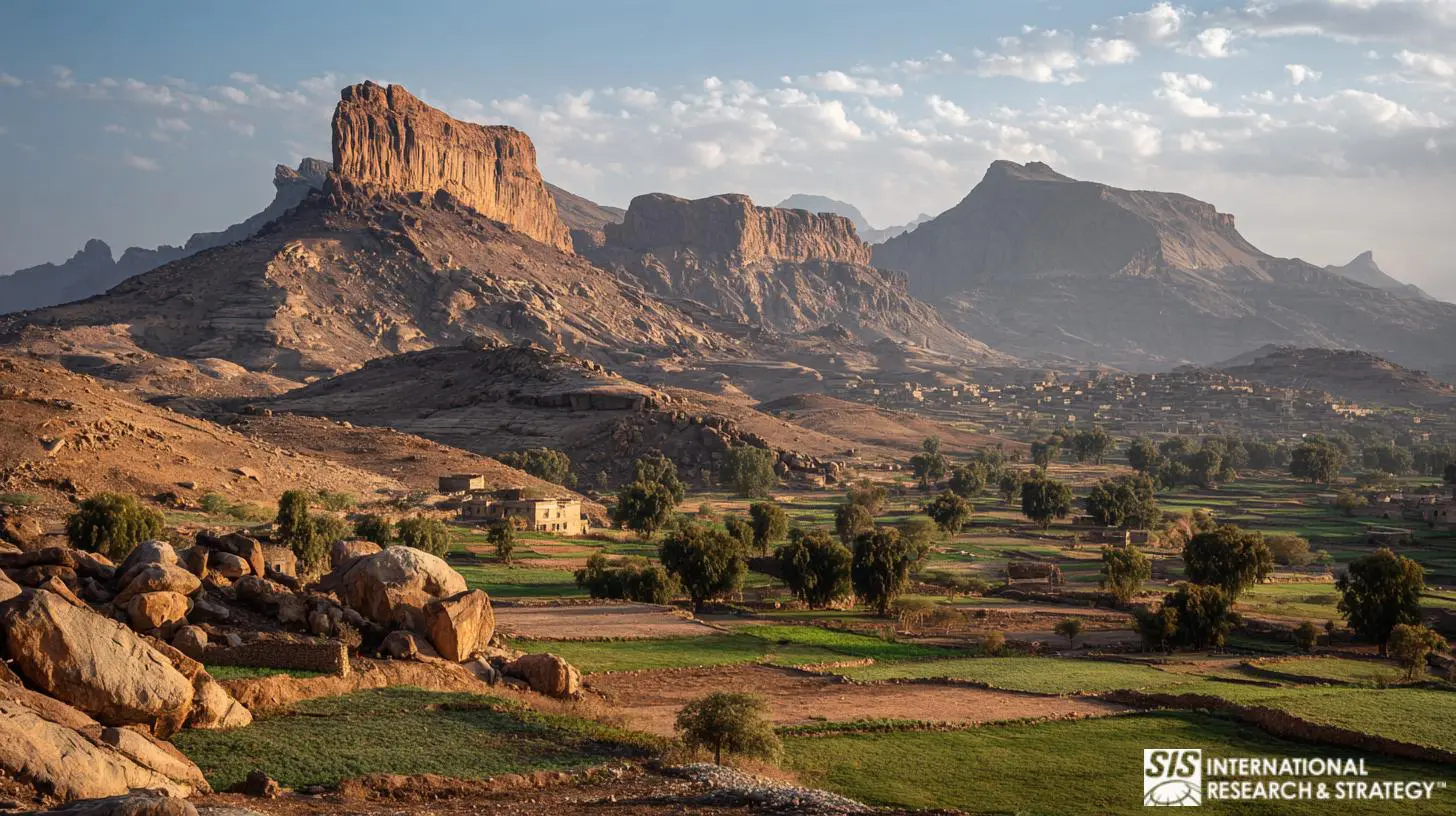
Ao examinar estes factores internos e externos, as empresas podem desenvolver estratégias informadas para capitalizar os pontos fortes, abordar os pontos fracos, explorar oportunidades e mitigar as ameaças. Aqui está uma análise SWOT do mercado iemenita:
Forças:
- Ricos recursos naturais: O Iêmen possui recursos naturais abundantes, incluindo petróleo, gás natural, minerais e terras aráveis, proporcionando oportunidades de investimento e desenvolvimento económico.
- Localização estratégica: A localização estratégica do Iémen, na encruzilhada da África, da Ásia e do Médio Oriente, posiciona-o como um centro comercial vital, facilitando o comércio e o investimento internacionais.
- Força de trabalho jovem: A crescente população jovem do Iémen oferece um potencial dividendo demográfico para as empresas que procuram explorar uma grande reserva de mão-de-obra.
- Património Cultural e Potencial Turístico: O Iémen possui uma rica herança cultural, locais históricos e paisagens naturais que atraem turistas, apresentando oportunidades para a indústria hoteleira e turística.
- Assistência Internacional e Investimento: As iniciativas de ajuda externa e de investimento apoiam os esforços de reconstrução, o desenvolvimento de infra-estruturas e o crescimento do sector privado no Iémen.
Fraquezas:
- Instabilidade política: A instabilidade política, incluindo conflitos armados e mudanças frequentes na liderança governamental, cria incerteza e volatilidade no mercado iemenita, dissuadindo o investimento estrangeiro e dificultando o crescimento económico.
- Desafios de segurança: Preocupações de segurança, como terrorismo, insurgência e conflitos armados, ameaçam as empresas e perturbam as operações comerciais, especialmente em áreas afetadas por conflitos.
- Crise econômica: O Iémen enfrenta desafios económicos, incluindo elevado desemprego, inflação, desvalorização da moeda e défices fiscais, que restringem o poder de compra dos consumidores e limitam o investimento empresarial.
- Deficiências de infraestrutura: A infra-estrutura do Iémen é subdesenvolvida e inadequada, com deficiências nos transportes, energia, abastecimento de água e telecomunicações, dificultando as operações comerciais e o acesso ao mercado.
- Crise Humanitária: O Iémen enfrenta uma crise humanitária, incluindo insegurança alimentar, subnutrição e falta de acesso a serviços básicos, o que agrava a pobreza, a instabilidade social e a vulnerabilidade económica.
Oportunidades:
- Investimento em Infraestrutura: Existem oportunidades para investimento no desenvolvimento de infra-estruturas, incluindo transportes, energia, telecomunicações e serviços públicos, para resolver deficiências e apoiar o crescimento económico.
- Diversificação da Economia: Iniciativas de diversificação económica, como o desenvolvimento de energias renováveis, a modernização da agricultura e a promoção do turismo, apresentam oportunidades de negócios para expansão em novos sectores e mercados.
- Comércio Internacional e Investimento: A localização estratégica e os acordos comerciais do Iémen oferecem oportunidades às empresas para aceder aos mercados regionais e internacionais, diversificar os mercados de exportação e atrair investimento estrangeiro.
- Desenvolvimento do Capital Humano: Os investimentos na educação, no desenvolvimento de competências e na formação profissional podem melhorar as capacidades da força de trabalho do Iémen, proporcionando oportunidades para as empresas recrutarem e reterem talentos qualificados.
- Adoção de tecnologia: As iniciativas de adoção de tecnologia e transformação digital podem melhorar a eficiência, a produtividade e a competitividade dos negócios no mercado do Iêmen.
Ameaças:
- Riscos de segurança: Os atuais desafios de segurança, incluindo o terrorismo, a insurgência e os conflitos armados, representam riscos significativos para as empresas e o pessoal, perturbando as operações e afetando a continuidade dos negócios.
- Incerteza Política: A instabilidade política e os desafios de governação criam incerteza e riscos regulamentares para as empresas, afetando as decisões de investimento e a confiança do mercado no Iémen.
- Volatilidade Econômica: A crise económica do Iémen, incluindo inflação elevada, desvalorização da moeda e défices fiscais, representa riscos para as empresas no que diz respeito à escalada de custos, incerteza das receitas e instabilidade financeira.
- Impacto da crise humanitária: A crise humanitária no Iémen, incluindo a insegurança alimentar, a subnutrição e a falta de acesso a serviços básicos, afecta o poder de compra dos consumidores, a procura do mercado e as operações comerciais.
- Vulnerabilidade de infraestrutura: Deficiências de infraestrutura, como transporte, energia e telecomunicações, representam riscos para as operações comerciais, a gestão da cadeia de abastecimento e o acesso ao mercado, especialmente em áreas remotas e rurais.
Razões para expandir seu negócio no mercado
O Iémen atravessa actualmente a pior crise do mundo. O país está lutando para se recuperar. Ainda assim, existem alguns motivos cruciais pelos quais você deve crescer e iniciar seu negócio no Iêmen.
Por um lado, o Iémen lançou um programa piloto de revitalização empresarial e emprego. Este programa oferece pequenas subvenções complementares para a expansão de novos negócios. Ajuda as empresas a entrar em novos mercados e a melhorar os seus produtos. O Banco Mundial e outras entidades também demonstraram interesse em projetos semelhantes.
For another, word-of-mouth promotion is vital and effective in Yemen. People will converse about new and unique businesses, which makes other people aware. So, your business can use a cheap and reliable form of advertising.
Localização de nossas instalações em Nova York
11 E 22nd Street, 2º andar, Nova York, NY 10010 T: +1(212) 505-6805
Sobre SIS Internacional
SIS Internacional oferece pesquisa quantitativa, qualitativa e estratégica. Fornecemos dados, ferramentas, estratégias, relatórios e insights para a tomada de decisões. Também realizamos entrevistas, pesquisas, grupos focais e outros métodos e abordagens de Pesquisa de Mercado. Entre em contato conosco para o seu próximo projeto de pesquisa de mercado.

 PT
PT  EN
EN  AR
AR  ZH
ZH  ZH_HK
ZH_HK  NL
NL  FR
FR  DE
DE  IT
IT  JA
JA  KO
KO  PL
PL  ES
ES