
코코아 시장 조사

코코아 시장 조사란 무엇입니까?
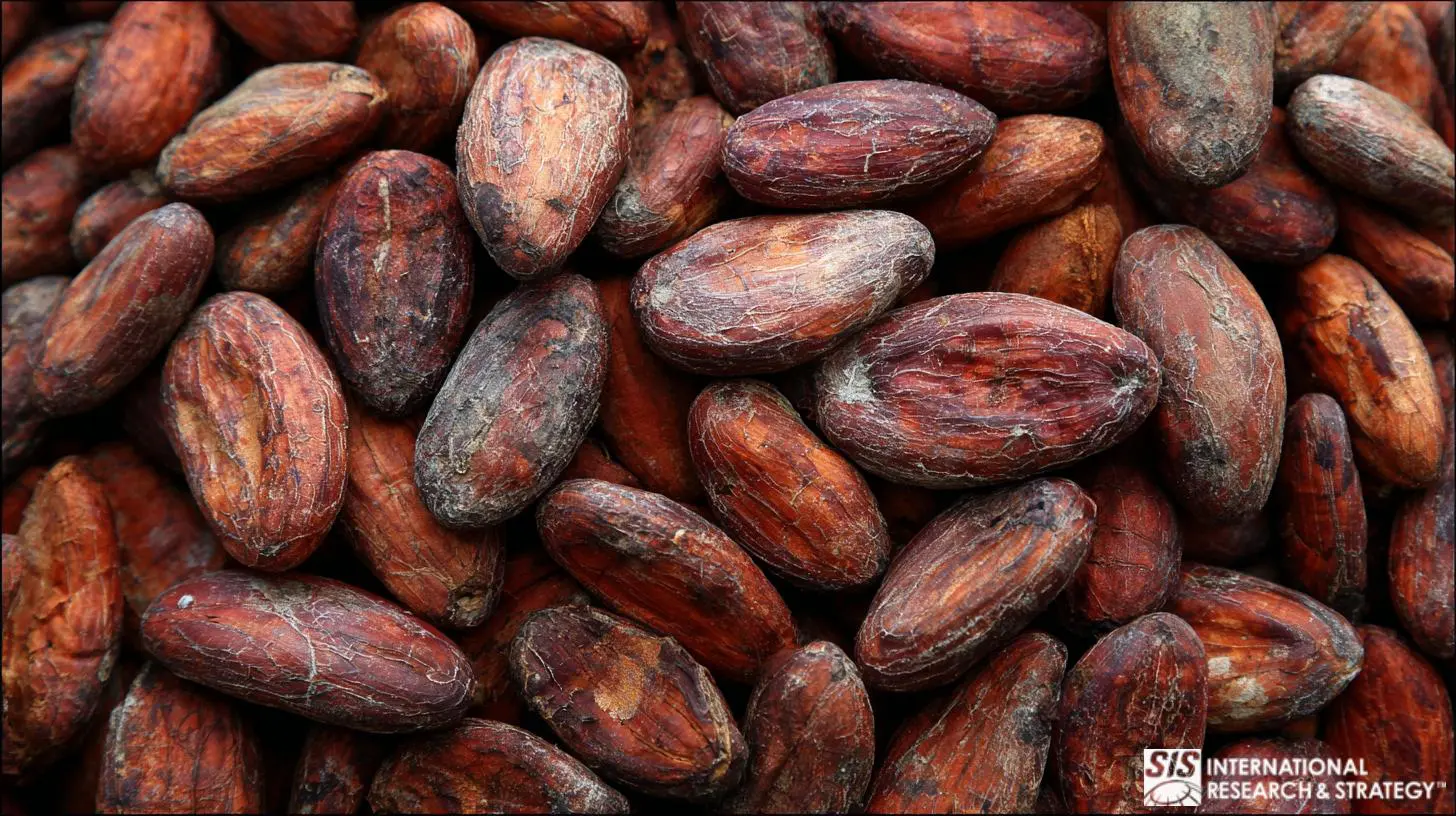
코코아 시장 조사는 코코아 부산물의 상업적 전망을 분석하는 것을 의미합니다. 특히 코코아 콩에서 나오는 매우 인기 있는 두 가지 제품인 코코아 가루와 초콜릿의 시장 침투에 중점을 둡니다.
주요 시장 통찰력, 생산 과정의 과제 및 주식 시장의 가격 변동은 코코아 시장 조사의 필수 측면입니다. 또한 코코아 시장 조사에는 지역적, 질적 차별화는 물론 제품군의 생산 비용도 포함됩니다.
Cocoa Market Research: How Leading Confectionery Brands Build Pricing Power
Cocoa has shifted from a stable input to a strategic variable. The brands winning category share are the ones treating origin, sensory positioning, and supply security as commercial levers, not procurement footnotes.
Cocoa Market Research now sits at the intersection of three disciplines: commodity intelligence, sensory science, and consumer ethics. The companies pulling ahead in chocolate, beverages, and functional ingredients are integrating all three into a single decision framework. The ones still treating cocoa as a back-office sourcing question are losing margin to private label and to craft challengers with sharper origin stories.
The New Economics of Cocoa Sourcing
West African production volatility, EUDR deforestation compliance, and the rise of single-origin premiumization have permanently altered the cost curve. Côte d’Ivoire and Ghana still anchor global supply, but Ecuador, Peru, and Indonesia are gaining share among brands willing to pay for traceability and flavor differentiation.
Three structural shifts deserve close attention. First, the futures-to-physical basis has widened, which means hedging strategies calibrated on historical norms understate true cost exposure. Second, EUDR geolocation requirements have made farm-level traceability a market access condition for the EU, not a marketing claim. Third, consumer willingness to pay for origin-specific bars has matured beyond a craft niche into a mainstream premium tier, validated by Lindt, Tony’s Chocolonely, and Valrhona.
SIS International Research’s work with European and North American confectionery manufacturers indicates that brands integrating origin traceability into front-of-pack communication are sustaining price premiums even as commodity cocoa costs compress competitor margins. The implication for Fortune 500 buyers is that traceability investment now functions as both a compliance cost and a pricing instrument.
What Cocoa Market Research Reveals About Consumer Premiumization
The premium cocoa consumer is not a single segment. Sensory testing across markets consistently identifies four distinct buyers: the ethics-led purchaser, the flavor explorer, the health-functional buyer, and the gifting occasion shopper. Each responds to a different combination of cocoa percentage, origin claim, and processing method.
Discrimination testing reveals what survey data hides. In triangle tests and paired comparison protocols, trained panels and consumers diverge sharply on what they detect versus what they prefer. A 70% Ghanaian dark and a 70% Ecuadorian Nacional are sensorially distinct on QDA panels, yet only the flavor explorer segment translates that difference into willingness to pay. Treating all dark chocolate buyers as a single premium target is the most expensive mistake in the category.
Hedonic scaling combined with JAR (just-about-right) analysis exposes a second insight. Penalty analysis on bitterness, astringency, and roast intensity shows that the optimal product for category conquest sits below the bitterness threshold preferred by self-identified dark chocolate enthusiasts. Brands optimizing for connoisseurs leave volume on the table. Brands optimizing for the JAR midpoint capture both.
Origin 전략 as Competitive Intelligence
Origin is no longer a sourcing decision. It is a brand architecture decision with implications for shelf positioning, e-commerce search, and retailer negotiations. The competitive intelligence question is which origins your competitors are locking up through long-term direct trade agreements, and which remain available for differentiated positioning.
Based on SIS International’s expert interviews with cocoa importers, processors, and confectionery R&D leaders across the UK, Western Europe, and West Africa, the brands building defensible origin stories are the ones treating supplier relationships as multi-year intelligence assets rather than transactional contracts. A direct trade relationship in San Martín, Peru or the Ashanti region in Ghana is increasingly difficult to replicate once a competitor has secured volume commitments and farm-level relationships.
The corollary matters for boards. Cocoa origin strategy is now a competitive moat with a depreciation curve. Once a competitor signs multi-year contracts with the cooperatives producing distinctive flavor profiles, the entry cost for a follower rises sharply.
The Methodologies That Separate Signal From Noise
Cocoa Market Research breaks down when methodology is mismatched to the decision. The four protocols below address the questions Fortune 500 leadership teams actually face.
| Decision | 방법론 | What It Resolves |
|---|---|---|
| Origin selection | B2B expert interviews with importers, traders, and origin cooperatives | Supply security, EUDR readiness, price stability |
| Product optimization | QDA panel calibration plus consumer CLT with JAR scaling | Sensory-to-preference gap, optimal cocoa percentage |
| Premium positioning | Sequential monadic concept-product fit testing | Claim credibility, price ceiling, packaging integration |
| Competitive defense | Competitive intelligence on direct trade contracts and origin commitments | White space in origin claims, replication risk |
Source: SIS International Research
The mistake we see most often is using quantitative concept tests to answer sensory questions, or using descriptive panels to answer commercial questions. A trained panel can tell you a product is fruitier. It cannot tell you whether fruitiness will lift basket conversion at Tesco, Whole Foods, or Carrefour.
EUDR, Living Income, and the New Compliance Premium
The EU Deforestation Regulation has changed the math on supplier consolidation. Geolocation data, due diligence statements, and risk assessments are now part of the cost of selling cocoa-containing products into the EU. Brands that built farm-level traceability before the regulation are absorbing the cost. Brands that did not are paying a scramble premium to compliant intermediaries.
Living income differentials, championed by the Ghana Cocoa Board and Conseil du Café-Cacao in Côte d’Ivoire, have added a structural floor to origin pricing. Combined with certification schemes from Rainforest Alliance and Fairtrade, the effective per-tonne cost of compliant West African cocoa has decoupled from ICE futures in ways that procurement models built a decade ago do not capture.
SIS International’s analysis of confectionery supply chain engagements shows that brands which integrated EUDR readiness into their sustainability narrative captured shelf space gains in European grocery, while late movers absorbed compliance costs without corresponding pricing benefit. The lesson is that compliance investment delivers commercial return only when it is communicated as a brand asset, not buried in supplier documentation.
Where the Upside Sits for Fortune 500 Brands
Three opportunities stand out for category leaders. Functional cocoa, including flavanol-positioned products supported by clinical evidence in cardiovascular health, is migrating from supplement aisles into mainstream beverages and snacks. Mars Edge and Barry Callebaut have signaled the direction. The category is open for a Fortune 500 entrant with the regulatory and clinical infrastructure to substantiate claims.
Reduced-sugar and plant-based formulations represent the second opening. Sensory gap analysis across plant-based chocolate consistently identifies texture and melt profile as the primary barriers, not flavor. Brands solving the texture problem with cocoa butter fractionation and emulsifier optimization will own the category transition.
The third opportunity is geographic. Indian, Brazilian, and Southeast Asian premium chocolate consumption is growing from a small base, and the brands establishing distribution and origin stories now will define the category as it matures. This is where Cocoa Market Research delivers the highest decision leverage, because public data is thin and primary intelligence is decisive.
The SIS Perspective

Across four decades of food and beverage engagements, the pattern is consistent. The brands winning in cocoa are the ones running sensory science, supply intelligence, and consumer research as a single integrated program rather than three separate functions reporting to different leaders. Cocoa Market Research, done well, is the connective tissue between procurement, R&D, and brand strategy.
SIS 인터내셔널 소개
SIS 국제 정량적, 정성적, 전략 연구를 제공합니다. 우리는 의사결정을 위한 데이터, 도구, 전략, 보고서 및 통찰력을 제공합니다. 또한 인터뷰, 설문 조사, 포커스 그룹, 기타 시장 조사 방법 및 접근 방식을 수행합니다. 문의하기 다음 시장 조사 프로젝트를 위해.

 KO
KO  EN
EN  AR
AR  ZH
ZH  ZH_HK
ZH_HK  NL
NL  FR
FR  DE
DE  IT
IT  JA
JA  PL
PL  PT
PT  ES
ES